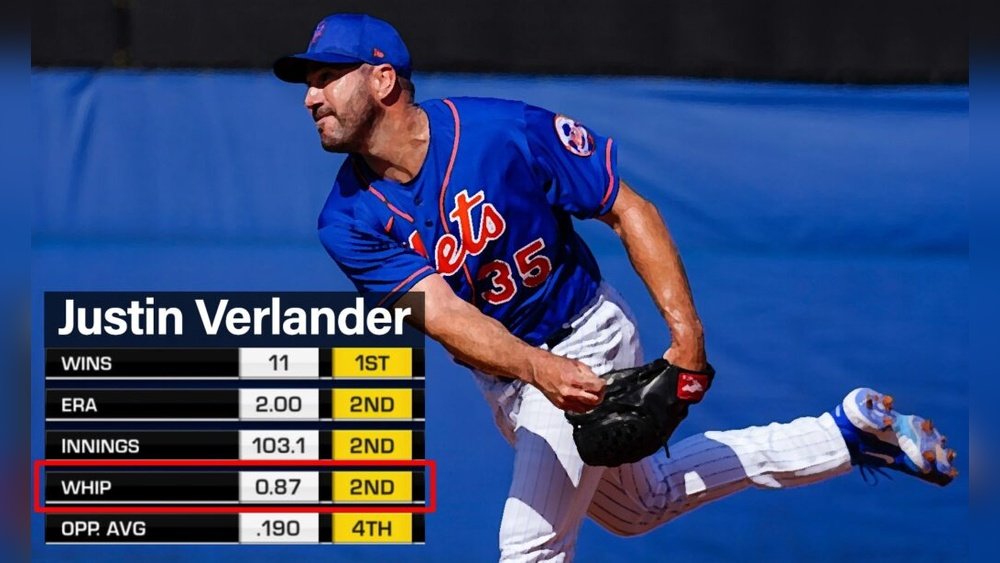
If you’re diving into MLB stats, you’ve probably come across the term “WHIP” and wondered what it really means. Understanding WHIP can change how you see a pitcher’s performance and help you appreciate the game on a whole new level.
Simply put, WHIP shows you how many baserunners a pitcher allows per inning, combining walks and hits. But why should you care? Because the lower a pitcher’s WHIP, the harder it is for the opposing team to score. You’ll learn exactly what WHIP is, how it’s calculated, and what numbers make a pitcher truly stand out.
Keep reading, and you’ll soon be able to impress your friends with your insider knowledge of one of baseball’s most important stats.
What Whip Measures
WHIP is a simple yet powerful baseball stat. It shows how many baserunners a pitcher allows every inning. This helps fans and coaches understand a pitcher’s effectiveness. The fewer runners allowed, the better the pitcher is at controlling the game.
WHIP focuses on walks and hits, key ways batters reach base. It does not count other ways, keeping the stat clear and focused. This makes WHIP a reliable measure of a pitcher’s skill.
Baserunners Per Inning
WHIP calculates the average number of baserunners a pitcher allows per inning. It gives a quick view of how often a pitcher lets opponents get on base. Lower numbers show stronger pitching performance.
Walks And Hits Combined
The WHIP stat adds together walks and hits allowed by a pitcher. These are the main ways batters reach base safely. By combining them, WHIP gives a complete look at baserunners caused by the pitcher.
Exclusion Of Hit Batsmen
WHIP does not count batters hit by a pitch. This keeps the focus on walks and hits only. Hit batsmen are rare and less consistent, so excluding them keeps WHIP simple and fair.

Credit: sports.yahoo.com
Calculating Whip
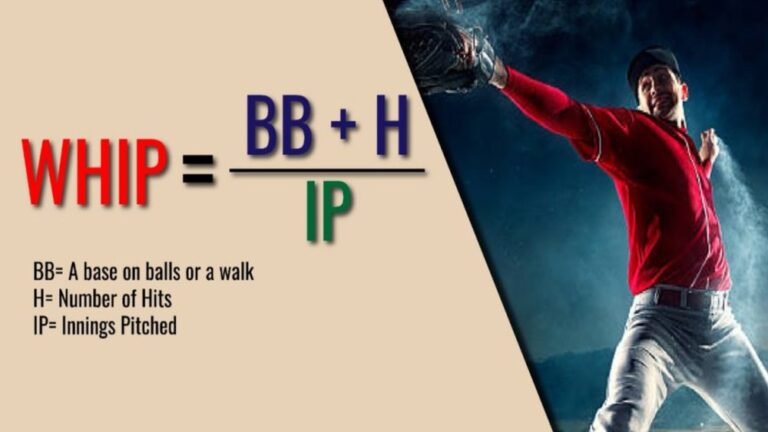
Calculating WHIP helps evaluate a pitcher’s skill in preventing baserunners. It shows how many walks and hits a pitcher allows on average per inning. This number gives insight into a pitcher’s control and effectiveness. To calculate WHIP, follow three simple steps. Each step focuses on one key part of the formula.
Counting Walks Allowed
First, count the total number of walks the pitcher has allowed. Walks occur when the pitcher throws four balls outside the strike zone. These walks let batters reach base without hitting the ball. Every walk increases the number of baserunners.
Counting Hits Allowed
Next, count all hits given up by the pitcher. Hits happen when the batter successfully reaches base after hitting the ball. Hits can be singles, doubles, triples, or home runs. Each hit also adds to the total baserunners allowed.
Dividing By Innings Pitched
Finally, add the walks and hits together. Then divide this sum by the total innings the pitcher has thrown. Innings pitched counts every full and partial inning pitched. The result is the pitcher’s WHIP number. A lower WHIP means fewer baserunners allowed per inning.
Why Whip Matters
WHIP is a key stat for understanding a pitcher’s control and skill. It shows how many players reach base per inning. This number helps fans and coaches judge a pitcher’s effectiveness quickly.
A low WHIP means fewer runners get on base. That often leads to fewer runs scored by the opposing team. Pitchers with low WHIP are valuable because they keep pressure off their team’s defense.
Indicator Of Pitching Effectiveness
WHIP directly shows how well a pitcher controls the game. It counts walks and hits allowed per inning. A lower WHIP means the pitcher lets fewer players on base. This indicates strong pitching and good control of the game.
Impact On Scoring Opportunities
More baserunners mean more chances to score. WHIP helps measure this risk. If a pitcher has a high WHIP, opponents get more chances to score runs. A low WHIP limits these chances and helps keep the score low.
Relation To Pitcher Performance
WHIP reflects a pitcher’s ability to prevent baserunners. It is a simple yet powerful way to evaluate performance. Pitchers with low WHIP often have better overall stats and win more games.
Interpreting Whip Values
Understanding WHIP values helps evaluate a pitcher’s performance quickly. WHIP stands for Walks plus Hits per Inning Pitched. It shows how many batters reach base per inning. A low WHIP means fewer runners allowed, which is ideal. A high WHIP suggests more baserunners and potential struggles. These values reveal strengths and weaknesses in pitching.
Low Whip And Pitcher Dominance
A low WHIP indicates strong control and effectiveness. Pitchers with low WHIP allow fewer hits and walks. This limits scoring chances for the opposing team. Such pitchers often dominate games and keep their teams competitive. They consistently prevent runners from reaching base.
High Whip And Potential Weaknesses
A high WHIP points to more baserunners allowed per inning. This can lead to more runs scored against the pitcher. It may show control problems or difficulty in getting batters out. Pitchers with high WHIP often face tougher situations and higher pressure. Coaches watch these numbers to identify areas for improvement.
What Counts As A Good Whip
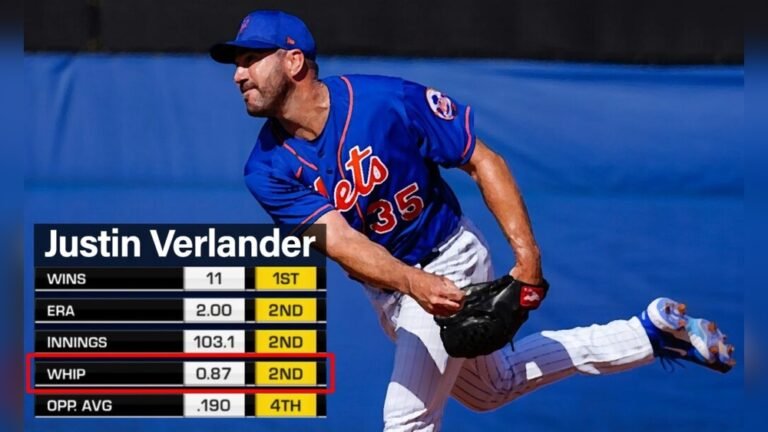
A WHIP below 1.20 is generally considered good in MLB. Elite pitchers often have WHIP values under 1.00. A WHIP between 1.20 and 1.35 is average to slightly above average. Values above 1.35 suggest a pitcher struggles to limit baserunners. WHIP is a simple yet powerful tool for judging pitching quality.
Whip In Mlb Context
WHIP is a key pitching statistic in Major League Baseball (MLB). It shows how many baserunners a pitcher allows per inning. WHIP stands for Walks plus Hits per Inning Pitched. This stat helps measure a pitcher’s control and effectiveness. A lower WHIP means fewer runners reach base, reducing scoring chances. WHIP is simple but powerful for evaluating pitchers.
Pitchers with low WHIP are usually the best in the league. This stat helps fans and analysts compare pitchers easily. WHIP also helps track changes in pitching performance over time. It is one of the core stats used in baseball analysis today.
Top Pitchers And Whip Records
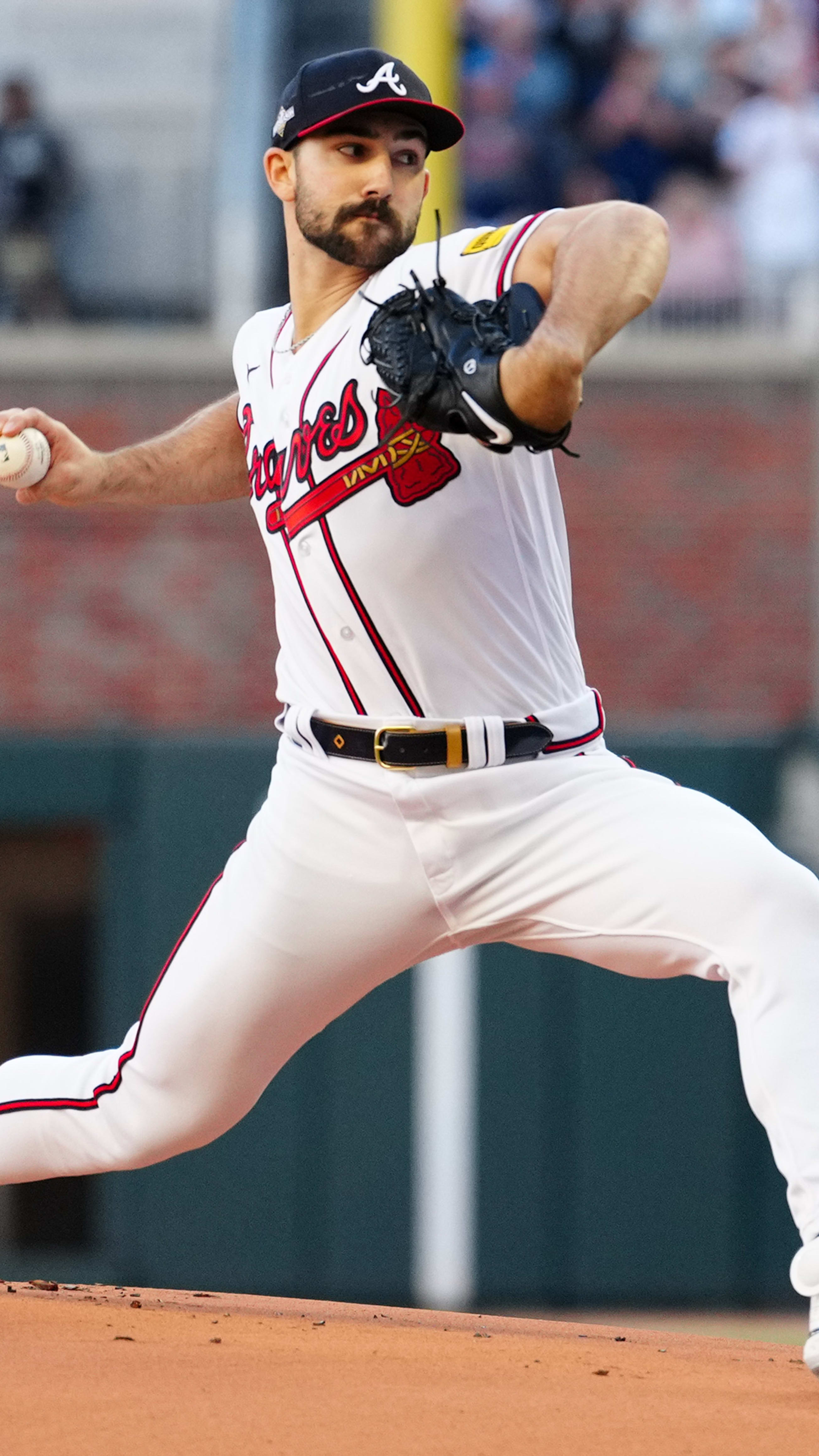
Some of the greatest pitchers have the lowest WHIP records. For example, Pedro Martinez and Clayton Kershaw are known for excellent WHIP numbers. The all-time best WHIP is held by Addie Joss at 0.806. Modern pitchers like Jacob deGrom often post WHIP below 1.00 in a season. These numbers show how well they limit baserunners.
Whip Trends Over Time
WHIP has changed throughout baseball history. In early MLB, pitchers allowed more hits and walks. Over decades, pitching techniques and training improved. This led to lower average WHIP in recent years. Changes in rules and ballparks also affect WHIP trends. Watching WHIP over time shows how pitching has evolved.
Comparing Whip Across Eras
Comparing WHIP between eras can be tricky. Different eras have varied hitting styles and rules. For instance, the dead-ball era had fewer home runs but more hits. Modern pitchers face stronger hitters but have better training. Adjusting for era gives better context to WHIP numbers. It helps us understand a pitcher’s true skill level.
Credit: www.mlb.com
Whip Vs Other Pitching Stats
WHIP is a key pitching stat that shows how many runners a pitcher allows per inning. It helps measure a pitcher’s control and effectiveness in limiting baserunners. Other pitching stats provide different views of performance. Comparing WHIP with these stats reveals a fuller picture of a pitcher’s skill. This section explains how WHIP relates to ERA, strikeout rates, and advanced metrics.
Whip And Era
ERA shows how many earned runs a pitcher allows per nine innings. WHIP focuses on baserunners, not runs. A low WHIP usually leads to a low ERA. Fewer baserunners mean fewer chances for runs to score. But ERA can be affected by defense and luck. WHIP gives a clearer idea of how well a pitcher controls the game.
Whip And Strikeout Rates
Strikeout rates show how often a pitcher strikes out batters. High strikeout rates can lower WHIP by reducing balls in play. Less contact means fewer hits and walks. But WHIP also counts walks, which strikeouts do not. A pitcher with a low WHIP and high strikeout rate is very dominant. Both stats together show how a pitcher handles batters.
Whip And Advanced Metrics
Advanced metrics like FIP and xFIP use strikeouts, walks, and home runs. These stats predict a pitcher’s future performance. WHIP fits well with these metrics because it measures baserunners allowed. Unlike ERA, advanced metrics remove defense effects. WHIP complements them by giving a simple, direct look at how many runners reach base.
Using Whip For Player Evaluation
Using WHIP for player evaluation helps teams and fans understand a pitcher’s ability to control the game. WHIP measures how many baserunners a pitcher allows per inning. This simple number shows how effective a pitcher is at keeping runners off base and preventing scoring chances.
Evaluators use WHIP to compare pitchers quickly. It gives a clear picture of a pitcher’s command and consistency. WHIP is a key tool in scouting, fantasy baseball, and managing game strategy.
Scouting And Recruiting
Scouts use WHIP to find pitchers who limit walks and hits. A low WHIP means fewer runners reach base. This helps teams spot strong pitchers early. WHIP can highlight pitchers who may not have high strikeout numbers but still control the game well. Recruiters rely on WHIP to predict future performance and durability.
Fantasy Baseball Insights
Fantasy players check WHIP to pick reliable pitchers. A low WHIP often means fewer runs allowed and better fantasy points. It helps owners decide who to start or trade. WHIP also shows which pitchers are consistent week to week. Monitoring WHIP trends can guide smart roster moves.
Game Strategy And Management
Managers use WHIP to plan pitching changes and matchups. A pitcher with a low WHIP is trusted in tight games. WHIP helps decide when to rest or pull a pitcher. It guides decisions on bullpen use and defensive positioning. Understanding WHIP improves overall team defense and game control.

Credit: www.youtube.com
Frequently Asked Questions
What Is A Good Whip In Mlb?
A good WHIP in MLB is typically below 1. 20. It shows a pitcher allows few baserunners per inning. Lower WHIP means better pitching performance and fewer scoring chances for opponents. Elite pitchers often have WHIPs under 1. 00.
Is A 1.20 Whip Good?
A 1. 20 WHIP is considered good in baseball. It shows the pitcher allows just over one baserunner per inning, indicating solid performance.
Is A 2.0 Whip Good In Baseball?
A 2. 0 WHIP in baseball is considered high. It means the pitcher allows two baserunners per inning, which is below average.
What Is An Mlb Whip?
MLB WHIP stands for Walks plus Hits per Inning Pitched. It measures baserunners allowed by a pitcher each inning. A lower WHIP means fewer baserunners and better pitching performance. Calculate WHIP by dividing total walks plus hits by innings pitched.
It helps evaluate a pitcher’s effectiveness.
Conclusion
WHIP helps measure a pitcher’s control over baserunners. A lower WHIP means fewer hits and walks allowed. This keeps innings cleaner and limits the other team’s scoring chances. Understanding WHIP gives fans a clearer view of pitching performance. It is simple to calculate and easy to follow.
Watching pitchers with low WHIP can make games more exciting. Remember, WHIP is just one part of baseball stats, but an important one. Keep an eye on it to better enjoy MLB pitching battles.