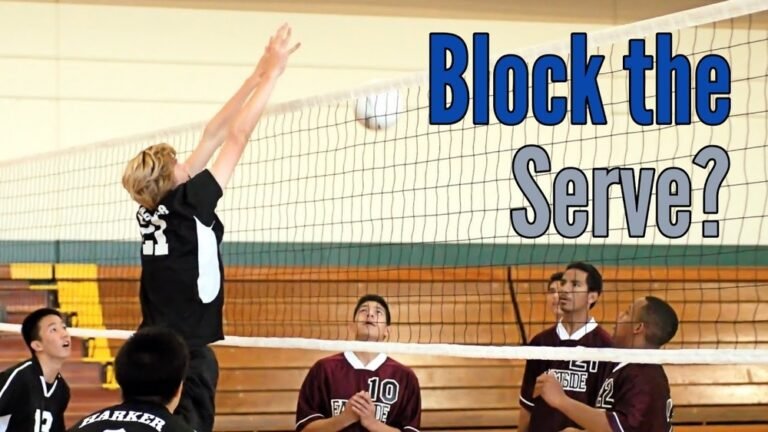

Are you setting up a volleyball game and wondering about the right net height? Getting the volleyball net height just right can make all the difference in how you play and enjoy the game.
Whether you’re a beginner, a coach, or just organizing a friendly match, knowing the correct measurements ensures fair play and keeps the game challenging and fun. You’ll discover the official net heights for men, women, and youth leagues, plus tips on adjusting the net for different skill levels.
Keep reading to make sure your volleyball setup is spot on and ready for action!
Credit: volleyball-tips.com
Standard Net Heights
The standard volleyball net height is crucial for fair play and proper game flow. Different groups use specific net heights to match players’ physical abilities. Net height affects how players serve, spike, and block. Knowing these standards helps players prepare and compete confidently.
Men’s Net Height
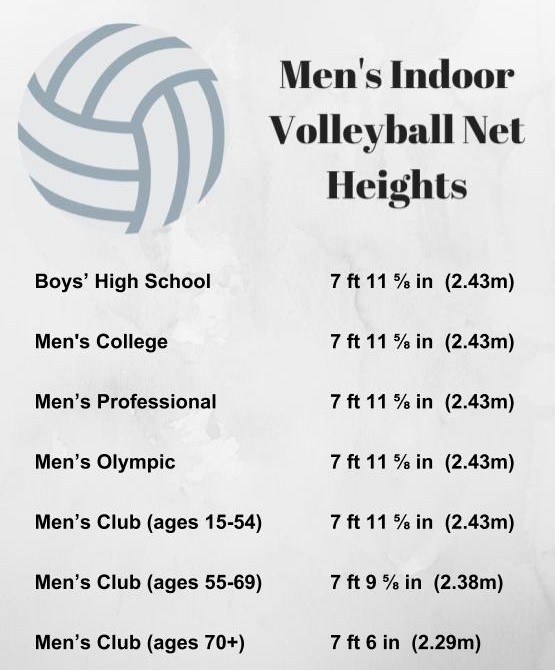
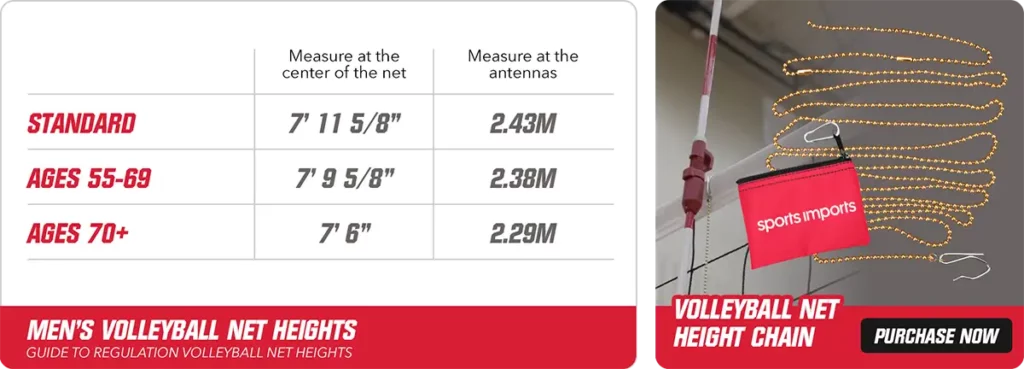
The official net height for men is 2.43 meters (7 feet 11 5/8 inches). This height is used in most adult men’s competitions worldwide. It challenges players to jump higher and develop stronger skills. Men’s net height remains consistent in indoor and beach volleyball.
Women’s Net Height
For women, the standard net height is 2.24 meters (7 feet 4 1/8 inches). This height suits women’s average reach and jump ability. It ensures balanced competition and fair play. Women’s volleyball uses this height in all official matches and tournaments.
Youth Net Height
Youth volleyball nets vary by age and skill level. Younger players use lower nets to build confidence and technique. For example, kids under 12 often play with a net height around 1.8 meters (5 feet 11 inches). As players grow, the net height gradually increases to adult standards.
Net Height Variations
The height of a volleyball net changes based on different factors. These changes help players of all skills and ages enjoy the game. Adjusting net height creates fair play and suits players’ abilities. Understanding these variations is key to setting up volleyball courts correctly.
Age Group Adjustments
Younger players use lower nets to match their height and skill. Kids under 12 often play with nets set at about 1.5 meters. Teen players move to higher nets as they grow. This helps them develop skills without frustration.
League Differences
Men’s and women’s leagues use different net heights. Men’s official net height is 2.43 meters. Women’s net height is slightly lower at 2.24 meters. Some older men’s leagues lower the net to reduce injury risk. These variations keep the game competitive and safe.
Recreational Vs Professional
Recreational players often use nets lower than professional standards. This makes the game easier and more fun for casual play. Professionals follow strict net height rules for fairness. Recreational nets vary depending on local rules and player needs.
Measuring Net Height
Measuring the volleyball net height is essential for fair play and proper game setup. The net height impacts how players serve, block, and spike the ball. Accurate measurement ensures the game follows official rules and maintains consistency across matches.
Setting the net at the correct height avoids confusion and helps players perform their best. Below are key points on how to measure the volleyball net height properly.
Tools Needed
Use a measuring tape that can reach at least 8 feet. A level or plumb line helps check if the net is straight. A sturdy pole or net post is necessary to hold the net in place. Having a helper can make the process easier and more accurate.
Correct Measurement Points
Measure from the center of the playing surface to the top edge of the net. Check the height at both net posts to ensure evenness. For indoor volleyball, the official net height is 7 feet 11 5/8 inches for men. For women, it is 7 feet 4 1/8 inches. Youth nets vary by age group, so confirm the right height before measuring.
Common Mistakes
Measuring the net height only at one side can cause errors. Ignoring the net sag in the middle leads to incorrect height. Using a bent or damaged measuring tape affects accuracy. Forgetting to tighten the net can change its height during play. Always double-check measurements before starting the match.
Credit: www.sportsimports.com
Setting Up The Net
Setting up a volleyball net correctly ensures a fair and enjoyable match. The net must be stable and at the right height. Proper setup also helps players perform their best. Follow these steps to set up your volleyball net smoothly and safely.
Choosing The Right Location
Pick a flat and open area for the net. Avoid places with rocks or uneven ground. Make sure there is enough space on both sides. The area should allow players to move freely. Good lighting helps players see the ball better. Outdoor setups need to consider wind direction and strength.
Securing Poles And Anchors
Use sturdy poles that can hold the net tight. Place poles firmly in the ground or use strong stands. Secure poles with anchors or weights to stop movement. Check that poles stand straight and do not lean. Tight anchors prevent the net from sagging or falling. Safety is key to avoid accidents during play.
Adjusting Tension
Tighten the net evenly on both sides. The net should be firm but not too stiff. Loose nets affect the ball’s bounce and game fairness. Use tension ropes or straps to adjust the tightness. Check tension regularly during the game. Proper tension keeps the net at the correct height and shape.
Indoor Vs Beach Volleyball Nets
Indoor and beach volleyball nets differ in several key ways. These differences affect gameplay and setup. Understanding these distinctions helps players and organizers choose the right net for their needs.
Height Differences
The net height is not the same indoors and on the beach. For men’s indoor volleyball, the net stands at 2.43 meters (7 feet 11 5/8 inches). Women’s indoor nets are slightly lower at 2.24 meters (7 feet 4 1/8 inches). Beach volleyball nets follow similar heights but can vary slightly based on tournament rules. Some beach nets might be adjustable due to outdoor conditions.
Net Materials
Indoor nets use strong, durable materials that resist wear from constant use. They often have tighter mesh and reinforced edges. Beach volleyball nets need materials that withstand sun, wind, and water. These nets are usually made from weather-resistant synthetic fibers. The mesh is a bit looser to reduce wind resistance.
Setup Challenges
Indoor nets are easier to set up on flat, hard surfaces. The poles are stable and fixed in place. Beach volleyball nets require more effort to install. Sand surfaces make pole placement tricky. Poles must be anchored deeply or weighted to stay upright. Wind also adds difficulty to beach net stability.

Credit: www.dimensions.com
Maintaining Net Height
Maintaining the correct volleyball net height is essential for fair play and player safety. The net must stay at the official height throughout every match and practice. Regular care helps avoid sagging or uneven tension. Follow simple steps to keep the net in top condition. This ensures a consistent and enjoyable game experience.
Regular Checks
Check the net height before each game. Use a measuring tape or a net height gauge. Measure from the center of the court to the top of the net. Adjust the net posts or straps if needed. Regular checks prevent surprises during play. Keep a record of measurements for reference.
Weather Impact
Outdoor nets face weather challenges. Wind can stretch or twist the net. Rain and sun may weaken the material over time. Check the net after storms or strong winds. Dry the net thoroughly after rain to prevent mold. Consider using weather-resistant nets for outdoor courts.
Storage Tips
Store the net properly when not in use. Avoid folding the net tightly to prevent damage. Roll the net loosely and place it in a dry bag or container. Keep it away from direct sunlight and moisture. Proper storage extends the net’s lifespan and maintains its shape.
Common Setup Issues
Setting up a volleyball net correctly is key to fair play and fun. Common setup issues often cause frustration during games. These problems can affect the net’s height, tension, and placement. Understanding these issues helps fix them quickly and maintain the right net height. Below are frequent problems found in volleyball net setups.
Uneven Net Height
One common issue is an uneven net height. The net may be higher on one side and lower on the other. This can happen if the poles are not adjusted equally. Uneven height disrupts the game and can cause unfair points. Use a measuring tape and level to check both sides carefully. Adjust the tension and pole height until both sides match perfectly.
Loose Nets
A loose net sags in the middle and looks untidy. This happens when the net tension is too low or the ropes are not tight. A loose net makes it hard to judge ball hits and reduces game quality. Tighten the ropes and adjust the tension to keep the net firm. Check the net regularly during play to avoid sagging.
Incorrect Pole Placement
Placing poles too close or too far apart causes problems. Poles placed incorrectly can change the net height or tension. Poles must be positioned at the court’s official boundary lines. Measure the distance between poles before setting the net. Proper pole placement ensures the net stays stable and at the right height.
Choosing The Right Net
Choosing the right volleyball net plays a key role in your playing experience. The net must fit your court and players’ needs. Selecting a net involves checking its size, material, and cost. Each factor ensures good quality and proper gameplay. Here is what to consider when choosing a volleyball net.
Size And Length Options
Volleyball nets come in standard sizes. The official width is usually 32 feet (9.75 meters). The height varies by age and gender. Adult men’s nets are 7 feet 11 5/8 inches (2.43 meters). Women’s nets measure 7 feet 4 1/8 inches (2.24 meters). Youth nets are shorter to suit younger players. Make sure the net fits your playing area. Length and height should match the type of volleyball you play.
Material Quality
Net material affects durability and performance. Look for strong, weather-resistant fabrics. Nylon and polyethylene are popular choices. Thick mesh helps the net last longer. Reinforced edges prevent fraying. Quality nets keep their shape during play. Check for sturdy poles and reliable attachments. Good materials reduce the need for frequent replacements.
Budget Considerations
Volleyball nets come in various price ranges. Higher-quality nets cost more but last longer. Basic nets suit casual or beginner players. Consider how often you will use the net. Frequent players benefit from investing in a durable net. Compare prices but focus on value over cost. Choose a net that fits your budget and playing needs.
Frequently Asked Questions
What Is Volleyball Net Height?
The standard volleyball net height is 7 feet 11 5/8 inches (2. 43 meters) for men. For women, it is 7 feet 4 1/8 inches (2. 24 meters). Youth leagues often use lower nets based on age groups.
How Tall Is A Full-size Volleyball Net?
A full-size volleyball net stands 7 feet 11 5/8 inches (2. 43 meters) tall for men. For women, it is 7 feet 4 1/8 inches (2. 24 meters) tall. These heights follow official international standards. Youth leagues often use lower net heights based on age groups.
Is The Volleyball Net 3 Feet High?
No, a standard volleyball net is not 3 feet high. It measures 7 feet 11 5/8 inches for men and 7 feet 4 1/8 inches for women. Youth and recreational nets may vary but generally exceed 3 feet in height.
How Tall Is A Volleyball Net For 7th Graders?
The volleyball net height for 7th graders is typically 7 feet 4 inches (2. 24 meters). This height suits middle school players. Coaches may adjust slightly based on skill level or league rules. Maintaining this height helps develop proper technique and gameplay.
Conclusion
Setting the correct volleyball net height matters for fair play. Men’s nets usually stand at 7 feet 11 5/8 inches tall. Women’s nets are a bit lower, at 7 feet 4 1/8 inches. Youth and beginner players often use shorter nets to match their skill level.
Knowing these measurements helps players enjoy the game safely and confidently. Always check the rules before setting up the net. This ensures the best experience on the court for everyone involved.