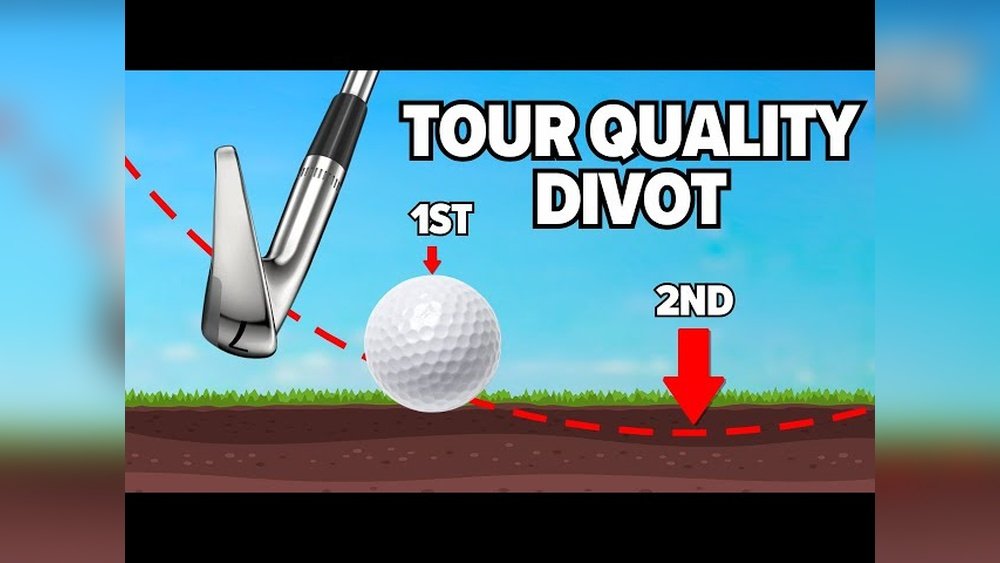
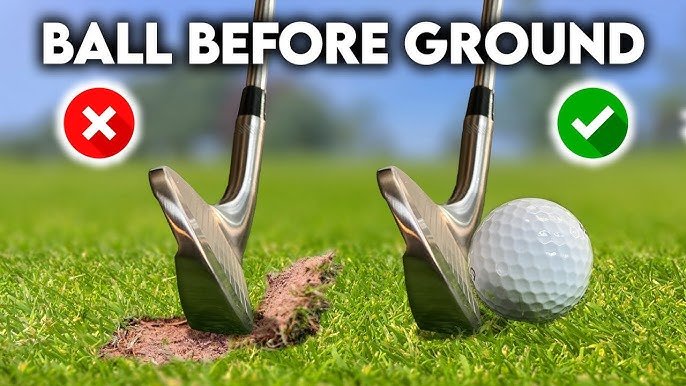
Are you struggling to make clean contact with your irons? Hitting the ball first, then the turf, is a key skill that can transform your iron shots from frustrating to fantastic.
When you strike the ball before the ground, you gain better control, more distance, and cleaner ball flight. Imagine consistently hitting crisp shots that land exactly where you want. You’ll discover simple, practical tips and drills to help you master the art of hitting the ball first with your irons.
Keep reading and unlock the secret to more precise and powerful iron shots every time you step on the course.
Key Techniques For Ball-first Contact
Making ball-first contact with your irons improves accuracy and distance. It also helps create a clean strike and solid feel. The key techniques focus on body position and swing path. Practicing these steps leads to consistent, better shots.
Shift Weight Forward
Start by placing most weight on your back foot during your backswing. As you swing down, shift weight smoothly to your front foot. This motion moves your body ahead of the ball at impact. It helps the club hit the ball before the ground.
Hands Ahead Of Club Head
Keep your hands slightly in front of the club head when you hit the ball. This position causes the club to strike the ball first and compress it well. It also reduces the loft, allowing for better control and distance.
Keep Head Behind Ball
Focus on keeping your head behind the ball through impact. This helps maintain your spine angle and prevents early lifting. Staying behind the ball encourages a downward strike and proper weight transfer forward.
Hit Downward On Ball
Swing the club down into the ball, not up. A descending strike compresses the ball and creates backspin. This leads to more control and tighter ball flight. Avoid trying to scoop or lift the ball into the air.

Credit: www.dannymaude.com
Common Mistakes To Avoid
Hitting the ball first with irons requires careful attention to your swing. Many golfers make common mistakes that prevent clean contact. Avoiding these errors will improve your shots and consistency. Understanding what not to do helps you focus on the right techniques.
Scooping The Ball
Scooping means trying to lift the ball into the air. This causes the club to hit under the ball. The ball flies low and weak. Instead, aim to hit down on the ball. Let the club strike the ball first, then the ground.
Hitting The Turf First
Striking the turf before the ball often results in a thin or fat shot. This happens when the low point of the swing is behind the ball. Keep your weight forward and hands ahead to avoid hitting the ground first. The club should make contact with the ball before the turf.
Weight On Back Foot
Keeping your weight on the back foot blocks proper impact. It makes hitting down on the ball difficult. Shift your weight to the front foot during the downswing. This position helps you strike the ball first with more power and control.
Hands Behind The Club Head
Hands behind the club head cause a delayed impact. The clubface may open and reduce control. Keep your hands ahead of the club face at impact. This forward shaft lean leads to a solid, crisp strike with irons.
Effective Drills To Improve Contact
Improving your iron contact is crucial to hitting the ball first and then the turf. Effective drills build muscle memory and sharpen your feel for the shot. Practicing these drills regularly helps you strike the ball with precision and consistency.
Each drill focuses on a key aspect of the swing that influences solid contact. The goal is to train your body and mind to hit the ball before touching the ground. Let’s explore three practical drills that can improve your iron play quickly.
Tee Drill For Precision
Place a tee just above the ground without a ball. Swing the iron to hit the tee off the ground. This drill trains you to strike the ball first, not the turf. It encourages a downward strike and helps you feel the correct low point of your swing.
Start slow and focus on clean contact with the tee. As you improve, add a ball and try to hit it without touching the ground before the ball. This simple drill builds accuracy and confidence.
Divot Board Feedback
Use a divot board or make a mark on the ground to watch where your club hits. After each shot, check your divot pattern. The divot should start just after the ball position. This feedback shows if you hit the ball first and then the turf.
If the divot starts before the ball, adjust your swing to hit down more. Practicing with this immediate feedback helps you develop the proper swing path and impact position. It trains your eyes and body to work together for better contact.
Water Bottle Target Drill
Place a small water bottle a few inches behind the ball. The goal is to hit the ball without knocking over the bottle. This drill forces you to hit down on the ball first. It prevents hitting too far back or scooping the ball up.
This drill improves control and sharpens your focus on where the club contacts the ground. It also builds confidence in your ability to strike the ball cleanly. Practice this often to see quick improvements in your iron shots.
Credit: www.youtube.com
Swing Adjustments For Better Impact
Making the right swing adjustments improves your chances of hitting the ball first with irons. Small changes in your swing path, shaft lean, and weight shift create better contact. These adjustments help you strike the ball before the ground, leading to cleaner shots and more control.
Proper Downswing Path
Your downswing should follow a slightly inside path toward the ball. This path allows the club to approach the ball from above and strike it first. Avoid swinging too much from outside to inside, which causes the club to hit the ground before the ball. Focus on bringing the club down on a shallow, controlled angle.
Maintaining Forward Shaft Lean
Keep your hands ahead of the clubhead at impact. This forward shaft lean delofts the clubface and helps you hit down on the ball. It prevents flipping the wrists and scooping the ball. A strong forward lean ensures a crisp strike and cleaner contact with the ball.
Timing Weight Shift
Shift your weight to your front foot as you start the downswing. This timing moves your low point forward, allowing you to hit the ball before the turf. Keep your head behind the ball to maintain balance and proper posture. Proper weight transfer is key to solid iron shots with better impact.
Equipment Tips For Cleaner Strikes
Hitting the ball first with your irons starts with the right equipment setup. Choosing irons that match your swing style and skill level helps create cleaner strikes. Proper club face alignment and grip pressure also play key roles in improving contact. These equipment tips ensure better control and consistency in your shots.
Choosing The Right Irons
Select irons that fit your height, strength, and swing speed. Clubs with a slightly larger clubhead offer more forgiveness on off-center hits. Lighter shafts can increase swing speed for better ball contact. Custom fitting helps find the perfect iron set for your game.
Club Face Alignment
Align the clubface square to the target before each shot. A closed or open clubface leads to mishits and poor contact. Use alignment aids on the club or practice with an alignment stick. Consistent face alignment helps strike the ball cleanly every time.
Grip Pressure
Keep your grip pressure firm but relaxed. Too tight a grip restricts wrist movement and causes tension. Too loose a grip leads to loss of control and inconsistent strikes. Find a balanced grip pressure to maintain control and fluidity in your swing.
Practice Strategies For Consistency
Consistency is key to hitting the ball first with irons. Practicing with clear goals helps build that consistency. Structured routines improve muscle memory and confidence. Use simple, focused strategies during practice to train your body and mind. This section covers three effective practice strategies to maintain steady progress and achieve solid ball-first contact.
Focused Practice Sessions
Short, focused sessions work better than long, unfocused ones. Concentrate on one swing aspect per session. For example, practice keeping your hands ahead of the clubhead. Use drills that encourage hitting down on the ball. This sharpens your feel and timing. Avoid distractions and keep your mind on the task.
Using Video Feedback
Record your swing to spot mistakes easily. Video shows your hand position and weight shift clearly. Compare your swings to professional examples. Notice if your head stays behind the ball. Look for the low point in your swing after the ball. Adjust your technique based on what you see. Video feedback speeds up learning and builds good habits.
Tracking Progress
Keep a practice journal or use a golf app. Record how often you hit the ball first and your ball flight. Note changes you make and results from drills. Tracking progress helps identify what works and what does not. Celebrate small improvements to stay motivated. Regular review of your progress leads to steady gains.
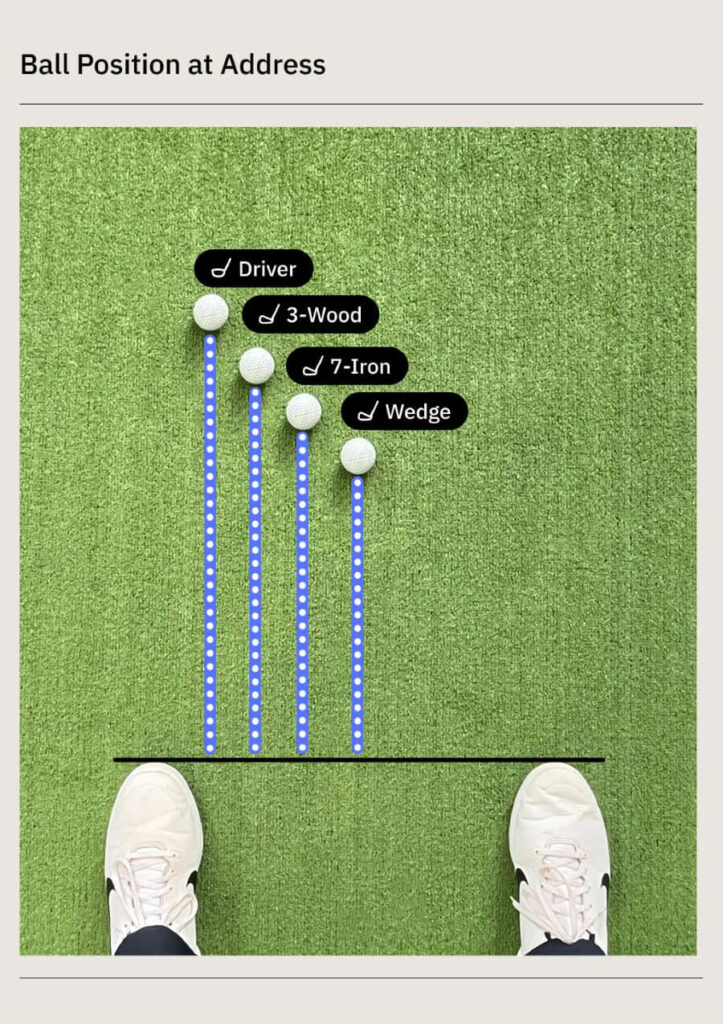
Credit: hackmotion.com
Frequently Asked Questions
How To Hit Ball First Then Divot?
Shift weight to your lead foot and keep your head behind the ball. Lead with your hands and strike down, hitting the ball first, then the turf. Practice with drills like the tee or divot board to ensure correct contact and divot placement.
How To Hit The Ball First Every Time?
Shift your weight forward and keep your head behind the ball. Lead with your hands to strike down on the ball first. Focus on hitting down, not lifting. Use drills like the tee drill or divot board drill to practice hitting the ball before the turf.
What Is The 70/30 Rule In Golf?
The 70/30 rule in golf means placing 70% of your weight on your front foot and 30% on your back foot during impact. This weight distribution helps you hit the ball first, then the turf, leading to better iron shots and consistent ball striking.
How To Hit Iron Pure Every Time?
Shift your weight forward and keep your head behind the ball. Lead with your hands, striking down and through the ball. Focus on hitting the ball first, then the turf. Practice drills like the tee drill to ensure clean, pure iron contact every time.
Conclusion
Hitting the ball first with irons takes practice and focus. Shift your weight forward and keep your hands ahead at impact. Keep your head behind the ball and strike down, not up. Use simple drills like the tee drill to build good habits.
Small changes can improve your ball contact and control. Practice regularly to feel the difference in your swing. Stay patient and enjoy your progress on the course.