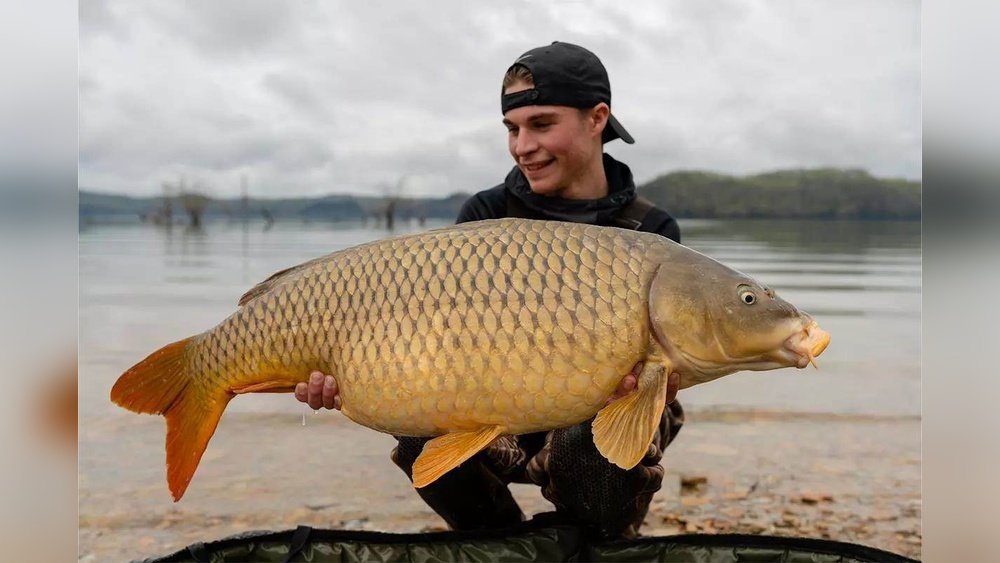
Carp fishing is always evolving. Anglers are constantly searching for new edges to improve their catch rates. Over the past decade, mussels have emerged as a secret weapon. Many experienced carp anglers now use mussels to outsmart big, wary fish. But why are mussels so effective, and how can you use them to your advantage? This article explores the science, practical tips, and expert insights on using mussels to elevate your carp fishing game.
Why Mussels Attract Carp
Carp are natural foragers. In lakes and rivers, they dig in the mud for food. One of their favorite snacks is the freshwater mussel. These small shellfish are rich in protein and natural oils. Carp often learn to search for them because they are easy to find and full of nutrients.
Research shows that carp can detect amino acids and scents in the water. Mussels release strong smells when crushed or opened, making them easy for carp to find. In fact, studies have revealed that carp will often pick a natural mussel over artificial baits if given the choice.
Anglers have noticed that using mussels can trigger bites even when carp ignore other baits. This is especially useful on pressured waters, where fish become wary of traditional boilies and pellets.
Types Of Mussels For Carp Fishing
Not all mussels are the same. Here are the main types you might use for carp fishing:
| Type | Where Found | Notes |
|---|---|---|
| Swan Mussel | Lakes, slow rivers | Common in UK and Europe; large size |
| Zebra Mussel | Many freshwater lakes | Smaller, often abundant |
| Green-lipped Mussel | Commercially prepared | Sold as extracts or powders |
| Frozen or Cooked Mussels | Supermarkets or bait shops | Easy to store, consistent size |
Swan mussels are often found naturally in carp lakes. Some fisheries even have rules against using them, so always check local guidelines. Frozen or cooked mussels are safer and widely available. They are easy to hook and have a strong scent.
Credit: www.gameandfishmag.com
How To Prepare Mussels For Carp Fishing
Using mussels is not as simple as throwing them on a hook. Preparation can make a big difference in your success. Here’s how you can get the most out of them:
- Frozen Mussels: Thaw before use. Some anglers soak them in fish oil or flavored dips to boost attraction.
- Fresh Mussels: Crack open the shell. Use only the soft flesh—avoid sharp shell fragments that might harm fish.
- Cooked Mussels: These are softer and less likely to fall off the hook. They also leak scent quickly.
- Mussel Extracts: Sprinkle powder on your bait or mix with groundbait for extra pulling power.
A practical tip: use mussels together with other natural baits, like worms or sweetcorn, for a “cocktail” effect. This can sometimes tempt even the most cautious carp.
Best Ways To Present Mussels On The Hook
Getting your presentation right is crucial. Mussels are soft and can fall off easily if not hooked correctly. Here are some effective ways to present them:
Hair Rigging
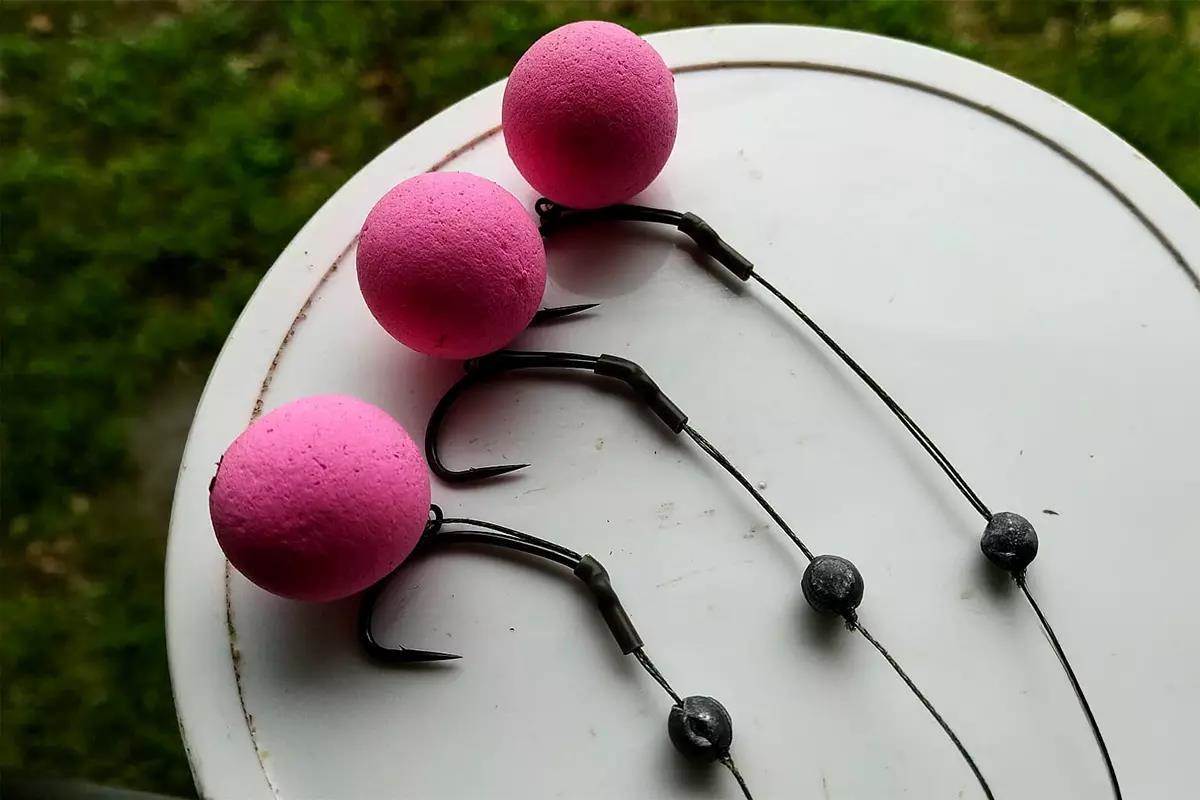
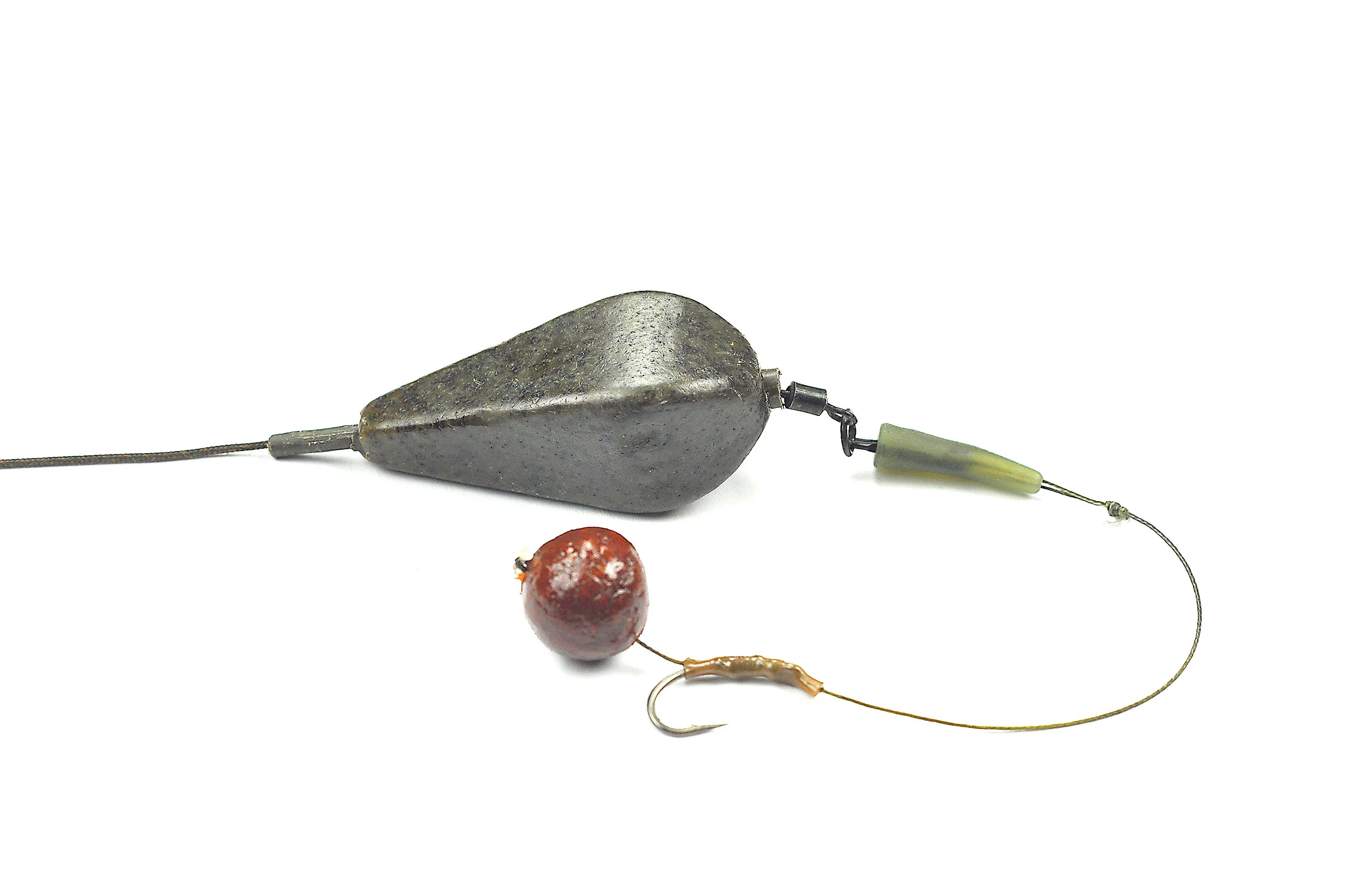
The hair rig is popular because it lets the bait move naturally. Pierce the mussel with a baiting needle and slide it onto the hair. Use bait stops to secure it.
Banding
For smaller mussels or pieces, use a bait band. This helps hold the mussel tight against the hook shank and stops it from flying off during casting.
Mesh Bags
PVA mesh bags can hold chopped mussel pieces. This keeps bait near the hook and adds a scent trail as the bag melts.
Double Bait
Try threading a mussel and a boilie on the same hair. This gives the carp a familiar scent plus the attraction of the mussel.
Tactics For Different Waters
Every lake is unique. Here’s how to adapt mussel tactics for different fishing spots:
Stillwaters
On big lakes, pre-bait with chopped mussels in your swim. This can attract carp from a distance. Use a handful of mussels mixed with hemp and corn for the best effect.
Rivers
Cast mussels near features like snags, gravel bars, or under overhanging trees. River carp are used to natural food, so mussels often work better than boilies.
Weedy Lakes
Mussels are a natural food in weedy lakes. Look for clear spots in the weed. Drop a mussel bait here, and carp will often find it quickly.
Pressured Waters
On lakes with smart, cautious fish, using a single mussel or a small piece can make your presentation stand out. Avoid overfeeding—just one or two baits can be enough.
Advantages Of Using Mussels Over Other Baits
Carp anglers have many choices: boilies, pellets, corn, and more. Here’s how mussels stack up:
| Bait Type | Natural Attraction | Durability | Cost |
|---|---|---|---|
| Mussels | Very High | Low-Medium | Medium |
| Boilies | Medium | High | Medium-High |
| Pellets | Medium | High | Low |
| Sweetcorn | Medium | Low | Low |
Non-obvious insight: Mussels can also “match the hatch”—carp are used to eating them naturally, so the bait feels safe. Plus, in cold water, the oils from mussels spread faster than artificial flavors, which can give you an edge in winter.
Credit: goofishrod.com
Common Mistakes When Using Mussels
Even experienced anglers can make errors with mussel baits. Avoid these pitfalls:
- Using old or spoiled mussels: Freshness is key. Spoiled mussels lose their scent and can even scare fish away.
- Overfeeding: Mussels are rich. Too many can fill up carp quickly, reducing the chance they take your hook bait.
- Poor hooking: Mussels are soft. If not rigged securely, they fall off during casting or when small fish nibble.
- Ignoring local rules: Some lakes ban natural baits like mussels. Always check before fishing.
Pro tip: Freeze leftover mussels in small batches. Thaw only what you need for each session. This keeps your bait fresh and saves money.
Seasonality: When Are Mussels Most Effective?
Mussels work year-round, but some seasons are better than others.
- Spring: Carp are active after winter. Mussels provide needed protein and energy. Try using them as soon as water temperatures rise above 50°F (10°C).
- Summer: Mussels shine when carp feed in shallow areas. They can out-fish boilies during warm spells.
- Autumn: As carp prepare for winter, they bulk up on natural foods. Mussels are perfect in late September and October.
- Winter: Mussels can be less effective when fish are sluggish, but a single, scented bait can still tempt a big carp. Use small pieces and fish slowly.
Expert insight: On waters with lots of natural mussels, carp will recognize and seek out your bait even in colder months.
Credit: americancarpsociety.com
Creating Mussel-based Groundbait And Spods
To draw carp into your swim, use mussel-based groundbait or spod mixes. Here’s a simple, effective recipe:
- 1 pound chopped mussels (fresh or frozen)
- 2 cups hempseed
- 1 can sweetcorn
- 2 tablespoons mussel extract or powder
- 1 cup micro pellets
Mix all ingredients. Soak in lake water for 10 minutes before use. This blend creates a strong scent trail and keeps carp feeding near your hook.
You can also use crushed mussel shells for extra crunch—just be careful that no sharp pieces are left near the hook.
Legal And Environmental Considerations
While mussels are natural, their use is not always allowed everywhere. Some fisheries ban them to protect native species or water quality. Before using mussels:
- Check the rules of your chosen venue.
- Avoid introducing non-native mussels to new waters.
- Use only store-bought or frozen mussels if you are unsure of local wildlife.
For more information on responsible fishing and invasive species, see the US Fish and Wildlife Service.
Real-world Success Stories
Many carp anglers have their own “PB” (personal best) story involving mussels. For example, in 2022, UK angler Simon Dale landed a 46-pound mirror carp on a single frozen mussel at a pressured syndicate lake. He credits the natural scent and careful presentation for his success.
In Europe, some lakes with high populations of zebra mussels have seen a shift—carp now ignore boilies during certain times, preferring to root for natural shellfish. Local guides often advise visitors to “match the hatch” with fresh mussels for the biggest fish.
Mussels Vs. Other Natural Baits
How do mussels compare with other natural options like worms, snails, or crayfish? Here’s a quick look:
| Bait | Attraction | Ease of Use | Best For |
|---|---|---|---|
| Mussels | High | Medium | Large, wary carp |
| Worms | Very High | Easy | All sizes, especially in rivers |
| Snails | Medium | Medium | Clear, weedy lakes |
| Crayfish | High | Hard | Big carp, specialist waters |
Non-obvious insight: Mussels are less likely to attract nuisance species like bream or tench, which can be a problem with worms or sweetcorn.
Final Thoughts
Mussels are not a magic bullet, but they offer a real edge—especially on pressured waters or lakes full of natural shellfish. Their rich scent, high protein content, and “match the hatch” appeal make them a top choice for ambitious carp anglers.
Preparation, presentation, and timing are key. With the right tactics, you may just land your next personal best carp using this humble shellfish.
Frequently Asked Questions
Are Mussels Safe For Carp And The Environment?
When used responsibly, mussels are safe for carp. Always use fresh or frozen mussels and avoid introducing non-native species. Check with your local fishery for rules before using them.
What Is The Best Way To Keep Mussels Fresh For Fishing?
Keep mussels in a cool box or on ice while fishing. For longer storage, freeze in small portions. Thaw only what you need for the session to avoid waste.
Can I Use Supermarket Mussels For Carp Fishing?
Yes, supermarket mussels (fresh or frozen) are effective. Rinse well to remove preservatives or salt, and check that they are not flavored with strong spices.
Do Mussels Work Better Than Boilies?
On waters with natural mussels, they often out-fish boilies. However, results depend on the lake and how cautious the carp are. Try both and see what works best for your spot.
Is It Allowed To Collect Wild Mussels From The Lake?
This depends on local laws and fishery rules. Some places ban collecting wild mussels to protect native populations. Always ask the fishery manager first.