Are Argos Good For Ice Fishing?
For many anglers, ice fishing is more than just a hobby—it’s a winter adventure. But tackling frozen lakes and deep snow isn’t easy. You need the right gear, especially a reliable way to move across ice and slush. That’s where the Argo amphibious vehicle often comes up. With their unique design, Argos promise to handle both land and water, but are they really a smart choice for ice fishing?
This article explores whether Argos live up to the hype. We’ll look at real-world performance, safety, costs, and what you should know before choosing one for your next ice fishing trip. If you’re thinking about buying, renting, or just curious, you’ll find practical advice and up-to-date insights below.
What Is An Argo And How Does It Work?
An Argo is an amphibious utility vehicle built to travel over rough ground, snow, mud, and even water. Unlike typical ATVs or snowmobiles, Argos have 6 or 8 wide wheels (or tracks) and a simple, rugged design. These vehicles are popular in remote areas, search and rescue operations, and increasingly, among ice fishers.
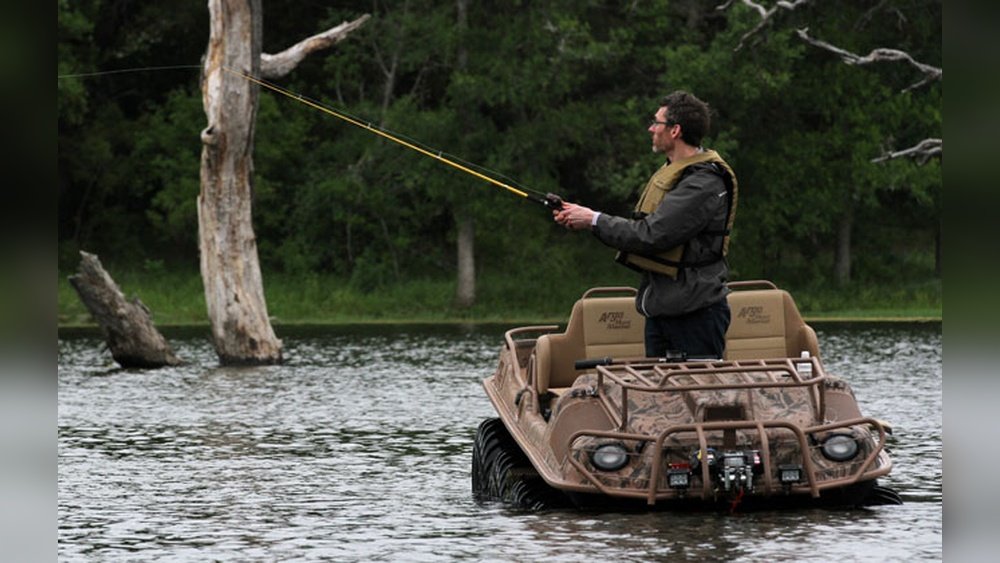
Most Argos use a strong steel frame and a polyethylene body. Their engines are usually between 23 to 40 horsepower, with enough torque to carry heavy loads. One unique feature: Argos can float and paddle slowly on water, using their wheels like paddles. This means if ice breaks, the vehicle won’t sink right away—an important safety point for ice fishing.
Why Anglers Choose Argos For Ice Fishing
Go Anywhere Capability
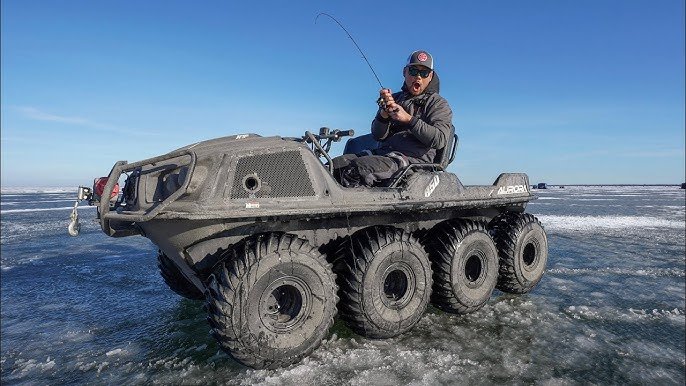
Argos are famous for going where other vehicles cannot. They can cross snow, slush, broken ice, or even shallow water. Because of their low ground pressure, Argos don’t sink into deep snow or slush as easily as heavier vehicles. This is a huge advantage when ice conditions change during the season.
Carrying Capacity
Serious ice fishing often means hauling a lot of gear—augers, shelters, heaters, bait, and even friends. Argos can carry 800 to 1,500 pounds (depending on the model). That’s enough for a full day on the ice, plus the fish you bring home.
Safety On Thin Ice
One of the biggest risks in ice fishing is falling through weak ice. While no vehicle is 100% safe, Argos are designed to float if the ice gives way. This can give you valuable time to get to safety, instead of facing immediate danger.
Versatility
Argos aren’t just for ice. They’re equally useful for hunting, trail work, or summer fishing. This all-season value is a big reason why some anglers choose Argos over snowmobiles or UTVs.
Credit: www.in-fisherman.com
Argo Vs. Other Ice Fishing Vehicles
To see how Argos compare, let’s look at them side by side with other popular choices: snowmobiles, ATVs/UTVs, and tracked vehicles.
| Feature | Argo | Snowmobile | ATV/UTV | Tracked Vehicle |
|---|---|---|---|---|
| Floatation on Water | Yes | No | No | Varies |
| Load Capacity (lbs) | 800–1,500 | 350–600 | 400–1,200 | 1,000–2,000 |
| Seating | Up to 6 | 1–2 | 2–4 | 2–6 |
| All-Season Use | Yes | No | Yes | Yes |
| Price Range (USD) | $18,000–$35,000 | $8,000–$20,000 | $7,000–$25,000 | $30,000–$100,000 |
| Speed (mph) | 20–25 | 70–100 | 40–65 | 15–30 |
| Licensing Needed | Varies | Yes | Yes | Yes |
Argos win in floatation and versatility but lag behind in speed. Snowmobiles are faster and lighter but cannot float. ATVs can carry a lot but are risky on thin ice. Tracked vehicles are the most capable but are expensive and harder to transport.
Real-world Performance On The Ice
Traction And Handling
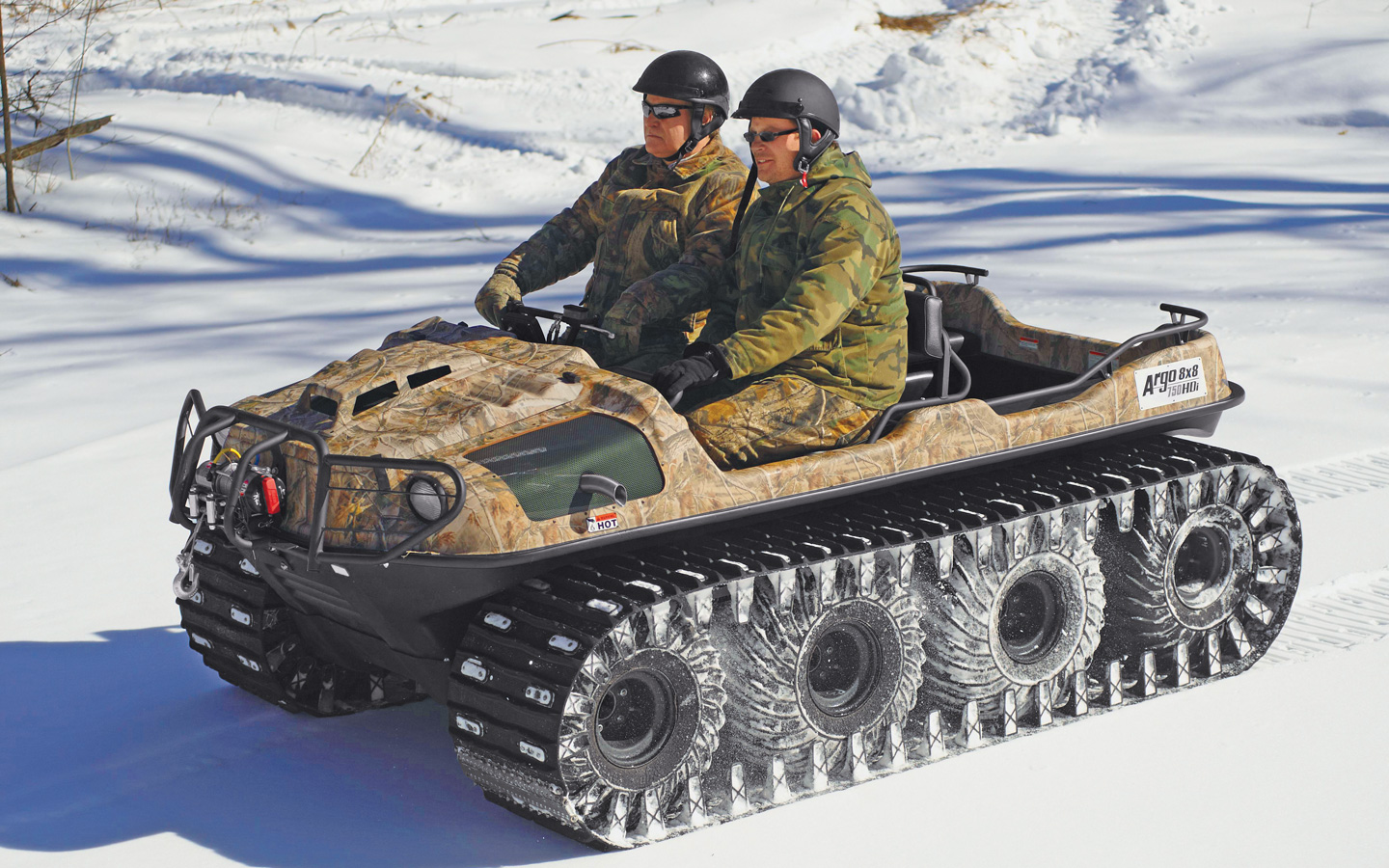
Argos have wide tires that grip snow and ice well, especially with optional tracks. Most owners say that tracks greatly improve traction and reduce the chance of getting stuck. However, Argos do not handle as sharply as snowmobiles. Turning can be slow, especially on bare ice.
Crossing Slush And Water
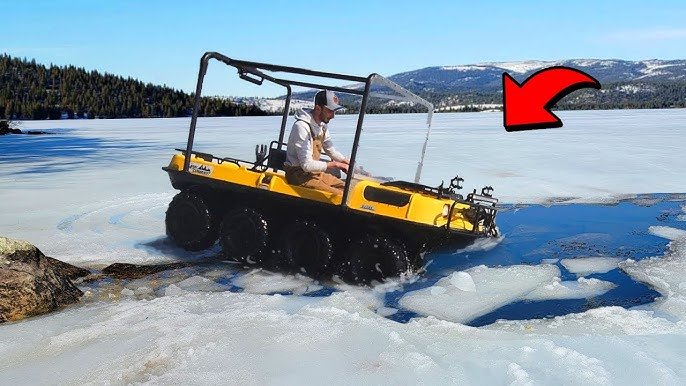
Argos shine when moving over slushy patches or shallow water. Many anglers share stories of crossing areas where snowmobiles would bog down or ATVs would break through. The ability to float is real, but it’s important to know that Argos move slowly in water—usually less than 3 mph.
This is enough to get you out of trouble, not to travel long distances.
Cold Weather Reliability
Modern Argos start reliably in cold weather, especially with fuel injection. But like all engines, they need proper maintenance. Battery heaters and fuel stabilizers can help prevent common winter problems. Older carbureted models may be harder to start below -20°F.
Hauling Shelters And Gear
Many ice fishers use Argos to pull portable ice shacks or sleds. With their high torque and low gearing, Argos can pull large loads across snow without much trouble. Unlike a snowmobile, you can transport several people and a lot of gear in one trip.
Credit: www.youtube.com
Safety Considerations
Ice Thickness
Even though Argos can float, you should never drive on unsafe ice. Experts recommend at least 8 inches of clear ice for vehicles like Argos. Thin or rotten ice is always risky, and floatation is not a guarantee of safety.
Emergency Escape
If an Argo breaks through the ice, it stays afloat long enough for passengers to exit. Most models have a low center of gravity, making tipping unlikely. Still, always wear a life vest and carry ice picks in risky conditions.
Weight Distribution
Argos distribute weight evenly thanks to multiple wheels. This reduces the chance of breaking through weak spots compared to heavier trucks or SUVs. Still, loaded Argos can weigh over 2,000 pounds, so check ice conditions carefully.
Common Mistakes
Many new users overestimate the Argo’s floatation. It will not “drive” on open water like a boat. Getting stuck in deep slush is possible if you stop or spin the wheels too much. Always plan your route and avoid areas with known hazards.
Maintenance And Operating Costs
Argos are more complex than snowmobiles or ATVs. They have more moving parts—chains, bearings, axles—that need regular attention.
Basic Maintenance Tasks
- Check and lubricate chains and bearings every 25–50 hours.
- Inspect tires for leaks or damage.
- Change engine oil and air filters as recommended.
- Wash off salt and slush after every trip to prevent corrosion.
Operating Costs
Argos use more fuel than a snowmobile, especially when using tracks. Expect 7–10 mpg on average. Replacement parts can be expensive due to the unique design. Regular maintenance is key for safe operation.
Resale Value
Argos hold their value well if maintained. Older models from the 1990s still sell for several thousand dollars. However, neglect can lead to costly repairs.
When Is An Argo The Best Choice?
Choosing an Argo makes sense if you:
- Fish on lakes with changing ice conditions or slushy areas.
- Need to carry several people and a lot of equipment.
- Want one vehicle for all seasons.
- Value extra safety in case of thin ice.
On the other hand, a snowmobile or ATV may be better if you:
- Only fish on thick ice.
- Need high speed to cover long distances.
- Have a tight budget.
Example: A Day On The Ice With An Argo
Imagine you and two friends head out before sunrise. The lake has a foot of snow with patches of slush near the shore. You load your auger, heated shack, and bait into the Argo. As you cross the slushy area, the wheels keep you moving, while lighter snowmobiles get stuck.
Later, you drill holes far from shore and pull out your gear. If a snowstorm hits, you’re able to drive back safely—no worry about getting stranded on weak ice. That’s the kind of peace of mind many ice anglers want.
Owner Reviews And User Insights
Most Argo owners are happy with their choice, but mention a few surprises:
- Turning on ice can be tricky without tracks. Many recommend adding tracks for better grip.
- Maintenance is more involved than with a snowmobile.
- Argos are not fast—plan for 20 mph at most, even on flat ice.
- The vehicle is noisy compared to a snowmobile, which might matter if you value quiet trips.
One owner summed it up: “The Argo isn’t flashy, but it gets me there, keeps me safe, and hauls everything I need. That’s worth a lot on a tough winter day.”
Cost Comparison: Argo Vs. Other Vehicles
Here’s a look at estimated costs (purchase, basic maintenance, and fuel per year) for ice fishing vehicles:
| Vehicle Type | Purchase Price (USD) | Annual Maintenance (USD) | Fuel Cost (USD) |
|---|---|---|---|
| Argo | $18,000–$35,000 | $500–$900 | $300–$600 |
| Snowmobile | $8,000–$20,000 | $200–$500 | $200–$400 |
| ATV/UTV | $7,000–$25,000 | $300–$600 | $250–$500 |
While Argos cost more up front, their unique capabilities and safety features may justify the price for serious anglers.
Two Insights Most Beginners Miss
- Tracks Change Everything: Many new owners skip tracks to save money, but tracks dramatically improve traction, reduce rutting, and lower the risk of getting stuck. They’re a must if you plan to drive over deep snow or mixed terrain.
- Weight Adds Up Fast: It’s easy to overload the Argo, especially with shelters and friends. Always check your total weight—including passengers and gear—before heading out. Overloading increases the risk on thin ice and can damage the vehicle.
Should You Rent Or Buy An Argo?
If you’re new to Argos, renting is a smart first step. Many outdoor shops near large lakes offer daily or weekend rentals. This lets you test the vehicle in real conditions before making a big investment. Some owners also share that buying used can save thousands, but always check for maintenance records.
Where To Learn More
For those looking to dive deeper, the official Argo website offers detailed specs, owner forums, and real-world stories. You can find more at Argo XTV.
The Bottom Line
Are Argos good for ice fishing? For many anglers, the answer is yes—especially if you value safety, carrying capacity, and all-season use. They handle tough conditions and provide peace of mind on unpredictable ice. However, they are not perfect: slower speeds, higher costs, and regular maintenance are the trade-offs.
If you fish remote lakes or want the safest, most flexible ride, an Argo is hard to beat. For casual trips on thick, clear ice, a snowmobile or ATV may be enough. The choice depends on your fishing style, budget, and the conditions you face.
Credit: www.youtube.com
Frequently Asked Questions
How Thick Should Ice Be For An Argo?
It’s safest to have at least 8 inches of clear, solid ice before driving an Argo. Always check ice conditions as thickness can vary.
Can Argos Drive On Open Water?
Argos can float and move slowly on water, but they are not boats. They’re designed to get you back to ice or land, not for long-distance water travel.
Do I Need Tracks For Ice Fishing With An Argo?
Tracks are highly recommended. They improve traction, reduce the risk of getting stuck, and help distribute weight more evenly on snow and slush.
How Many People Can An Argo Carry?
Most Argos can carry 4 to 6 people, depending on the model and how much gear you bring. Always check the weight limit before loading up.
Are Argos Hard To Maintain?
Argos need more maintenance than a snowmobile or ATV due to their complex drive system. Regular lubrication, inspection, and cleaning are essential for safe, long-term use.