Have you ever wondered if baseball can really be played in the rain? Maybe you’ve been caught at a game when the skies opened up, and you asked yourself, “Will they stop playing or keep going?” You’re not alone.
Rain changes everything on the field—from how the ball moves to how players grip their bats. But does it always mean the game is over? You’ll discover the surprising truth about playing baseball in wet weather, the rules that decide when play pauses, and how players adapt when the rain starts falling.
Keep reading to find out what really happens when baseball meets the rain—and what it means for you as a fan or player.
Rain And Baseball Rules
Rain affects baseball in many ways. The rules guide what happens during wet weather. Umpires and officials decide if play continues, delays, or stops. Safety and fairness are key concerns. Understanding these rules helps fans and players know what to expect.
When Games Continue
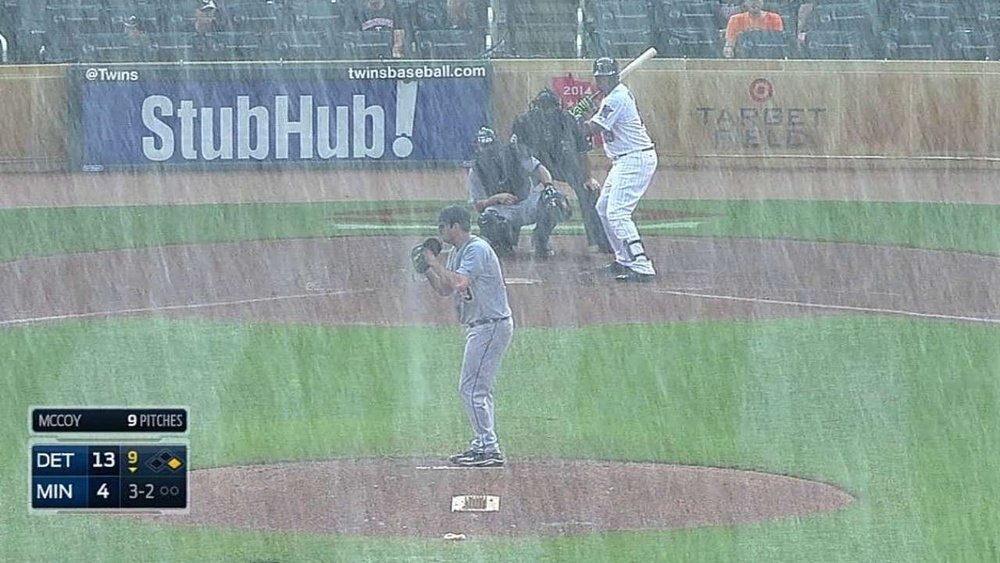
Baseball games often go on during light rain. Players keep playing if the field is safe and dry. Umpires watch the weather closely. They check if the ball and field are playable. Small drops or drizzles usually do not stop the game. Teams adjust to slippery conditions and wet equipment.
Conditions For Delays
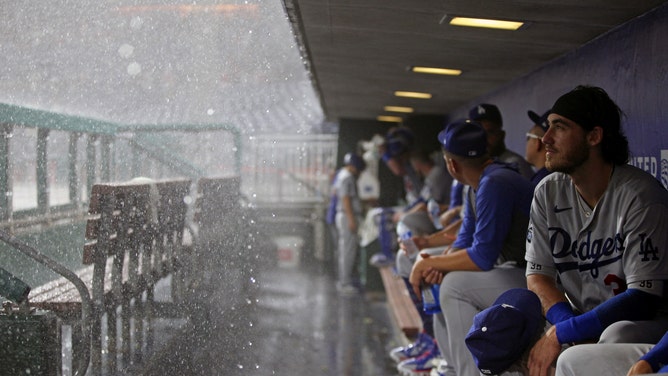
Heavy rain or standing water can cause delays. Umpires pause the game to protect players and the field. Delays can last minutes or even hours. Officials wait for the rain to slow or stop. During delays, players stay ready on the field or in the dugout. The goal is to resume play as soon as possible.
Official Rainouts
When rain makes the field unsafe, umpires call a rainout. The game stops and may be rescheduled later. A rainout usually happens if the game has not reached five innings. Sometimes, a game is official if enough innings are played. Rainouts protect players from injury and keep the game fair. Fans often get tickets for the rescheduled game.
Playing Challenges In Rain
Playing baseball in the rain presents many challenges that affect the flow and safety of the game. Rain changes the way players handle the ball and move around the field. It can also reduce visibility and increase the risk of injuries. Understanding these challenges helps explain why games are often delayed or paused during wet weather.
Ball Grip And Control
Rain makes the baseball slippery and hard to hold. Pitchers struggle to grip the ball, causing less control and accuracy. Fielders also find it difficult to catch or throw the wet ball. Batters may have trouble holding the bat firmly, which affects their swing power. These grip issues slow down the game and increase errors.
Field Visibility Issues
Rain reduces visibility on the field. Water droplets blur players’ vision and make it hard to see the ball clearly. Overcast skies and poor lighting add to the problem. Outfielders have a tough time tracking fly balls. Even the base paths can become hard to see, risking wrong calls or missed plays.
Player Safety Concerns
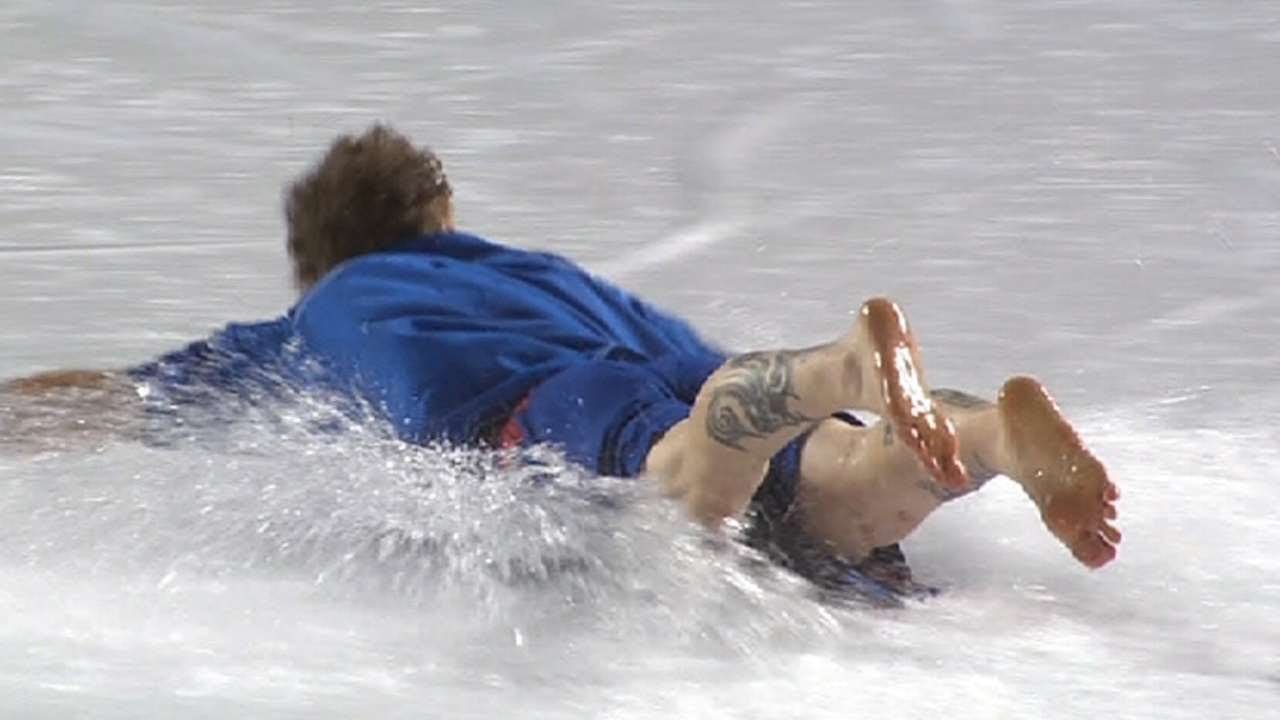
Wet conditions increase the chance of slipping and falling. Players can injure themselves on slick grass or muddy spots. Running and quick movements become risky in the rain. Sliding into bases may cause more harm on a wet surface. Umpires and coaches often stop the game to protect players’ safety.
Equipment Tips For Rainy Games
Playing baseball in the rain demands some smart equipment choices. Wet conditions affect how gear performs. Preparing your equipment helps keep the game safe and fun. Here are key tips to consider for rainy games.
Protecting The Ball
Keep the baseball dry to maintain grip and control. Use a waterproof ball bag or cover the ball with a plastic wrap when not in use. During play, dry the ball often with a towel. A wet ball can slip and change the pitch’s speed and direction.
Bat And Glove Handling
Choose bats with a good grip. Tape the handle with a sticky grip tape to prevent slipping. For gloves, apply a water-resistant treatment before the game. Wipe gloves regularly to avoid water buildup. Wet gloves can reduce catching ability and cause discomfort.
Footwear Choices
Wear cleats with good traction to avoid slipping on wet ground. Rubber or metal spikes provide better grip on muddy fields. Make sure your shoes are waterproof or water-resistant. Dry shoes between innings to keep your feet comfortable and prevent blisters.
Credit: www.youtube.com
Strategies For Teams In Wet Weather
Playing baseball in wet weather needs special strategies. Teams must adapt to stay safe and competitive. Rain makes the field slippery and the ball hard to control. Teams that prepare well can handle these challenges better.
Adjusting Pitching Techniques
Pitchers must change their grip in wet weather. A wet ball can slip, causing wild throws. Using a dry towel to keep hands and ball dry helps. Pitchers throw slower pitches to keep control. They focus on accuracy instead of speed.
Fielding In Slippery Conditions
Fielders need to watch their footing carefully. Running and changing direction becomes harder on wet grass. Players use cleats with better traction to avoid slipping. They also crouch lower to stay balanced when catching. Quick, sure hands help prevent errors with a wet ball.
Communication On The Field
Talking becomes very important in rain. Players call out loudly to avoid confusion. Clear signals prevent collisions and mistakes. Catchers and infielders guide each other constantly. Good teamwork helps the team stay focused and organized.
Impact On Game Play
Rain affects baseball games in many ways. It changes how players perform and how the game flows. Wet conditions make the field slippery and the ball slick. This impacts hitting, running, and umpiring decisions.
Players and officials must adapt quickly. Safety becomes a concern, and strategies often shift. The following sections explain the main effects rain has on gameplay.
Effect On Hitting
Rain makes the ball wet and slippery. Batters find it harder to grip the bat firmly. This reduces control and power during swings. The ball may not travel as far after contact. Pitchers also struggle to throw accurate pitches. Overall, hitting becomes less consistent and more challenging.
Base Running Risks
Wet bases and grass cause runners to slip more easily. Sliding into bases can be dangerous on slick surfaces. Players risk injuries like sprains or bruises. Fielders may have difficulty catching or throwing the ball. Base runners must be more cautious, which slows the game pace.
Umpiring Challenges
Rain limits umpires’ visibility and mobility. It is harder to see the ball clearly. Making accurate calls on close plays becomes tough. Wet conditions can cause equipment malfunctions, like fogged masks. Umpires must stay alert and adjust positioning to maintain fairness.
Credit: www.foxweather.com
Weather Monitoring And Decision Making
Weather monitoring plays a critical role in baseball, especially when rain clouds gather. The decision to continue or stop the game depends on careful observation of weather conditions. Teams and officials need clear guidelines to ensure player safety and fair play. Technology and human judgment work together to make these calls quickly and accurately.
Role Of Umpires
Umpires watch the sky and field closely during rain. They decide if the rain is light enough to keep playing. If the rain worsens or the field becomes unsafe, they pause or stop the game. Their decisions protect players from injury and keep the game fair. Umpires communicate clearly with teams about delays or cancellations.
Team And League Policies
Teams and leagues set rules for playing in rain. These rules define when to delay or cancel games. Light rain usually allows play to continue. Heavy rain or standing water often means the game must stop. Policies vary by league but always focus on safety and fairness. Teams must follow these rules strictly to avoid confusion.
Use Of Weather Technology
Modern weather technology helps make better decisions during rain. Radar and weather apps track storms near the stadium. Officials use this data to predict rain intensity and duration. Real-time weather updates allow quick responses to changing conditions. Technology supports umpires and teams in managing rain delays effectively.
Historical Rain-related Baseball Moments
Rain has always played a dramatic role in baseball history. It has caused delays, cancellations, and even thrilling moments of perseverance. These events show how rain can change the course of a game and create lasting memories for fans and players alike.
Baseball’s relationship with rain is complex. Sometimes the skies clear quickly, and the game resumes. Other times, the weather forces a full stop. Exploring these historical rain-related moments reveals the sport’s resilience and unpredictability.
Famous Rain Delays
One of the most famous rain delays occurred during the 1986 World Series. Game 6 was paused for over an hour due to heavy rain. The delay gave the New York Mets time to regroup and make a stunning comeback. Rain delays like this often shift momentum in unexpected ways.
Another notable rain delay happened in 2014 during a regular-season game between the Chicago Cubs and the Milwaukee Brewers. The delay lasted nearly three hours. Fans stayed patient, and the game continued after the storm passed. Such delays test the endurance of players and spectators.
Memorable Rainouts
Rainouts have canceled many important games over the years. The 1995 ALDS Game 5 between the Mariners and Yankees was postponed due to rain. This delay changed the schedule and affected team strategies. Rainouts force teams to adjust quickly and can disrupt rhythm.
In 2003, a rainout during the World Series Game 3 between the Marlins and Yankees caused a rare schedule shift. The delay added tension and suspense to the series. Rainouts are frustrating but part of baseball’s charm and challenge.
Games Played Through Storms
Some games pushed through rain and storms, creating unforgettable scenes. In 1914, the Boston Braves played through a heavy downpour to complete a crucial game. Players battled slippery fields and wet balls to finish the match.
More recently, in 2017, the Cleveland Indians continued playing during a thunderstorm. The game paused briefly for lightning but resumed despite ongoing rain. These moments show the toughness and passion of baseball players under tough conditions.
Credit: baseballmode.com
Frequently Asked Questions
Can You Still Play Baseball In The Rain?
Baseball can be played in light to moderate rain, but heavy rain or standing water stops play. Umpires delay or suspend games for safety and field conditions.
How Much Rain Does It Take To Cancel A Baseball Game?
Baseball games continue in light to moderate rain. Heavy rain or standing water on the field causes delays or cancellations. Umpires decide based on safety and field conditions.
What Is The Rain Rule In Baseball?
The rain rule in baseball allows play during light rain but stops the game if rain is heavy or the field is unsafe.
Is It Harder To Hit A Homerun In The Rain?
Yes, hitting a home run in the rain is harder. Wet conditions reduce grip and ball speed, affecting swing power and control.
Conclusion
Baseball can be played in light or moderate rain. Players and umpires watch for safety and field conditions. Heavy rain or standing water stops the game. Wet balls and slippery fields make playing risky. Delays happen to keep players safe and fair.
Games often resume once the rain stops. Fans and players wait patiently for clear skies. Rain adds challenges but does not always end play. The sport adapts to weather but values safety first.