
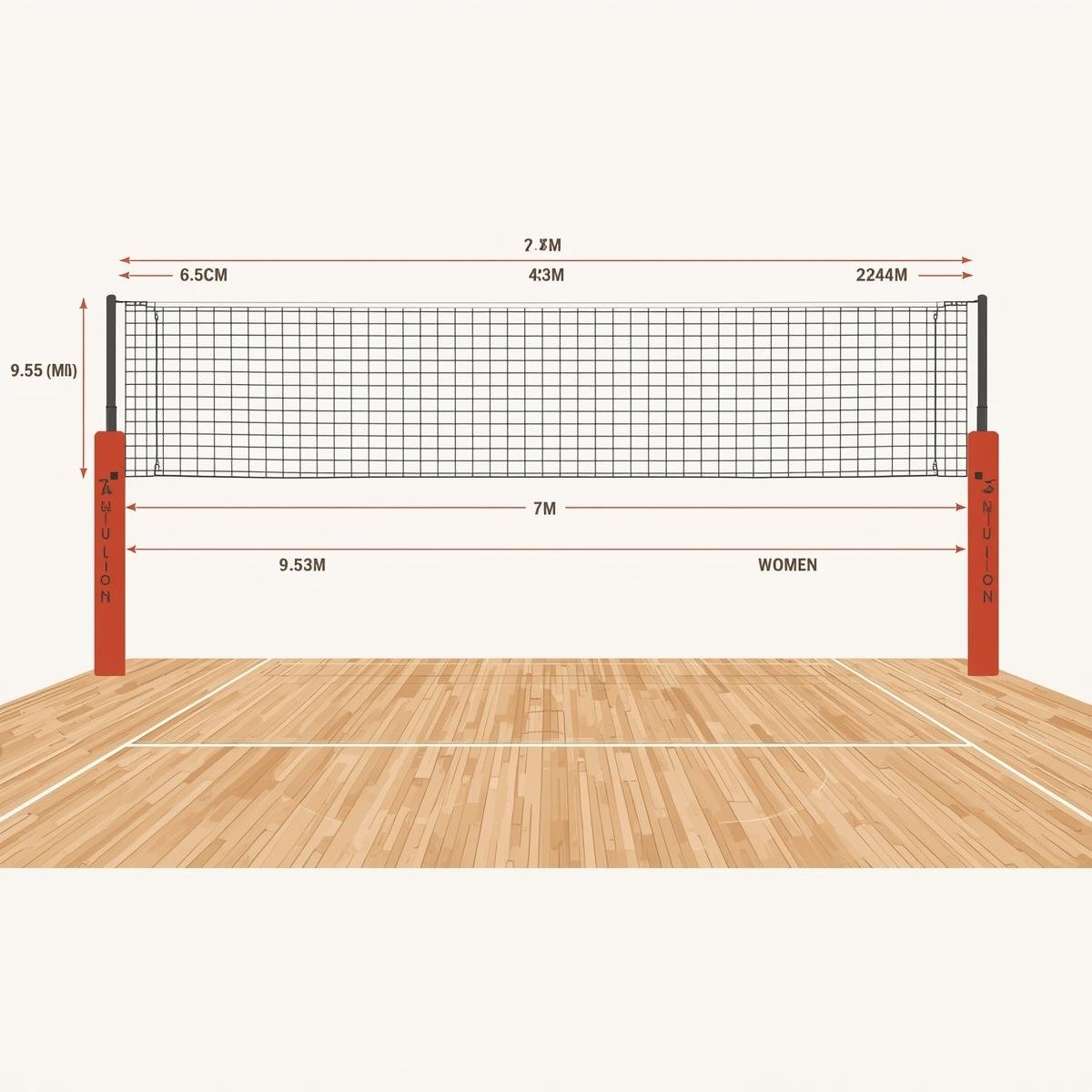
Are you curious about the exact height of a volleyball net in feet? Whether you’re a player, coach, or just getting started, knowing the correct net height is crucial for improving your game and following official rules.
The right net height can make all the difference in your serves, spikes, and blocks. You’ll discover the standard volleyball net heights for different levels—from youth leagues to professional play—and why these measurements matter. Keep reading to learn how to set up your net perfectly and boost your performance on the court!
Regulation Net Heights
Volleyball net height plays a crucial role in the sport’s play and fairness. Different categories have specific standards to ensure balanced competition. These regulation heights help players train and compete under consistent conditions. Understanding these heights aids coaches, players, and organizers.
Men’s Volleyball Net Height
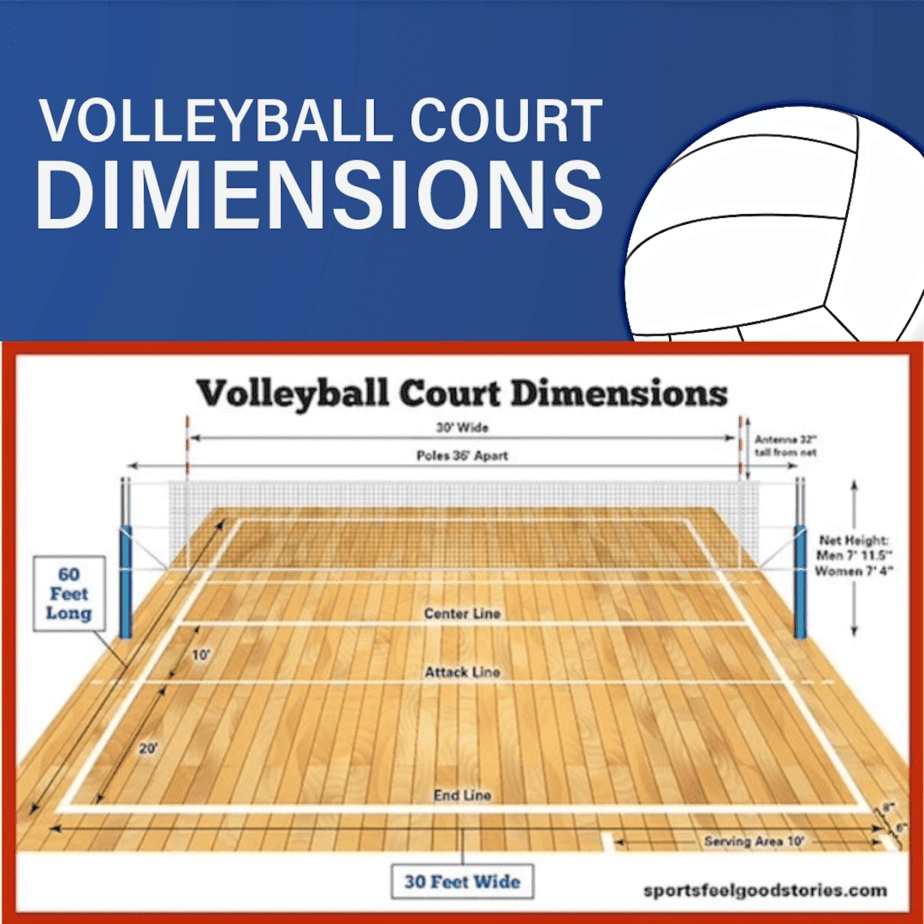
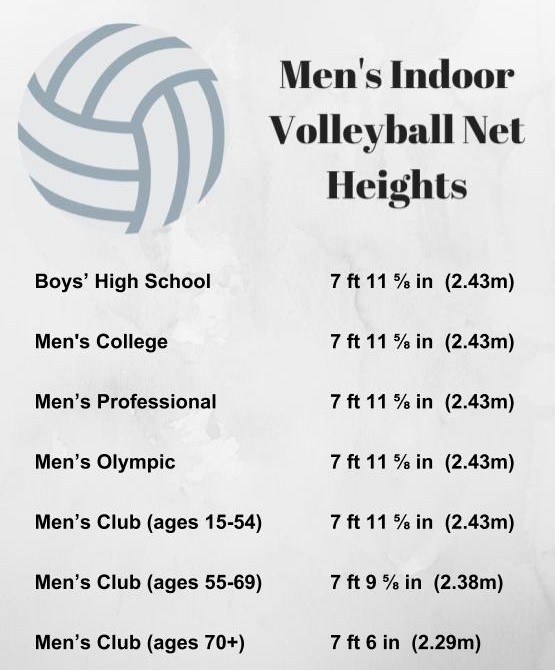
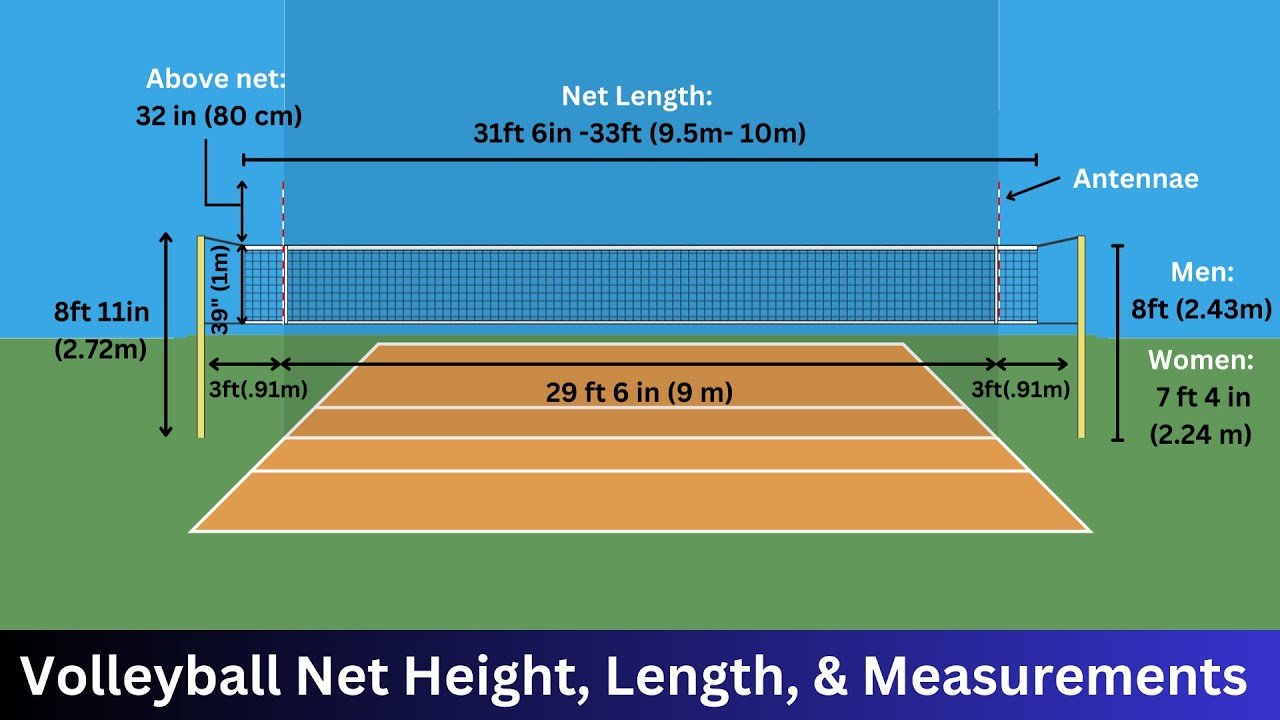
The official net height for men’s volleyball is 7 feet 11 5/8 inches. This height challenges players to develop strong jumping and hitting skills. It applies to indoor and most outdoor men’s competitions. Maintaining this standard height ensures fair play across all levels.
Women’s Volleyball Net Height
The regulation net height for women’s volleyball is 7 feet 4 1/8 inches. This height suits the average reach and skill levels in women’s play. It allows for competitive rallies and exciting gameplay. The same height is used in both indoor and outdoor women’s matches.
Youth And Junior Net Heights
Youth volleyball uses lower net heights to match players’ developing skills. For ages 12 and under, the net is typically set at 6 feet 6 inches. Older juniors may play with nets at 7 feet or slightly higher. These adjustments help young players enjoy and learn the sport safely.
Co-ed Net Height Standards
Co-ed volleyball often follows the women’s net height of 7 feet 4 1/8 inches. Some leagues use a flexible height depending on skill or level. This standard promotes fairness between male and female players. It encourages teamwork and balanced competition in mixed teams.
Court Dimensions And Setup
The volleyball court setup plays a key role in the sport’s playability and fairness. Understanding the court dimensions helps players and organizers prepare the right environment. Each type of volleyball has specific court sizes and net setups. These differences affect how the game is played and enjoyed. Below is a clear breakdown of the main court dimensions and net measurements.
Indoor Court Size
An indoor volleyball court measures 59 feet long and 29.5 feet wide. The court is divided by a center line. This line marks the net’s position. The playing area is surrounded by a free zone at least 10 feet wide. This zone allows players space to move safely around the court. The ceiling height should be at least 23 feet to avoid interference with the ball.
Beach Volleyball Court Size
The beach volleyball court is smaller than the indoor court. It measures 52.5 feet long and 26.25 feet wide. The sand surface requires more effort to move, so the size is reduced. Like indoor courts, the beach court has a free zone around it. This zone is at least 10 feet wide. No permanent obstacles should be within this zone to ensure safety.
Net Length And Width
The volleyball net is 32 feet long. It stretches across the court’s width. The net height differs by gender and age groups. For adult men, the net height is 7 feet 11 5/8 inches. For adult women, it is 7 feet 4 1/8 inches. The net is 3 feet wide and made from durable mesh. It has a white band on the top and bottom edges for visibility.
Adjusting Net Height
Adjusting the volleyball net height is essential for fair play and safety. The net height changes depending on age group and competition level. Setting the correct height helps players practice proper skills and techniques. Checking and adjusting the net height regularly keeps the game smooth. Below are key points to help you adjust the net height accurately and easily.
Tools For Accurate Measurement
Use a tape measure to check the net height in feet. A measuring stick with marked feet and inches works well too. Some nets have built-in height markers on the poles. A level tool ensures the net is straight and even across the court. Always measure from the playing surface to the top edge of the net.
Common Mistakes To Avoid
Do not guess the height; always measure precisely. Avoid measuring from the wrong spot on the net or pole. Check for uneven ground that affects net height. Do not forget to tighten the net after adjustment. Avoid using damaged or worn-out tools for measurement.
Tips For Easy Adjustments
Adjust the net height slowly and carefully. Use the pole clamps or winches designed for your net. Have a partner help hold the net steady during adjustment. Mark the correct height on the pole for quick future setup. Regularly inspect and maintain the net and poles to ensure smooth changes.
Credit: www.sportsfeelgoodstories.com
Variations By Volleyball Type
The height of a volleyball net changes depending on the type of volleyball played. Different volleyball styles require specific net heights. These variations ensure fair play and suit player abilities. Understanding these differences helps players prepare better for each volleyball type.
Recreational Volleyball
Recreational volleyball nets are usually set lower than competitive levels. This makes the game easier and more fun for casual players. The typical net height for adults is about 7 feet 4 inches. For children, nets can be adjusted even lower to match their skill and height.
Competitive Volleyball
Competitive volleyball follows strict net height rules. For men’s volleyball, the net height is 7 feet 11 5/8 inches. Women’s volleyball nets are set at 7 feet 4 1/8 inches. These heights are standard in high school, college, and professional play. They challenge players to use skill and athleticism.
Beach Volleyball Differences
Beach volleyball net heights are slightly different from indoor volleyball. Men’s beach nets are set at 7 feet 11 5/8 inches, same as indoor men’s nets. Women’s beach nets are also 7 feet 4 1/8 inches. The outdoor setting and sand surface affect how players jump and move.
Choosing The Right Net For Your Needs
Choosing the right volleyball net makes a big difference in play and practice. The net must fit your skill level and usage style. Consider the net’s material, price, and how easy it is to move or store. Each factor helps you pick the best net for your needs.
Material And Durability
Look for nets made from strong materials like nylon or polyester. These last longer and resist weather damage. A durable net stands up to outdoor sun, rain, and wind. Check the net’s mesh size and stitching for quality. A well-made net keeps its shape and tension during play.
Price Range And Quality
Volleyball nets come in many price ranges. Cheaper nets may not last long or meet official size rules. Mid-range nets balance cost and quality well. Higher-end nets offer better materials and extras like adjustable height. Choose a net that fits your budget but also meets your play level.
Portability And Storage
Consider how easy it is to carry and store the net. Some nets fold or roll into small bags. Lightweight nets are better for travel or school use. If you play in different places, portability matters most. Look for nets with carrying cases or simple setup designs.
Credit: volleyball-tips.com
Safety And Maintenance
Maintaining the volleyball net at the correct height and in good condition helps keep players safe. Proper care reduces the risk of injuries and ensures fair play. Regular checks and upkeep extend the net’s life and performance.
Proper Net Tension
Keep the net tight but not too tight. A loose net can sag and cause accidents. A very tight net may damage the poles or net material. Adjust tension so the net stays firm and stable during play.
Regular Inspection
Check the net and poles before every game. Look for tears, holes, or frayed edges in the net. Inspect the poles for rust or loose parts. Fix any damage immediately to avoid safety hazards on the court.
Cleaning And Storage Tips
Clean the net with mild soap and water to remove dirt. Avoid harsh chemicals that can weaken the net fibers. Let the net dry completely before storing it. Store the net in a cool, dry place to prevent mold and damage.
Credit: www.youtube.com
Frequently Asked Questions
How Many Feet High Is A Volleyball Net?
A standard volleyball net height is 7 feet 11 5/8 inches (7’11. 625″) for men and 7 feet 4 1/8 inches (7’4. 125″) for women. Youth nets vary but are generally lower for easier play.
Is The Net 8 Feet High In Men’s Volleyball?
Yes, the men’s volleyball net height is exactly 8 feet (2. 43 meters) tall in official indoor play.
How Tall Is The Net For High School?
The high school volleyball net height is 7 feet 4 inches (2. 24 meters) for both boys and girls. This standard ensures consistent play across schools. Coaches and players follow this regulation for official matches and practices.
How Tall Is A 12 Year Old Girl Volleyball Net?
A 12-year-old girl’s volleyball net height is typically set at 7 feet (2. 13 meters). This height suits youth volleyball standards.
Conclusion
Volleyball net height varies by age and gender. Men’s nets stand at 7 feet 11 5/8 inches. Women’s nets are set at 7 feet 4 1/8 inches. Youth and co-ed games use lower nets for easier play. Knowing the right height helps improve skills and fairness.
Always check official rules before setting up your net. This ensures a fun and competitive game every time. Playing with correct net height keeps the sport safe and enjoyable. Keep these measurements in mind for your next volleyball match.