If you’re diving into baseball stats, you’ve probably come across the term “WHIP” and wondered, what exactly does it mean in MLB? Understanding WHIP can give you a clearer picture of a pitcher’s performance beyond just wins and losses.
It’s a simple yet powerful stat that shows how many baserunners a pitcher allows per inning, combining walks and hits into one easy number. Knowing this can change how you watch the game and analyze players. Keep reading, and you’ll discover why WHIP matters, how it’s calculated, and how it stacks up against other stats like ERA.
This knowledge will give you an edge whether you’re chatting with friends, following your favorite team, or managing a fantasy baseball roster.
Credit: baseball360.com
What Whip Measures
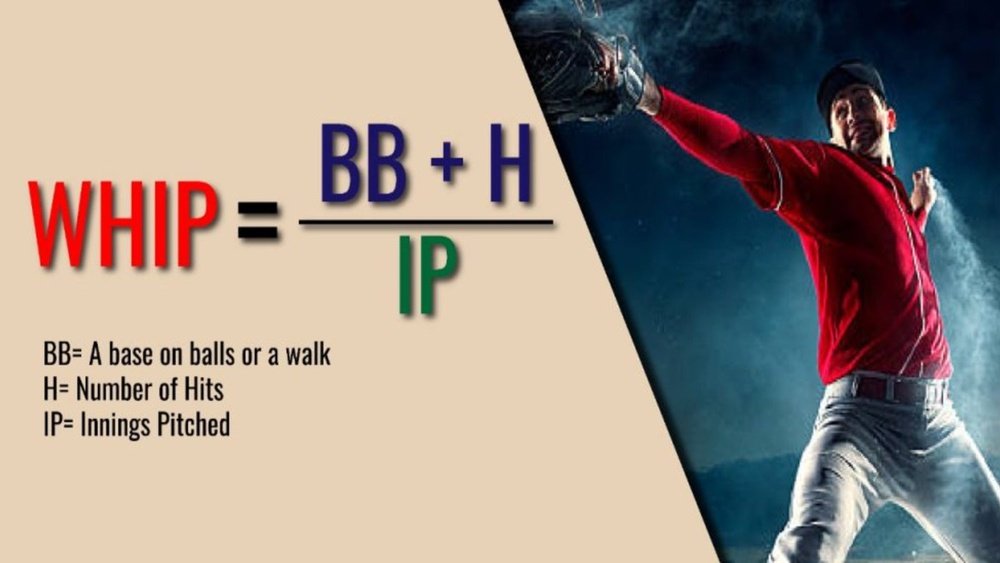
WHIP is an important baseball stat that shows how many baserunners a pitcher allows per inning. It helps fans and teams understand a pitcher’s control and effectiveness. WHIP stands for Walks plus Hits per Inning Pitched. It focuses on the number of walks and hits given up by the pitcher, not runs or strikeouts.
Walks And Hits Per Inning
WHIP counts both walks and hits allowed by a pitcher. Walks occur when a batter reaches first base after four balls. Hits happen when a batter safely reaches base by hitting the ball. Adding these two numbers and dividing by innings pitched gives the average baserunners allowed each inning. A lower WHIP means fewer baserunners and better pitching performance.
Relation To Baserunners
WHIP directly measures how many runners a pitcher lets onto the field. More baserunners mean more chances for the opposing team to score runs. A pitcher with a low WHIP keeps runners off the bases, reducing scoring opportunities. This stat helps evaluate a pitcher’s control and ability to limit opponents’ chances.
Whip’s Role In Pitching
WHIP plays a crucial role in evaluating a pitcher’s performance. It measures how many baserunners a pitcher allows per inning. This stat helps to understand a pitcher’s control and effectiveness. WHIP complements other stats like ERA by focusing on baserunners rather than runs.
Pitchers with low WHIP values typically allow fewer hits and walks. This means they keep the opposing team off the bases more often. As a result, they reduce scoring opportunities for opponents. WHIP is a key metric for coaches and analysts to assess pitching quality.
Indicator Of Control
WHIP shows a pitcher’s ability to control the game. A low WHIP means fewer walks and hits allowed. This reflects good control over pitches and fewer mistakes. Pitchers who limit baserunners force batters to work harder for hits.
Control is vital to prevent rallies and big innings. Pitchers with high WHIP often struggle with command. They allow more runners, which increases pressure on the defense. WHIP helps identify pitchers who maintain consistency and focus.
Impact On Game Outcomes
WHIP directly affects how games unfold. Fewer baserunners mean fewer chances for the opposing team to score. This increases the pitcher’s chance to win games. Teams rely on pitchers with low WHIP to keep games close.
High WHIP often leads to longer innings and more runs allowed. This can tire the defense and change the momentum. Pitchers with low WHIP contribute to stronger team defense and overall success. WHIP is a reliable predictor of pitching impact on results.
Comparing Whip And Era
Comparing WHIP and ERA helps us understand how pitchers perform in baseball. Both stats measure pitching success but focus on different details. WHIP shows how many batters reach base, while ERA tracks runs scored. Together, they give a clearer picture of a pitcher’s skill and challenges.
What Era Shows
ERA stands for Earned Run Average. It shows how many earned runs a pitcher allows per nine innings. Earned runs are runs that happen without errors or passed balls. A low ERA means the pitcher stops opponents from scoring. It focuses on the final impact of pitching on the scoreboard.
Differences In Measurement
WHIP counts walks and hits allowed per inning. It measures how many players get on base. ERA counts runs scored by opponents over nine innings. WHIP focuses on base runners, ERA on runs scored. WHIP is about control and preventing base runners. ERA shows the result of those base runners turning into runs.
Strengths And Limitations
ERA is easy to understand and widely used. It shows the overall success of a pitcher. But ERA can be affected by team defense and luck. WHIP gives a better look at how well a pitcher controls the game. It ignores runs and focuses on base runners. Yet, WHIP does not show if those runners score. Both stats have limits but together explain pitching performance.
Why Whip Matters
WHIP stands for Walks plus Hits per Inning Pitched. It shows how many baserunners a pitcher allows every inning. This stat matters because baserunners often lead to runs. Fewer baserunners mean fewer chances for the opposing team to score.
WHIP gives a clear view of a pitcher’s control and effectiveness. It helps fans and analysts understand how well a pitcher limits opponents’ opportunities.
Predicting Pitcher Consistency
WHIP helps predict how steady a pitcher performs over time. A low WHIP means the pitcher usually prevents many baserunners. This often leads to fewer runs allowed. Consistent WHIP numbers show a reliable pitcher who can maintain control.
Higher WHIP values can signal inconsistency. It may indicate more walks or hits allowed in some games. Watching WHIP trends helps spot pitchers who struggle to keep runners off base.
Detecting Performance Trends
Tracking WHIP across games reveals if a pitcher improves or declines. A rising WHIP shows more baserunners are allowed. This might mean a loss of control or effectiveness.
A falling WHIP suggests a pitcher is gaining better command. It often means fewer walks and hits allowed. These trends help coaches and fans understand a pitcher’s current form.
Interpreting Whip Values
Understanding WHIP values helps evaluate a pitcher’s control and effectiveness. WHIP stands for Walks plus Hits per Inning Pitched. This metric shows how many baserunners a pitcher allows each inning. Lower WHIP means fewer runners on base, which is usually better. Higher WHIP indicates more runners, increasing the chance of runs scored. Interpreting WHIP values gives insight into a pitcher’s performance beyond just runs allowed.
What Is A Good Whip?
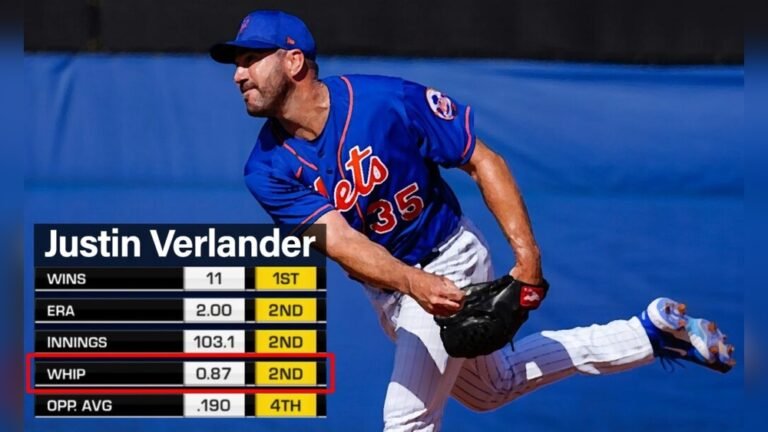
A good WHIP is generally below 1.30. This means the pitcher allows fewer than 1.3 baserunners per inning. Elite pitchers often have WHIP values under 1.00. A WHIP near or above 1.50 suggests struggles with control or getting batters out. WHIP varies by league and era but staying low indicates consistent performance. Keeping WHIP low helps prevent scoring opportunities for the opposing team.
High Vs Low Whip Effects
A low WHIP means fewer hits and walks allowed. This usually leads to fewer scoring chances for opponents. Pitchers with low WHIP often have better control and command. They can pitch deeper into games and keep their team competitive.
A high WHIP shows more baserunners allowed. This increases pressure on the pitcher and defense. It often results in more runs scored against the team. Pitchers with high WHIP may struggle with control or face strong hitters. Managing WHIP is key to maintaining game control and reducing damage.

Credit: sports.yahoo.com
Whip In Modern Sabermetrics
WHIP stands for Walks plus Hits per Inning Pitched. It is a key stat in modern sabermetrics. WHIP measures how many baserunners a pitcher allows each inning. This helps evaluate a pitcher’s effectiveness beyond traditional stats.
Sabermetrics uses WHIP to understand pitching performance in a clearer way. It focuses on baserunners, which often lead to runs. This makes WHIP a valuable tool for teams and fans who want deeper insights.
Use In Analytics
Teams use WHIP to analyze pitchers’ control and dominance. A low WHIP means fewer runners reach base. This usually results in fewer runs scored against the pitcher. Analysts combine WHIP with other stats to predict future performance. It helps in scouting and building pitching strategies.
Complementing Other Stats
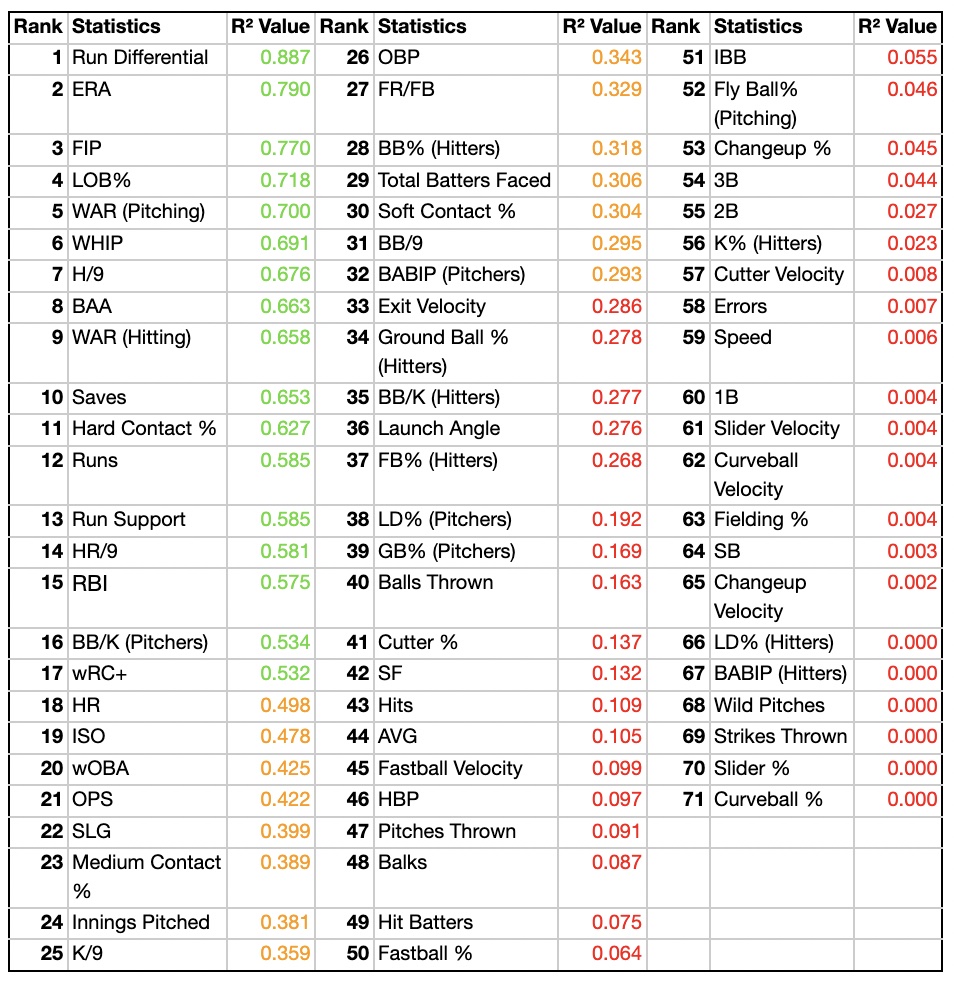
WHIP works well with stats like ERA and strikeout rates. While ERA shows runs allowed, WHIP shows how many runners get on base. A pitcher can have a low ERA but a high WHIP, signaling luck or good defense. Combining these stats gives a full picture of a pitcher’s skill. This helps coaches make better decisions about pitching roles.
Limitations Of Whip
WHIP is a popular baseball stat that measures walks and hits allowed per inning. It helps show how many batters reach base against a pitcher. WHIP is useful but has limits that affect its accuracy. Understanding these limits helps you see the full picture of a pitcher’s performance.
Some important factors do not get counted in WHIP. Also, it treats all hits and walks the same, though their impacts can differ. These points create some gaps in how WHIP reflects pitching skill.
Ignoring Hit Batters And Errors
WHIP does not include batters hit by a pitch. This means a pitcher could allow runners by hitting batters, but WHIP stays the same.
Errors made by fielders also do not affect WHIP. If a fielder makes a mistake, the batter might reach base, but WHIP ignores that runner.
This can give an incomplete view of how many baserunners a pitcher really allows. Hit batters and errors can increase baserunners but stay invisible in WHIP.
Equal Weight To Walks And Hits
WHIP counts walks and hits as equal events. Both add one to the total baserunners allowed.
Not all hits and walks have the same impact in games. A single hit might be less harmful than a walk with bases loaded.
By giving equal weight, WHIP misses the nuance of different situations. It treats all baserunners the same, even when some are more dangerous.
This limits WHIP’s ability to fully measure a pitcher’s skill in controlling the game.
Credit: www.samford.edu
Frequently Asked Questions
What Is A Good Whip In Baseball?
A good WHIP in baseball is generally below 1. 20. It shows a pitcher allows fewer baserunners per inning, indicating strong control and effectiveness.
Is A 1.20 Whip Good?
A 1. 20 WHIP is considered good in baseball. It shows the pitcher allows about 1. 2 baserunners per inning, indicating effective control. Lower WHIP values reflect better performance, as pitchers limit hits and walks, reducing scoring chances for opponents.
What Does Whip In Mlb Mean?
WHIP in MLB stands for Walks plus Hits per Inning Pitched. It measures baserunners allowed per inning by a pitcher. A lower WHIP indicates better pitching control and fewer opponents reaching base. WHIP helps evaluate a pitcher’s effectiveness and consistency on the mound.
Is Whip Better Than Era?
WHIP and ERA measure different pitching skills. ERA shows runs allowed per nine innings, while WHIP tracks baserunners allowed per inning. Neither is strictly better; both provide valuable insights into a pitcher’s performance and consistency. Use them together for a complete evaluation.
Conclusion
Understanding WHIP helps you better appreciate pitcher performance. It shows how many players reach base per inning. A low WHIP means fewer runners and stronger pitching. WHIP works well with other stats like ERA to give a full view. Knowing WHIP makes following baseball more fun and clear.
Next time you watch a game, check the WHIP! It adds depth to the numbers you see on screen. Simple, useful, and key for any baseball fan.