Fishing for trout in the rain is a special experience. Many anglers think rain makes fishing hard. But rain can actually help you catch more trout. This guide will explain why rain is good for trout fishing. We will also share useful tips and tricks to help you catch trout on rainy days.
Why Rain Helps Trout Fishing
Rain changes the river and lake in many ways. These changes can make trout more active and easier to catch. Here are some reasons why rain helps:
- Lower Light Levels: Rainy skies make the water darker. Trout feel safer in low light. They come out more to feed.
- More Oxygen: Rain adds oxygen to the water. Trout need oxygen to breathe. More oxygen means they can swim and feed more.
- Food Washed In: Rain washes insects, worms, and other food into the water. Trout find it easier to eat and stay active.
- Less Fishing Pressure: Many people stay home when it rains. Fewer anglers mean less disturbance for trout.
But rain can also make fishing harder if the water becomes very muddy or fast. We will explain how to handle those situations too.
How Rain Affects Trout Behavior
Trout act differently when it rains. They often move to places where food is easy to find. Some common spots are:
- Shallow Flooded Margins: Trout like to feed near the shore where insects and worms get washed in.
- River Tail-Outs: These are places where slow water meets faster water. Food gathers here.
- Drop-Offs and Points: Areas where the riverbed suddenly drops or bends. Trout hide and wait for food.
Because of rain, trout are less shy. They swim closer to the surface and near the banks. This gives anglers a better chance to catch them.
Best Fishing Gear for Rainy Trout Fishing
Choosing the right gear helps a lot. Here are some good choices for fishing trout in the rain:
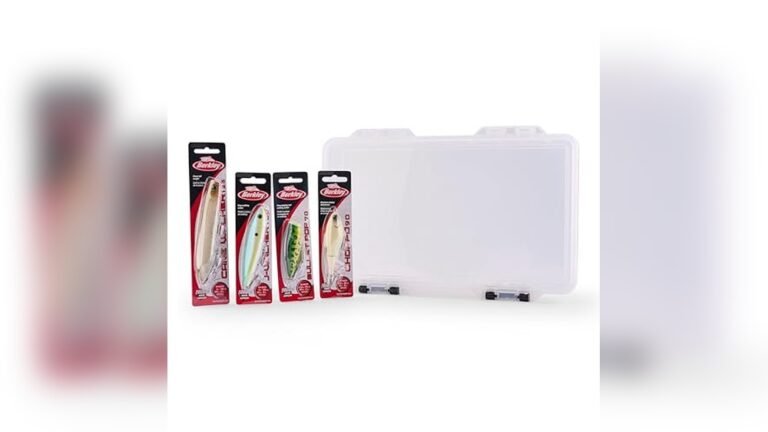
- Spinners: Use spinners with shiny silver or gold blades. They flash in low light and attract trout.
- Streamers: Streamers look like small fish or insects. They work well for bigger, more aggressive trout.
- Nymphs and Worms: These are good choices for fly fishing or bait fishing. Use dark or bright colors to stand out in murky water.
- Waterproof Clothing: Rain gear keeps you dry and comfortable. Wear boots and a rain jacket.
- Polarized Sunglasses: These reduce water glare. They help you see trout and underwater structures.

Credit: guiderecommended.com
How to Fish Trout During Rainy Days
Fishing in the rain needs some special techniques. Follow these tips to improve your chances:
| Tip | Why It Works |
|---|---|
| Fish Near Banks and Flooded Areas | Trout feed close to shore where food is washed in. |
| Use Slow Retrieval | Trout might be less active, so slow movement attracts them. |
| Try Different Lures | Change colors and types to find what trout want that day. |
| Fish During or Right After Rain | Trout are most active when rain is fresh or still falling. |
| Watch Water Color | Clear or slightly stained water is best. Avoid very muddy water. |
What to Avoid When Fishing Trout in Rain
Sometimes, rain makes fishing tough. Here is when you should be careful or stop fishing:
- Very Warm Water: Trout do not like water above 70°F. They eat less and hide.
- Heavy Flooding: Fast, dirty water makes it hard to catch trout.
- Strong Winds: Wind can make casting hard and scare fish.
Check the weather and water before you go. Safety is also important. Wear proper gear and be careful near wet rocks and slippery banks.
Why Many Anglers Love Fishing Trout in the Rain
Fishing in the rain is peaceful and quiet. Here are some reasons why many anglers enjoy it:
- Less Crowded: Few people fish when it rains. You get more space and quiet.
- Better Trout Action: Trout feed more and are easier to catch.
- Fresh Air: Rain clears the air and cools the temperature.
- Exciting Challenge: Rain changes the fishing game. It makes fishing more fun.

Credit: huk.com
Summary: Trout Fishing in the Rain
Rain can be good for trout fishing. It lowers light, adds oxygen, and brings food into water. Trout become more active and less afraid. Use spinners, streamers, or worms to catch them. Fish near flooded banks and river tail-outs. Go slow and try different lures. Avoid very warm or muddy water. Wear rain gear to stay dry and safe.
Try fishing when it rains next time. You might catch your biggest trout yet!