Have you ever wondered when helmets became a must in the NHL? If you follow hockey, you know how fast and intense the game can be—and how important player safety is.
But it wasn’t always a rule that players had to wear helmets. In fact, for many years, some of the greatest stars skated without any head protection. So, when did the NHL finally make helmets mandatory? And why did it take so long?
You’ll discover the history behind this crucial safety change, the players who resisted it, and how the rule transformed the game forever. Keep reading to find out everything you need to know about helmets in the NHL.
Credit: www.vintagedetroit.com
Early Helmet Use In The Nhl
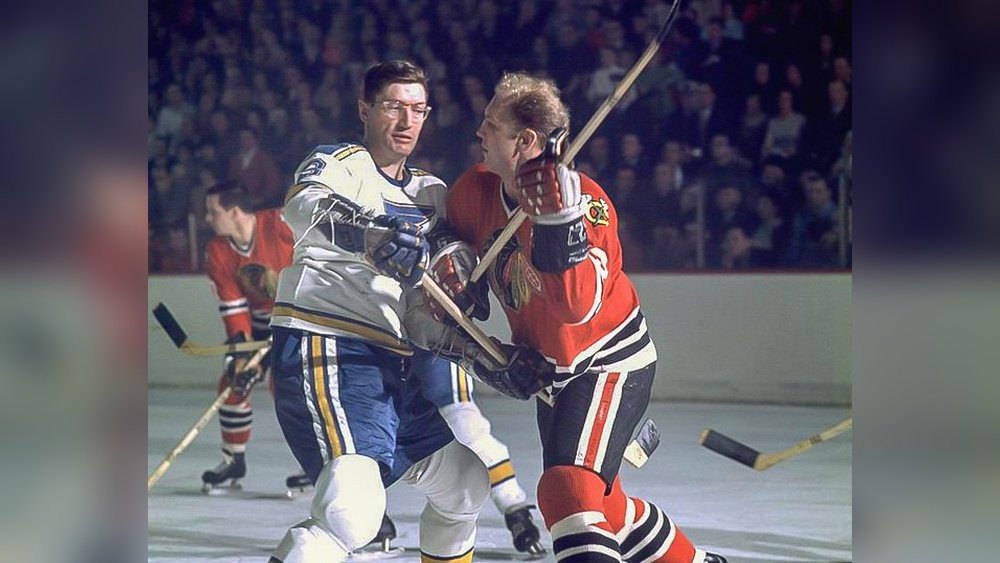
Before helmets became mandatory, only a few NHL players chose to wear them. The league had no rule requiring helmets in its early years. Many players believed helmets were uncomfortable or unnecessary. Some thought helmets made them look less tough. Despite this, the risk of injury was always present on the ice.
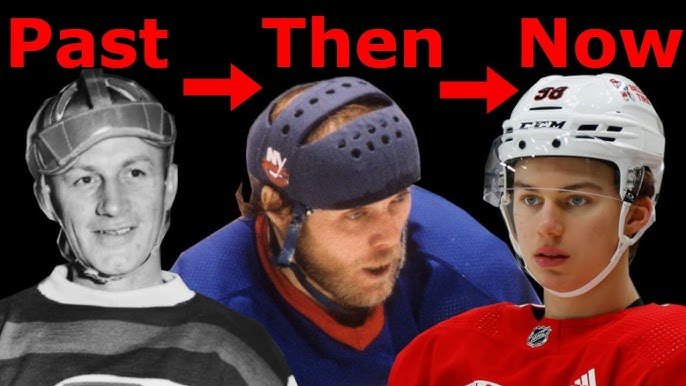
Gradually, some players began to adopt helmets for safety. Their use grew slowly as the game became faster and more physical. Early helmet use laid the groundwork for future safety rules in the NHL.
Initial Adoption By Players
In the 1950s and 1960s, a few players started wearing helmets. These players often had previous injuries or concerns about head safety. Helmet use was voluntary and not common. Teams did not require helmets, and many players resisted the change. The idea of protecting the head was new to hockey culture.
Some players chose helmets to avoid serious injury. They showed that safety could be combined with skill. Their early adoption helped change opinions about helmets in the league.
Notable Early Helmet Wearers
One of the first notable players to wear a helmet was George Owen. He played in the 1920s and showed that helmets could be worn without losing speed. Another early adopter was Bill Mosienko, who wore a helmet in the 1940s after suffering injuries.
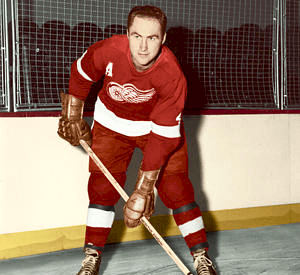
Other players like Tim Horton and Red Kelly also wore helmets early on. Their use helped normalize helmets in professional hockey. These pioneers proved helmets could protect players without affecting their game.
Credit: www.youtube.com
The 1979 Helmet Mandate
The 1979 helmet mandate changed safety rules in the NHL. Before this, many players chose not to wear helmets. The league decided to protect players better by making helmets mandatory for new players. This rule improved safety but allowed some veterans to keep playing without helmets. This approach balanced tradition with new safety standards. The following sections explain the rule’s introduction, the grandfather clause, and its impact on veteran players.
Introduction Of The Rule
In 1979, the NHL required all new players to wear helmets. This rule aimed to reduce head injuries on the ice. The league saw many players suffer serious accidents without helmets. The rule did not force current players to wear helmets right away. Instead, it applied only to rookies starting after the 1979 season. This step marked a major change in NHL safety policies.
Grandfather Clause Explained
The league created a grandfather clause for players already in the NHL. Veterans who played before 1979 could choose to wear helmets or not. This clause respected their comfort and playing style. It allowed older players to keep their usual gear while encouraging safety for new players. The clause helped ease the transition without upsetting veteran players.
Impact On Veteran Players
Many veteran players continued to play without helmets after 1979. They preferred the freedom and feel of playing without extra gear. Some famous players chose to play helmetless for years. Over time, most veterans switched to helmets for safety reasons. The rule slowly changed the culture of the NHL. Today, almost all players wear helmets, honoring the 1979 mandate.
Last Players Without Helmets
For many years, NHL players could choose whether to wear helmets. The rule changed in 1979 when helmets became mandatory for new players. Veterans already playing could decide for themselves. This created a group of players who played without helmets long after the rule.
The last players without helmets were well-known. Their choices showed the slow shift in safety culture in hockey. They became symbols of an era before helmets were common on the ice.
Craig Mactavish’s Role
Craig MacTavish was the last NHL player to play without a helmet. He retired in 1997. MacTavish started his career before the helmet rule in 1979. He used the grandfather clause to avoid wearing one. MacTavish’s choice made him famous. Many saw him as a link to hockey’s past. After he retired, all players wore helmets in the NHL.
Wayne Gretzky And Helmet Choices
Wayne Gretzky wore a helmet for most of his career. Early on, he played without one. Gretzky began his NHL career in 1979, the same year helmets became mandatory for new players. He chose to wear a helmet to protect himself. His decision influenced many young players. Gretzky showed that helmets could be worn and still play at the highest level.
Visors And Additional Safety Gear
Visors and additional safety gear have become key parts of hockey player protection. The NHL has focused on improving player safety by adding rules about visors. These rules help reduce injuries to the face and eyes during fast, physical play. Alongside helmets, visors offer extra protection without blocking the player’s view.
Visor Mandates For New Players
The NHL required all new players to wear visors starting in the 2013-2014 season. This rule applies only to rookies and players who had not played in the league before. The league made this change to lower risks of facial injuries from sticks, pucks, and collisions. New players must wear visors during all games and practices.
This mandate ensures that young players adopt safer habits early in their careers. It also helps keep the game safer overall. The rule has led to a steady rise in visor use among all players.
Current Players Without Visors
Veteran players who joined the NHL before the rule started can choose not to wear visors. This “grandfather clause” allows some players to play without face protection. Over time, most players have chosen to wear visors for safety reasons. Only a small number still play without them.
These players often have personal or comfort reasons for skipping the visor. But the NHL and many fans encourage visor use for better safety. The number of players without visors continues to shrink each season.
Cultural Resistance And Humor
In the NHL, helmets became mandatory in 1979, but not all players welcomed this change easily. Many resisted wearing helmets due to tradition and style. Players often saw helmets as a sign of weakness or a barrier to their freedom on ice. This resistance sparked jokes and humor in locker rooms. Players teased each other for choosing safety over toughness.
These jokes helped players cope with the new rules. Humor created a way to accept helmets while keeping team spirit alive. It also highlighted the deep connection between hockey culture and player identity. Understanding this cultural resistance sheds light on how players adapted to safety gear over time.
Reasons For Avoiding Certain Numbers
Some numbers in hockey have special meanings or associations. Players avoid certain numbers to escape jokes or bad luck. For example, the number 69 is often skipped because of its sexual connotation. Teams and players view it as immature or distracting. This avoidance keeps the focus on the game rather than off-ice humor.
Players like Andrew Desjardins and Mel Angelstad wore this number despite its reputation. Their choice was rare and often seen as bold or funny. Most players prefer safer, more traditional numbers to avoid unwanted attention or ridicule.
Locker Room Attitudes Toward Safety Gear
Before helmets were mandatory, many players ignored safety gear. They believed helmets slowed them down or looked uncool. Locker rooms were places where toughness was prized over protection. Players joked about those who wore helmets, calling them cautious or soft.
This attitude changed slowly as more players got injured. Coaches and doctors pushed for helmets to protect players. Over time, helmets became part of the uniform and player pride. Today, safety gear is accepted and respected in hockey culture.

Credit: thehockeynews.com
Safety Impact Of Mandatory Helmets
The introduction of mandatory helmets in the NHL marked a major step for player safety. Helmets protect players from serious head injuries. They reduce the risk of concussions and skull fractures. The rule helped change the culture around safety in hockey. Players and teams began to value protection more. The impact of this change can be seen in injury rates and career lengths.
Changes In Injury Rates
Since helmets became mandatory, head injuries have dropped significantly. Players suffer fewer cuts and bruises to the head. Concussions still happen, but their severity has lessened. Helmets absorb some impact from hits and falls. The NHL saw fewer cases of traumatic brain injuries. This rule helped save players from long-term health problems. Safety equipment improved over time, making helmets even better. The decline in injuries shows how important helmets are.
Career Longevity Improvements
Wearing helmets helped players stay in the league longer. Fewer serious injuries mean players can recover faster. Players avoid career-ending head trauma more often now. Helmets give athletes more confidence to play hard. This leads to more years on the ice. Veterans who wore helmets had longer and healthier careers. The rule helped protect the league’s top talent. Career longevity benefits both players and teams alike.
Legacy Of Helmet Rules In The Nhl
The NHL made helmets mandatory in 1979. This rule improved player safety significantly. Players who joined before the rule could choose to wear helmets or not. Over time, most players accepted helmet use. The rule saved many from serious head injuries. It changed hockey culture and set new safety standards.
Helmet rules also showed how safety can evolve in sports. The NHL’s decision influenced many leagues worldwide. It marked the start of ongoing efforts to protect players better. The legacy of helmet rules is still strong in hockey today.
Influence On Other Leagues
The NHL’s helmet rule inspired many hockey leagues globally. Junior leagues and minor leagues adopted similar rules quickly. These leagues saw the benefits in reducing injuries. Many international hockey organizations followed the NHL lead. Helmet use became a standard safety rule everywhere. This helped protect young players early in their careers.
Ongoing Safety Innovations
Helmet technology continues to improve with new materials. Designs now focus on better impact protection and comfort. The NHL tests new helmet models regularly. Visors and full face shields became common additions. These innovations reduce face and eye injuries. The league also promotes education about concussion awareness. Safety rules evolve with new research and technology.
Frequently Asked Questions
Who Was The Last Nhl To Not Wear A Helmet?
The last NHL player to not wear a helmet was Craig MacTavish. He retired in 1997, the year helmets became mandatory.
Did Gretzky Ever Not Wear A Helmet?
Wayne Gretzky did not wear a helmet early in his NHL career. Helmets became mandatory in 1979, but veterans like Gretzky were exempt.
What Year Did The Nhl Make Visors Mandatory?
The NHL made visors mandatory for all new players starting in the 2013-2014 season. Veterans could choose to wear them.
Why Can’t You Wear 69 In The Nhl?
The NHL avoids number 69 due to its sexual connotations and immature humor. Players prefer professional image and respect.
Conclusion
The NHL made helmets mandatory starting in 1979. Players who joined before could choose to wear one or not. This rule helped improve player safety over time. Today, almost all players wear helmets without question. The change saved many from serious injuries.
Helmets remain a key part of hockey gear. They protect players during fast, physical games. Understanding this history shows how safety grew in hockey. Fans and players now value helmets for protection. The NHL continues to promote safer play with new rules.