If you’re serious about pitching, understanding what makes a good WHIP can change the way you see the game. WHIP, which stands for Walks plus Hits per Inning Pitched, is one of the best ways to measure how well a pitcher controls the game and keeps runners off the bases.
But what exactly counts as a good WHIP? And how can you use this stat to improve your pitching or evaluate players more effectively? Keep reading, because mastering this key number might just give you the edge you need on the mound.
Credit: sleeper.com
What Whip Means
WHIP is a key baseball stat for pitchers. It shows how many batters reach base per inning. A lower WHIP means fewer runners get on base. This usually points to better pitching performance.
WHIP helps fans and coaches see how well a pitcher controls the game. It focuses on walks and hits, ignoring runs scored. This makes it a clear measure of a pitcher’s ability to keep runners off base.
Whip Calculation
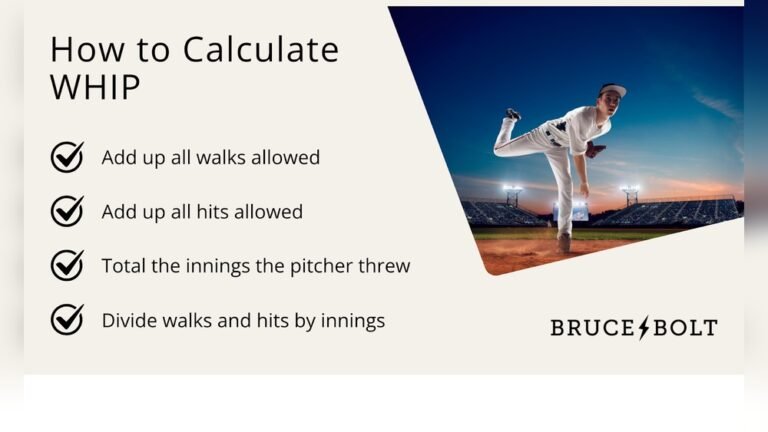
WHIP stands for Walks plus Hits per Inning Pitched. To find it, add the total walks and hits allowed. Then, divide that number by the innings pitched. The formula looks like this:
WHIP = (Walks + Hits) ÷ Innings Pitched
For example, if a pitcher allows 20 walks and 50 hits in 70 innings, the WHIP is (20 + 50) ÷ 70 = 1.0. A WHIP close to 1.0 is generally good in professional baseball.
Whip’s Role In Pitching
WHIP measures how many runners a pitcher lets on base. Fewer base runners means fewer chances for the opposing team to score. Pitchers with low WHIPs often keep their teams in control.
Coaches use WHIP to evaluate pitchers beyond just runs allowed. It shows how often batters reach base, helping spot strengths and weaknesses. WHIP is a simple, clear way to judge pitching effectiveness.
Credit: baseball360.com
Whip Benchmarks
WHIP benchmarks help measure a pitcher’s ability to limit base runners. WHIP stands for walks plus hits per inning pitched. It shows how many batters reach base on average each inning. Lower WHIP values mean fewer base runners and better pitching performance. Understanding WHIP benchmarks helps evaluate pitchers across different levels of play.
Good Whip Values
A good WHIP value is usually below 1.30. Pitchers with a WHIP under 1.20 are considered effective. A WHIP near 1.00 or lower is excellent. This means the pitcher allows about one or fewer base runners per inning. Good WHIP values show strong control and ability to prevent hits and walks.
Average Vs Elite Whip
Average WHIP values range from 1.30 to 1.50. These pitchers allow more base runners but still perform respectably. Elite pitchers maintain a WHIP below 1.00. They consistently limit hits and walks. Elite WHIP numbers reflect dominance and strong command on the mound.
Whip Differences By Level
WHIP varies by the level of baseball played. In youth leagues, WHIP numbers tend to be higher. This is due to less experienced pitching. High school pitchers often have WHIP values around 1.50. College and minor league pitchers usually show WHIP closer to 1.20. Major league pitchers often keep WHIP below 1.15. The higher the level, the lower the WHIP generally is.
Factors Affecting Whip
WHIP, or Walks plus Hits per Inning Pitched, reveals how many runners a pitcher allows. Several factors influence a pitcher’s WHIP, shaping their performance on the mound. Understanding these can help identify what makes a good WHIP for a pitcher.
Pitcher Type Impact
Starting pitchers and relievers have different WHIP expectations. Starters face more batters and innings, often leading to higher WHIP. Relievers pitch fewer innings, so a low WHIP is easier to maintain. Pitchers with strong control usually have lower WHIP. Power pitchers might allow more hits but fewer walks. Each type affects WHIP in unique ways.
Game Situations
High-pressure moments can increase a pitcher’s WHIP. When runners are on base, pitchers may pitch more cautiously. Fatigue during late innings can cause more walks or hits. Early innings often show lower WHIP because pitchers are fresher. Situations like extra innings or tight scores also impact WHIP.
Defensive Support
WHIP depends partly on the fielders behind the pitcher. Good defense turns many balls in play into outs. Poor defense lets more hits slip through, raising WHIP. Errors do not count in WHIP, but weak fielding can still affect hits allowed. Teams with strong defenders help pitchers keep a lower WHIP.
Whip Vs Other Stats
WHIP is a popular pitching stat that shows how many base runners a pitcher allows per inning. It helps measure a pitcher’s control and effectiveness in keeping opponents off the bases. Comparing WHIP to other stats gives a clearer picture of a pitcher’s true skill and value.
Understanding how WHIP relates to other stats helps fans and analysts judge pitchers better. Let’s explore how WHIP compares with ERA and sabermetric metrics. We will also look at its limits as a stat.
Comparing Whip And Era
ERA measures the average runs a pitcher allows per nine innings. It shows how well a pitcher prevents scoring. WHIP focuses on the number of base runners, not runs. A pitcher can have a low ERA but a higher WHIP if they allow many runners but prevent them from scoring.
WHIP and ERA together give a fuller view. WHIP shows the pitcher’s ability to control walks and hits. ERA shows run prevention success. Both stats matter to evaluate pitching quality.
Whip And Sabermetrics
Sabermetrics uses advanced stats to analyze baseball deeply. WHIP is a simple but effective sabermetric stat. It directly measures base runners allowed, a key factor in run prevention. Sabermetrics often combine WHIP with strikeout and walk rates for better insight.
Metrics like FIP and xFIP build on WHIP ideas to predict future performance. WHIP remains a useful base stat in sabermetric analysis because it is easy to understand and relevant.
Limitations Of Whip
WHIP does not consider when base runners reach base. It treats a walk the same as a hit, even though hits often lead to more damage. It also ignores fielding errors and the quality of opposing hitters.
WHIP alone can miss important pitching factors like strikeouts and home runs allowed. It works best combined with other stats for a full evaluation.
Improving Whip
Improving a pitcher’s WHIP (Walks plus Hits per Inning Pitched) is essential for success on the mound. A lower WHIP means fewer baserunners allowed, which usually leads to fewer runs. Pitchers can focus on key areas to reduce walks and hits. Small changes in control and mindset make a big difference in WHIP.
Pitch Control Tips
Good pitch control helps limit walks and hits. Practice throwing strikes consistently. Focus on hitting the corners of the strike zone. Use drills that improve accuracy and repeatable mechanics. Avoid wild pitches that give free bases. Control the speed and movement of each pitch carefully. This precision makes it harder for batters to get on base.
Reducing Walks And Hits
Walks and hits directly increase WHIP. Work on pitching inside to keep hitters off balance. Mix pitch types to confuse batters. Lower your pitch count by avoiding deep counts. Learn to read hitters’ weaknesses and adjust accordingly. Staying aggressive can reduce free passes. Fewer walks and hits mean a cleaner inning and a better WHIP.
Mental Approach
A strong mental game helps maintain focus. Stay calm under pressure. Visualize each pitch before throwing. Avoid rushing and overthinking. Confidence allows better execution of pitches. Learn from mistakes without dwelling on them. A clear mind improves decision-making and control. Mental toughness supports consistent, low WHIP performances.

Credit: waxpackgods.com
Whip For Different Roles
WHIP, or walks plus hits per inning pitched, shows how many runners a pitcher allows. This number varies based on the pitcher’s role on the team. Each role has different expectations for what counts as a good WHIP.
Understanding these differences helps evaluate pitchers better. Starters, relievers, and amateur players all have unique WHIP standards. This section explains those standards clearly.
Starters’ Whip Expectations
Starting pitchers usually pitch many innings in a game. They face batters multiple times, increasing the chance of baserunners. A good WHIP for starters is often below 1.30. Elite starters keep their WHIP near or under 1.10. This shows they limit hits and walks well.
Starters with a WHIP above 1.40 may struggle to keep runners off base. Teams want starters who can control the game early and last long.
Relievers’ Whip Standards
Relievers pitch shorter periods but often in high-pressure situations. They face fewer batters, so their WHIP tends to be lower. A strong reliever usually has a WHIP under 1.20. The best relievers keep it close to 1.00 or less.
High WHIP for relievers suggests they allow too many runners in critical moments. Coaches look for relievers who can stop threats quickly.
High School And College Whip
Younger pitchers in high school and college have different WHIP benchmarks. Many are still developing skills and control. A good WHIP at this level is often below 1.50. Top players may achieve WHIP near 1.20 or less.
Scouts watch WHIP to find pitchers who limit walks and hits well. Lower WHIP shows better control and potential for higher levels.
Top Pitchers By Whip
WHIP is a key stat to measure a pitcher’s skill. It shows how many batters reach base per inning. A lower WHIP means fewer runners on base. This usually points to better pitching performance.
Some pitchers stand out with very low WHIP numbers. They control the game by limiting hits and walks. These pitchers often lead their teams to wins.
Mlb Leaders
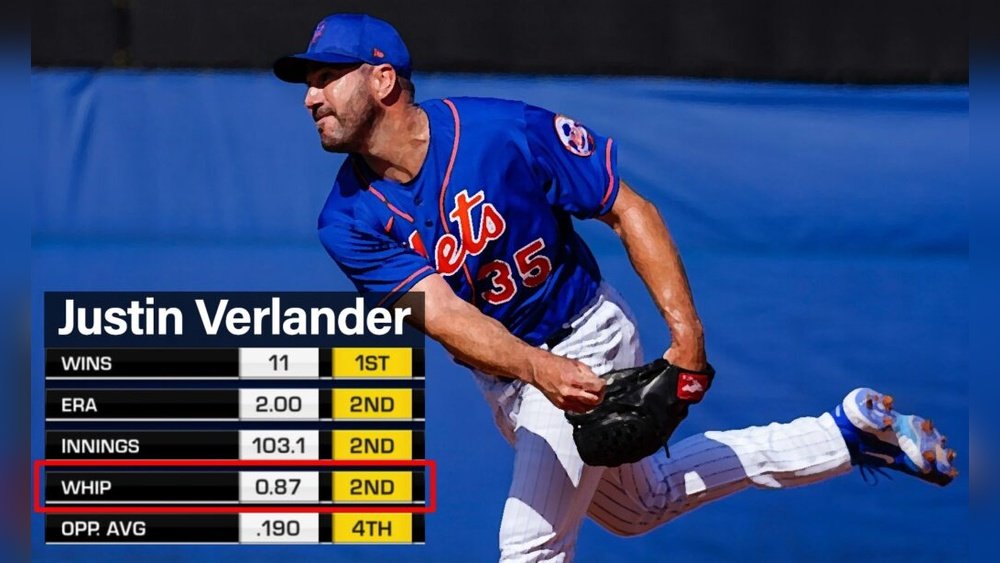
In the current MLB, the best pitchers have WHIP under 1.00. This means they allow less than one runner per inning. Top pitchers like Jacob deGrom and Max Scherzer have consistently low WHIP. Their control and skill make them tough to score against.
Young stars and veterans both appear on the WHIP leaderboards. This shows that control and precision matter at all career stages. Teams rely on these pitchers to hold opponents and win games.
Historical Records
Historically, some pitchers have posted amazing WHIP numbers. Addie Joss holds one of the lowest career WHIPs in MLB history. His record shows how dominant pitching can change the game.
Other legends like Pedro Martinez and Greg Maddux also kept WHIP very low. Their ability to prevent baserunners helped them win multiple awards. These records inspire new pitchers to focus on control and consistency.
Frequently Asked Questions
Is A 1.20 Whip Good?
A 1. 20 WHIP is considered good and indicates effective pitching. It means the pitcher allows about 1. 2 baserunners per inning. Lower WHIP values show better control and fewer hits or walks allowed. In MLB, a WHIP around 1.
20 ranks pitchers above average in performance.
Is A 0.95 Whip Good?
A 0. 95 WHIP is excellent and indicates strong pitching performance. It means fewer than one baserunner allowed per inning.
Is A 1.50 Whip Good?
A 1. 50 WHIP is average but not ideal. Lower WHIP values, closer to 1. 00, indicate better pitching performance.
Is A Lower Or Higher Whip Better?
A lower WHIP is better. It means a pitcher allows fewer baserunners per inning, indicating stronger performance.
Conclusion
A good WHIP shows how well a pitcher controls the game. Lower WHIP means fewer base runners allowed each inning. This helps prevent scoring chances and keeps pressure off the defense. Pitchers with strong control and consistency often have WHIPs under 1.
20. Remember, WHIP is just one way to measure pitching skill. Watching how a pitcher handles different batters also matters. Understanding WHIP helps fans appreciate pitching performance better. Keep these points in mind when evaluating pitchers next time.