Are you wondering if hockey games are cold? If you’re planning to attend your first game or just curious about what to expect, this question is important.
After all, no one wants to feel uncomfortable while cheering for their favorite team. The truth is, hockey arenas aren’t always as chilly as you might imagine, but your experience can change depending on where you sit and how well you prepare.
You’ll discover why some seats feel colder than others, how the arena’s design affects the temperature, and simple tips on what to wear so you can enjoy the game without shivering. Keep reading to make sure your next hockey outing is both exciting and comfortable!
Temperature Inside Hockey Arenas
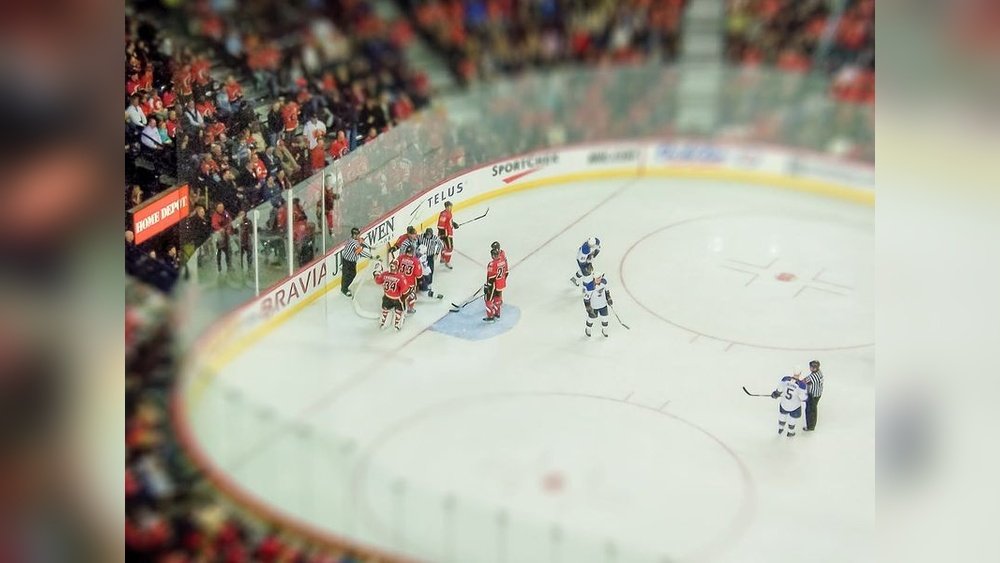
Step inside a hockey arena, and the cool air hits immediately. The temperature inside these venues stays low to keep the ice frozen and the game fast. Fans often wonder just how cold it really is during a hockey game. Understanding the arena’s temperature helps you dress right and enjoy the action without shivering.
Typical Ice Rink Temperatures
Most ice rinks keep the ice surface between 24°F and 26°F (-4°C to -3°C). The air temperature inside the arena usually ranges from 50°F to 60°F (10°C to 15°C). This range helps maintain good ice quality while keeping fans somewhat comfortable. Sitting close to the ice feels colder because cold air sinks down. Seats higher up are often warmer but still cool compared to outdoor temperatures.
How Ice Quality Affects Arena Coldness
The ice’s condition affects how cold the arena feels. Smooth, hard ice needs colder temperatures to stay solid. Softer or melting ice means the arena may be warmer. Arena staff control humidity and air temperature to protect ice quality. Better ice means a faster game but also a chillier environment for fans. Some arenas use advanced cooling systems to balance ice care and fan comfort.

Credit: www.reddit.com
Factors Affecting Game Temperature
Several factors affect how cold a hockey game feels. The temperature inside the arena changes based on where you sit, the crowd size, outside weather, and the arena’s design. These elements work together to create the overall comfort level during the game.
Understanding these factors helps you prepare and dress appropriately for your visit to a hockey game.
Seat Location And Proximity To Ice
Sitting close to the ice means you will feel colder. Cold air stays near the ice surface and sinks downwards. Seats near the glass or rink edge tend to be chillier. Higher seats, further from the ice, usually feel warmer.
Crowd Size And Body Heat
A large crowd adds warmth to the arena. Many people together produce body heat that raises the temperature. A full arena feels warmer than a half-empty one. This heat can make sitting in the stands more comfortable.
Outdoor Weather Impact
The weather outside affects indoor temperature too. Cold weather outside can make the arena feel cooler. Warm or mild weather outside helps keep the inside temperature up. Some arenas are better insulated against outside cold than others.
Arena Size And Ventilation
Larger arenas have more space to control temperature. Ventilation systems help circulate air and keep it balanced. Smaller rinks may feel colder because air does not move as much. How an arena is built plays a big role in how cold it feels inside.
What To Wear To Stay Warm
Hockey arenas can feel chilly due to the ice and cold air. Dressing properly helps you enjoy the game without shivering. Choosing the right clothes keeps you warm and comfortable throughout the match.
Layering clothes allows you to adjust your warmth as needed. Wearing the right fabrics and accessories adds extra protection against the cold air near the ice.
Layering Basics
Start with a thin base layer to keep sweat away from your skin. Add a warm middle layer like a fleece or sweater for insulation. Top it with a jacket or coat that blocks wind and holds heat. Layers let you add or remove clothes easily if temperature changes.
Essential Clothing Items
Wear a long-sleeve shirt or thermal top as your base. Choose comfortable pants like jeans or warm leggings. Avoid shorts or thin materials that let cold air in. A thick sweater or hoodie works well as a middle layer. Bring a warm jacket for extra protection in the arena.
Accessories For Extra Warmth
Hats help keep your head warm and stop heat loss. Gloves protect your hands from the cold air near the ice. Scarves or neck warmers keep your neck cozy and block drafts. Warm socks and comfortable shoes complete your outfit for long hours of sitting or standing.
Credit: www.youtube.com
Tips For First-time Attendees
Attending a hockey game for the first time can be exciting and a bit confusing. One common question is about the temperature inside the arena. Hockey rinks are cold because of the ice, but the seating area may feel different depending on many factors. Preparing well can make your visit much more comfortable and enjoyable. Here are some helpful tips for first-time attendees to stay comfortable during the game.
Preparing For Variable Temperatures
Temperatures inside a hockey arena can change. The air near the ice is cold. Higher seats may feel warmer. Dress in layers to adjust easily. Wear a light shirt under a sweater or jacket. You can remove layers if you get too warm. Bring a scarf or hat for extra warmth. This helps you stay cozy without feeling hot.
Choosing The Right Footwear
Your feet can get cold fast. Choose shoes with good insulation. Avoid open shoes or sandals. Boots or sneakers with thick socks work best. Comfortable shoes are important for walking and standing. Cold feet can make the whole body feel colder. Good footwear keeps you warm and lets you enjoy the game.
Managing Warmth Throughout The Game
Keep your hands and head covered. Gloves and a beanie help keep heat in. If you feel cold, move around during breaks. Walking to concessions or restrooms warms the body. Drinking warm beverages also helps. Pay attention to your comfort and adjust clothing as needed. Staying warm lets you focus on the action on the ice.
Common Misconceptions
Many people think all hockey games are freezing cold. This is not always true. The temperature you feel depends on several factors. Understanding these common misconceptions helps fans prepare better. It also makes the experience more enjoyable and comfortable.
Is Every Seat Equally Cold?
Not all seats in a hockey arena feel the same temperature. Seats closer to the ice tend to be colder. Cold air sinks, so the lower rows feel chillier. Higher seats, further from the ice, usually feel warmer. The crowd’s body heat also raises temperature in packed areas. So, your seat location greatly affects how cold you feel during the game.
Indoor Arenas Vs. Outdoor Rinks
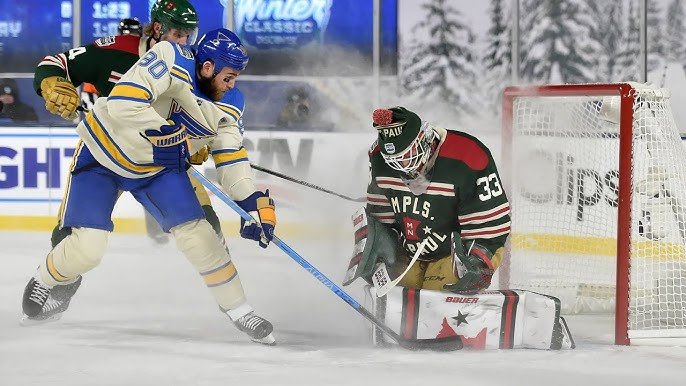
Indoor arenas have controlled temperatures to keep players and fans comfortable. The ice stays frozen, but the air is warmer in the stands. Outdoor rinks, on the other hand, depend on weather conditions. If it is cold outside, the rink and fans feel very cold. Wind and humidity also impact outdoor rink temperature. Indoor arenas provide a more consistent and milder environment for hockey games.

Credit: www.hockeymonkey.com
Fan Experiences And Insights
Fans attending hockey games often notice the chilly atmosphere inside arenas. The cold adds to the excitement but can also be surprising. Many share their own stories about how cold it really feels during matches. These experiences vary by arena and seating location.
Hockey fans often dress in layers to stay warm. They bring hats and gloves, especially if their seats are near the ice. The cold air tends to settle close to the rink, making lower seats colder. Fans higher up or further away feel warmer from the crowd’s body heat.
Anecdotes From Different Arenas
Fans at outdoor hockey games say the cold can be intense, sometimes below freezing. They recommend heavy coats and blankets. In contrast, some indoor arenas keep temperatures milder. One fan at a major arena said it felt like a cool room, not freezing cold.
Some arenas have areas where fans feel colder, especially near ice entrances or vents. Fans in these spots often share tips about bringing extra layers. Others mention how a packed arena feels warmer due to many people inside.
How Teams Manage Arena Temperatures
Teams use advanced cooling systems to keep the ice frozen. These systems can make the air cold near the rink. Heating systems are used to keep fan areas comfortable. Arena managers balance ice quality with fan comfort carefully.
Some arenas adjust temperature during breaks or intermissions. They may raise heat to warm fans briefly. Others use air circulation to avoid cold spots. Teams and arena staff work to create the best experience for everyone.
Frequently Asked Questions
How Cold Is It During A Hockey Game?
During a hockey game, arena temperatures range from 50°F to 60°F (10°C to 15°C). Seats near the ice feel colder due to cold air sinking. Layered clothing, including hats and gloves, helps keep fans warm throughout the game.
Do You Need To Dress Warm For A Hockey Game?
Yes, dress warmly for a hockey game. Wear layers, including a long-sleeve base, insulated mid-layer, and a jacket. Add a hat, gloves, and warm socks, especially if seated near the ice. Closed-toe shoes keep feet cozy in chilly arenas.
Are Hockey Games Always Cold?
Hockey games feel cold due to the ice and arena temperature control. Seats near the ice are colder. Crowds and arena size affect warmth. Dressing in layers helps you stay comfortable during the game.
Is It Harder To Breathe In A Hockey Arena?
Breathing in a hockey arena can feel slightly harder due to cold, dry air and increased physical activity. Cold air may cause mild throat irritation. Proper layering helps comfort. Overall, breathing difficulty is minimal for most people and depends on individual sensitivity and arena ventilation.
Conclusion
Hockey games can feel chilly, especially near the ice. The crowd’s body heat often balances the cold air. Dressing in layers helps you stay comfortable throughout the game. Wearing a long-sleeve shirt and warm pants is smart. A hat and gloves can add extra warmth if needed.
Remember, arena size and outside weather also affect temperature. Being prepared lets you enjoy the fast-paced action without feeling too cold. Stay cozy, watch the game, and have fun!