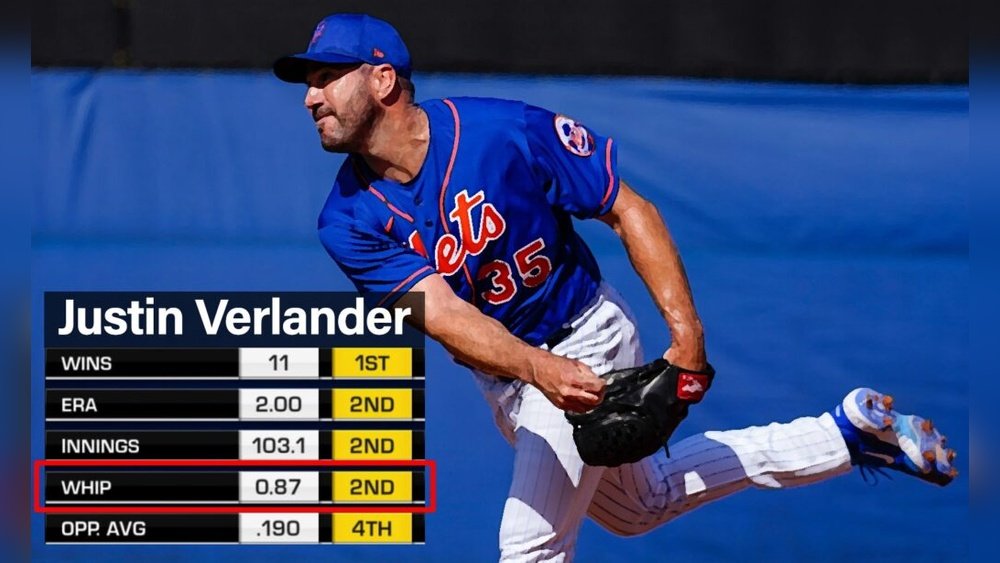
If you’re diving into baseball stats, you might have come across the term “WHIP” and wondered what it really means. Understanding WHIP can change how you see a pitcher’s performance and give you deeper insight into the game.
It’s a simple number, but it tells a powerful story about how well a pitcher controls the game by limiting baserunners. Ready to learn what WHIP means and why it matters for your favorite players and teams? Keep reading, and you’ll see how this one stat can make you a smarter baseball fan.
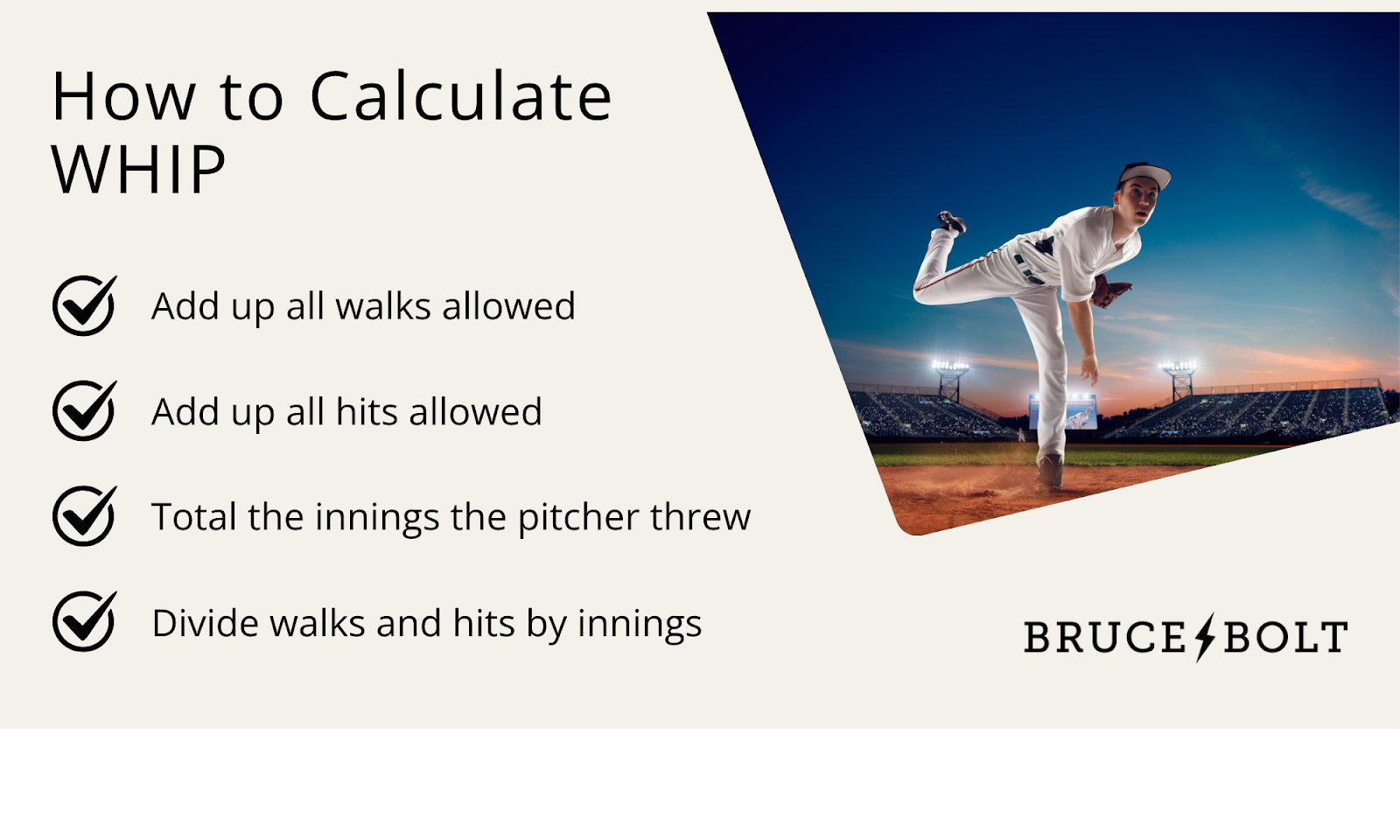
Credit: brucebolt.us
Whip In Baseball
WHIP in baseball is an important stat to know. It helps show how well a pitcher controls baserunners. A pitcher with a low WHIP means fewer players get on base. This often leads to better game results and fewer runs scored against the team.
Understanding WHIP gives fans and players a clearer picture of pitching performance. It is widely used in baseball analysis and commentary.
Definition And Significance
WHIP stands for Walks plus Hits per Inning Pitched. It measures how many baserunners a pitcher allows on average each inning. A lower WHIP shows the pitcher is effective at preventing players from reaching base. This is crucial because fewer baserunners mean fewer chances for the opposing team to score. WHIP helps compare pitchers and their control over the game.
How Whip Is Calculated
The formula for WHIP is simple. Add the total walks and hits allowed by the pitcher. Then divide that number by the innings they have pitched. For example, if a pitcher gives up 20 walks and 50 hits in 70 innings, their WHIP is (20 + 50) ÷ 70 = 1.0. This means, on average, one player reaches base per inning.
What Counts Towards Whip
Only walks and hits count in the WHIP calculation. Walks are when a batter reaches base after four balls. Hits include singles, doubles, triples, and home runs. Other ways players reach base, like hit by pitch or errors, do not count. This keeps the stat focused on the pitcher’s ability to control walks and hits.

Credit: www.youtube.com
Interpreting Whip Values
Interpreting WHIP values helps understand a pitcher’s performance. WHIP stands for Walks plus Hits per Inning Pitched. It shows how many baserunners a pitcher allows each inning. Lower WHIP values indicate fewer baserunners. This usually means the pitcher controls the game better. Higher WHIP values suggest more runners get on base. This may point to control problems or weaker pitching.
Low Whip And Pitching Effectiveness
A low WHIP means the pitcher allows very few baserunners. This keeps the opposing team from scoring easily. Pitchers with low WHIP often have good control and strong pitching skills. They limit walks and hits, which helps their team win games. A low WHIP is a sign of reliability and effectiveness on the mound.
High Whip And Control Issues
A high WHIP shows a pitcher allows many baserunners. This can lead to more runs and pressure on the defense. Often, a high WHIP signals control problems like too many walks. It might also mean the pitcher struggles to get outs efficiently. Teams usually want to improve pitchers with a high WHIP.
Whip Benchmarks In Mlb
In Major League Baseball, a WHIP below 1.20 is excellent. A WHIP between 1.20 and 1.35 is average. Above 1.35 often means the pitcher needs improvement. Elite pitchers often have WHIPs near or below 1.00. These benchmarks help fans and analysts compare pitchers easily.
Whip And Pitching Performance
WHIP is an important stat in baseball that helps measure pitching performance. It shows how many baserunners a pitcher allows per inning. Pitchers with low WHIP numbers keep fewer runners on base. This often leads to fewer runs scored against them. Understanding WHIP helps fans and coaches see how well a pitcher controls the game.
Pitchers aim to keep their WHIP as low as possible. A lower WHIP means fewer walks and hits allowed. This keeps the defense in a better position to prevent scoring. WHIP gives a clear picture of a pitcher’s ability to limit baserunners.
Whip’s Role In Evaluating Pitchers
WHIP is a simple way to judge a pitcher’s effectiveness. It shows how often batters reach base by walk or hit. A pitcher with a low WHIP is usually more reliable. This stat helps identify pitchers who control the game well. Teams use WHIP to compare pitchers across different games and seasons.
Whip Compared To Other Metrics
WHIP focuses only on walks and hits allowed. Other stats, like ERA, measure runs given up. WHIP does not count runs but measures baserunners. This makes it useful to see how pitchers limit chances. WHIP often pairs with strikeout rates and ERA for full evaluation. It gives a different angle on pitching skill.
Impact On Game Strategy
Managers use WHIP to decide pitching changes and matchups. A pitcher with a high WHIP may face more pressure. Coaches watch WHIP to plan defense and bullpen use. Keeping WHIP low helps control the pace of the game. It guides decisions to stop opposing teams from scoring.
Improving Whip
Improving WHIP is essential for any pitcher who wants to limit baserunners. A lower WHIP means fewer hits and walks allowed per inning. Reducing WHIP helps keep opposing teams off the bases and lowers the chance of runs scoring. Small changes can make a big difference in this key pitching stat.
Focus on refining your pitching mechanics, boosting physical fitness, and sharpening your mental game. These areas work together to help control hits and walks, which directly affects WHIP. Consistent effort in each will improve your overall performance on the mound.
Mechanics That Lower Whip
Good pitching mechanics improve control and accuracy. Start with a balanced stance and a smooth delivery. Consistent release points help the ball go where you want. Avoid rushing your motion to maintain control. Proper follow-through reduces stress and improves repeatability. Work with a coach to identify and fix flaws in your mechanics. Better mechanics lead to fewer walks and weak contact from hitters.
Training And Conditioning Tips
Strong, flexible muscles support better pitching control. Focus on core strength to stabilize your body during delivery. Arm and shoulder exercises build endurance and prevent injury. Stretch daily to keep your muscles loose and ready. Cardiovascular fitness helps maintain energy late in games. Regular practice with throwing drills improves accuracy. Conditioning your body allows you to pitch with consistent form inning after inning.
Mental Approach To Control
Confidence plays a big role in pitching control. Visualize each pitch going exactly where you want. Stay calm and focused on the task, not the pressure. Learn to read the batter and adjust your strategy. Take one pitch at a time to avoid rushing. Strong mental focus helps reduce walks and keeps your WHIP low. A steady mind is a powerful tool on the mound.
Whip Records And Notable Players
WHIP is a key stat to judge pitchers in baseball. It shows how many players reach base per inning. This section covers the best WHIP records and famous pitchers known for their low WHIP.
Knowing these records helps fans understand pitching skill and control. The lower the WHIP, the harder it is for batters to get on base.
Lowest Career Whip In Mlb
The lowest career WHIP belongs to Addie Joss, with 0.97. He pitched in the early 1900s and set a high standard. Other legends like Mariano Rivera and Clayton Kershaw also have career WHIPs under 1.00. These pitchers allowed fewer than one baserunner per inning on average.
Seasonal Whip Leaders
Some pitchers have had outstanding single seasons with very low WHIP. For example, Pedro Martinez recorded a 0.74 WHIP in 2000. This means less than one baserunner every inning for a whole season. Such seasons are rare and show dominance on the mound. Pitchers like Jacob deGrom and Sandy Koufax have also led the league with WHIPs below 1.00 in a season.
Whip And Hall Of Fame Pitchers
Many Hall of Fame pitchers have excellent WHIP stats. These players controlled walks and hits well. Pitchers like Greg Maddux and Tom Seaver had career WHIPs around 1.10 or lower. Their ability to limit baserunners helped them earn spots in the Hall of Fame. WHIP is often used to compare great pitchers across eras.

Credit: www.suzitee.com
Frequently Asked Questions
What Is A Good Whip In Baseball?
A good WHIP in baseball is typically below 1. 20. Lower WHIP values mean fewer baserunners allowed. Elite pitchers often maintain WHIPs near or under 1. 00. This shows strong control and effectiveness in limiting hits and walks per inning pitched.
Who Has The Lowest Whip In The Mlb?
As of 2024, the MLB pitcher with the lowest WHIP is Corbin Burnes, known for his exceptional control and dominance.
Is A Higher Or Lower Whip Better?
A lower WHIP is better. It means a pitcher allows fewer baserunners per inning, showing greater effectiveness.
Is A 0.95 Whip Good?
A 0. 95 WHIP is excellent in baseball. It means the pitcher allows fewer than one baserunner per inning. Lower WHIP values indicate better pitching control and effectiveness. Pitchers with WHIPs under 1. 00 are often among the league’s best performers.
Conclusion
Understanding WHIP helps you better appreciate a pitcher’s skill. It shows how many runners reach base per inning. A lower WHIP means the pitcher allows fewer hits and walks. This often leads to fewer runs scored against the team. WHIP is simple to calculate but powerful in analyzing performance.
Next time you watch baseball, notice pitchers with low WHIP. It adds depth to your game experience. Knowing WHIP makes baseball stats clearer and more interesting. Keep this in mind while following your favorite pitchers.