Getting out on the water and harvesting your own clams is a beloved tradition for many people in New Jersey. The state’s coastal waters are rich with clams, and recreational clamming is both relaxing and rewarding. But before you grab a rake and bucket, you need to know about the clam license in NJ. This license is required for anyone who wants to dig, collect, or possess clams in New Jersey waters. Without it, you could face fines and even have your catch confiscated.
Whether you’re a first-time visitor to the Jersey Shore or a lifelong resident, understanding how to get a clam license, what it allows, and the regulations around clamming is essential. This guide covers everything you need to know — from who needs a license, how to apply, legal limits, and even some expert tips that beginners often overlook.
What Is A Clam License In Nj?
A clam license in New Jersey is an official permit that allows you to legally harvest hard clams (also known as quahogs) from approved state waters. The license is managed by the New Jersey Division of Fish and Wildlife. Its purpose is to protect clam populations and ensure that harvesting is done safely and sustainably. Without a license, recreational and commercial clamming are illegal.
There are different types of clam licenses, depending on whether you are a resident or non-resident, and whether you want to clam recreationally or commercially. Each type comes with its own rules, fees, and limits.
Who Needs A Clam License In New Jersey?
Anyone age 16 or older must have a valid clam license to harvest clams in New Jersey, whether you are a resident or a visitor from another state. There are a few exceptions:
- Children under 16 do not need a license, but must be accompanied by a licensed adult.
- Some specific research or educational activities may be exempt, but these require special permission.
If you plan to sell clams, a separate commercial license is required, which has stricter regulations and reporting requirements.
Types Of Clam Licenses In Nj
New Jersey offers several types of clam licenses. Choosing the right one depends on your residency status and your intended use.
| License Type | Who It’s For | Fee (2024) | Daily Limit |
|---|---|---|---|
| Resident Recreational | NJ residents for personal use | $10/year | 150 clams/day |
| Non-Resident Recreational | Out-of-state visitors | $20/year | 150 clams/day |
| Senior Resident (62+) | NJ residents age 62 and up | Free | 150 clams/day |
| Commercial | Harvest for sale | $50/year | Varies by area/quota |
The recreational license is the most common for individuals and families. Seniors (62+) who are New Jersey residents can clam for free, but they still need to carry a valid license.
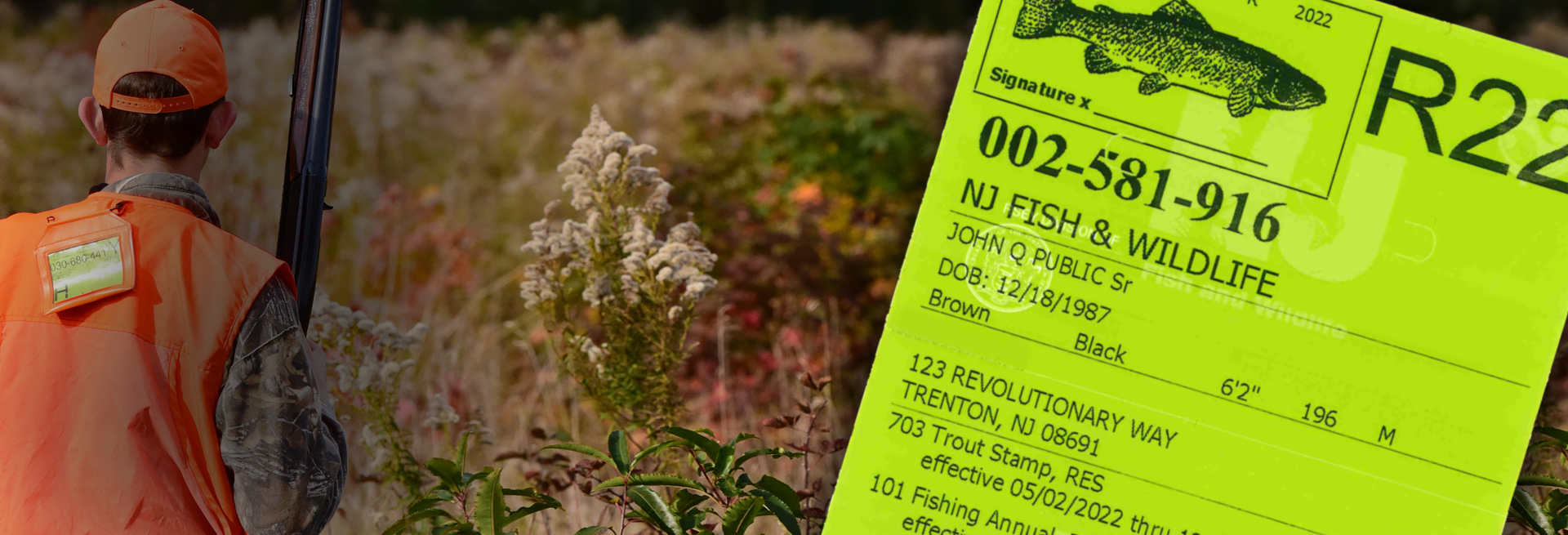
How To Get A Clam License In Nj
Getting a clam license is a simple process. You have two main options:
- Online: Visit the official New Jersey Division of Fish & Wildlife licensing portal. Here, you can create an account, choose your license type, and pay by credit card. Print your license and carry it while clamming.
- In Person: Licenses are also available at many bait shops, sporting goods stores, and some municipal offices along the coast. Bring photo ID and proof of residency if you are applying for a resident license.
You must carry your license with you at all times when harvesting clams. Digital copies on your phone are accepted, but a printed copy is safer in case your device fails.
Where Can You Clam In New Jersey?
Not all waters are open for clamming. The state carefully monitors water quality and only allows harvesting in approved areas.
Approved Vs. Restricted Areas
There are three main categories for shellfish waters:
- Approved: Open to clamming year-round, unless temporarily closed by the state.
- Seasonal: Open only during certain months, usually in colder months to reduce pollution risk.
- Prohibited: Closed to all clamming, often due to pollution or environmental protection.
Maps of approved areas are updated regularly by the NJ Bureau of Shellfisheries. You can find current maps online or at licensing outlets. Popular spots include Barnegat Bay, Raritan Bay, and parts of Great Bay.
How To Check Area Status
Always check the status of your clamming area before harvesting. Areas can be closed temporarily after heavy rain, sewage spills, or other events. The state posts closures online and on signs at many access points.
Clamming Seasons And Legal Limits
New Jersey sets strict rules on when and how many clams you can harvest.
- Season: Most approved areas are open year-round, but some are restricted during summer months.
- Daily Limit: Recreational clammers can take up to 150 hard clams per day.
- Minimum Size: Only clams at least 1.5 inches in length (measured at the widest part) may be kept. Smaller clams must be returned immediately.
| Area | Open Season | Daily Limit |
|---|---|---|
| Barnegat Bay | Year-round | 150 clams |
| Great Bay | Year-round | 150 clams |
| Raritan Bay | Year-round | 150 clams |
| Seasonal Areas | Nov 1 – Apr 30 | 150 clams |
Commercial clamming has different quotas and reporting requirements.

Credit: dep.nj.gov
Tools And Techniques For Clamming
You don’t need expensive equipment to start clamming. Most people use simple gear:
- Rake or tongs: A small hand rake with short teeth, or special shellfish tongs.
- Bucket or mesh bag: To hold your catch.
- Gauge: A clam measuring tool to check size.
Wade into shallow water at low tide, and use your rake to gently dig the top few inches of sand or mud. Clams are usually found a few inches below the surface. Experienced clammers often “feel” for clams with their feet.
Pro tip: Wear old sneakers or water shoes. Shells can be sharp, and buried debris is common.
Rules And Regulations You Must Follow
New Jersey enforces several important rules to protect the environment and public health:
- License Display: You must carry your license at all times.
- Size Limit: Do not keep clams under 1.5 inches.
- Closed Areas: Never harvest from prohibited areas, even if the water looks clean.
- Gear Restrictions: No dredges or mechanical harvesters for recreational use.
- Respect Limits: Do not exceed the daily bag limit.
Breaking these rules can lead to fines, loss of your license, or even criminal charges.

Credit: www.app.com
Common Mistakes Beginners Make
Many first-time clammers miss a few key points that can lead to trouble or disappointment:
- Forgetting to check area closures. Water quality can change quickly after rain, and areas may close without warning.
- Not measuring clams. Eyeballing size is risky — always use a gauge.
- Leaving trash. Always pack out all litter, including bait containers, to keep the waters clean.
- Not rinsing clams. Rinse your clams in clean seawater before taking them home to remove sand and grit.
Why Clam Licensing Matters
Some might wonder why you need a license at all. The answer is sustainability. New Jersey’s coastal waters are heavily used, and shellfish populations can be damaged by over-harvesting or pollution. Licensing lets the state:
- Track how many clams are removed each year.
- Close or reopen areas based on environmental data.
- Fund research and restoration projects.
Responsible clamming helps keep the tradition alive for future generations.
Cleaning And Cooking Your Clams
Once you’ve brought home your legal catch, proper handling is important for safety and taste.
- Rinse clams in seawater (not tap water) to remove sand and grit.
- Store on ice or in the refrigerator. Do not seal live clams in bags — they need to breathe.
- Cook within 24 hours for best taste and safety.
Popular recipes include steamed clams, clam chowder, and baked clams. Always discard any clams that do not open during cooking.
Key Differences: Recreational Vs. Commercial Clam License
It’s important to understand that a recreational license is for personal use only. Selling clams without a commercial license is illegal.
| Feature | Recreational License | Commercial License |
|---|---|---|
| Purpose | Personal use | Sale & distribution |
| Daily Limit | 150 clams | Varies (by quota/area) |
| Reporting | No reporting | Monthly reports required |
| Gear Allowed | Hand tools only | May use larger tools (with restrictions) |
| Fee | $10-20 | $50+ |
If you’re interested in commercial clamming, contact the New Jersey Bureau of Shellfisheries for specific requirements.
Credit: dep.nj.gov
Expert Tips For Safe And Enjoyable Clamming
Beyond the basics, here are some insights that many beginners miss:
- Tides matter: Low tide exposes more clamming ground and makes it easier to find shellfish.
- Go after a rain-free period: Water closures often follow heavy rain, so plan your trip for dry weather.
- Know your locations: Some areas have firm sand, others muddy bottoms. Clams may be deeper in mud, so bring the right rake.
- Harvest ethically: Leave some clams behind in every spot. This helps the population recover and ensures good clamming for everyone.
Resources For Clammers
If you want to dig deeper, the NJ Division of Fish and Wildlife website is the best source for updates on regulations and area closures. You can also check the official NJ Shellfish Program for maps and news.
Frequently Asked Questions
Do I Need A Clam License For Oysters, Mussels, Or Other Shellfish In Nj?
Yes, the same license covers hard clams, oysters, and mussels. However, there may be additional rules for different species and areas. Always check current regulations before harvesting anything other than hard clams.
What Happens If I Clam Without A License?
Clamming without a license is illegal and can result in fines, confiscation of your catch and gear, and even criminal charges for repeat offenders. Authorities often patrol popular areas, especially during peak season.
Can I Harvest Clams For Commercial Use With A Recreational License?
No. A recreational license only allows for personal use (eating, sharing with friends/family). Selling your catch requires a commercial license, which has stricter rules and record-keeping.
How Do I Tell If A Clam Is Big Enough To Keep?
Use a clam gauge, which is available at most bait shops and sporting stores. Measure the clam at its widest point; it must be at least 1.5 inches. If it’s smaller, return it gently to the water.
Are There Health Risks With Eating Wild Clams From Nj Waters?
When you harvest from approved, open areas, clams are generally safe to eat. However, always check for area closures due to pollution, and cook clams thoroughly to reduce risk of illness from bacteria or viruses.
Clamming in New Jersey is a wonderful way to connect with nature, enjoy fresh seafood, and spend quality time with friends and family. By following the rules, respecting the environment, and keeping up with license requirements, you’ll ensure a safe, legal, and rewarding experience every time you dig.