Lake Michigan Pike: A Complete Guide
Lake Michigan is famous for its vast beauty and rich fishing opportunities. One of the standout species in these waters is the northern pike, often called the Lake Michigan pike. With its long body, sharp teeth, and aggressive nature, this fish attracts both beginner and experienced anglers. But there’s more to the Lake Michigan pike than just its fight. Let’s explore what makes this fish special, how to catch it, and why it matters to the lake’s ecosystem.
What Is The Lake Michigan Pike?
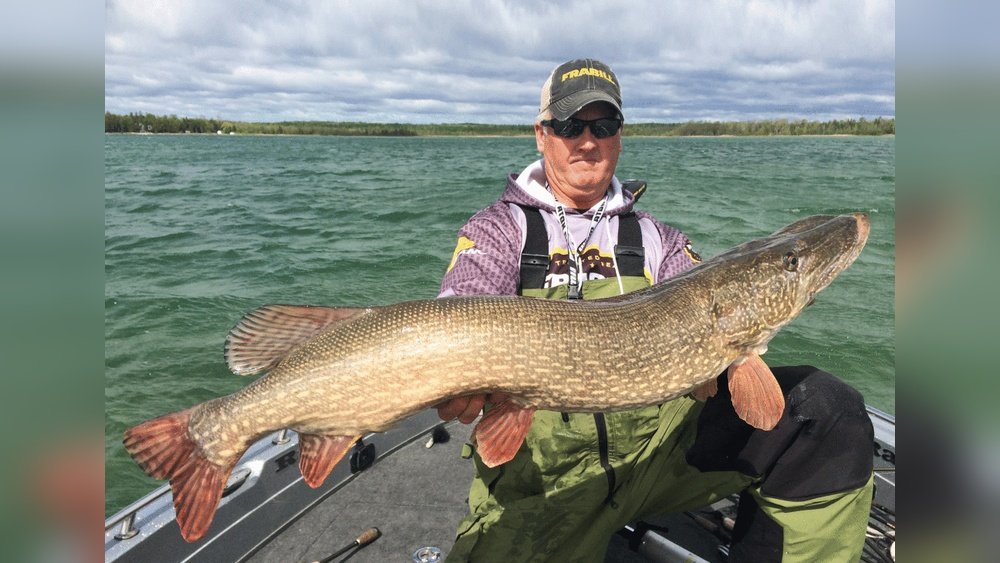
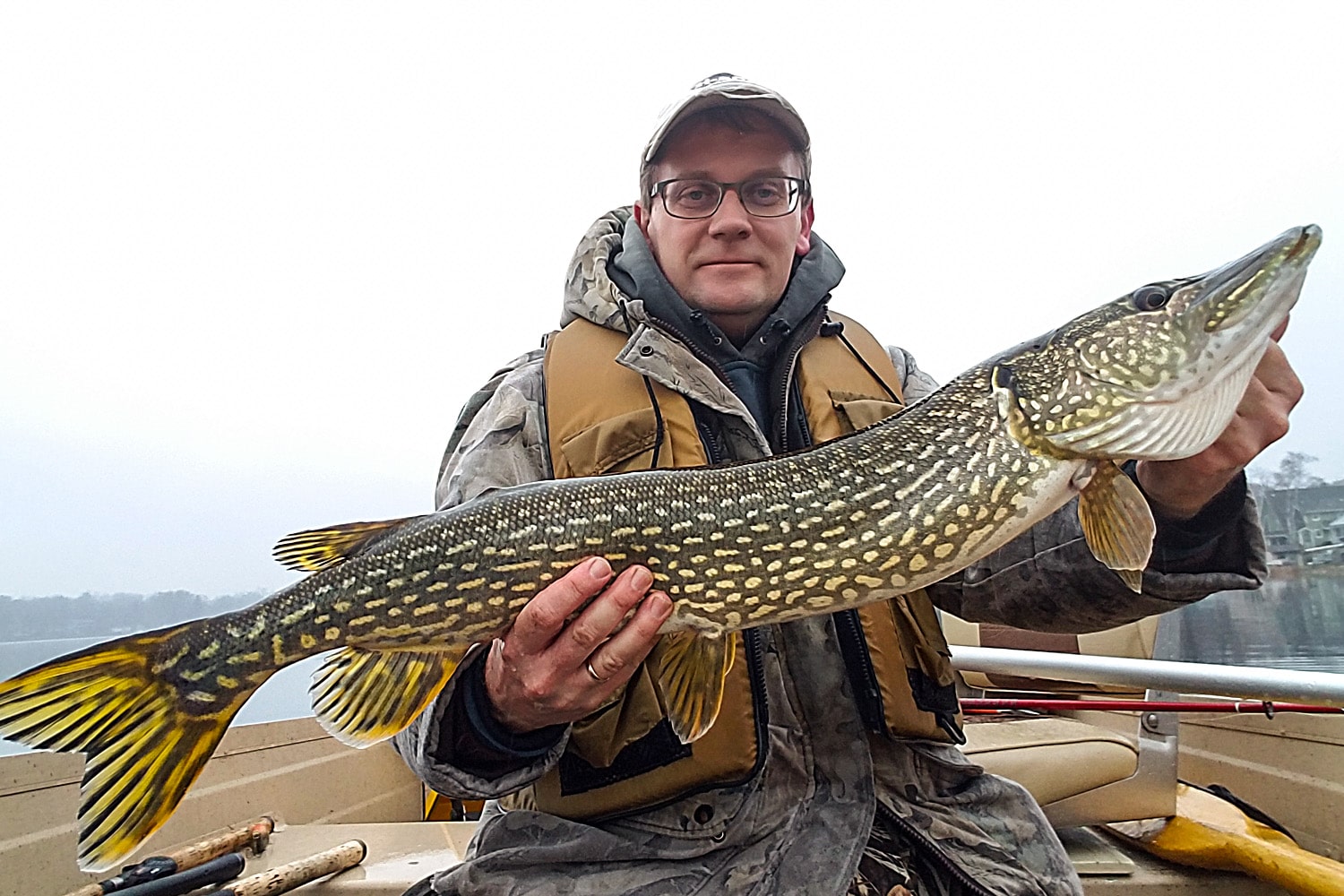
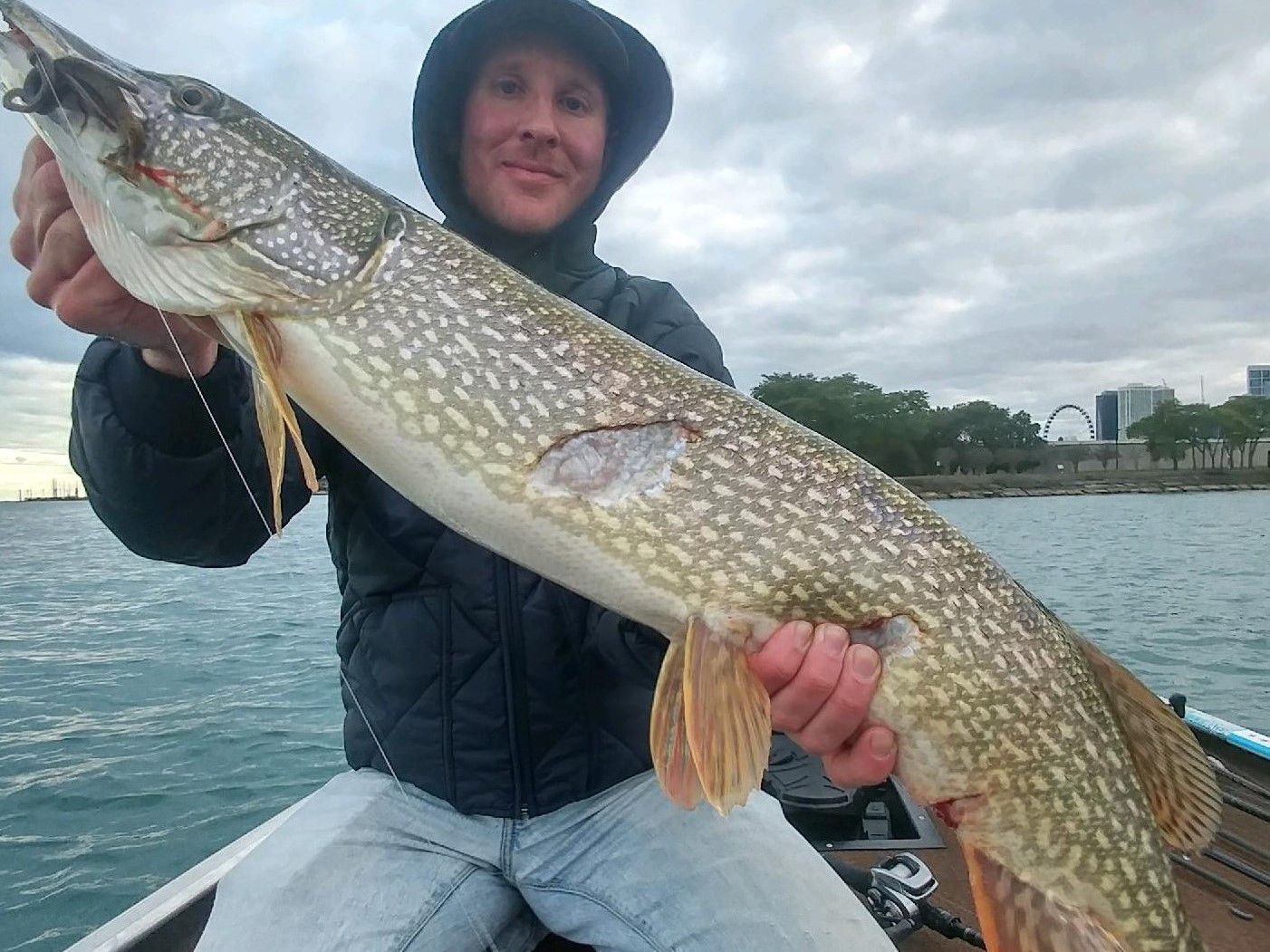
The Lake Michigan pike refers to the northern pike (Esox lucius) found in Lake Michigan and its connecting rivers and bays. These fish are known for their torpedo-shaped bodies and bold, green coloring with yellowish spots. They can grow quite large—adults often reach 24-30 inches, but trophy-sized pike in Lake Michigan can exceed 40 inches and weigh over 20 pounds.
The northern pike is a top predator. It uses its speed and sharp eyesight to ambush smaller fish, frogs, and even ducklings. Because of their role at the top of the food web, pike help balance the ecosystem by controlling populations of smaller fish.
Where To Find Pike In Lake Michigan
Lake Michigan is massive, so knowing where to look makes all the difference. Pike prefer shallow, weedy areas where they can hide and hunt. In spring and early summer, they are found close to shore, especially in bays, river mouths, and marshy spots.
Here are some top pike locations on Lake Michigan:
- Green Bay (Wisconsin): Known for big pike, especially near the Fox River.
- St. Joseph River Mouth (Michigan): Good in early spring and late fall.
- Little Bay de Noc (Michigan): Weedy bays are prime pike habitat.
- Chicago Area Lagoons (Illinois): Urban fishing for pike is possible here.
- Grand Traverse Bay (Michigan): Productive in spring and early summer.
If you target pike in the heat of summer, look for deeper weed beds or drop-offs, as pike move deeper to stay cool.
Credit: midwestoutdoors.com
Best Techniques For Catching Lake Michigan Pike
Catching a Lake Michigan pike is both art and science. Their aggressive feeding means they’ll attack many types of lures and baits, but matching your approach to the season and water conditions is key.
Tackle And Gear
- Medium-heavy rod (7–8 feet) for control and casting distance.
- Reel with strong drag—pike put up a good fight.
- 30–50 lb braided line to prevent break-offs.
- Wire leader: Pike have sharp teeth and can bite through standard line.
Effective Baits And Lures
- Spinnerbaits: Bright colors and vibration attract pike.
- Spoons: Flashy and great for covering water.
- Soft plastic swimbaits: Mimic wounded fish.
- Live bait: Large minnows or suckers work well under a bobber.
Proven Tactics
- Cast lures near weed edges and fallen trees.
- Retrieve with pauses and twitches to imitate injured prey.
- In cold water, slow down your presentation—pike are less active.
- In clear water, use natural colors; in stained water, go bright.
Common Mistakes
- Using too light of a leader—pike will cut your line.
- Fishing too deep in spring or fall—pike are shallow when water is cool.
- Ignoring wind direction—pike often feed where wind pushes baitfish.
Pike Fishing Seasons And Regulations
Pike are active year-round, but the best times are spring (post-spawn) and fall (when they feed heavily before winter). Summer can still produce big fish, but you’ll need to search deeper.
Fishing regulations are important for protecting the pike population. Each state around Lake Michigan has specific rules:
- Wisconsin: Minimum size is usually 26 inches; daily bag limit is 2–5 fish.
- Michigan: Regulations vary by zone; check local rules.
- Illinois and Indiana: Smaller pike populations; stricter limits.
Always check the current fishing guide before your trip. Some areas have catch-and-release only rules during spawning.
Table: Pike Fishing Seasons In Lake Michigan States
| State | Best Months | General Size Limit | Bag Limit |
|---|---|---|---|
| Wisconsin | April–June, September–October | 26 inches | 2–5 |
| Michigan | April–May, October–November | 24–30 inches | 2 |
| Illinois | May–June, October | 24 inches | 1 |
| Indiana | May–June | 24 inches | 3 |
Lake Michigan Pike Vs. Other Predators
How does the Lake Michigan pike compare to other big predators like muskellunge or walleye?
| Species | Average Size | Preferred Habitat | Main Diet |
|---|---|---|---|
| Northern Pike | 24–40 inches | Weedy bays, river mouths | Fish, frogs, small mammals |
| Muskellunge | 30–50 inches | Deeper water, larger lakes | Fish, birds, large prey |
| Walleye | 18–28 inches | Open water, rocky reefs | Fish, insects |
Pike are aggressive and not as picky as muskie, making them a favorite target for anglers who want action.
Credit: chicago.suntimes.com
Ecological Importance Of Pike In Lake Michigan
The Lake Michigan pike is more than just a sport fish. As a top predator, it helps balance the lake’s ecosystem. By eating overpopulated species, pike keep the food chain healthy and prevent the dominance of invasive fish.
However, pike are also sensitive to water quality and habitat changes. Pollution, shoreline development, and invasive species can harm their breeding grounds. This is why conservation efforts and fishing regulations are so important.
One insight many anglers miss: pike are early indicators of ecosystem health. If pike numbers drop, it often signals bigger problems in the lake.
Cleaning And Cooking Lake Michigan Pike
Many people overlook pike as a food fish because of their Y-shaped bones. However, with the right cleaning method, pike is delicious—white, flaky, and mild.
- Use a sharp fillet knife to remove the skin and cut out the Y-bones.
- Pike can be fried, baked, or grilled.
- Soaking the fillets in milk before cooking reduces any fishy taste.
A practical tip: Smaller pike (under 28 inches) are best for eating, as larger fish can taste muddy and may contain more contaminants.
Table: Nutritional Value Of Pike (per 3.5 Oz/100g)
| Nutrient | Amount |
|---|---|
| Calories | 88 |
| Protein | 19g |
| Fat | 0.8g |
| Omega-3 | 0.2g |
Frequently Asked Questions
What Is The Best Time Of Year To Catch Lake Michigan Pike?
The best times are spring (April–June) and fall (September–November) when pike are shallow and feeding actively. Early morning and late afternoon are also productive.
How Big Do Lake Michigan Pike Get?
Pike in Lake Michigan commonly reach 24–30 inches, but trophy fish can exceed 40 inches and weigh over 20 pounds.
Are Pike Safe To Eat From Lake Michigan?
Yes, pike are safe to eat, especially smaller ones. Always check local fish consumption advisories for the latest safety guidelines.
What Is The Main Difference Between Pike And Muskie?
Muskie grow larger and have different markings. Pike have more spots, while muskie have vertical bars or no pattern. Muskie are also rarer in Lake Michigan.
Do I Need A Special License To Fish For Pike?
You need a state fishing license for the state you are fishing in (Wisconsin, Michigan, Illinois, or Indiana). Some areas may require extra permits.
Lake Michigan pike offer excitement for anglers and play a key role in the lake’s ecology. Whether you’re fishing for sport or food, knowing where to find them, how to catch them, and how to respect their place in nature makes every trip more rewarding. For more details about northern pike, visit the Wikipedia page on Northern Pike.
Credit: www.gameandfishmag.com