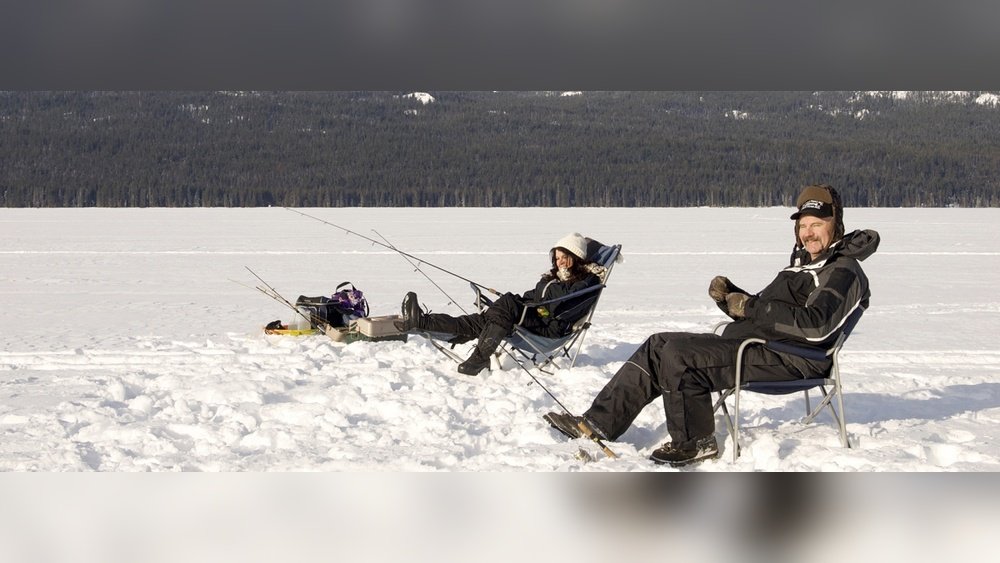
Ice fishing in Oregon is a unique outdoor adventure that combines the beauty of winter landscapes with the excitement of catching fish through the ice. While many people think of Minnesota or Canada for ice fishing, Oregon offers some fantastic spots that are less crowded but just as rewarding.
For both beginners and experienced anglers, Oregon’s frozen lakes provide an opportunity to enjoy nature, test your skills, and even bring home dinner. Before you start, it’s important to understand the rules, the best locations, essential gear, and how to stay safe on the ice.
Why Try Ice Fishing In Oregon?
Oregon’s climate and geography give it several lakes that freeze solid enough for safe ice fishing in winter. The state is known for its trout, kokanee, and perch fisheries, and ice fishing adds a new twist to catching these species. Unlike summer fishing, you can walk out on the lake, drill a hole, and fish where the action is hottest. The quiet, crisp air and the thrill of seeing a fish surface through the ice are experiences you won’t forget.
Ice fishing in Oregon can also be more accessible than you might think. Many lakes are near well-maintained roads, and you don’t need a boat to reach productive fishing spots. For families or groups of friends, it’s an affordable and memorable way to spend a winter day.
Best Ice Fishing Spots In Oregon
Some lakes freeze more reliably than others, and knowing where to go is half the battle. Here are some of Oregon’s top ice fishing destinations:
1. Lake Of The Woods (near Klamath Falls)
Known for its stocked rainbow trout and yellow perch, this lake is one of the most popular ice fishing spots in southern Oregon. The lake is easy to access, and there are amenities like a resort, heated cabins, and even gear rentals.
Ice thickness is usually safe from December through February.
2. Diamond Lake
Located in the southern Cascades, Diamond Lake is famous for its large rainbow trout. The ice can get thick here, sometimes over 15 inches. Local guides often offer advice or even full-service trips. The nearby resort provides food, shelter, and updates on ice conditions.
3. Fish Lake
On the Rogue River-Siskiyou National Forest border, Fish Lake offers rainbow trout, brook trout, and perch. It is less crowded than Diamond Lake, making it perfect for those seeking quiet.
4. Odell Lake
Near Willamette Pass, Odell Lake is best for kokanee and mackinaw (lake trout). Ice forms reliably in most winters, but always check with local authorities before venturing out.
5. Phillips Reservoir
In eastern Oregon, near Baker City, this reservoir is known for perch and rainbow trout. It’s a great spot for families and has a reputation for steady action throughout the season.
6. Chickahominy Reservoir
Located in Harney County, this high desert reservoir is a hidden gem for ice anglers. The trout here can be big, and the open surroundings make for stunning winter scenery.
Each of these lakes has its own character and challenges, so it’s wise to learn the specifics before your trip. Some lakes require a longer hike or snowmobile ride to reach the best ice, while others are accessible right from a parking lot.

Credit: pastimefishingadventures.com
Essential Gear For Ice Fishing In Oregon
Ice fishing doesn’t require a huge investment, but you do need some specialized equipment to stay safe and comfortable.
| Item | Purpose | Average Cost |
|---|---|---|
| Ice Auger | Drill holes in the ice | $60–$200+ |
| Ice Rod & Reel | Shorter than regular rods, fits over the hole | $20–$60 |
| Tip-Ups | Hold baited lines and signal bites | $10–$30 each |
| Ice Scoop | Remove slush from holes | $5–$15 |
| Warm Clothing | Stay dry and insulated | Varies |
| Portable Shelter | Protect from wind and snow | $100–$300+ |
| Safety Gear | Ice picks, throw rope, cleats | $20–$50 |
Clothing And Comfort
Staying warm is critical. Dress in layers: a moisture-wicking base, insulating mid-layer, and a windproof/waterproof outer shell. Don’t forget insulated boots, thick socks, gloves, and a warm hat. Bring extra clothes in case you get wet.
Shelter And Seating
While some anglers tough it out in the open, a small pop-up ice shelter can make your trip more enjoyable. It shields you from wind and snow, and some even have built-in floors. Bring a sturdy chair or bucket to sit on while you fish.
Non-obvious Gear
Two items beginners often miss are ice cleats (for better traction on slick surfaces) and a sled for hauling gear. Oregon lakes can be icy and snow-covered, and these tools make moving across the ice much safer and easier.
Safety First: How To Stay Safe On Oregon Ice
Ice fishing can be very safe if you follow the right steps. However, Oregon’s weather can be unpredictable, and not all lakes freeze evenly.
1. Check Ice Thickness
The ice should be at least 4 inches thick for walking. Use a spud bar or auger to test it as you go. New, clear ice is stronger than old, cloudy ice.
2. Go With A Friend
Never fish alone. If you fall in, a partner can help you out and call for help.
3. Carry Ice Picks
Keep these around your neck. If you fall through, they help you pull yourself back onto solid ice.
4. Wear A Life Vest
A floatation device gives you extra security, especially early or late in the season when ice is thinner.
5. Tell Someone Your Plans
Always let someone know where you’re fishing and when you expect to return.
6. Watch For Hazards
Avoid areas with flowing water, springs, or visible cracks. These spots are often weaker.
Here’s a quick reference for safe ice thickness:
| Ice Thickness | Safe Activity |
|---|---|
| 2 inches or less | Unsafe for any activity |
| 4 inches | Walking, ice fishing |
| 5–7 inches | Snowmobiles, ATVs |
| 8–12 inches | Cars, small trucks |
Remember, these are general guidelines. Always use caution and trust local advice.
Licenses And Regulations
Before you fish, you need an Oregon fishing license. You can buy daily, multi-day, or annual licenses. Some lakes have special rules, such as limits on the number or size of fish you can keep, or restrictions on certain gear.
- Check the Oregon Department of Fish and Wildlife (ODFW) website for up-to-date regulations.
- Many lakes have a 5-trout daily limit, but this can vary by location and species.
- Barbless hooks may be required in some areas to protect native fish populations.
Violating fishing rules can lead to hefty fines and even the loss of your fishing privileges. Make sure you are familiar with the current rules before you go.
When Is The Best Time For Ice Fishing In Oregon?
The ice fishing season in Oregon usually starts in late December and can run through February or March, depending on the weather. The best ice forms after several days of cold temperatures below freezing.
- Morning and late afternoon are typically the most productive times, as fish are more active.
- Early season (just after the ice forms) often sees the best action, as fish are less wary and more aggressive.
- As winter progresses, fish may slow down, but you can still catch them by adjusting your tactics.
Weather changes can quickly affect ice conditions, so always check local forecasts and recent reports before heading out.

Credit: myodfw.com
Tips And Techniques For Oregon Ice Fishing
Success on the ice comes down to a few key strategies.
1. Use The Right Bait
For trout and kokanee, try small jigs tipped with worms, mealworms, or corn. Perch often go for maggots or small minnows.
2. Fish At The Right Depth
Most fish in winter stay near the bottom, so lower your bait close to the lake floor. Use a sonar or fish finder if you have one.
3. Move To Find Fish
If you’re not getting bites after 20–30 minutes, drill another hole and try a new spot. Mobility can be the difference between a slow day and a full bucket.
4. Watch Your Line
Ice fishing bites are often very light. Use a sensitive rod and watch for subtle movements.
5. Use Tip-ups For Multiple Lines
Oregon allows two rods per angler in most lakes during winter. Tip-ups let you fish more holes at once and increase your chances.
Practical Example
At Lake of the Woods, many anglers start with a small jig tipped with a waxworm about a foot off the bottom. If trout aren’t biting, they’ll move to shallower water or switch to perch using a smaller hook and a piece of nightcrawler.
This flexibility is often rewarded with a mix of fish for the day.
Comparing Oregon Ice Fishing To Other Regions
Oregon’s ice fishing scene is different from the Midwest or Northeast. Here’s a quick comparison:
| Region | Ice Season Length | Main Species | Typical Ice Thickness |
|---|---|---|---|
| Oregon | 2–3 months | Trout, perch, kokanee | 6–15 inches |
| Minnesota | 4–5 months | Walleye, pike, perch | 12–36 inches |
| New York | 3–4 months | Panfish, bass, trout | 10–24 inches |
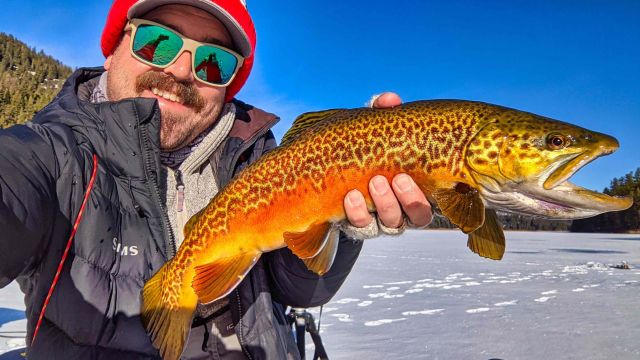
Oregon’s season is shorter, but you’ll enjoy lighter crowds and breathtaking mountain scenery.
Credit: www.pdxmonthly.com
Common Mistakes Beginners Make
Many new ice anglers in Oregon make the same errors:
- Not checking ice thickness: Always test as you go.
- Wearing cotton: Cotton absorbs moisture and will make you cold. Use synthetic or wool layers instead.
- Bringing too much gear: Pack light; you may need to walk or pull your sled far from the parking area.
- Ignoring weather: Sudden warm spells can make ice unsafe quickly.
A less obvious mistake is assuming all lakes freeze at the same rate. Some areas with springs or currents may never be safe, even if most of the lake has thick ice.
Hidden Benefits Of Ice Fishing In Oregon
While many people focus on the catch, ice fishing here offers other rewards:
- Wildlife viewing: You might see eagles, otters, or deer.
- Winter exercise: Walking on the ice and drilling holes is great for fitness.
- Community: Ice fishing often brings people together, with friendly advice and shared stories on the ice.
Many experienced anglers say that the peace and quiet on an Oregon lake in winter is as satisfying as a full stringer of fish.
Frequently Asked Questions
How Thick Does The Ice Need To Be For Safe Fishing In Oregon?
You should have at least 4 inches of clear, solid ice before walking out to fish. Always check the thickness regularly, as it can vary even across the same lake.
Do I Need A Special License For Ice Fishing In Oregon?
No, a regular Oregon fishing license covers ice fishing. You must follow all seasonal and species-specific regulations, which you can find on the ODFW website.
What Fish Can I Catch While Ice Fishing In Oregon?
The main species are rainbow trout, yellow perch, kokanee, and brook trout. Some lakes may also have brown trout or lake trout.
Are There Any Guided Ice Fishing Trips In Oregon?
Yes, several outfitters offer guided trips, especially at popular lakes like Diamond Lake and Lake of the Woods. They provide gear, shelters, and local knowledge, which can be especially helpful for beginners.
Where Can I Find Up-to-date Ice Conditions For Oregon Lakes?
For the latest reports, check with local resorts, bait shops, or the Oregon Department of Fish and Wildlife. Social media groups and fishing forums can also provide real-time updates.
Ice fishing in Oregon is more than just a way to catch fish—it’s a chance to enjoy the state’s winter beauty and create lasting memories. Whether you’re trying it for the first time or returning for another season, careful preparation and respect for nature will help you make the most of your time on the ice.
Stay safe, follow the rules, and you’ll discover why so many anglers look forward to Oregon’s frozen lakes every year.