Bank Poles For Catfishing
Catfishing is one of those fishing styles where patience, technique, and the right gear come together. Among the gear, bank poles stand out for their simplicity and effectiveness. Many anglers, from beginners to old pros, rely on bank poles to catch big catfish in rivers, lakes, and reservoirs. But what exactly are bank poles? How do they work, and why do so many catfish enthusiasts trust them? Let’s dive into everything you need to know about bank poles for catfishing, from choosing the best materials to tips for success and common mistakes to avoid.
What Are Bank Poles For Catfishing?
Bank poles are long, sturdy rods placed along the shoreline or riverbank. They hold a baited line in the water, waiting for a catfish to bite. Unlike rod-and-reel fishing, bank poling is more of a “set it and check it” method.
You place the pole securely in the ground, attach your line and bait, and let it sit—sometimes overnight—while you do other things or check other lines.
The best part? Bank poles can catch really big catfish, and you don’t need expensive gear or advanced skills to use them. They are perfect for people who want a simple but effective way to fish.
Types Of Bank Poles
Bank poles come in different shapes, sizes, and materials. Each type has its strengths. Here’s a look at the most common options you’ll see on the bank.
| Type | Main Material | Typical Length | Best For |
|---|---|---|---|
| Bamboo Poles | Bamboo | 8-14 ft | Budget, easy setup |
| PVC Poles | PVC Pipe | 6-10 ft | Durability, DIY projects |
| Metal Poles | Steel/Aluminum | 6-12 ft | Heavy-duty, strong current |
| Wooden Saplings | Natural Wood | 8-16 ft | Traditional, easy to find |
Bamboo Poles
Bamboo is a classic choice. It’s light, strong, and cheap. Many anglers cut their own bamboo, sharpen one end, and stick it in the ground. Bamboo poles bend nicely when a catfish bites, making it easy to spot action.
Pvc Poles
These poles are made from regular PVC pipe you can buy at any hardware store. They’re tough, last a long time, and you can cut them to your preferred length. Some people fill the bottom with sand or concrete for extra stability.
Metal Poles
If you need something sturdy for big fish or strong currents, metal poles are the way to go. Steel or aluminum poles don’t break easily, but they’re heavier and can be more expensive.
Wooden Saplings
Many old-school anglers use fresh-cut wooden saplings. These are easy to find along the river and provide a natural look. They can be strong, but sometimes rot or crack if reused many times.
Choosing The Right Bank Pole
Picking the best bank pole is about matching the pole to your fishing spot, target catfish size, and budget. Here are a few key factors to consider:
- Length: Longer poles (10-14 feet) can reach deeper water, while shorter poles (6-8 feet) are easier to carry and set up.
- Strength: Thicker, sturdy poles handle bigger catfish and tougher conditions.
- Flexibility: A little bend is good—it helps absorb the force of a big fish.
- Weight: Heavier poles are harder to carry but stay put in strong current.
- Weather Resistance: PVC and metal last longer in rain or sun, while bamboo and wood may wear out faster.
A common mistake for beginners is using a pole that’s too thin or short. These can break or get pulled into the water by a large catfish. It’s better to go a little heavier and longer than you think you’ll need.
How To Set Up A Bank Pole
Setting up a bank pole is simple, but doing it right can make a big difference in your catch rate.
Step-by-step Setup
- Choose your spot: Look for places with slow-moving water, near holes, submerged logs, or drop-offs. Catfish love cover and deeper areas.
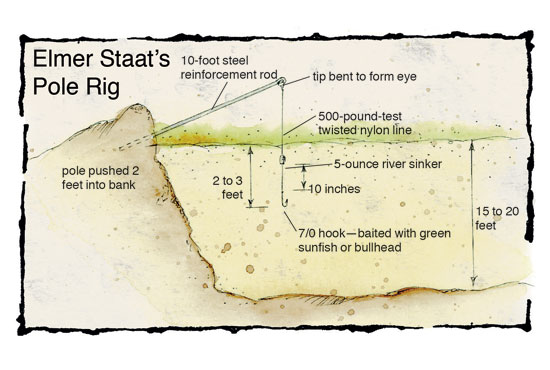
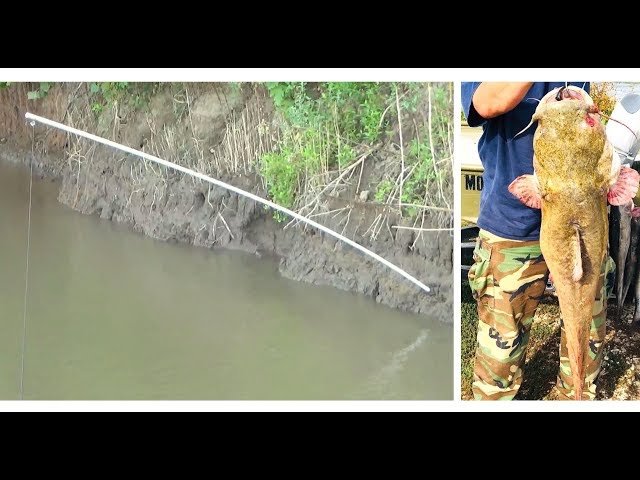
- Drive the pole into the bank: Sharpen one end and push it deep into the ground at an angle—about 45 degrees—so it points over the water. The pole should be stable enough to handle a strong pull.
- Attach your line: Use strong fishing line (20-50 lb test is common). Tie it securely near the tip of the pole.
- Add a leader and hook: Attach a strong leader (steel or heavy monofilament) and a sharp, appropriate-sized hook (usually 4/0 to 8/0 for catfish).
- Bait up: Use fresh bait—cut shad, nightcrawlers, chicken liver, or commercial stink baits work well.
- Set your line depth: Adjust the length of your line so the bait hangs just above the bottom, where catfish search for food.
- Secure the line: Some anglers use a simple knot, while others add a slip knot or clip for easy removal.
A clever tip: Attach a bell or glow stick to the end of your pole. It helps you notice bites, especially at night.

Credit: www.catfishgetters.com
Bank Pole Rigging Options
The way you rig your line affects how well you catch catfish. Here are three popular rigging styles:
- Basic single hook rig: Just a hook tied to the main line with a weight above it. Simple and effective.
- Slip sinker rig: Thread a sliding sinker on your line above a swivel, then tie the hook below. This lets catfish take the bait without feeling much resistance.
- Double hook rig: Use two hooks a foot apart. This works well with long baits like cut shad.
| Rig Type | Main Advantage | When to Use |
|---|---|---|
| Single Hook | Fast setup, fewer tangles | Small to medium catfish |
| Slip Sinker | More natural bait movement | Bigger fish, moving water |
| Double Hook | Better for long baits | Big catfish, deep water |
Insider tip: Beginners often use too much weight. Use just enough to keep the bait near the bottom but not so much that a fish feels resistance and drops the bait.
Best Baits For Bank Poles
Not all baits are equal when it comes to catfish. The right bait can turn a slow night into a busy one. Here are favorites among experienced bank polers:
- Cut bait: Pieces of shad, skipjack, or other oily fish. Catfish love the smell.
- Nightcrawlers: Big worms work for both channel and blue catfish.
- Chicken liver: Messy but very effective for channel cats.
- Stink baits: Commercial dough or dip baits. Easy to use, strong smell.
- Live bait: Small sunfish or goldfish (check local laws first).
A non-obvious trick: In muddy water, try baits with extra strong odor. Catfish use their sense of smell more than sight, especially at night or in murky conditions.
Credit: www.in-fisherman.com
Legal Considerations And Safety
Before you set out your bank poles, make sure you know the local fishing laws. In many states, you need a fishing license. Some places also limit:
- The number of poles you can use
- Where you can set them
- The type of bait or hooks allowed
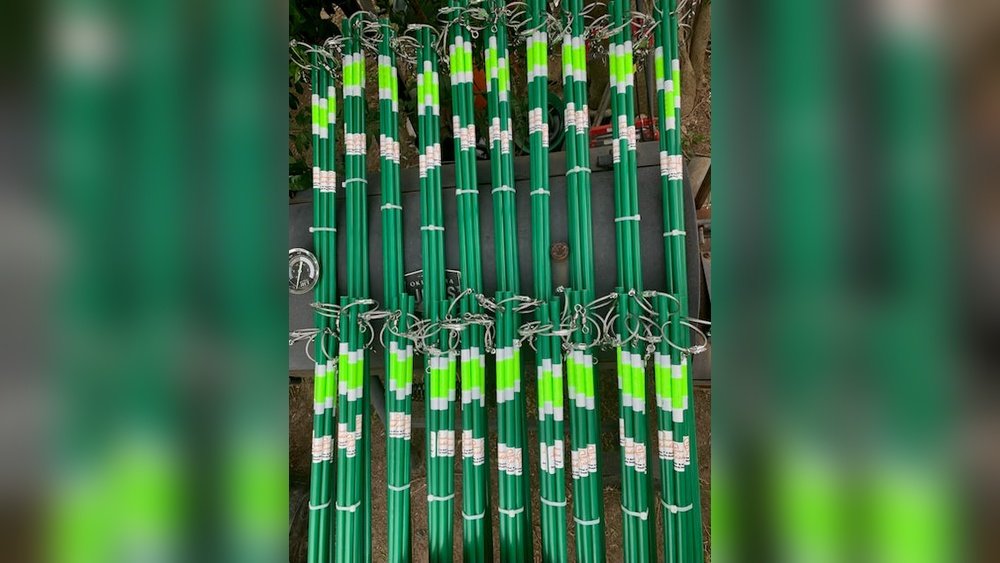
- Marking your poles with name or ID
Always check the rules from your state’s wildlife agency. For example, in Missouri, you can have up to 33 bank poles, but they must be labeled. Breaking these rules can lead to fines or having your gear taken away. For more details, visit the Missouri Department of Conservation.
Safety is also important. When setting or checking poles at night, bring a good flashlight, wear boots, and watch for slippery banks or snakes. Always tell someone where you’re fishing and when you’ll be back.
Advantages Of Bank Poles
Why do so many catfish anglers love bank poles? Here are some key reasons:
- Low cost: You can make your own poles for a few dollars.
- Set-and-forget: Place your poles, then relax, fish with a rod, or do other activities.
- Catch big fish: Bank poles are strong enough for trophy catfish.
- Cover more water: Set multiple poles along the shoreline to increase your chances.
- Simple gear: No reels or fancy equipment needed.
Common Mistakes To Avoid
Even experienced anglers make mistakes with bank poling. Here are problems to watch out for:
- Setting the pole too shallow: Catfish often stay in deeper water during the day.
- Weak anchoring: If the pole isn’t deep in the bank, a big catfish can pull it into the water.
- Using light line: Catfish are powerful. Light line can snap easily.
- Not checking poles often: Fish can swallow the hook deep or get tangled.
- Ignoring the weather: Rising water or storms can wash away your gear.
A tip many miss: After rain, catfish move closer to the banks to feed on washed-in food. Set your poles in new spots after a storm for better results.
Tips For Bank Poling Success
- Mark your poles: Use bright tape or flags to find them in tall grass or at night.
- Stagger your baits: Try different depths and baits to see what works best that day.
- Check local reports: Ask at bait shops or check fishing forums for recent catfish activity.
- Keep a notebook: Record what spots, baits, and setups work best. Patterns often repeat.
- Bring extra gear: Spare hooks, sinkers, and line save trips back to the car.
A smart move: Use a small float near the bait to keep it just off the bottom, especially in muddy or weedy areas.
Bank Poles Vs. Other Catfish Methods
How do bank poles compare with other ways to catch catfish? Here’s a quick side-by-side:
| Method | Effort Needed | Best For | Main Limitation |
|---|---|---|---|
| Bank Poles | Low | Set-and-forget, multiple spots | Less active, must check often |
| Rod and Reel | High | Active fishing, fighting fish | One spot at a time |
| Trotlines | Medium | Deep water, many hooks | Complex setup, more regulations |
| Limb Lines | Low | No bank access needed | Trees must be present |
Bank poles offer a unique mix of simplicity, power, and coverage. They’re especially good for beginners or anyone who wants to maximize their chances with less effort.
Frequently Asked Questions
What Is The Best Material For A Bank Pole?
Bamboo and PVC are most popular. Bamboo is cheap and bends well, but can break over time. PVC is durable and easy to find in hardware stores. For very big catfish, some anglers prefer metal for extra strength.
How Many Bank Poles Can I Use Legally?
It depends on your state. Some states allow a dozen or more, while others have stricter limits. Always check your local fishing regulations before you start.
What Is The Best Bait For Catfish On Bank Poles?
Cut bait like shad or skipjack is hard to beat for big catfish. Nightcrawlers and chicken liver also work well, especially for channel catfish. Try different baits to see what works in your area.
How Often Should I Check My Bank Poles?
Check at least every few hours. If fishing overnight, check early in the morning. Regular checks help you avoid gut-hooking fish and losing tackle.
Do I Need A Fishing License For Bank Poling?
Yes, in almost all states you need a fishing license. Some areas also require you to label your poles with your name and address. Rules can change, so check with your state’s wildlife agency.
Fishing with bank poles is one of the most enjoyable ways to target catfish. With the right setup, a bit of patience, and attention to detail, you can catch impressive fish and enjoy peaceful hours by the water. Whether you’re new to catfishing or looking for a reliable way to boost your catch, bank poling is a tradition worth trying.
Credit: www.youtube.com