Fishing the Tualatin River offers a unique blend of nature, challenge, and relaxation right in the heart of Oregon’s Willamette Valley. While it may not be as famous as the Columbia or Willamette Rivers, the Tualatin has its own secrets for those willing to explore.
Imagine casting your line near a shaded bank, hearing the gentle flow of water, and perhaps spotting a heron in the distance. The river welcomes both beginners and skilled anglers, offering a range of fish and plenty of quiet spots to enjoy.
This guide will help you understand the river’s character, know what fish to expect, and make the most of your fishing trip—whether you come with a boat or just a rod and a handful of bait.
Getting To Know The Tualatin River
The Tualatin River winds for about 80 miles through Washington and Clackamas counties, eventually joining the Willamette River near West Linn. Unlike fast-moving mountain streams, the Tualatin is a slow-moving, meandering river. Its calm waters are perfect for relaxed fishing and easy paddling.
Most of the river is accessible by public parks and boat ramps, especially in cities like Hillsboro, Tigard, and West Linn. Compared to busier rivers, you will find less crowded banks and more peaceful surroundings. The Tualatin is also popular among kayakers, birdwatchers, and families looking for a day out.
One important thing to remember: water levels and clarity change through the year. In winter and early spring, rain can make the river high and muddy. In summer, water levels drop, and the river flows clear, making it easier to spot fish.
Fish Species In The Tualatin River
The Tualatin River is home to several warmwater fish species. While you won’t find wild salmon runs, the variety here can surprise you. Here are the main types you can catch:
- Largemouth Bass – One of the most popular targets. The best spots are near fallen logs, overhanging trees, or lily pads.
- Smallmouth Bass – Less common than largemouth, but present in rocky areas or near fast-moving water.
- Crappie – Both black and white crappie are found in slow, quiet stretches. They like brush piles and submerged branches.
- Bluegill and Sunfish – Plentiful in shallow, weedy areas. Great for beginners and kids.
- Catfish – Bullhead and channel catfish are active at night and around deep holes.
- Carp – Large and powerful, common in backwaters. They can be tricky but offer a strong fight.
- Yellow Perch – Sometimes caught, especially in the lower river.
While trout are stocked in some nearby ponds, they are rare in the main river. If you want to target gamefish, focus on bass, crappie, and catfish.

Credit: www.youtube.com
Best Fishing Spots Along The Tualatin
Finding the right place to fish can make all the difference. Here are a few of the most productive and accessible spots:
- Cook Park (Tigard): Offers a boat ramp, fishing dock, and plenty of bank access. Try the area near the bridge for bass and sunfish.
- Rood Bridge Park (Hillsboro): Good for families, with a gentle current and easy parking. Bluegill and crappie are common here.
- Jurgens Park: Less crowded, with some deeper pools for catfish and bass.
- Willamette Park (West Linn): Near the river’s mouth, offering both boat and bank fishing. Look for rocky edges for smallmouth bass.
- Brown’s Ferry Park: A calm spot for kayak anglers and bank fishing, with lots of overhanging trees.
Some areas are only reachable by small boat or kayak. Exploring these quieter stretches often leads to better fishing and less competition.
When To Fish The Tualatin River
Timing can greatly affect your success. The Tualatin’s fishing changes with the seasons:
- Spring: As water warms, bass and crappie become active. Early mornings and evenings are best.
- Summer: Peak season for all species. Water is clearer, and fish often feed along the banks. Watch for aquatic plants growing thick.
- Fall: Fish remain active until the first cold rains. Less boat traffic makes for peaceful fishing.
- Winter: Fishing slows as water cools and rises. Catfish and carp may still bite during warm spells.
For the best results, plan your trip when water levels are moderate and the weather is stable. After heavy rains, give the river a few days to clear up.
Fishing Techniques For The Tualatin
The Tualatin’s gentle current and structure call for specific techniques. Here’s how to target the main species:
Bass Fishing
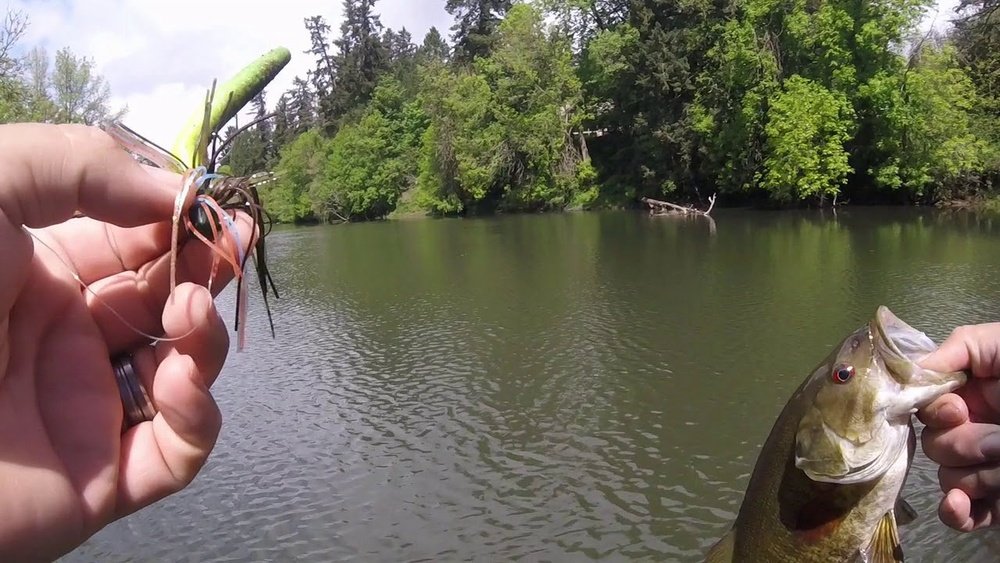
Use light to medium spinning gear. Cast soft plastic worms or lures near logs, roots, and weeds. Early morning and evening are prime times. Topwater lures work well when the water is calm.
Crappie And Panfish
Small jigs or live bait under a bobber are very effective. Look for shaded areas or submerged branches. Move your bait slowly and be patient—panfish can be shy.
Catfish
Fish on the bottom using nightcrawlers, chicken liver, or stink baits. Catfish are most active at dusk and after dark. Heavy sinkers help keep your bait in place.
Carp
Use corn or dough balls with a small hook. Watch for carp “tailing” in the shallows. They are wary, so keep quiet and use light line.
Kayak And Canoe Fishing
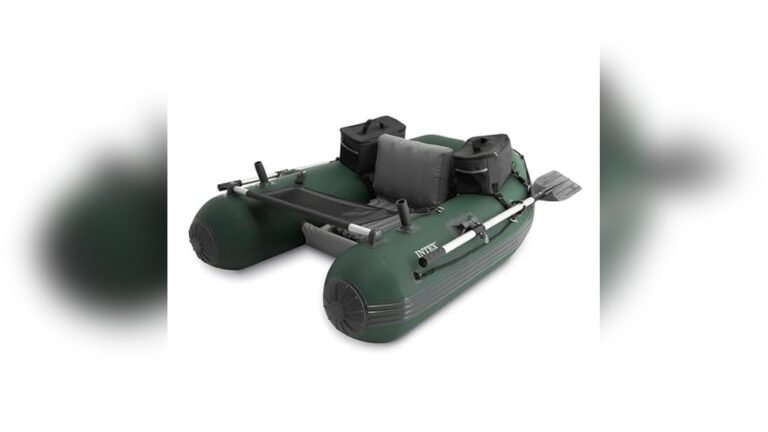
Kayaks and canoes give you access to hidden spots. Move quietly and cast towards the bank or under overhanging trees. Always wear a life jacket—currents can change quickly.
Fishing Regulations And Licenses
Oregon fishing laws apply to the Tualatin River. All anglers aged 12 and older need a valid Oregon fishing license. Some key rules:
- Bass: No size or bag limits, but responsible harvest is encouraged.
- Crappie, bluegill, and perch: No limits, but check current regulations.
- Catfish: No limits, but release large fish for future generations.
- Salmon and trout: Rare in the river, but subject to state rules if caught.
Always check the latest rules before your trip, as regulations can change. Visit the Oregon Department of Fish and Wildlife (ODFW) website for details.
Credit: www.oregonfishingforum.com
Gear And Tackle Recommendations
You don’t need expensive gear to fish the Tualatin River. Here’s what works best:
- Rod and Reel: A 6-7 foot spinning rod with 6-12 lb line covers most species.
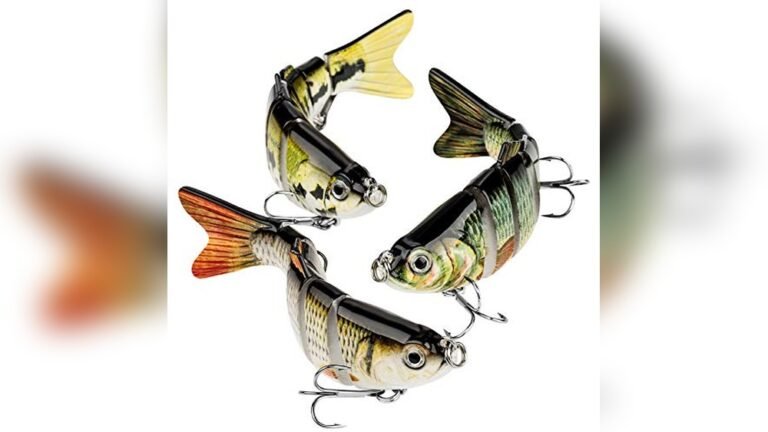
- Lures: Soft plastics, spinnerbaits, and small crankbaits for bass. Jigs and worms for panfish.
- Bait: Nightcrawlers, chicken liver, and corn are easy to find and effective.
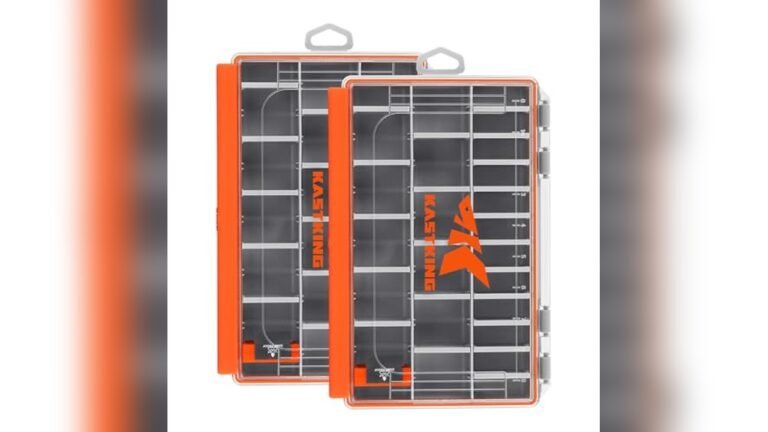
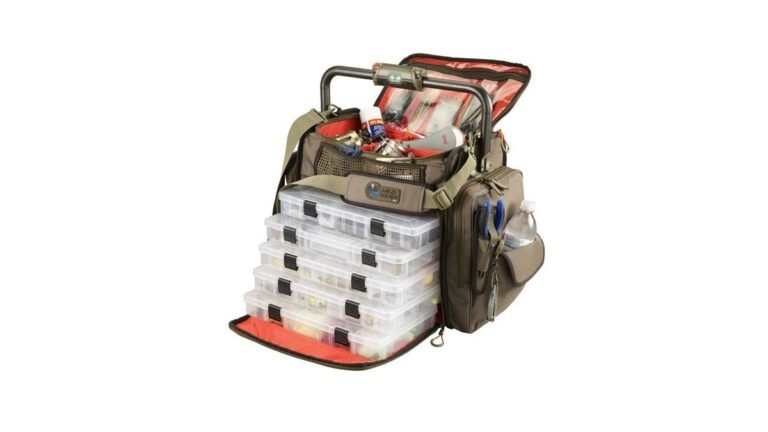
- Tackle Box: Keep it simple—hooks, sinkers, bobbers, and a few favorite lures.
- Net and Pliers: A small landing net and needle-nose pliers are handy for unhooking fish.
- Polarized Sunglasses: Help you spot fish and protect your eyes.
- Life Jacket: Especially important for boaters and kayakers.
If you’re new to fishing, start with a basic setup. Add more gear as you gain experience.
Safety And Etiquette On The River
The Tualatin is safe for most anglers, but a few simple tips will help you avoid trouble:
- Check water levels: High or fast water can be dangerous, especially for wading or small boats.
- Wear a life jacket: Always, when on the water.
- Respect private property: Fish only where allowed. Many banks are public, but some are not.
- Leave no trace: Pack out all trash, including fishing line and bait containers.
- Be courteous: Give space to other anglers and paddlers.
- Watch for wildlife: Be aware of beavers, otters, and nesting birds.
If you bring kids, keep them within sight. The river’s banks can be slippery in places.
Comparing Popular Fishing Spots
Here’s a look at how some of the Tualatin’s top spots compare for anglers:
| Spot | Best For | Facilities | Boat Access |
|---|---|---|---|
| Cook Park | Bass, Sunfish | Restrooms, Picnic, Dock | Ramp |
| Rood Bridge Park | Crappie, Bluegill | Restrooms, Trails | No |
| Willamette Park | Smallmouth Bass | Restrooms, Playground, Dock | Ramp |
| Brown’s Ferry Park | Quiet Fishing | Walking Paths, Benches | No |
Seasonal Fish Activity
Understanding when each species is most active helps you plan your trip:
| Species | Spring | Summer | Fall | Winter |
|---|---|---|---|---|
| Largemouth Bass | Good | Excellent | Good | Poor |
| Crappie | Excellent | Good | Fair | Poor |
| Catfish | Fair | Good | Good | Fair |
| Carp | Fair | Good | Good | Fair |
| Bluegill/Sunfish | Good | Excellent | Good | Poor |
Tips For A Successful Day
- Arrive early or late: Fish are most active at dawn and dusk.
- Try different spots: If you don’t get bites, move to another area.
- Match your bait: Use small lures for panfish, bigger ones for bass.
- Watch the water: Look for jumping fish or swirls—these show feeding activity.
- Bring insect repellent: Mosquitoes can be thick, especially in summer.
- Check the weather: Sudden storms can make the river unsafe.
One non-obvious tip: after a light rain, fish often move into shallow, flooded areas to feed. Try casting close to new water edges for surprise catches.
Another insight: In mid-summer, thick weeds can make fishing tough. Look for open pockets in the vegetation—these attract fish looking for shade and oxygen.
Conservation And Stewardship
The Tualatin River is a living system that depends on care from its visitors. Practice catch and release with larger bass and catfish. Remove any trash you see, even if it isn’t yours. Avoid disturbing spawning fish in spring. Get involved with local river clean-ups or support groups like the Tualatin Riverkeepers.
Maintaining the river’s health helps ensure good fishing for years to come. Responsible angling is just as important as catching a trophy fish.
Credit: www.oregonfishingforum.com
Frequently Asked Questions
What Is The Best Time Of Year To Fish The Tualatin River?
The best fishing is usually from late spring through early fall. Summer offers the highest fish activity, clear water, and easy access. Early mornings and evenings are most productive.
Do I Need A Boat To Fish The Tualatin River?
No, many good spots are available from the bank or public docks. However, a small kayak or canoe can help you reach quieter areas with less fishing pressure.
What Kind Of Bait Should I Use?
For bass, use soft plastics or spinnerbaits. For panfish and crappie, worms, small jigs, or live bait under a bobber work well. Catfish go for nightcrawlers or chicken liver.
Are There Any Special Rules For Fishing The Tualatin?
Follow Oregon state fishing regulations. There are no limits for most warmwater species, but always check the latest rules before fishing.
Where Can I Learn More About River Conditions And Access?
Visit the Tualatin River Wikipedia page for background and links to park information and conservation updates.
Fishing the Tualatin River is about more than just catching fish—it’s a chance to enjoy Oregon’s natural beauty close to home. With the right approach and a sense of adventure, you’ll find plenty of reasons to keep coming back. Whether you land a big bass or spend a quiet morning with family, the river has something special for everyone.