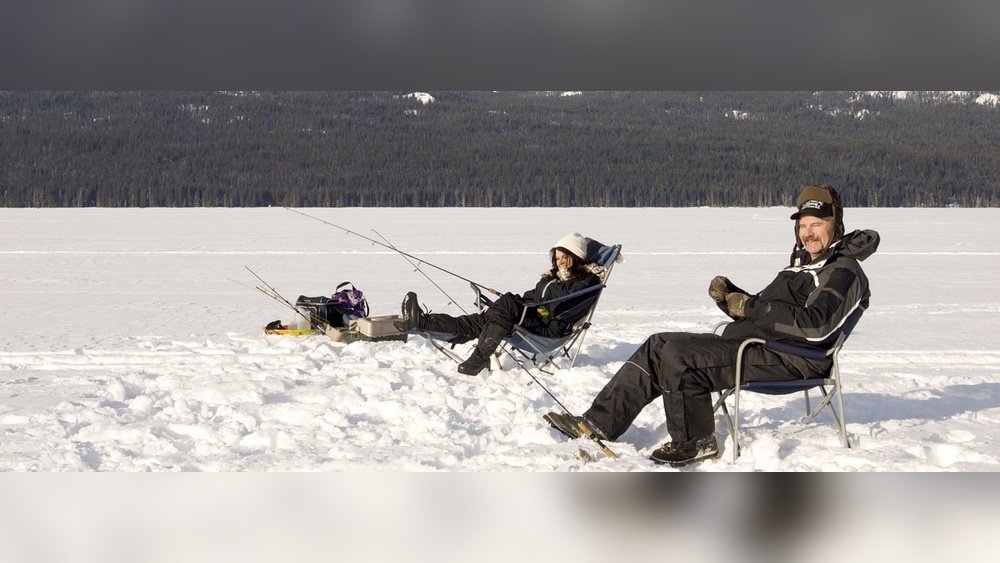
Ice fishing in Oregon is a unique adventure that draws outdoor lovers every winter. When lakes freeze and the landscape turns white, a new world of fishing opens up. Oregon’s mountains and high desert create perfect conditions for this sport, offering both quiet beauty and the excitement of a good catch.
Whether you’re a beginner or an experienced angler, ice fishing here is about more than catching fish—it’s about the peace, challenge, and memories made on the ice.
This guide will show you the best places to fish, the species you can expect, the gear you’ll need, safety tips, and practical advice that’s often missed by beginners. From choosing the right lake to staying comfortable in the cold, you’ll find everything you need for a successful Oregon ice fishing trip.
Why Try Ice Fishing In Oregon?
Oregon’s cold winters turn high-elevation lakes into ice fishing hotspots. Unlike some other states, Oregon’s ice fishing is less crowded, giving you a sense of solitude and adventure. You’ll find a wide variety of fish species, friendly communities, and stunning mountain views.
The experience is different from open-water fishing—ice fishing is quieter and more patient, but when the fish bite, the excitement is just as real.
Top Ice Fishing Locations In Oregon
Oregon has several lakes and reservoirs that are popular for ice fishing. Each offers a different atmosphere and challenges.
| Lake/Reservoir | Main Fish Species | Elevation (ft) | Best Months |
|---|---|---|---|
| Diamond Lake | Rainbow Trout, Kokanee | 5,183 | Jan–Mar |
| Phillips Reservoir | Rainbow Trout, Yellow Perch | 3,868 | Dec–Feb |
| Fish Lake | Brook Trout, Rainbow Trout | 4,639 | Dec–Feb |
| Thief Valley Reservoir | Rainbow Trout | 3,000 | Jan–Feb |
| Lake of the Woods | Kokanee, Yellow Perch | 4,949 | Jan–Mar |
Diamond Lake is probably the most famous spot, drawing both local and visiting anglers. The lake often has reliable ice by January, and the trout here can be large. Phillips Reservoir and Fish Lake are also great options, especially if you’re looking for less crowded ice.
Credit: www.pdxmonthly.com
Fish Species You Can Catch
Oregon’s ice-covered lakes are home to several popular fish species:
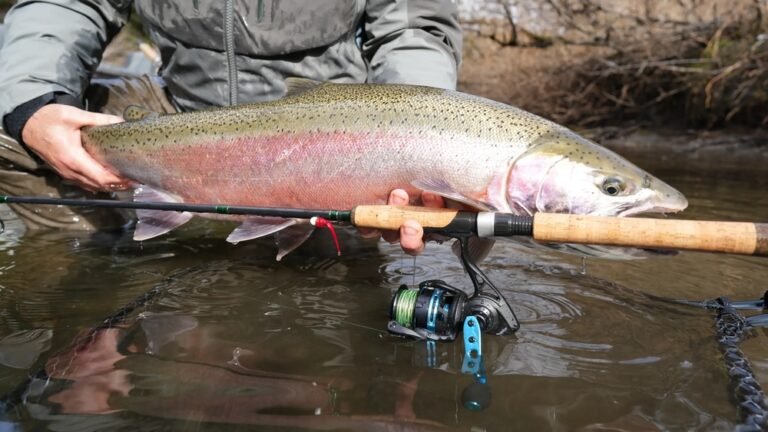
- Rainbow Trout – The most common catch. They’re active under the ice and put up a good fight.
- Kokanee Salmon – A landlocked sockeye salmon. They school under the ice and are delicious to eat.
- Yellow Perch – Small but often easy to catch in numbers. Great for a fish fry.
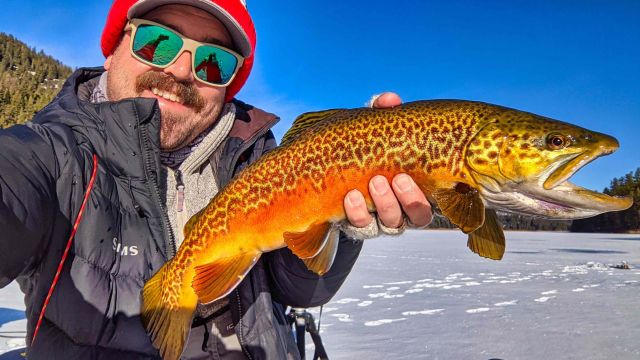
- Brook Trout – Beautiful fish, often found in mountain lakes.
- Brown Trout – Less common, but possible in certain lakes.
- Crappie and Bluegill – Found in some lower-elevation reservoirs.
Some lakes have special regulations or limits on certain species. Always check the latest Oregon Department of Fish and Wildlife (ODFW) rules before heading out.
Essential Gear For Ice Fishing
You don’t need a truckload of gear to enjoy ice fishing in Oregon, but a few key items will make your trip safer and more fun.
Basic Ice Fishing Gear
- Ice auger – To drill holes in the ice. Manual augers are fine for beginners; gas or electric for more holes.
- Ice rod and reel – Short rods (24–36 inches) for fishing through the hole.
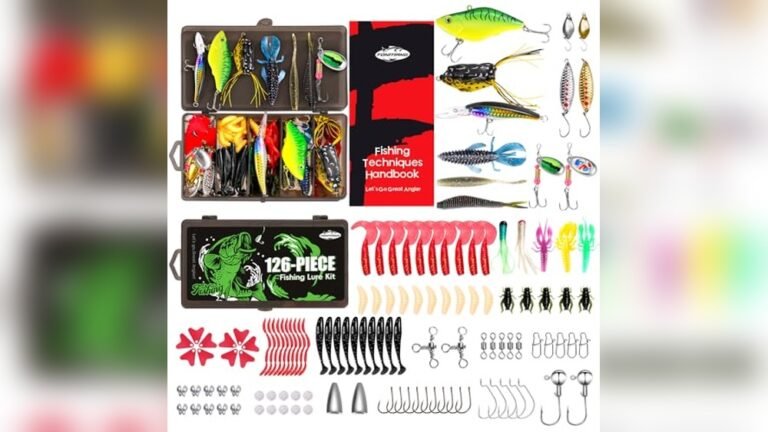
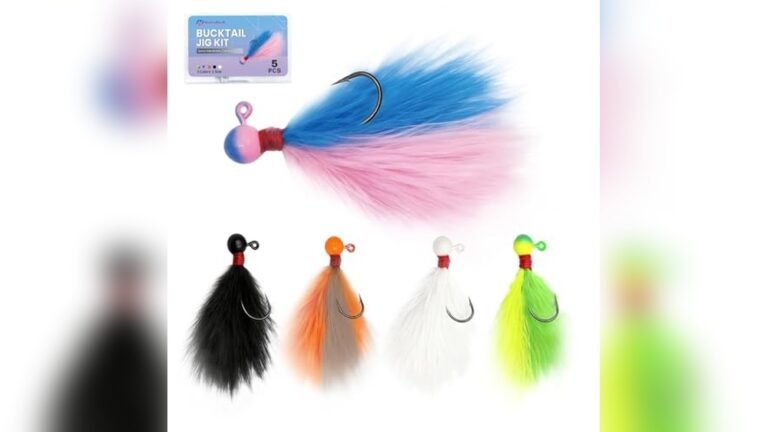
- Jigs and baits – Small jigs tipped with worms, maggots, or artificial baits work well.
- Bucket or sled – For carrying gear and sitting on.
- Ice scoop – To clear ice chips from your hole.
Safety And Comfort
- Ice cleats – Attach to boots for traction on slippery ice.
- Warm clothing – Dress in layers: Thermal underwear, waterproof boots, gloves, and a warm hat.
- Shelter – Portable ice tents help block wind and keep you warm.
- Heater – Small propane heaters are safe for ice shelters (ventilate well).
- Life vest or float suit – For safety, especially on early or late season ice.
Non-obvious Gear Insights
Many beginners forget about insulated pads to sit or kneel on—these keep you warmer and more comfortable than a bare bucket. A slotted spoon from your kitchen also works well as an ice scoop in a pinch. Consider bringing hand warmers and a small first aid kit.

Credit: myodfw.com
How To Ice Fish In Oregon
If you’re new to ice fishing, the process is simple but requires patience and some skill.
- Check ice thickness – The ice should be at least 4 inches thick for walking. Bring a spud bar or auger to test as you go.
- Drill your hole – Use your auger to make a clean hole, about 6–8 inches wide.
- Set up your spot – Clear snow around the hole and set your gear. If you have a shelter, set it up now.
- Rig your line – Tie on a small jig and bait it. Lower it slowly to the bottom, then reel up a few inches.
- Watch and wait – Subtle bites are common. Watch your rod tip or line closely.
- Jig gently – Small lifts and drops attract fish. Change your depth if nothing bites after 15–20 minutes.
- Stay mobile – If you’re not catching anything, drill new holes and try different spots.
Common Mistakes To Avoid
- Fishing too shallow or too deep – Ask locals or check online reports for the right depth.
- Not checking ice regularly – Ice conditions can change fast, especially near springs or inlets.
- Ignoring safety gear – Falls and cold injuries are real risks. Don’t skip cleats or floatation devices.
When Is The Best Time For Ice Fishing In Oregon?
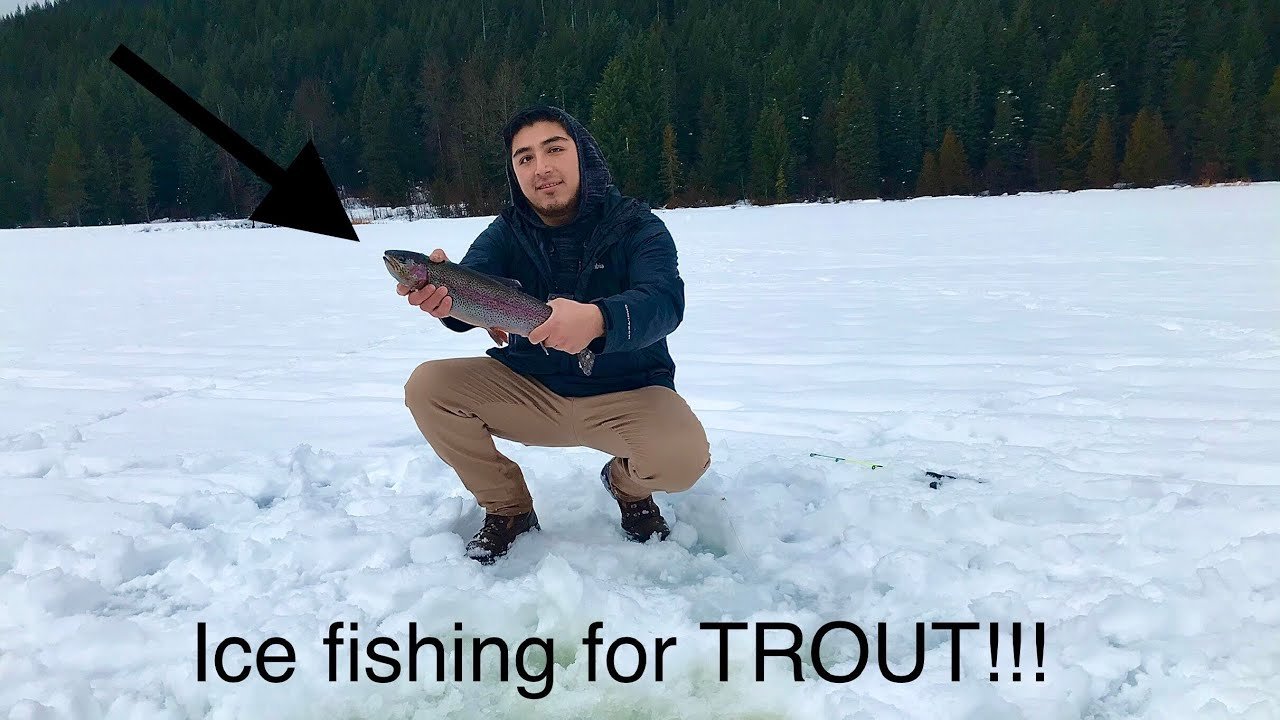
Oregon’s ice fishing season usually runs from mid-December to early March, depending on the weather and elevation. The best ice forms after several weeks of freezing temperatures. Most lakes are safest in January and February.
Early morning or late afternoon are often the best times to fish, as trout and perch feed more actively. Weekdays tend to be quieter if you prefer solitude.
Credit: www.youtube.com
Permits And Regulations
Every angler age 12 and older needs a valid Oregon fishing license. Some lakes may have special rules, such as catch-and-release or bait restrictions. You can buy licenses online or at many outdoor stores.
Pay attention to:
- Daily bag limits for each species
- Size restrictions
- Ice thickness warnings issued by ODFW
Breaking the rules can lead to fines and loss of fishing privileges.
Safety Tips For Ice Fishing
Oregon’s winter can be harsh, and lake ice is not always predictable. Safety should always come first.
| Safety Tip | Why It Matters |
|---|---|
| Check ice thickness | Prevents falling through thin or weak ice |
| Fish with a buddy | Help is available in case of emergency |
| Carry ice picks | Helps you climb out if you fall in |
| Bring a throw rope | Can rescue someone from a safe distance |
| Dress in layers | Reduces risk of hypothermia |
Never drive vehicles onto the ice unless it’s officially allowed and others are doing the same. Even then, check for current conditions.
Local Tips And Tricks
- Check fishing forums and local shops for the latest ice and fish reports. Conditions can change daily.
- Bring extra food and water—you may be far from services or cell coverage.
- Drill multiple holes—fish move under the ice, so cover more area.
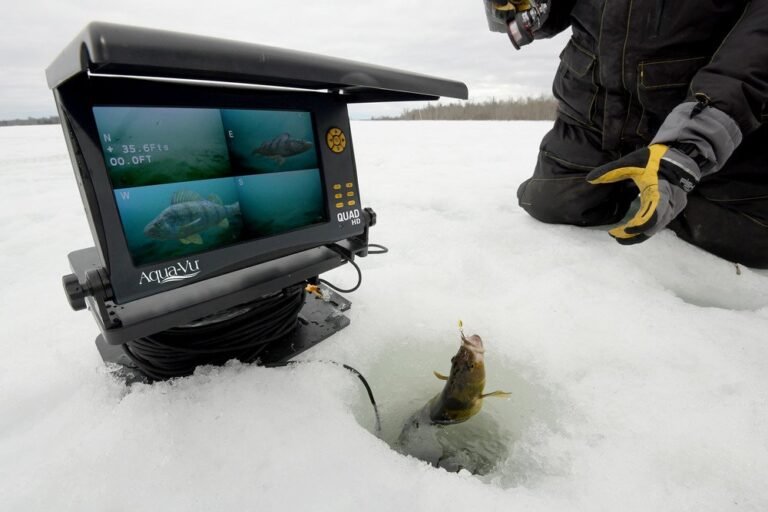
- Use sonar/fish finders if you have them. They show fish depth and keep you from wasting time.
- Try natural baits like worms or mealworms. Oregon trout and perch often prefer them over flashy lures.
- Practice catch and release for larger trout—these are breeders that keep the population healthy.
Making The Most Of Your Ice Fishing Trip
Ice fishing is as much about the experience as it is about catching fish. Bring friends or family, pack a thermos of hot chocolate, and enjoy Oregon’s winter beauty. Take photos, but also take time to listen—winter silence on a frozen lake is something special.
Many Oregon lakes are near national forests or parks. Combine your fishing trip with snowshoeing, hiking, or even an overnight stay in a cozy cabin. If you want to learn from the pros, consider joining a local ice fishing derby or hiring a guide for your first trip.
For more details on state regulations and real-time ice conditions, visit the Oregon Department of Fish and Wildlife.
Frequently Asked Questions
How Thick Should The Ice Be For Safe Fishing?
You should only walk on ice that is at least 4 inches thick. For groups or heavier gear, 6–8 inches is safer. Always check thickness near shore and avoid areas with running water, springs, or pressure ridges.
What Is The Best Bait For Oregon Ice Fishing?
Natural baits like worms, mealworms, and maggots work well for trout and perch. Small jigs tipped with bait are effective. In some lakes, artificial baits or plastics also produce good results.
Can I Eat The Fish I Catch?
Yes, most fish caught ice fishing in Oregon are safe and tasty to eat. Rainbow trout, kokanee, and perch are all popular for the table. Always check for local advisories or consumption limits for specific lakes.
Do I Need Special Clothes For Ice Fishing?
Yes, wear warm, layered clothing. Start with thermal underwear, add fleece or wool, and finish with a windproof, waterproof outer layer. Don’t forget insulated boots, gloves, and a hat. Hand warmers are a good idea for long days.
Is Ice Fishing Good For Beginners?
Ice fishing in Oregon is beginner-friendly if you follow safety rules and start with basic gear. Many lakes have easy access and helpful local anglers. Try going with a friend or joining a group for your first trip.
Whether you’re hoping for a trophy trout or just a peaceful day on the ice, Oregon’s lakes offer a winter fishing experience that’s truly special. With the right knowledge and a little patience, you’ll find ice fishing both relaxing and rewarding.