
Are you curious about what makes a golf handicap “good”? Whether you’re just starting out or have been playing for a while, understanding your handicap can unlock a whole new level of enjoyment and improvement in your game.
But with so many numbers and terms floating around, it’s easy to feel lost or unsure where you really stand. What if you could quickly figure out what a good golf handicap looks like for you? Keep reading, because we’re breaking down the mystery behind golf handicaps, helping you see where you fit in, and sharing tips to help you reach your best score yet.
Your next great round starts here!
Golf Handicap Basics
Understanding golf handicaps helps players of all levels measure skill fairly. Handicaps level the playing field by adjusting scores based on ability and course difficulty. This guide covers the basics every golfer should know.
What Is A Golf Handicap?
A golf handicap is a number that shows a player’s skill level. It lets golfers of different abilities compete evenly. A lower handicap means a better player. Beginners often start with higher handicaps. As skills improve, handicaps usually go down.
How Handicap Is Calculated
The handicap calculation uses recent scores from multiple rounds. Each score is compared to the course’s difficulty. The best scores are averaged and adjusted. This gives a number representing the player’s potential. The process updates regularly to reflect current form.
Course Rating And Slope Explained
Course rating measures the difficulty for a scratch golfer. It is a number close to the course par. Slope rating shows how much harder the course is for average golfers. Higher slope means more challenge. Both ratings help make handicaps fair across different courses.

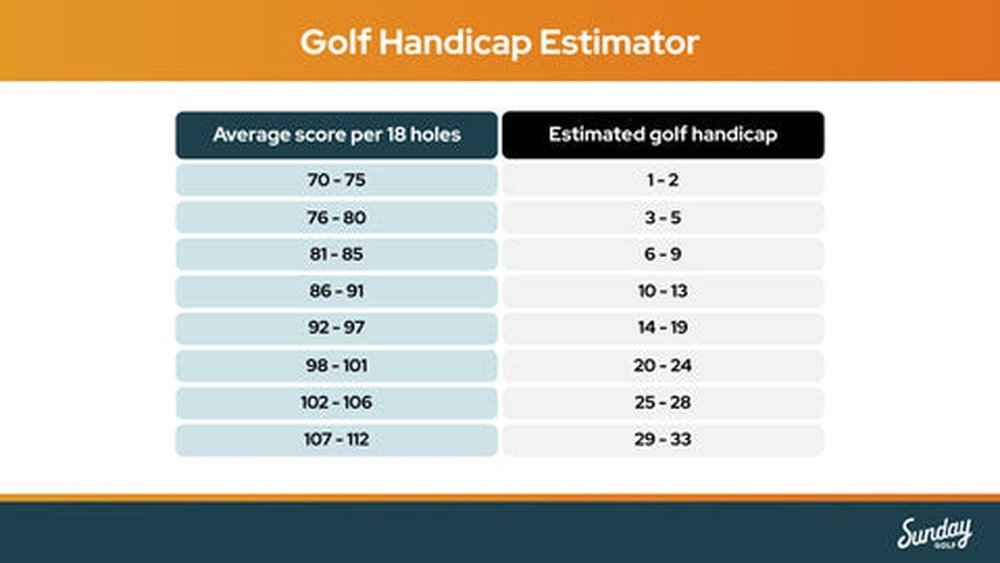
Credit: sundaygolf.com
Handicap Categories
Golf handicaps reflect a player’s skill level. They help golfers compete fairly. Handicaps range from high numbers for new players to low numbers for experts. Understanding these ranges shows how golfers improve over time. The categories below explain different handicap levels.
Beginner Handicaps
Beginners usually have handicaps above 20. These players are still learning the basics. Scores can vary a lot during this stage. The focus is on improving consistency and understanding the game. Patience is key for beginners to lower their handicap.
Intermediate Handicaps
Intermediate golfers have handicaps between 10 and 20. They have better control over their shots. These players can finish rounds with decent scores. They practice regularly and work on their weaknesses. Intermediate handicaps show solid progress in skill.
Advanced Handicaps
Advanced golfers hold handicaps from 5 to 10. They play with greater accuracy and strategy. These players often compete in local tournaments. They can handle challenging courses and conditions well. Advanced handicaps indicate strong golfing abilities.
Professional Level Handicaps
Professional golfers have handicaps below 5. Many pros have handicaps near zero or even negative. Their game is highly refined and consistent. Pros compete at national and international levels. This category represents elite golfing performance.
Average Golf Handicaps
Understanding average golf handicaps helps golfers gauge their skill level. Handicaps reflect how many strokes a player usually scores above par. Knowing the average for different groups provides useful benchmarks. It also sets realistic expectations for improvement. Below, explore average handicaps by gender and age.
Men’s Average Handicaps
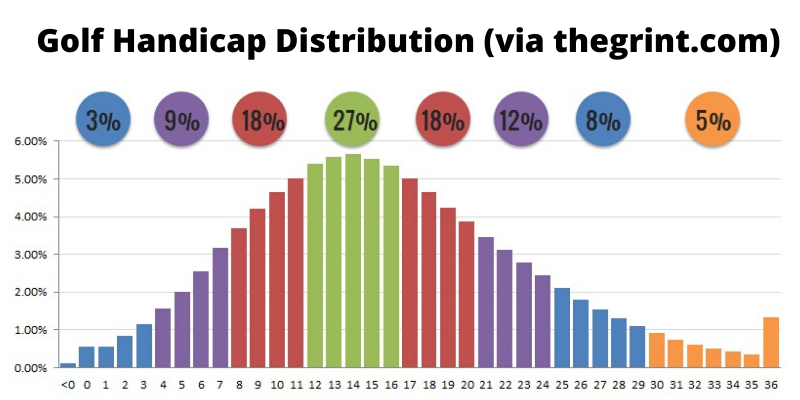
For men, the average golf handicap typically ranges from 14 to 16. This means most male golfers shoot about 14 to 16 strokes over par. Skilled amateur men often have handicaps below 10. Beginners usually start with higher numbers, sometimes above 20. Tracking progress by comparing to averages can motivate steady improvement.
Women’s Average Handicaps
Women golfers generally have average handicaps between 20 and 24. This range shows most female players score around 20 to 24 strokes over par. Experienced women players often lower their handicaps below 18. New players tend to have handicaps above 25. Understanding these averages helps women set achievable goals.
Age-based Handicap Trends
Golf handicaps often change with age. Younger players tend to have lower handicaps due to strength and stamina. Middle-aged golfers may see stable handicaps as they gain experience. Older players often experience higher handicaps caused by reduced physical ability. Tracking age trends helps golfers adjust expectations and enjoy the game at every stage.
What Makes A Good Handicap
A golf handicap measures a player’s skill level. It shows how many strokes above or below par a golfer typically scores. A good handicap is not the same for everyone. It depends on experience and goals. Understanding what makes a good handicap helps golfers set realistic targets and track progress.
Benchmarks For Good Golfers
A good golfer usually has a handicap below 15. This means they often shoot close to par on most courses. Many casual players have handicaps between 15 and 25. Golfers under 15 can control their shots well and avoid big mistakes. They play consistently and enjoy the game at a higher level.
Single-digit Handicaps
Single-digit handicaps are for skilled players. These golfers have handicaps from 1 to 9. They often score just a few strokes over par. Single-digit golfers hit the ball straight and know course strategy. Their practice and experience show in their steady, low scores. Achieving a single-digit handicap requires focus and dedication.
Scratch Golfers And Beyond
Scratch golfers have a handicap of zero or better. They can play at or below par regularly. These players are very skilled and often compete in tournaments. Beyond scratch, some golfers have negative handicaps. These are elite players who score under par consistently. Few golfers reach this level, but it is the mark of true mastery.
Improving Your Handicap
Improving your golf handicap takes time and effort. Small changes in your routine can lead to better scores. Focus on steady progress rather than quick fixes. Patience and consistency matter most on this journey.
Setting Realistic Goals
Set goals that match your current skill level. Avoid aiming too high at first to prevent frustration. Break your main goal into smaller, achievable targets. Celebrate each small win to stay motivated. Realistic goals help keep your focus clear and steady.
Practice Tips To Lower Scores
Practice with purpose, not just for hours. Work on your short game, like putting and chipping. These skills often save strokes during rounds. Use drills that improve swing accuracy and consistency. Try to practice under conditions similar to the course.
Tracking Progress Effectively
Keep a detailed log of your rounds and practice sessions. Note scores, strengths, and areas to improve. Use apps or a notebook to track your data over time. Review your progress regularly to adjust your practice plan. Tracking helps you see real improvement and stay focused.
Credit: blog.nextgengolf.org
Common Handicap Misconceptions
Golf handicaps aim to level the playing field for all skill levels. Many players misunderstand how handicaps work and what they truly represent. These misconceptions can affect how golfers view their progress and others’ abilities. Clearing up these myths helps create fairer competition and better enjoyment of the game.
Sandbagging Explained
Sandbagging means deliberately keeping a high handicap to gain an advantage. Some golfers play better than their handicap suggests on purpose. They do this to win bets or tournaments unfairly. Sandbagging harms the integrity of the handicap system. It frustrates honest players and spoils the spirit of friendly competition.
Handicap Inflation Issues
Handicap inflation happens when a player’s handicap rises without true skill loss. It often occurs from poor score entries or changes in calculation methods. This inflation gives a false impression of a player’s ability. It can lead to unfair matchups and confusion about what a “good” handicap really means.
How To Spot Inaccurate Handicaps
Look for players whose scores do not match their handicap. A player with a high handicap but consistently low scores may be sandbagging. Sudden, large changes in handicap without clear reason can signal inflation. Comparing scores from multiple rounds helps reveal accuracy. Honest handicaps reflect a player’s normal performance range.
Using Your Handicap To Play Better
Understanding your golf handicap helps you play smarter and enjoy the game more. It shows your skill level and helps set realistic goals. Using your handicap can guide how you approach each round.
Knowing your handicap lets you manage the course better. It also helps you adjust your play style for better results. Confidence grows when you compete using your true skill level.
Course Management Strategies
Use your handicap to choose safer shots. Avoid risky plays that may lead to high scores. Focus on steady, consistent shots to keep your score low. Know which holes challenge you most and plan accordingly. Play to your strengths, not just distance or power. This reduces mistakes and improves your overall score.
Adjusting Play Based On Handicap
Lower handicaps can take more aggressive shots. Higher handicaps benefit from playing more conservatively. Use your handicap to decide when to aim for birdies or just par. Adjust your club selection based on your typical shot accuracy. Take extra care on difficult holes where your handicap shows weaknesses. This tailored approach can lead to better performance on the course.
Competing With Confidence
Your handicap levels the playing field in competitions. It allows fair matches against players of different skills. Trust your handicap to set realistic expectations during play. Focus on beating your personal best, not just others. Confidence grows when you see improvement over time. Playing with this mindset reduces pressure and makes competition more fun.
Technology And Handicaps
Technology plays a key role in managing golf handicaps today. It helps players track progress and improve skills accurately. Tools and devices make it easier to record scores and analyze performance. This lets golfers understand their handicap better and work on areas needing improvement.
Apps For Handicap Tracking
Many apps help golfers keep track of their handicap. These apps record scores after each round automatically. They also calculate your handicap index based on official rules. Some apps provide tips and stats to help improve your game. Using an app is simple and saves time compared to manual tracking.
Golf Simulators And Data Analysis
Golf simulators offer a way to practice indoors with real data. They measure ball speed, launch angle, and distance. The data helps identify strengths and weaknesses in your swing. Simulators can show how changes affect your shots instantly. This kind of feedback supports better practice and skill development.
Wearables That Improve Your Game
Wearable devices track movement and health during play. GPS watches provide distance to the hole and hazards. Some wearables monitor swing tempo and club speed. This data helps players adjust technique for better results. Wearables offer real-time insights to fine-tune your game on the course.
Credit: practical-golf.com
Conclusion
A good golf handicap varies by skill and experience. Generally, a handicap under 10 shows strong ability. Beginners often start around 20 or higher. Remember, golf is about personal progress and enjoyment. Focus on steady improvement, not just numbers. Keep practicing, stay patient, and enjoy the game.
Your handicap reflects your journey, not just your score.