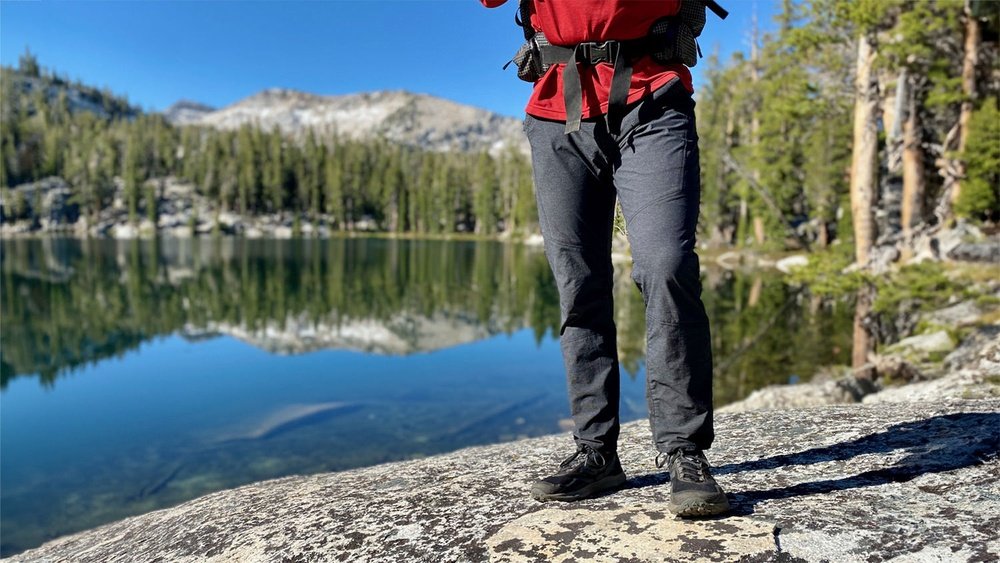
When you’re picking hiking pants, the fabric matters more than you might think. The right material can keep you comfortable, dry, and protected no matter where your trail takes you.
You don’t want pants that soak up sweat, slow you down, or get damaged on rough terrain. So, what is the best fabric for hiking pants? You’ll discover which fabrics offer the perfect mix of durability, flexibility, and weather resistance.
Whether you’re trekking through wet forests or climbing rocky slopes, knowing the right fabric will help you choose pants that work with your body and your adventure. Keep reading to find out how to make your next hike easier and more enjoyable with the best fabric for hiking pants.
Top Fabrics For Hiking Pants
Choosing the right fabric for hiking pants is key to comfort and durability. The best fabrics balance strength, stretch, and moisture control. These fabrics handle rough trails and variable weather well. Here are some of the top fabric options for hiking pants.
Nylon-spandex Blends
Nylon-spandex blends combine strong nylon fibers with stretchy spandex. This mix allows hiking pants to move easily with your body. The nylon adds durability and abrasion resistance. Spandex gives flexibility for climbing and bending. These blends often have a DWR finish to repel water. They dry quickly and resist tears well. This fabric keeps you comfortable on tough hikes.
Supplex Nylon
Supplex nylon feels soft like cotton but acts like a synthetic. It offers good breathability and dries fast. Supplex nylon resists wind and light rain, making it ideal for outdoors. The fabric holds up well against rough surfaces. It also keeps color longer than regular nylon. Many hikers like Supplex for its comfort and durability.
Polyester-spandex Blends
Polyester-spandex blends are soft and stretchable like nylon blends. They resist UV fading better than nylon. This means colors stay bright after many hikes. Polyester also dries quickly and wicks moisture well. The spandex adds flexibility for easy movement. These pants may hold odors more than nylon blends. Still, they provide a comfortable fit for many hikers.
Essential Fabric Features
Choosing the best fabric for hiking pants means focusing on key features. These features ensure your pants perform well in the outdoors. They help keep you dry, comfortable, and protected. Each fabric feature plays a vital role in your hiking experience.
Durable Water Repellent (dwr) Coating
DWR coating helps repel light rain and water. It prevents fabric from soaking through quickly. This keeps you dry during unexpected weather changes. The coating also helps dirt and stains slide off easily. DWR finishes maintain the fabric’s breathability and weight.
Moisture Management And Quick Drying
Good hiking pants wick sweat away from your skin. This prevents chills and discomfort during rest. Quick-drying fabrics reduce wetness and drying time. They keep you comfortable even after crossing streams or sweating. Look for fabrics that pull moisture to the surface fast.
Flexibility And Stretch
Stretch fabrics allow easy movement on rough trails. They help you climb, bend, and step without restriction. Fabrics with spandex or elastane blends offer better flexibility. Stretch also reduces fabric stress, making pants last longer. This feature adds comfort on long hikes.
Breathability And Comfort
Breathable fabrics let air flow through the material. This reduces overheating and sweat buildup. Comfort comes from soft, lightweight fabrics that do not irritate skin. Good breathability keeps you cool in warm weather. It also helps regulate body temperature on changing trails.
Why Avoid Cotton For Hiking
Cotton is a popular fabric, but it is not suitable for hiking. It absorbs water easily and stays wet for a long time. This can cause discomfort and even health risks during outdoor activities. Choosing the right fabric keeps you comfortable and safe on the trail.
Water Absorption And Drying Time
Cotton absorbs water quickly and holds it tightly. Wet cotton pants feel heavy and cold. They take a long time to dry, which can lead to chafing and blisters. Hiking in damp clothing increases the chance of hypothermia in cool weather.
Heat Retention Issues
When cotton gets wet, it loses its insulation properties. Instead of keeping you warm, wet cotton cools your body fast. This can cause a rapid drop in body temperature. Cotton does not regulate heat well, making it uncomfortable in both hot and cold conditions.
Durability Concerns
Cotton fabric wears out quickly on rough trails. It can tear or fray from constant movement and contact with branches. Cotton also shrinks and loses shape after washing. Hiking demands tough fabrics that last longer and maintain fit over time.
Matching Fabric To Climate
Choosing the right fabric for hiking pants depends on the climate you expect. Different environments demand fabrics with specific qualities. Matching fabric to climate helps keep you comfortable and protected. It also improves your hiking experience by managing moisture, temperature, and durability.
Consider the weather and typical conditions before picking your hiking pants. Fabrics that work well in one climate may fail in another. Knowing these differences helps you make a smart choice for your next hike.
Warm And Dry Conditions
In warm and dry climates, lightweight fabrics work best. Look for materials that breathe well and wick sweat away quickly. Nylon and polyester blends are excellent here. They dry fast and prevent overheating. Avoid heavy fabrics that trap heat and cause discomfort. Stretch fabrics add freedom for movement on rocky trails.
Wet And Humid Environments
Wet and humid areas need fabrics that dry quickly and resist water. Look for hiking pants with a Durable Water Repellent (DWR) finish. Nylon with DWR coatings sheds water and keeps you dry. Polyester fabrics resist moisture absorption and dry faster than cotton. Avoid cotton; it holds moisture and becomes heavy. Ventilation features in pants help air flow and reduce clamminess.
Cold Weather Hiking
For cold weather, insulation and wind resistance are key. Fabrics with some thickness, like fleece-lined nylon or polyester, keep warmth in. Softshell materials block wind while allowing moisture to escape. Layering pants with thermal leggings works well too. Avoid thin, lightweight fabrics that don’t provide warmth. Look for durable, stretchable fabrics that protect against cold winds and rough terrain.
Choosing Fabric For Terrain
Choosing the right fabric for hiking pants depends on the terrain you will face. Different landscapes require different fabric qualities. Picking the right material can increase comfort and durability. It helps protect against weather and rough surfaces. Focus on fabric that matches your hiking environment.
Consider the type of trails and obstacles. Think about how the fabric handles moisture, abrasion, and movement. The right choice keeps you comfortable and safe during your hike.
Smooth Trails
Smooth trails need lightweight and breathable fabrics. Look for materials like nylon or polyester blends. These fabrics dry quickly and allow air flow. Stretch fabrics add comfort on flat, easy paths. Less abrasion resistance is needed here, so lighter fabric works well.
Rocky And Abrasive Terrain
Rocky terrain demands durable and tough fabric. Ripstop nylon or polyester blends with reinforced weaves resist tears. Look for pants with a durable water repellent (DWR) finish. This helps fabrics shed moisture and dirt. Stretch fabric helps move easily over rough surfaces while offering protection.
Heavy Brush And Scrambling
Dense brush and scrambling require strong, abrasion-resistant fabric. Consider heavy-duty nylon or polyester with ripstop technology. These fabrics resist scrapes from branches and rocks. Durable stitching and reinforcements in key areas improve longevity. Fabrics with some stretch help with climbing and quick movements.
Fabric Care Tips For Longevity
Proper care extends the life of hiking pants fabric. It preserves strength, flexibility, and water resistance. Following simple care tips keeps pants ready for many trails. Clean and maintain the fabric to avoid damage and wear.
Washing And Drying Guidelines
Wash hiking pants in cold water with mild detergent. Avoid bleach and fabric softeners; they harm fabric and coatings. Use a gentle cycle to protect fibers and seams. Rinse thoroughly to remove detergent residue that can reduce water repellency.
Air dry pants by hanging them in shade. Avoid direct sunlight that fades colors and weakens fibers. Skip the dryer or use low heat if necessary. High heat breaks down synthetic fibers and DWR finishes.
Maintaining Water Repellency
Water repellent finishes wear off with use and washing. Restore repellency using spray-on or wash-in DWR treatments. Follow product instructions carefully for best results. Treat pants after several washes or when water no longer beads on the fabric surface.
Store pants dry and away from damp places. Moisture encourages mildew and damages water repellent layers.
Repairing Small Tears And Abrasions
Fix small tears quickly to prevent them from growing. Use fabric patches or specialized repair tape for hiking gear. Sew tears with a strong, matching thread if needed. Keep repair kits in your hiking pack for emergencies.
Check pants regularly for signs of wear. Early repairs keep hiking pants functional and comfortable longer.
Recommended Hiking Pant Fabrics
Choosing the right fabric makes hiking pants perform better. The fabric affects durability, comfort, and weather resistance. Some materials last longer, while others stretch or repel water. Knowing the best fabrics helps pick pants for any trail or season.
Different fabrics suit different hiking needs. Some hikers want pants that resist tears. Others prefer soft, stretchy material. Some need water-resistant pants to stay dry in rain. Below are top fabric types for hiking pants.
Best For Durability
Nylon is the top choice for tough hiking pants. It resists tears and abrasions from rocks and branches. Ripstop nylon adds extra strength by preventing small tears from growing. Nylon also dries quickly after getting wet. It keeps pants sturdy for long hikes on rough trails.
Best For Comfort And Stretch
Polyester blended with spandex offers great comfort. This mix allows pants to stretch with your movements. It feels soft against the skin and does not restrict motion. Stretch fabrics work well for steep climbs and flexible hiking. Polyester also resists fading from sun exposure.
Best For Water Resistance
Fabrics treated with Durable Water Repellent (DWR) finish shed light rain and moisture. Nylon with DWR coating keeps hikers dry during showers. Some polyester blends also have water-resistant finishes. These pants dry fast and help maintain comfort on wet trails.
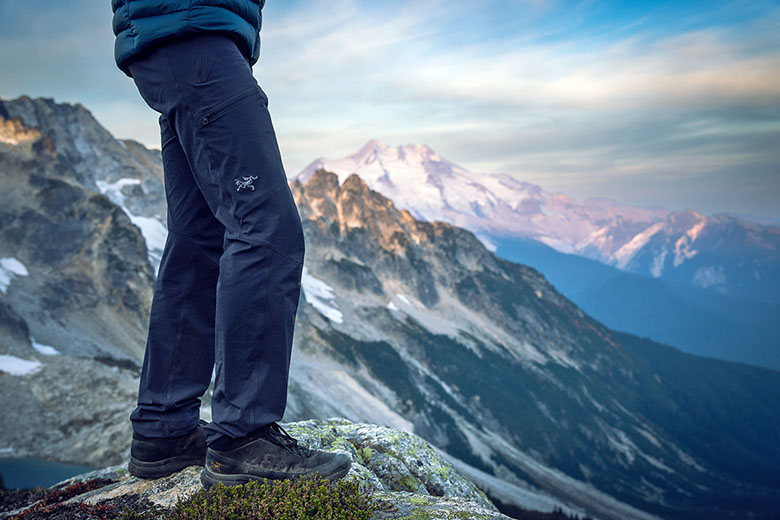
Credit: www.switchbacktravel.com
Frequently Asked Questions
What Is The Best Fabric Blend For Hiking Pants?
The best fabric blend for hiking pants is nylon-spandex with a Durable Water Repellent (DWR) finish. It offers durability, flexibility, quick-drying, and tear resistance. Avoid cotton, as it absorbs moisture and dries slowly, reducing comfort and insulation during hikes.
What Is The Best Fabric To Wear Hiking?
The best fabric for hiking is a nylon-spandex blend with a durable water repellent (DWR) finish. It offers durability, flexibility, and quick drying, ideal for various terrains. Avoid cotton, as it absorbs moisture and dries slowly, reducing comfort and insulation.
What Material Should I Use For Hiking Trousers?
Choose hiking trousers made of nylon-spandex blends with DWR coating. They offer durability, flexibility, quick-drying, and water resistance. Avoid cotton, as it retains moisture and dries slowly. Polyester-spandex blends also work well, providing softness and UV resistance for various terrains and weather conditions.
Why Avoid Cotton When Hiking?
Avoid cotton when hiking because it soaks moisture, dries slowly, and loses insulation, increasing cold and discomfort risks.
Conclusion
Choosing the right fabric makes hiking more comfortable and safe. Nylon-spandex blends with DWR finishes stand out for durability and quick drying. Avoid cotton because it holds water and slows you down. Soft, stretchy materials help you move freely on tough trails.
Breathable fabrics keep sweat away, reducing chafing and discomfort. Think about the weather and terrain when picking pants. Good fabric means better protection and a more enjoyable hike. Keep these tips in mind for your next outdoor adventure.