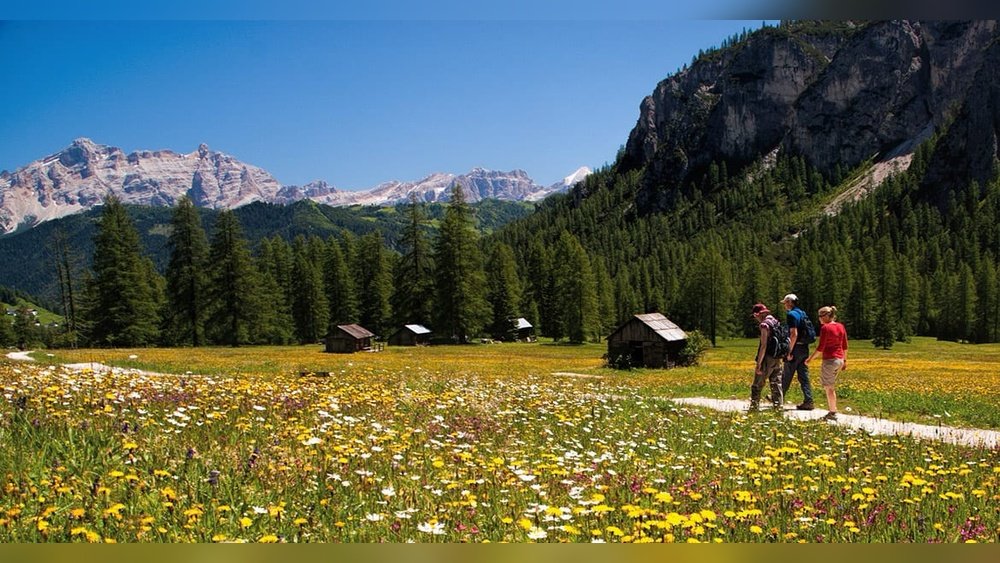
The Dolomites, a UNESCO World Heritage Site, are famed for their jagged peaks, sprawling meadows, and crystal-clear lakes, a hiker’s paradise nestled in northern Italy. Every year, thousands of outdoor enthusiasts flock to this region, eager to explore the vast network of trails that wind through its dramatic landscapes. But with such a dynamic climate and seasonal variations, choosing the best time to go to the Dolomites for hiking can make or break your experience.
Whether you’re aiming to traverse iconic routes like the Alta Via or simply soak in the panoramic views from a gentle valley walk, timing is everything. From snow-capped summits to wildflower-strewn fields, the Dolomites transform with each season, offering unique challenges and rewards.
In this guide, we’ll break down the seasonal pros and cons, highlight insider tips, and share real-world experiences to help you plan your hiking adventure in the Dolomites for maximum enjoyment.
Key Takeaways
- Late June to September is widely considered the prime hiking season in the Dolomites due to ideal weather and open mountain huts.
- Early summer brings lush wildflowers, while late summer offers stable weather and fewer crowds.
- Shoulder seasons (May, October) can be rewarding for experienced hikers, but require careful planning due to unpredictable weather and limited services.
- Winter and early spring are best avoided for hiking, unless you’re equipped for snowshoeing or ski touring.
- Crowds peak in August; consider mid-June or September for quieter trails and better availability.
- Planning ahead for accommodations and gear is crucial, especially during peak months.
Understanding Dolomites’ Climate And Hiking Conditions
The Dolomites’ climate is shaped by altitude, geography, and continental influences. This means weather can shift rapidly, even within a single day. Knowing the general patterns helps you pick the right window for hiking and ensures you’re prepared for what the mountains might throw at you.
Seasonal Temperature And Precipitation
The Dolomites experience four distinct seasons, each with its own challenges and appeal:
- Spring (April, June): Temperatures start to rise, but high-altitude trails may still be snowbound. Rain showers are common, especially in May.
- Summer (June, September): Warm days (average highs: 60, 75°F/15, 24°C) and cool nights. Occasional thunderstorms, especially in July and August.
- Autumn (September, October): Crisp air, golden larches, and fewer crowds. Temperatures drop; risk of early snow increases.
- Winter (November, March): Cold, snowy, and best suited for skiing or snowshoeing, not conventional hiking.
| Season | Average Daytime Temperature | Precipitation | Trail Accessibility |
|---|---|---|---|
| Spring (Apr-Jun) | 45, 65°F (7, 18°C) | Medium, High | Low, Medium |
| Summer (Jun-Sep) | 60, 75°F (15, 24°C) | Medium | High |
| Autumn (Sep-Oct) | 40, 65°F (4, 18°C) | Low, Medium | Medium, High |
| Winter (Nov-Mar) | 20, 40°F (-6, 4°C) | Low, Medium | Low |
Altitude Impact
Altitude plays a pivotal role. While valleys and lower trails warm up quickly, higher routes, like those above 2,000 meters, may retain snow until late June. Always check local trail reports before heading out.
Weather Variability
Mountain weather is notoriously fickle. Afternoon storms are common in summer, and sudden temperature drops can occur. Packing layers and waterproof gear is essential.
Pro Tip: Always carry a map, GPS device, and check forecasts from reputable sources like Meteo Dolomiti before embarking on any hike.

Credit: roadtripeuroguide.com
Peak Season: Late June To Early September
The period from late June to early September is considered the ideal hiking window by most experts and seasoned hikers. During this time, the Dolomites come alive with vibrant colors, accessible trails, and bustling mountain huts (rifugi).
Trail Accessibility And Infrastructure
- Most high-altitude trails are fully open, including the famous Alta Via 1 and Alta Via 2 routes.
- Mountain huts (rifugi) operate at full capacity, providing meals, accommodation, and local guidance.
- Cable cars and chairlifts are running, making remote trailheads easier to access.
Example: In my experience, hiking the Tre Cime di Lavaredo circuit in mid-July meant all paths were clear, rifugi were bustling, and the scenery was at its peak.
Weather Conditions
- Days are warm but not overly hot.
- Nights are cool, pack a fleece or light jacket.
- Afternoon thunderstorms are frequent; start hikes early to avoid weather surprises.
Crowds And Reservations
August, especially during Italian and German school holidays, sees the highest visitor numbers. Rifugi, hotels, and campsites fill up quickly. If you value solitude, aim for late June or early September.
| Month | Trail Crowds | Accommodation Availability | Wildflower Bloom |
|---|---|---|---|
| June | Medium | Good | High |
| July | High | Medium | Medium, High |
| August | Very High | Low | Medium |
| September | Medium, Low | Good | Low |
Real-world Example: Alta Via 1 In Peak Season
The Alta Via 1 is a legendary long-distance route. When hiked in July, you’ll find:
- All rifugi open and stocked.
- Crowds at iconic spots like Lago di Braies, but quieter sections elsewhere.
- Stable, sunny weather ideal for multi-day trekking.

Credit: wildlandtrekking.com
Shoulder Seasons: May, Early June & Late September, October
For hikers seeking tranquility or unique scenery, the shoulder seasons, late spring and early autumn, offer distinct advantages and challenges.
Late Spring (may, Early June)
- Lower trails blossom with wildflowers.
- Higher routes may still be blocked by snow.
- Some rifugi and lifts remain closed until mid-June.
Warning: Always check snow levels and trail closures, especially above 1,800 meters.
Early Autumn (late September, October)
- Stunning fall colors, especially golden larches.
- Fewer hikers, allowing for peaceful walks.
- Nights can be cold; risk of early snow increases.
Example: Hiking the Val di Funes in early October provided breathtaking foliage and quiet trails, but required warm gear and flexible planning.
Trail And Service Availability
- Not all infrastructure is operational; check opening dates for rifugi and lifts.
- Lower valley hikes (e.g., Alpe di Siusi) are often accessible.
- Accommodation is easier to book, and prices may drop.
Case Study: Quiet Autumn Hiking In Val Gardena
In September, Val Gardena’s trails are less crowded, and the weather is often stable. One hiker reported enjoying solo walks along the Seceda ridgeline, with panoramic views and easy access to open rifugi.
Pro Tip: For shoulder season hikes, prioritize lower-altitude routes and pack extra layers. Always have backup plans in case of sudden weather changes.

Credit: www.kimkim.com
Off-season: Winter And Early Spring (november, April)
While the Dolomites are renowned for skiing and snow sports in winter, conventional hiking is not recommended outside specialized snowshoeing or ski touring routes.
Trail Accessibility
- Most hiking trails are snowbound or closed.
- Rifugi and lifts are largely shut, except for ski resorts.
Winter Activities
- Snowshoeing and ski touring are popular alternatives.
- Some valley walks may remain open, but are limited.
Example: In February, the Alpe di Siusi plateau hosts snowshoe tours, but standard hiking trails are inaccessible.
Risks And Challenges
- Avalanche danger is real; always check local advisories.
- Daylight hours are short.
- Temperatures can plummet below freezing.
Pro Tip: Only attempt winter hiking with proper equipment and local guidance. Otherwise, plan your visit for warmer months.
Month-by-month Breakdown: What To Expect
To help you plan your trip, here’s a detailed look at each month’s hiking prospects in the Dolomites.
May
- Snow lingers on high trails; low routes are opening.
- Wildflowers begin to bloom.
- Some rifugi and lifts still closed.
June
- High trails become accessible by mid-month.
- Vibrant wildflowers.
- Moderate crowds; ideal for early-season hiking.
July
- Peak season; all infrastructure open.
- Warm days, cool nights.
- Afternoon thunderstorms possible.
August
- Most crowded month.
- Stable weather; warmest temperatures.
- Book accommodations well in advance.
September
- Fewer visitors; weather remains good.
- Start of fall colors.
- Lower prices for lodging.
October
- Early snow possible, especially at altitude.
- Stunning foliage.
- Many rifugi and lifts close by mid-month.
November, April
- Trails snowbound; focus shifts to ski resorts and snow sports.
| Month | Trail Conditions | Weather | Crowds | Rifugi/Lifts |
|---|---|---|---|---|
| May | Mixed (Low altitudes) | Cool, rainy | Low | Mostly closed |
| June | Good (Mid, late) | Mild, sunny | Medium | Opening |
| July | Excellent | Warm, stormy afternoons | High | Open |
| August | Excellent | Warm, stable | Very high | Open |
| September | Good | Cool, stable | Medium, Low | Open |
| October | Mixed (early) to poor (late) | Cold, risk of snow | Low | Closing |
| Nov, Apr | Poor | Cold, snowy | Low | Closed |
Planning Your Hiking Trip: Logistics And Tips
A successful Dolomites hike requires more than just picking the right month. Here’s how to plan the details for a smooth adventure.
Accommodation And Reservations
- Rifugi and hotels fill up fast during peak months; book at least 3, 6 months ahead.
- In shoulder seasons, you may find last-minute deals.
Example: Booking a rifugio for the Alta Via 2 in August requires reserving by March; in September, options are more flexible.
Gear And Packing
- Layering is key: Pack moisture-wicking shirts, fleece, waterproof jacket, and sturdy boots.
- Always carry a rain cover and sun protection.
- Trekking poles help on steep descents.
Transportation
- Public buses connect major towns and trailheads.
- Cable cars and chairlifts run from June to October.
- Rental cars offer flexibility, especially for exploring less-visited valleys.
Guided Tours Vs. Independent Hiking
- Guided tours are ideal for newcomers or those tackling challenging routes.
- Experienced hikers can navigate independently, but should always carry maps and check trail conditions.
Pro Tip: Use apps like Komoot or Gaia GPS for route planning, and consult local tourist offices for the latest updates.
Iconic Hiking Routes And Seasonal Highlights
The Dolomites boast a range of trails for every skill level, many of which have distinct seasonal appeal.
Alta Via 1 & Alta Via 2
- Best hiked June, September.
- Offer multi-day, hut-to-hut trekking with stunning views.
- Require advance reservations for rifugi.
Tre Cime Di Lavaredo
- Accessible from late June to early October.
- Famous for dramatic rock formations and panoramic circuits.
Seceda Ridgeline
- Popular in September for fall colors and fewer crowds.
- Cable car access makes it suitable for day hikes.
Alpe Di Siusi
- Lower-altitude plateau, great for early spring or late autumn.
- Wildflower meadows in June; snowshoeing possible in winter.
Val Di Funes
- Family-friendly valley hikes.
- Golden larches light up the landscape in October.
Real-world Examples: Hikers’ Experiences
Hiking the Dolomites is enriched by stories from those who have tackled its trails. Here are two real-world examples:
Example: Summer Alta Via Adventure
Emily, an avid trekker from New York, hiked the Alta Via 1 in July. She found:
- Clear trails and open rifugi.
- Crowds at Lago di Braies, but tranquility at lesser-known sections.
- Weather was mostly sunny, with one afternoon storm requiring shelter.
Her tip: Start hikes early and pre-book rifugi to ensure a spot.
Example: Autumn Foliage In Val Gardena
Marc, a photographer from France, explored Val Gardena in late September. He reported:
- Fewer tourists, allowing for uninterrupted photography.
- Crisp mornings and golden larch trees.
- Some rifugi closed, but local guesthouses provided warm hospitality.
He recommends: Carrying extra layers and checking opening dates for mountain huts.
Essential Safety And Environmental Considerations
The Dolomites’ beauty comes with responsibility. Practicing safe and sustainable hiking is crucial.
Weather And Emergency Preparedness
- Always check forecasts before starting your hike.
- Carry emergency supplies: First aid kit, whistle, and flashlight.
- Know the location of nearest refuge and emergency numbers.
Environmental Protection
- Stay on marked trails to prevent erosion.
- Pack out all trash; rifugi often provide recycling bins.
- Respect wildlife and avoid disturbing grazing cattle.
Local Regulations
- Dogs are allowed on most trails, but must be leashed.
- Some areas require permits; check local rules, especially in nature reserves.
Pro Tip: Download the official Dolomites hiking map and familiarize yourself with emergency contacts before your trip.
Comparing Dolomites Hiking To Other European Mountain Regions
How does hiking in the Dolomites stack up against other popular European destinations? Here’s a comparison with the French Alps and Swiss Alps.
| Region | Best Hiking Months | Trail Infrastructure | Crowds | Unique Features |
|---|---|---|---|---|
| Dolomites | June, September | Excellent (rifugi, lifts) | High (July, August) | Jagged peaks, Italian culture |
| French Alps | July, August | Good (chalets, cable cars) | Medium, High | Mont Blanc, glacier routes |
| Swiss Alps | July, September | Excellent (huts, trains) | Medium | Efficient transport, scenic lakes |
The Dolomites stand out for their dramatic geology, Italian hospitality, and the vibrant rifugi culture, making them a unique destination for hikers worldwide.
Insider Tips For A Memorable Dolomites Hiking Experience
Avoiding Crowds
- Visit in late June or September for quieter trails.
- Start hikes early (before 8 am) to enjoy solitude at popular spots.
Maximizing Scenic Value
- Choose routes like Seceda or Tre Cime for iconic views.
- In June, prioritize meadow walks for wildflowers; in October, target larch forests.
Budget-friendly Planning
- Shoulder seasons offer lower accommodation prices.
- Self-cater using local markets, try regional specialties like speck and cheese.
Sustainable Travel
- Use public transport to reduce your carbon footprint.
- Support local rifugi and family-run guesthouses.
Example: When I tested hiking in September, I found using buses and staying at small guesthouses enhanced my experience and reduced costs.
Frequently Asked Questions
What Is The Best Month For Wildflower Hiking In The Dolomites?
June is widely considered the top month for wildflower hiking. Meadows like Alpe di Siusi and Val di Funes burst into color, providing a spectacular backdrop for photos and gentle hikes. Local flora includes alpine violets, edelweiss, and gentians.
Are There Any Family-friendly Hiking Routes In The Dolomites?
Yes, several valleys and plateaus offer family-friendly routes. Alpe di Siusi is ideal due to its gentle gradients and easy access via cable car. Val di Funes also has well-marked paths suitable for children, with playgrounds and educational signposts along the way.
How Do I Check Current Trail Conditions And Closures?
Trail conditions can change rapidly due to snow, storms, or maintenance. The best sources are local tourist offices, official websites like Dolomiti.it, and hiking apps such as Komoot. Many rifugi post daily updates on their websites or social media.
Is It Possible To Hike In The Dolomites Without Speaking Italian Or German?
Absolutely! While Italian and German are common, English is widely spoken in tourist areas, rifugi, and hotels. Signage on trails often includes English translations. Downloading a translation app can help with menus or less-touristed areas.
What Are Some Recommended Resources For Planning A Dolomites Hiking Trip?
For comprehensive planning, consult the official tourism portal Südtirol.info for maps, accommodation, and trail updates. Guidebooks like “Walking in the Dolomites” (by Gillian Price) and apps such as Gaia GPS and Komoot provide detailed route info and offline navigation.
After carefully considering the Dolomites’ climate, trail accessibility, and peak seasons, it’s clear that late June to September offers the best conditions for hiking enthusiasts. However, shoulder seasons can reward those seeking quiet trails and unique scenery. With thoughtful planning, proper gear, and a sense of adventure, the Dolomites deliver unforgettable hiking experiences for everyone, from solo trekkers to families. Don’t forget to explore other adventures like fishing with the best pole for bass fishing or choosing top gear for your next outdoor trip. Lace up your boots and discover why this region is a world-class hiking destination!