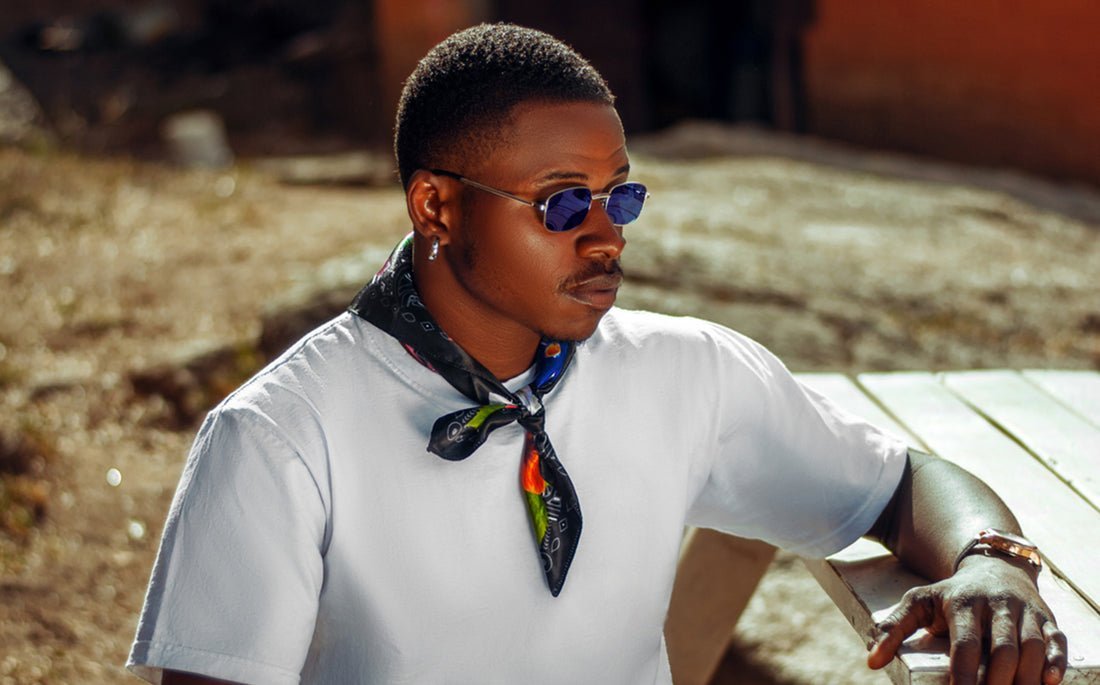
There isn’t one single best bandana for hiking that fits every person. The right pick depends on your trail habits, the weather you face, and what you expect the fabric to do. The Cooling UPF 50 Bandana serves hikers who sweat heavily in direct sun, and the Survival Cotton Bandana fits those who hike remote trails where a dead phone is a real problem.
As an Amazon Associate, we earn from qualifying purchases. This post contains affiliate links – if you buy through them, we may earn a commission at no extra cost to you.
1. Cooling UPF 50 Bandana

Best for: someone who sweats heavily on hot summer trails.
A long hike in direct sun demands gear that actively fights heat. The MISSION Cooling UPF 50 Bandana uses HydroActive Wet-to-Cool Technology to drop fabric temperature up to 30 degrees below average body temperature. You just wet it, wring it out, and wave it to start the process. It stays cool for up to 2 hours before you need to repeat those three steps.
Good if:
- You hike mostly in hot, sunny weather.
- You want built-in sun protection without extra layers.
- You don’t mind carrying water to reactivate the cooling effect.
Skip it if:
- You prefer a grab-and-go cotton cloth that needs zero prep.
- You hike in cold climates where cooling fabric feels uncomfortable.
2. Survival Cotton Bandana

Best for: someone who hikes remote trails far from cell service.
When you’re deep in the backcountry, a dead phone means lost navigation. The Trail Hankie Survival Cotton Bandana prints emergency knowledge directly onto 100% cotton fabric. It covers shelter building, water safety, signaling for rescue, and basic navigation. You don’t need batteries or a signal to read it.
Made in the USA, this bright-colored cloth doubles as a high-visibility signal panel. You can use it as a sling, neckwear, or head covering during an emergency. It turns a simple accessory into a backup plan when help is delayed. If you only walk paved local parks with clear signs, carrying printed survival instructions is unnecessary weight.
Good if:
- You hike solo in areas without reliable cell reception.
- You teach outdoor skills to scouts or beginners.
- You want a multi-use emergency tool that’s always on you.
Skip it if:
- You stick to well-marked urban trails.
- You already carry dedicated survival cards and maps.
3. Quick-Dry Mesh Scarf

Best for: someone who moves fast and sweats a lot.
High-intensity trail running generates serious heat and moisture. The UNDERCONTROL Quick-Dry Mesh Scarf uses 100% lightweight mesh polyester to maximize airflow. Unlike dense cotton that traps sweat, this airy weave lets wind pass straight through. It absorbs moisture and dries in minutes, keeping you free from chafing.
Sized at 57cm x 57cm, it wraps comfortably as a neck gaiter, headband, or face cover. Manufactured in South Korea by MUTECOMPANY Inc., it features durable stitching and packs down small. If you need a thick cloth to wipe mud off your boots, this isn’t it.
Good if:
- You run or hike fast enough to work up a heavy sweat.
- You prefer technical fabrics over traditional cotton.
- You need something that packs flat into a small pocket.
Skip it if:
- You want a rugged cloth for rough camp chores.
- You dislike the feel of synthetic mesh against your skin.
4. Large Cotton Bandana

Best for: someone who wants maximum coverage for face and neck.
Standard bandanas often leave gaps around the neck when the sun is low. The Mochabao Large Cotton Bandana measures 27″ x 27″, giving you extra fabric to wrap securely. That broad dimension makes it easy to cover your lower face and neck completely. It’s made from high-density 100% cotton that feels soft but holds up outdoors.
Printed with eco-friendly dyes, it comes in vintage paisley patterns that match casual trail outfits. It’s machine washable, though the first few washes will release extra dye. The larger size means more material to stuff in your pocket when you take it off. If you want a minimalist, ultra-light setup, those extra inches add noticeable bulk.
Good if:
- You have a larger head or neck and standard sizes feel tight.
- You need full face coverage during dusty or windy hikes.
- You like classic paisley designs that work off the trail too.
Skip it if:
- You count every ounce in your ultralight pack.
- You prefer a snug fit that doesn’t flap in the wind.
5. Cotton Paisley Bandana

Best for: someone buying their very first hiking bandana.
A first-time buyer usually wants something familiar, simple, and versatile. The MDSTYLE Cotton Paisley Bandana delivers exactly that with its classic 22″ x 22″ size. The all-cotton construction is breathable, lightweight, and easy to fold into a headband or neck scarf. You don’t need to learn special tying techniques to make it work.
It comes in many colors, so you can match your hiking clothes or pick a bright shade for visibility. Machine washable and reusable, it handles regular wear without fuss. The 22-inch square is a standard fit, meaning it won’t cover as much skin as oversized options. If you need full-face dust protection on dry trails, you’ll run out of fabric quickly.
Good if:
- You’ve never owned a hiking bandana and want a safe start.
- You like having multiple colors to swap out on trips.
- You want a basic cloth that works for hiking and daily errands.
Skip it if:
- You need specialized cooling or survival features.
- You require wide coverage for your neck and shoulders.
Other Best Bandanas for Hiking Also Worth Considering
The Neck Gaiter Face Cover Bandana focuses on breathability and dust protection for cycling and fishing. If you prefer a tubular design over folding a square, it’s a solid alternative to check out.
The Safety Bandana Hiking is another USA-made pure cotton option designed specifically for camping and trail safety. It functions as a neck gaiter, face mask, and handkerchief all at once. Hikers who prioritize domestic manufacturing might want to look into this one.
The Adventure Bandana targets men and women who want unique outdoor designs on soft, durable natural cotton. It leans more toward personal style while still working as a head scarf. If standard paisley patterns bore you, this brings fresh graphics to the trail.
Where These Overlap
The Large Cotton Bandana and Cotton Paisley Bandana are quite similar. Both are made entirely of cotton, feature paisley prints, and are machine washable. The real difference is size: 27″ x 27″ versus 22″ x 22″. If broad neck coverage matters to you, the larger one wins. If you prefer a standard fit that folds smaller, pick the 22-inch version. Otherwise, they serve the same basic purpose on the trail.
Still Not Sure?
How often will I really use it?
If you hike weekly in summer heat, you’ll need something that handles constant sweat and washing. The Cooling UPF 50 Bandana resists odors and keeps its cooling tech through machine cycles. For occasional weekend walks, a simple cotton square does the job fine. Choose based on your actual trail calendar.
What weather will I face most?
Hot, humid trails demand airflow, while dry, dusty paths need solid coverage. The Quick-Dry Mesh Scarf excels when sweat is your main enemy because it dries in minutes. For dusty canyon hikes where wind blows hard, a tightly woven cotton cloth blocks grit better. Match the fabric to your local climate.
What am I most likely to regret?
Buying a basic cloth when you actually needed emergency information is a common mistake. If you hike alone in remote areas, skipping preparedness gear leaves you vulnerable when phones fail. The Survival Cotton Bandana puts critical knowledge right on your neck. Don’t sacrifice safety just to save space in your pack.
Pick the product that matches your most frequent trail condition. If you hike hot, exposed ridges every weekend, the cooling sun-protection bandana handles that specific demand. Click the button under your chosen pick to see today’s details on Amazon.
Related guides
- 10 Best Sun Hats for Hiking: Expert Picks for Every Trail this year
- 10 Best Bras for Hiking: Expert Picks for Every Trail Type this year
- 10 Best Sun Gloves for Hiking: Our Top Picks for Every Trail this year
Frequently Asked Questions
Does the cooling bandana block UV rays on the trail?
Yes, the Cooling UPF 50 Bandana provides UPF 50 sun protection according to its listing. The Skin Cancer Foundation explains how UPF ratings measure fabric protection against ultraviolet light. You get both active cooling and a physical barrier against harsh sunlight.
Will the survival guide text fade after washing?
The Survival Cotton Bandana is crafted from 100% cotton and printed in the USA. The listing states the printed emergency information is instantly accessible when electronics fail. While the seller doesn’t specify a wash limit, natural cotton fibers generally hold printed ink well through standard machine cycles.
Is the mesh scarf large enough to cover my neck?
The Quick-Dry Mesh Scarf has a universal fit, as the listing notes. Its listing says it transforms into a protective neck gaiter or face cover. That size wraps comfortably around an average adult neck, though it won’t drape over your shoulders like a full-sized towel.
Do the cotton bandanas shrink in the washing machine?
Both the Large Cotton Bandana and Cotton Paisley Bandana are made entirely from cotton and are machine washable. Natural cotton fibers typically contract slightly during their first hot wash. The Mochabao listing notes that extra dye releases in early washes.
Conclusion
Pick the fabric that matches your usual weather, then toss it in your pack before your next walk. You’ll quickly learn how much you rely on it when the wind picks up or the sun beats down. Don’t overthink it—just get outside and try it.