There’s no single best compact camera for hiking. The right one depends on three things: where you hike, how you shoot, and what you’ll do with the photos afterward. A wet-weather hiker on coastal trails needs something sealed against water and dust, while a ridge-walker who stops for long views wants reach. These cameras differ on build, lens range and controls, not on a ranking. Two split most buyers: the Kodak PIXPRO WPZ2 for wet, rough days, and the Kodak PIXPRO FZ55 for everything else.
1. KODAK PIXPRO FZ55 16MP Compact Digital Camera

Best for: someone who wants one simple camera for everyday trail photos.
A casual hiker shoots a mix of wide valley views, trail signs and friends at a viewpoint. That calls for a lens that goes a bit wider than a phone and a body that fits a hip pocket without a case. The FZ55 features a 28mm wide angle lens and 5x optical zoom.
The 16MP CMOS sensor and 1080p video cover stills and short clips in one device. It takes Class 10 SD cards up to 512GB. The LB-012 battery charges inside the camera over USB in about two hours, though the listing says to charge it at least four hours before first use.
This isn’t for a hiker who expects to wade through streams or shoot in heavy rain. It’s also not for anyone who wants a long zoom for distant peaks.
Good if:
- You want a versatile camera capable of handling trail shots, signs and short video clips.
- You’d rather carry spare SD cards than manage a big kit
- You like charging over USB instead of carrying a separate charger
Skip it if:
- You hike in rain, cross streams, or paddle to the trailhead
- You want to pull distant summits and wildlife in close
2. KODAK PIXPRO WPZ2 16MP Waterproof Digital Camera

Best for: hikers who get wet, dusty, or both on every trip.
Water crossings, sea spray, muddy trails and snow all put a camera at risk. This one is rated waterproof to 15m for up to an hour, shockproof from 2m, and dustproof, with no separate housing to buy or pack.
The 16MP BSI CMOS sensor and 4x optical zoom from a 27mm wide angle cover above and below the surface, and Wi-Fi sends shots to your phone for posting at camp. It records 1080p video and takes microSD cards up to 1.5TB.
The upkeep matters. You must check the rubber gasket, lock the cover before every swim, never open it underwater, and rinse it with clean water afterward. It’s not for a hiker who wants a long zoom, and not for anyone who won’t do that seal check each time.
Good if:
- You ford streams, kayak, snorkel, or hike in steady rain
- You want photos on your phone without waiting to get home
- You’d rather not buy and pack a separate waterproof housing
Skip it if:
- You won’t check and rinse the seal after every wet use
- You need serious reach for distant subjects
3. Sony ZV-1F Compact Digital Camera 4K Video Black
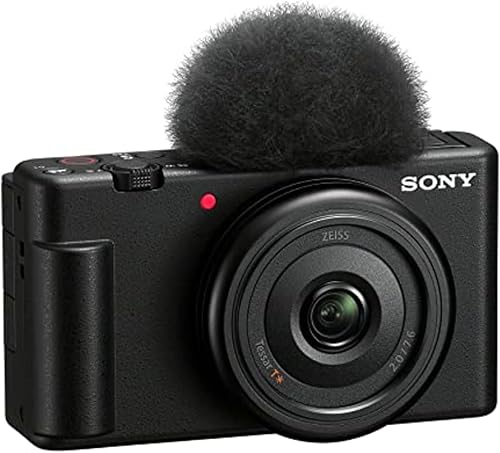
Best for: vloggers who film themselves on the move.
If your hikes turn into video, the framing problem is you: at arm’s length a normal lens crops your face and cuts out the view. The ZV-1F features an ultra-wide 20mm lens.
The large 1″ sensor and F2 lens help in low light and let you blur the background, useful at dawn or under tree cover. Eye-AF and autofocus tracking keep you sharp as you walk and talk, and the side-articulating touchscreen flips for selfie framing. A directional 3-capsule mic with a wind screen accessory is included.
This camera suits those who prioritize video over stills and don’t require extended reach.
Good if:
- You film yourself talking while you walk
- You shoot at dawn, dusk, or in shaded forest
- You want clean voice audio without a separate mic
Skip it if:
- You mostly want stills of distant scenery
- You need water and shock protection
4. Panasonic LUMIX TZ/ZS99 Point and Shoot Camera

Best for: travelers who want a single pocket camera that covers everything.
Some hikes are about what’s far away: a ridgeline, a lighthouse, a bird on a post. The ZS99 features a 24-720mm LEICA lens with 30x zoom.
It shoots 4K video at 30p and 4K PHOTO bursts at 30fps, plus HD high-speed video at 120fps for slow motion. The 1,840k-dot tiltable touchscreen helps with low and overhead angles, USB Type-C charging is universal, and Bluetooth v5.0 with a dedicated Send Image button moves files to your phone through the Panasonic Image App.
This isn’t for a hiker who needs a waterproof body, and it’s not for someone who wants the simplest possible camera, because the zoom range and menus ask more of you.
Good if:
- You want wide landscapes and long zoom from a single pocket camera.
- You shoot 4K video or slow-motion clips
- You like sharing to your phone right away
Skip it if:
- You hike in rain or cross water regularly
- You want the fewest possible controls
5. KODAK PIXPRO FZ45 16MP Compact Digital Camera

Best for: a first-time buyer who wants the least fuss.
If you’ve never owned a camera and don’t want to think about charging, this one runs on two AA alkaline batteries. That means no cable and no wall outlet needed.
The 16MP CMOS sensor, 4x optical zoom and 27mm wide angle cover the same everyday ground as the FZ55, and it records 1080p video too. It takes Class 10 SD cards up to 512GB, and the 2.7in LCD is there for framing and review.
It’s not for a hiker who wants rechargeable power and would rather not buy batteries, and not for anyone who needs a long zoom.
Good if:
- You want a camera that runs on batteries you can buy anywhere
- You’re new to cameras and want simple controls
- You shoot everyday trail photos and short clips
Skip it if:
- You’d rather recharge than keep buying batteries
- You need zoom reach or water protection
Where These Overlap
The FZ55 and FZ45 are close on paper: both are 16MP, both record 1080p, both take Class 10 cards up to 512GB, and both use a wide lens near 27-28mm. The zoom differs by one step, 5x against 4x, and the power source is the real split, USB charging against AA batteries. If those two are your shortlist, pick on power, not on image specs. The WPZ2, ZV-1F and ZS99 are genuinely different tools: sealed, video-first, and long-zoom respectively.
Still Not Sure?
How often will I actually carry it?
If it’s every hike, power matters most, so a USB-rechargeable body like the Kodak PIXPRO FZ55 keeps the routine simple. If it’s a few big trips a year, a longer zoom like the Panasonic Lumix ZS99 earns its place.
What do I already own that this has to work with?
Think about your cards, cables and phone. The Kodak PIXPRO WPZ2 takes microSD up to 1.5TB and sends files over Wi-Fi, while the FZ55 and FZ45 use full-size SD cards up to 512GB. Match the camera to what’s already in your drawer.
What am I most likely to regret choosing?
Most people regret the wrong protection level, not the wrong sensor. If your trails are wet or dusty, the Kodak PIXPRO WPZ2 is rated waterproof to 15m and shockproof from 2m, and no amount of zoom makes up for a camera you’re afraid to use.
Related guides
Frequently Asked Questions
Do I need a waterproof camera for hiking?
Only if your trails are wet, dusty or cross water. The Kodak PIXPRO WPZ2 is rated waterproof to 15m for up to an hour, shockproof from 2m and dustproof. The other picks here state no such rating, so keep them dry.
What memory card works with these compact cameras?
It depends on the model. The Kodak PIXPRO FZ55 and FZ45 take Class 10 SD, SDHC or SDXC cards up to 512GB, while the WPZ2 takes microSD, microSDHC or microSDXC up to 1.5TB, Class 10 or better.
How long should I charge a new camera battery before first use?
Longer than you’d think. The Kodak listings say to charge for at least four hours before first use, and the FZ55 charges in about two hours over USB with the supplied adapter. A full first charge helps battery life.
Can I send hiking photos straight to my phone?
Yes, on some models. The Kodak PIXPRO WPZ2 has Wi-Fi, and the Panasonic Lumix ZS99 uses Bluetooth v5.0 with a dedicated Send Image button and the Panasonic Image App.
As an Amazon Associate, we earn from qualifying purchases. This post contains affiliate links – if you buy through them, we may earn a commission at no extra cost to you.
Conclusion
If your hikes are wet and rough, the Kodak PIXPRO WPZ2 is the one, with its 15m waterproof rating and sealed body. For dry trails and everyday shooting, the Kodak PIXPRO FZ55 is the simpler pick. Check today’s specs on the one that matches your trails.