As an Amazon Associate, we earn from qualifying purchases. This post contains affiliate links – if you buy through them, we may earn a commission at no extra cost to you.
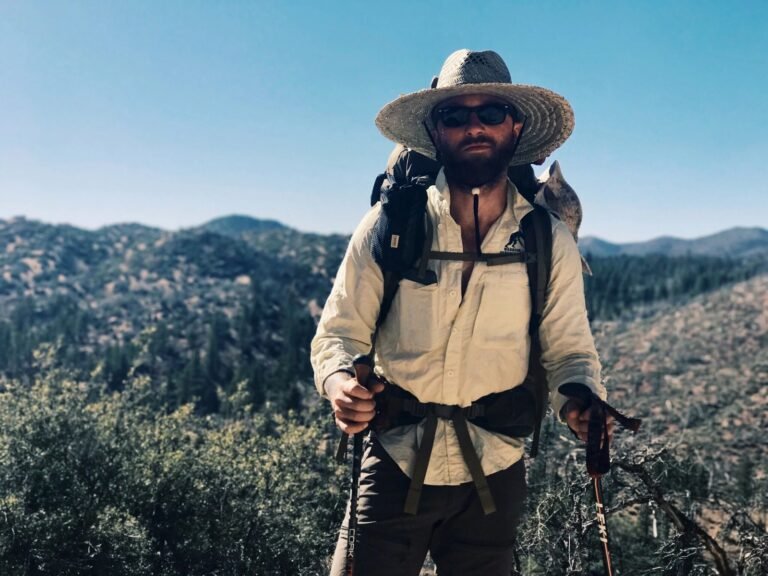
Finding the best clothes for hiking women depends on your specific trail habits, the typical weather you face, and how much you value features like storage or sun protection. There’s no single “best” item; there’s only the right choice for your next adventure. You might prioritize technical fabrics that wick sweat, or perhaps you need extra layers for colder climbs. Some hikers want one pair of pants that can do everything, while others prefer specialized gear for summer heat or winter snow. The choice often splits between those who value maximum versatility and those who need specific protection for harsh environments.
1. Women’s Quick Dry Cargo

Best for: Hikers who need a reliable, all-season pant for changing trails.
These pants focus on utility and comfort. The articulated knees and elastic drawstring waist help you maintain a full range of motion during steep climbs or scrambles. Because they’re water-resistant and quick-dry, they handle light trail moisture well. The four zip-closure pockets provide secure storage for small items like keys or trail snacks.
The adjustable cord locks at the cuffs are a standout feature for keeping debris out of your boots. However, these may not be the right choice if you prefer a slim-fit aesthetic, as the cargo design prioritizes function over a tailored look. They come in both petite and tall options, which helps if you usually struggle with inseam lengths.
Good if:
- You want a pant that works across multiple seasons.
- You need to keep small items secure with zippers.
- You prefer adjustable cuffs for different trail conditions.
Skip it if:
- You’re looking for a heavy-duty winter pant.
- You prefer a slim, street-wear style fit.
2. UPF 50 Safari Shirt

Best for: Someone who spends long hours in direct, intense sunlight.
This shirt is designed for protection. The UPF 50+ fabric acts as a shield against UVA and UVB rays, which is essential for high-altitude hiking or open, exposed trails. The mesh-lined vented back is a smart addition, as it allows air to circulate, preventing you from overheating while you’re covered up.
The sleeves are highly adaptable. You can roll them up and secure them with tabs, turning a long-sleeve sun shirt into a short-sleeve top as the day warms up. If you carry a lot of gear, the chest pockets and sunglasses loop help keep essentials accessible without reaching into your pack. This isn’t ideal if you prefer a very tight, athletic compression fit, as the cut is intentionally relaxed for comfort.
Good if:
- You hike in areas with little to no shade.
- You want a shirt that adjusts for temperature shifts.
- You need built-in spots to hang sunglasses or gear.
Skip it if:
- You want a tight, form-fitting base layer.
- You’re hiking in very dense brush where loose fabric might snag.
3. Softshell Hooded Rain Coat
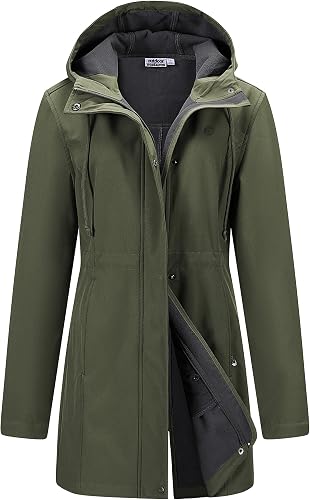
Best for: Hikers who need warmth and protection from unpredictable mountain weather.
This coat is built for those shoulder-season hikes where the temperature drops and rain is a possibility. The fleece lining provides warmth without the bulk of a heavy winter parka, while the mid-layer membrane works to keep water out. It’s a solid choice for staying comfortable when the wind picks up on an exposed ridge.
The 2-way front zipper and adjustable hood are designed to seal out the elements effectively. The listing notes that while the fabric is waterproof, heavy rain might eventually find its way through the stitching. This is a trade-off to keep in mind if you’re planning to hike in prolonged, torrential downpours.
Good if:
- You want one layer that blocks both wind and light rain.
- You need extra warmth without heavy, bulky insulation.
- You prefer a coat with deep, secure storage pockets.
Skip it if:
- You’re heading out in extreme, heavy, all-day rain.
- You’re looking for a summer-weight shell.
4. Convertible Lightweight Hiking Pants
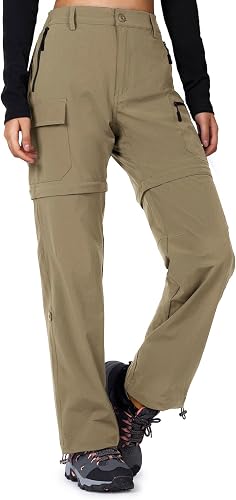
Best for: Long-distance hikers who want to save space in their pack.
The primary benefit here is the ability to change your leg length on the move. These pants offer three ways to wear them, which is helpful if you start a hike in the cool morning and end in a hot afternoon. The fabric is lightweight and moisture-wicking, keeping you focused on the trail rather than your gear.
The elastic waist helps with the fit, allowing you to define your shape while staying comfortable. With five pockets, you have plenty of room for essentials. The main trade-off is the zipper line at the thighs; some hikers find that convertible seams can be a point of friction if the fit isn’t exactly right for your body type.
Good if:
- You want to reduce the number of items in your pack.
- You hike in areas with drastic temperature changes during the day.
- You like having many pockets for quick access.
Skip it if:
- You dislike the feeling of a zipper seam on your legs.
- You prioritize extreme durability over lightweight versatility.
5. UPF 50 Sun Hoodie

Best for: Minimalist hikers who want sun protection without extra layers.
This hoodie is all about simplicity. The hood provides physical coverage for your neck and cheeks, which is often more effective than sunscreen alone. Thumb holes keep the sleeves from riding up while you’re using trekking poles, ensuring your hands stay protected as well.
The raglan sleeves are a nice touch for mobility, as they don’t restrict your shoulders when you’re reaching for handholds. Because it’s a tag-free, lightweight top, it feels like a second skin. It isn’t designed for warmth, so if you’re hiking in high, cold winds, you’ll need an additional outer layer.
Good if:
- You want to cover your neck and ears from the sun.
- You use trekking poles and want to keep your sleeves down.
- You want a shirt that moves with your body.
Skip it if:
- You need a layer that provides significant wind or cold protection.
- You prefer a traditional collar over a hood.
6. Waterproof Insulated Ski Pants

Best for: Winter hikers who deal with snow and freezing temperatures.
These pants are built for the cold. The fleece lining adds a significant layer of warmth, while the waterproof outer shell keeps you dry if you’re walking through deep snow. The extra pockets on the knees are useful for items you need to grab without stopping, and the elastic waistband ensures they stay comfortable during long movements.
The trade-off here is weight and breathability. Because they’re insulated and waterproof, they can get quite warm during high-intensity climbing. They’re best for slower-paced winter hiking or mountaineering where the priority is staying warm and dry in freezing conditions.
Good if:
- You hike in snowy, icy, or very cold environments.
- You need a pant that keeps the wind and snow out.
- You have a lot of gear to carry in external pockets.
Skip it if:
- You’re hiking in mild or warm weather.
- You need a pant that’s very lightweight for fast-paced movement.
7. 5-Inch Quick Dry Shorts

Best for: Summer hikers who value freedom of movement and ventilation.
These shorts are perfect for hot, humid days when full-length pants feel too restrictive. The 5-inch inseam and side-slit design are specifically chosen for maximum leg mobility, which helps when stepping over logs or climbing stairs on a trail. They’re quick-drying, so you don’t have to worry about sweat or a little trail water lingering.
The three zipper pockets are surprisingly deep for shorts, ensuring your phone or keys stay safe. Since they’re shorts, they offer no protection against thorns, tall grass, or insects. They’re a specialized piece of gear for warm weather and exposed trails.
Good if:
- You’re hiking in high-heat, high-humidity conditions.
- You want total freedom of movement for your legs.
- You need lightweight gear that dries almost instantly.
Skip it if:
- You’re hiking on overgrown trails with thorns or poison ivy.
- You prefer the protection of long pants from sun and bugs.
8. Athletic Cargo Hiking Joggers

Best for: The hiker who wants a stylish, comfortable look that works off the trail.
These joggers bridge the gap between athletic wear and trail gear. The stretchy ankle cuffs provide a clean look and keep the fabric from snagging on roots or rocks. With five pockets, they offer more storage than typical leggings, making them very practical for a full day out.
The UPF 50+ protection is a great addition for such a comfortable style. Because they’re more of a jogger cut, they might feel a bit looser than traditional hiking tights. If you’re doing very technical climbing, the extra fabric around the ankles might be a point of concern for some, but for general hiking, they’re very functional.
Good if:
- You want a versatile pant for both hiking and daily wear.
- You prefer the fit of a jogger over a tight legging.
- You want plenty of pockets in a comfortable, stretchy package.
Skip it if:
- You need a very slim, technical fit for difficult scrambles.
- You prefer an open cuff for maximum air flow.
9. Athletic Sun Protection Jacket

Best for: A lightweight, “just in case” layer for sun and wind.
This jacket is the ultimate packable piece. It’s featherlight and designed to be folded down into a bag, so you can bring it along on almost any hike without feeling weighed down. The micro-perforated fabric is excellent at keeping you cool while providing a barrier against the sun.
The cropped, loose fit is modern and works well with high-waisted leggings or shorts. Since it’s a lightweight windbreaker, it isn’t meant for heavy rain or deep cold. It’s a shield against the elements during a quick outing or a long, sunny day where you want to keep the sun off your arms.
Good if:
- You want a layer that’s easy to stash in a pack.
- You hike in sunny areas and want to keep your arms covered.
- You want a piece that looks good on and off the trail.
Skip it if:
- You need a heavy-duty rain or winter jacket.
- You prefer a longer, full-coverage coat.
10. Fleece Lined Thermal Leggings

Best for: Hikers who refuse to stop just because the temperature drops.
These are a high-performance choice for winter. The heat-reflective lining is a clever way to keep you warm without adding too much bulk. They’re designed to hold up in very cold weather, even below freezing, which makes them a go-to for winter trail enthusiasts.
The high waist and curved back seams provide a secure, flattering fit that stays in place while you move. They also include reflective details, which is a big safety plus if you hike during the shorter winter days when light is limited. The only limit is that they’re specific to cold weather; you’ll likely find them too warm for any season other than winter or late fall.
Good if:
- You hike in sub-zero or very cold temperatures.
- You want leggings that stay in place during intense movement.
- You need reflective gear for low-light winter hiking.
Skip it if:
- You’re looking for a pant to use across all four seasons.
- You tend to overheat quickly during physical activity.
Best hiking clothes for women
In this category, the choice often comes down to the specific conditions you anticipate. Many of these items overlap in their core features—almost all of them offer moisture-wicking properties and some level of quick-dry capability. For instance, the Women’s Quick Dry Cargo and the Convertible Lightweight Hiking Pants are both excellent for general, three-season use. If you’re choosing between them, the main difference is simply the convertible feature; if you want to save weight by carrying one item instead of two, the convertible pants are the clear winner.
Similarly, the UPF 50 Safari Shirt, the UPF 50 Sun Hoodie, and the Athletic Sun Protection Jacket all aim to solve the same problem: sun exposure. The choice between these is a matter of preference regarding coverage and fit. The hoodie is best if you want to cover your ears and neck, while the safari shirt offers more ventilation and a more formal, button-up look.
Still Not Sure?
How often will I really use this gear?
If you hike every weekend, investing in specialized gear like the Waterproof Insulated Ski Pants or the Fleece Lined Thermal Leggings is a smart move because they will see plenty of use. If you’re a casual hiker who only goes out a few times a year, look for versatile items like the Women’s Quick Dry Cargo or the Convertible Lightweight Hiking Pants, which can pull double duty for travel or casual daily wear.
What do I already own that this has to work with?
Think about your current layers. If you already have a great rain shell, you don’t need the Softshell Hooded Rain Coat and could instead focus on a base layer like the UPF 50 Sun Hoodie. If you own a lot of leggings but no pockets, the Athletic Cargo Hiking Joggers might be the missing link for your storage needs. Always look at your current wardrobe to ensure your new purchase fills a real gap.
What am I most likely to regret choosing?
The most common regret is buying gear that’s too specialized for the wrong season. For example, buying the Fleece Lined Thermal Leggings for a summer hike will leave you feeling very uncomfortable. Conversely, bringing the lightweight, minimalist shorts on a late-autumn mountain hike will leave you shivering. Match your purchase to your most common trail season to ensure you get the most value.
Frequently Asked Questions
How do I know which size will fit me best?
Most brands provide specific inseam measurements, such as the 27-inch petite or 31-inch tall options found in the Women’s Quick Dry Cargo. Always check the size chart provided on the listing, as athletic cuts can vary significantly between brands. If you’re between sizes, consider your layering needs; if you plan to wear a base layer underneath your hiking pants, you may want to size up for extra room and comfort during movement.
Do I really need UPF 50+ clothing?
UPF-rated clothing effectively protects your skin from harmful UVA and UVB rays without constant sunscreen reapplication. The Environmental Protection Agency identifies protective clothing as a primary method for reducing UV exposure. These garments are valuable tools for maintaining skin health during long hours in direct sunlight.
How do I clean my hiking gear to keep it waterproof?
Always check the specific care instructions on the garment’s label. For water-resistant items, washing them helps remove dirt that can trap moisture, but be aware that the water-repellent coating may need to be refreshed with a specialized treatment.
Can I wear my regular gym clothes for hiking?
Hiking-specific gear offers superior utility compared to gym clothes, featuring reinforced knees and secure storage pockets. These items are constructed with durable fabrics designed to resist snagging on rocks or branches. While gym gear may suffice for short, well-maintained walks, dedicated outdoor clothing provides better protection for technical hikes.
Conclusion
Choosing the right hiking clothes is about balancing your comfort with the demands of the trail. If you’re hiking in the heat of summer, prioritize the quick-drying shorts or the high-rated sun hoodie for maximum cooling and protection. For those heading into colder months or high-altitude terrain, the Fleece Lined Thermal Leggings or the Softshell Hooded Rain Coat will provide the necessary warmth and weather resistance. Start by identifying your typical hiking season and go from there.