If you’re diving into baseball stats, you’ve probably come across the term WHIP and wondered what it means for pitching. Understanding WHIP can change the way you watch the game and appreciate a pitcher’s skill.
It’s a simple number, but it tells a powerful story about how well a pitcher keeps runners off the bases. Whether you’re a casual fan or someone who wants to get deeper into baseball analysis, knowing what WHIP is will give you a fresh perspective on pitching performance.
Ready to find out how WHIP works and why it matters? Let’s break it down together.
Whip Basics
Understanding the basics of WHIP is important for baseball fans and players. WHIP is a simple yet powerful stat in pitching. It shows how well a pitcher controls the game by limiting baserunners. This section explains the core ideas behind WHIP and why it matters.
Knowing WHIP helps fans follow games better. It also helps coaches and players improve pitching strategies. Let’s explore what WHIP means and its role in pitching performance.
Meaning Of Whip
WHIP stands for Walks plus Hits per Inning Pitched. It measures how many players reach base due to walks or hits. To find WHIP, add the number of walks and hits allowed, then divide by innings pitched. A lower WHIP means the pitcher allows fewer runners on base. This helps keep the opposing team from scoring.
Key Role In Pitching
WHIP shows how effective a pitcher is at stopping batters from reaching base. Pitchers with low WHIP control the game better. They give fewer chances to opponents, which lowers the chance of runs. Coaches use WHIP to judge a pitcher’s performance quickly. It also helps players focus on reducing walks and hits. This leads to stronger pitching and better team defense.

Credit: sports.yahoo.com
Calculating Whip
Calculating WHIP helps understand a pitcher’s effectiveness at keeping runners off base. It shows how many batters reach base per inning due to hits or walks. Knowing how to calculate WHIP makes it easier to compare pitchers and evaluate their performance quickly.
Whip Formula
The WHIP formula is simple. Add the total walks and hits allowed by the pitcher. Then, divide that number by the total innings pitched. The formula looks like this:
WHIP = (Walks + Hits) ÷ Innings Pitched
This number shows how many runners reach base per inning. A lower WHIP means better control and fewer runners allowed.
Data Needed
To calculate WHIP, you need three pieces of data. First, count the total walks given by the pitcher. Second, find the total hits allowed. Third, check the total innings the pitcher has thrown. These stats are available in most baseball scoreboards and online databases.
Make sure to use accurate and up-to-date data. This keeps the WHIP calculation reliable and useful for comparing pitchers.
Whip’s Impact On Performance
WHIP’s impact on pitching performance is significant in baseball. It shows how well a pitcher controls the game by limiting baserunners. A lower WHIP means fewer hits and walks allowed per inning. This directly affects the pitcher’s ability to keep opponents from scoring. Understanding WHIP helps fans and coaches evaluate a pitcher’s effectiveness beyond just wins and losses.
Indicator Of Control
WHIP reveals a pitcher’s control over the game. It measures walks and hits allowed per inning. A low WHIP means the pitcher rarely lets batters reach base. This shows strong command and precise pitching. Control reduces scoring chances for the opposing team. Pitchers with good control often have lower WHIPs and better overall performance.
Relation To Runs Allowed
WHIP closely relates to the number of runs a pitcher allows. More baserunners increase the chance of runs scored. A higher WHIP often leads to more runs against the pitcher. Limiting walks and hits keeps the defense strong. Lower WHIP pitchers usually give up fewer runs. This makes WHIP a valuable stat for predicting run prevention.
Limitations Of Whip
WHIP is a popular pitching stat in baseball, but it has limits. It does not tell the full story about a pitcher’s skill. Some key elements are missing from its calculation. Also, WHIP does not compare well with other pitching stats in some cases. Understanding these limits helps to use WHIP wisely.
Exclusions From Calculation
WHIP counts only walks and hits allowed by a pitcher. It ignores other ways batters reach base, like errors or hit by pitch. This means some baserunners are not reflected in the WHIP number.
It does not consider the quality of hits. A single and a home run both count as one hit. This can hide how damaging the hits really are. WHIP also ignores runs scored, which is a key part of pitching success.
Comparison With Other Stats
WHIP is simple and easy to understand, but other stats provide deeper insights. For example, ERA (Earned Run Average) shows how many runs a pitcher allows per nine innings. This helps to measure run prevention better.
FIP (Fielding Independent Pitching) estimates a pitcher’s performance based on strikeouts, walks, and home runs allowed. It removes the effect of fielders, unlike WHIP. WHIP does not show a pitcher’s ability to strike out batters or prevent extra-base hits.
Ideal Whip Values
Understanding ideal WHIP values helps evaluate a pitcher’s performance clearly. WHIP stands for Walks plus Hits per Inning Pitched. It shows how many batters reach base on average each inning. Lower WHIP values mean fewer baserunners and stronger pitching.
Pitchers strive to keep WHIP low to limit scoring chances. WHIP reflects control and effectiveness on the mound. Different levels of WHIP indicate how well a pitcher controls the game and prevents runners.
What Is Considered Good
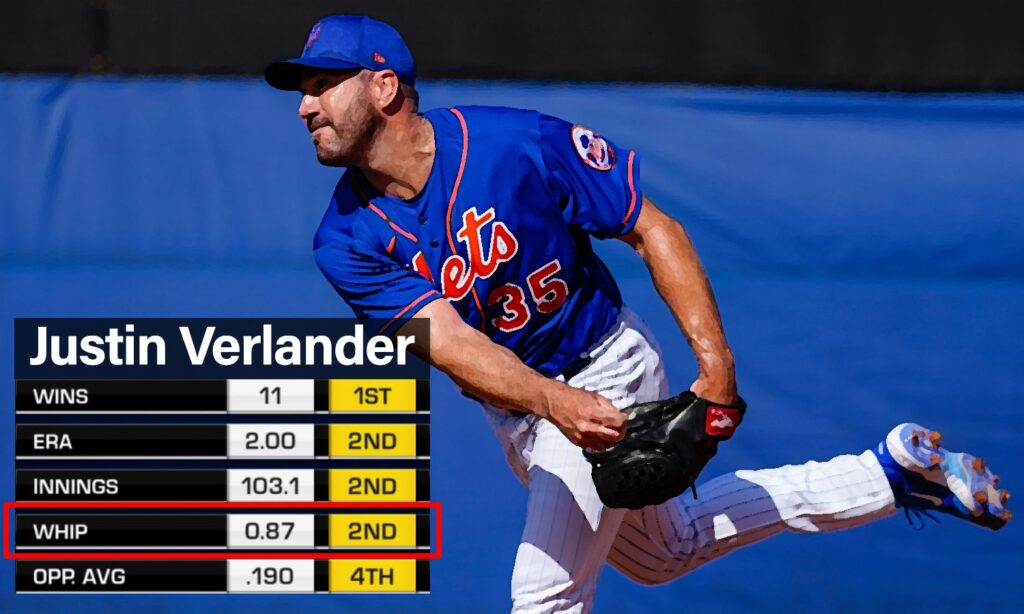
A WHIP around 1.00 is excellent in baseball. This means the pitcher allows one baserunner per inning on average. A WHIP between 1.00 and 1.20 is considered good. Most effective pitchers maintain WHIP below 1.30. WHIP over 1.50 suggests struggles with control or too many hits.
Lower WHIP values indicate fewer walks and hits given up. This reduces scoring chances against the pitcher. Maintaining a low WHIP is key for starting pitchers and relievers alike.
Top Mlb Performers
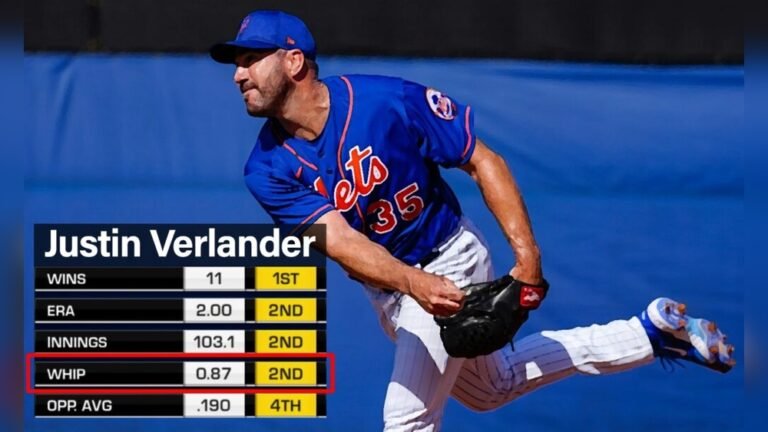
Elite MLB pitchers often post WHIP under 1.00 during seasons. For example, Clayton Kershaw and Jacob deGrom have career WHIPs near 1.00. These pitchers limit baserunners exceptionally well. Their WHIP values show dominance in control and skill.
Top relievers may have even lower WHIPs. Mariano Rivera finished his career with a WHIP around 1.00. Consistently low WHIP reflects a pitcher’s ability to shut down opposing hitters. It remains one of the best stats to measure pitching success.
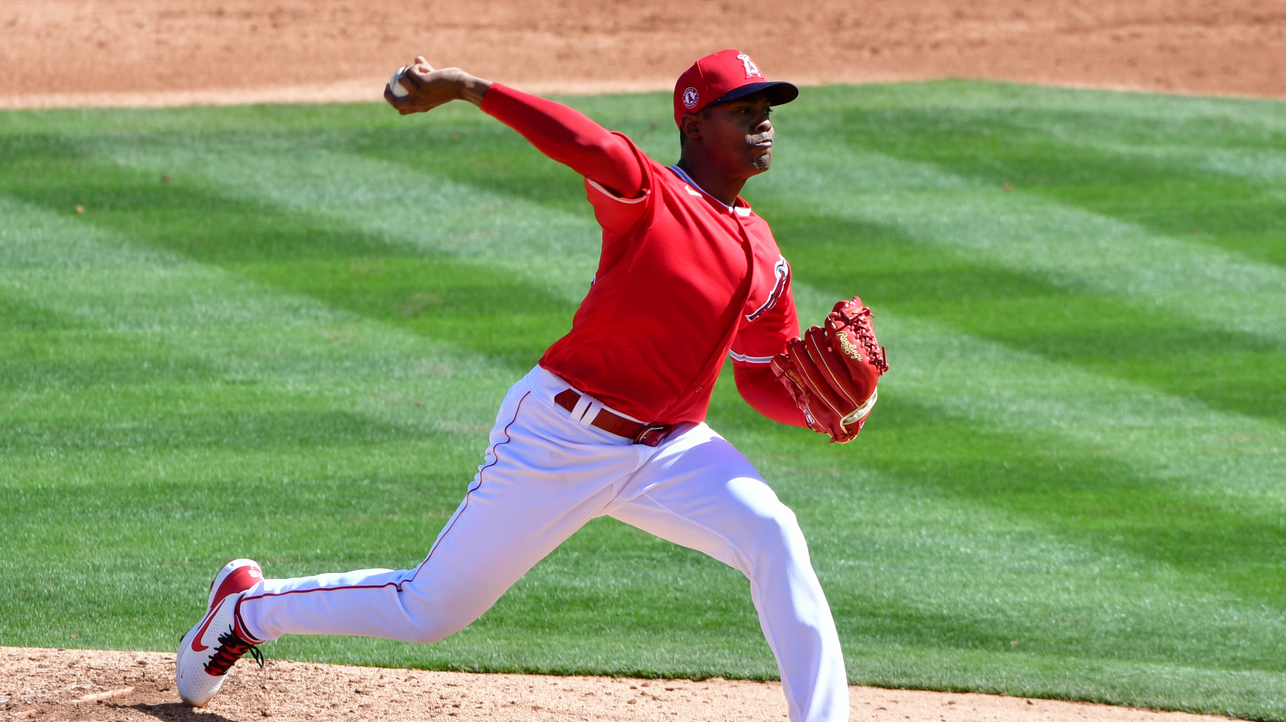
Credit: www.nbcsportsboston.com
Improving Your Whip
Improving your WHIP is essential for becoming a successful pitcher. WHIP measures how many baserunners you allow per inning. A lower WHIP means fewer walks and hits allowed, leading to better control and fewer scoring chances for the opponent. Focus on refining your pitching skills and physical conditioning to reduce your WHIP. Small improvements in technique and training can make a big difference in your performance.
Pitching Techniques
Control is the key to lowering your WHIP. Work on your release point to improve accuracy. Consistent mechanics help you throw strikes more often. Mix your pitches to keep hitters guessing. Use fastballs, curveballs, and sliders to disrupt timing. Learn to pitch inside to limit walks. Focus on hitting your spots instead of just throwing hard. Good fielding behind you can also reduce baserunners, so communicate well with your team.
Training Tips
Build endurance with regular cardiovascular workouts. Strong legs and core improve your balance and power. Practice throwing with proper form to avoid injury. Include drills that enhance your grip and wrist strength. Simulate game situations to build mental toughness. Rest properly to keep your arm healthy and avoid fatigue. Track your progress by recording your WHIP after each game. Regular feedback helps you adjust training and stay on track.
Whip In Game Strategy
WHIP plays a crucial role in baseball game strategy. It helps coaches and managers assess how effectively a pitcher controls the game. A low WHIP means fewer batters reach base, reducing scoring chances. Teams rely on this stat to make smart decisions during games. Understanding WHIP aids in choosing the best pitchers for key moments.
Using Whip To Evaluate Pitchers
WHIP shows how many runners a pitcher allows per inning. Pitchers with low WHIP keep the bases mostly empty. This limits scoring opportunities for the opposing team. Teams use WHIP to compare pitchers’ effectiveness quickly. It helps identify pitchers who can control the game well. WHIP is more revealing than just looking at strikeouts or wins.
Whip’s Role In Team Decisions
Managers use WHIP to decide pitching lineups and substitutions. A pitcher with a high WHIP may be replaced sooner. Teams prefer pitchers with low WHIP in critical game situations. It influences choices like who to start or bring in as a reliever. WHIP guides strategic moves that aim to reduce opponent runs. It is a valuable tool for managing pitching staff efficiently.
Credit: www.gaimday.com
Frequently Asked Questions
What Is A Good Whip In Baseball Pitching?
A good WHIP in baseball pitching is typically below 1. 20. Lower WHIP means fewer baserunners allowed. Elite pitchers often have WHIPs under 1. 00.
Is A 0.95 Whip Good?
A 0. 95 WHIP is excellent in baseball pitching. It means the pitcher allows fewer than one baserunner per inning, showing strong control and effectiveness.
Who Has The Lowest Whip In Mlb History?
Addie Joss holds the lowest career WHIP in MLB history with an impressive 0. 9678.
Is A Higher Or Lower Whip Better?
A lower WHIP is better. It shows a pitcher allows fewer baserunners, indicating stronger performance and control.
Conclusion
WHIP shows how many runners a pitcher allows per inning. A low WHIP means fewer baserunners and better pitching control. Pitchers with low WHIP usually keep their team in a good position. Understanding WHIP helps fans and players appreciate pitching skills.
It’s a simple, useful stat for baseball pitching performance. Keep an eye on WHIP to see how well a pitcher limits opponents. This helps explain why WHIP matters in baseball games and player evaluation.