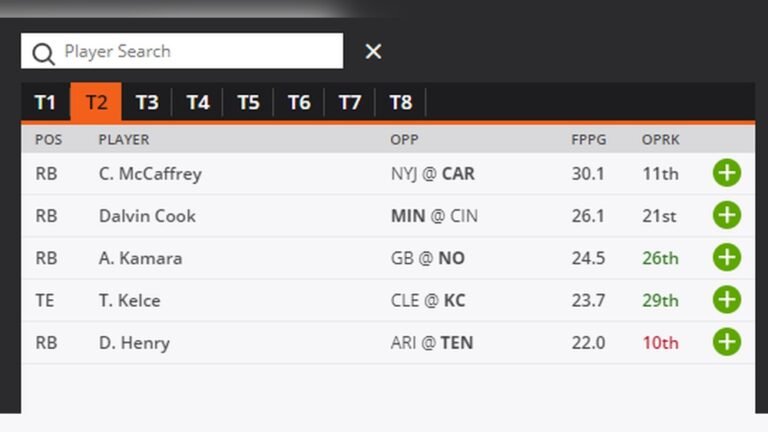
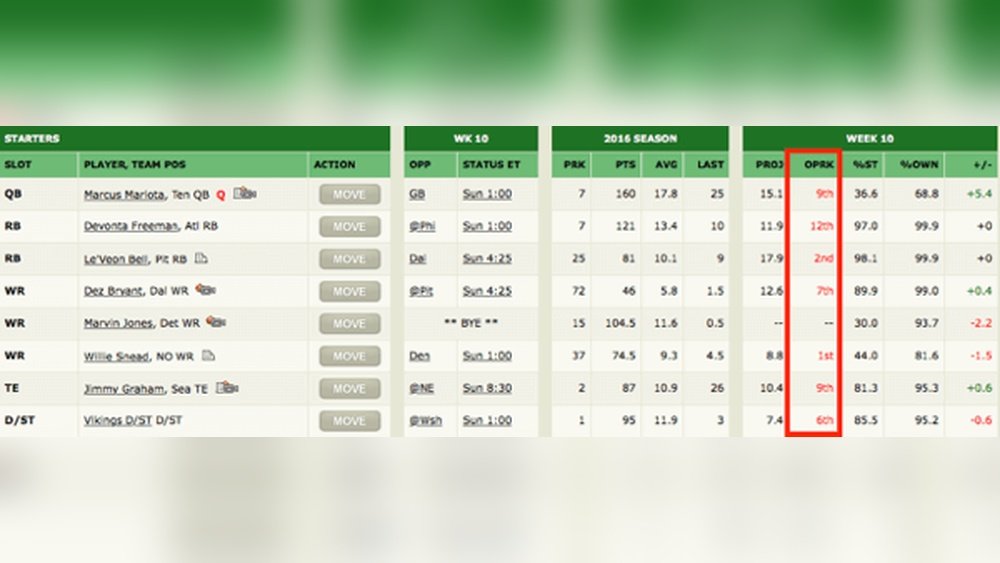
If you’re diving into fantasy football, you’ve probably come across the term “OPRK” and wondered what it means—and why it matters for your lineup. Simply put, OPRK stands for Opponent Rank, a key stat that shows how tough or easy a defense is against a specific player position.
Knowing your opponent’s rank can give you an edge in deciding who to start or sit each week. Imagine having a quick way to spot whether your star running back is facing a defense that typically shuts down that position—or one that tends to give up big points.
This insight can make all the difference between winning and losing your matchup. Keep reading to find out exactly how OPRK works and how you can use it to boost your fantasy football success.
Meaning Of Oprk
OPRK is a key term in fantasy football. It helps players decide who to start or bench. Understanding OPRK gives insight into player matchups. It relates to how tough or easy a defense is for specific positions.
This metric ranks defenses based on the points they allow. It guides fantasy managers on potential player performance. Knowing OPRK can improve your weekly lineup choices.
Definition In Fantasy Football
OPRK stands for Opponent Rank. It shows how well a defense performs against a position. A low OPRK means the defense is strong and allows fewer fantasy points. A high OPRK means the defense is weaker and gives up more points. Fantasy players use this to predict player success each week.
Relation To Opponent’s Defense
OPRK reflects the strength of the opposing defense. It measures how many fantasy points that defense allows. Teams with a tough defense have a low OPRK. This signals a hard matchup for players at that position. Teams with a weak defense have a high OPRK. This suggests an easier game and more scoring chances.
Position-specific Ranking
OPRK is specific to player positions like quarterback, running back, or wide receiver. Each position faces different defensive challenges. The ranking shows how a defense performs against a certain position. This helps fantasy managers make better decisions based on matchups. It is not a general team rating but a targeted measure for positions.

Credit: www.reddit.com
Interpreting Opponent Rank
Interpreting opponent rank, or OPRK, helps you understand how tough a defense is against a specific player position. This ranking shows how many fantasy points a defense typically allows to that position. It guides your decisions on which players to start or bench based on their matchups.
Using opponent rank simplifies your fantasy football strategy. It gives a quick snapshot of the defense’s strength. This makes it easier to predict how well your player might perform.
High-rank Defense: Red Flag
A high-rank defense means the defense is strong against that position. It usually allows fewer fantasy points. Starting a player against this defense is risky. The chances of a low scoring game increase. Consider other options if possible.
Average-rank Defense: Gray Matchup
An average-rank defense falls in the middle. It neither excels nor struggles against that position. This matchup is uncertain and less clear. Your player might have a normal or below-average game. Use other factors to decide on starting them.
Low-rank Defense: Green Flag
A low-rank defense is weak against that position. It tends to give up more fantasy points. This signals a good opportunity for your player. Starting them here increases the chance of a big game. Take advantage of these matchups for better scores.
Using Oprk To Make Decisions
Using OPRK to make decisions in fantasy football helps simplify tough choices. OPRK shows how strong or weak a defense is against specific player positions. This data guides your lineup moves with clear insight.
It breaks down complex matchups into simple rankings. This makes it easier to spot favorable or tough games for your players. Using OPRK can improve your weekly strategy and boost your team’s points.
Choosing Between Players
When you have two players at the same position, OPRK helps pick the better option. Compare their matchups by looking at the opponent rank. Choose the player facing the weaker defense for higher scoring chances.
This method reduces guesswork. It focuses your decision on which defense allows more fantasy points. OPRK points you to the player with an easier path to success.
Bench Or Start Decisions
OPRK helps decide if a player should be on your bench or start. A very low opponent rank signals a tough defense. Consider sitting a player facing a strong defense to avoid a low score.
For borderline players, this can be the key factor. Start those with green flags—defenses that give up more points. Bench those with red flags to protect your team’s score.
Evaluating Matchups Quickly
OPRK offers a fast way to evaluate matchups each week. It shows how each defense ranks against a player’s position. This helps spot favorable and tough games instantly.
Use it to compare multiple players in seconds. It saves time and sharpens your lineup choices. OPRK makes weekly prep faster and more efficient.
Comparing Oprk With Other Stats
Comparing OPRK with other fantasy football stats helps clarify its unique role. OPRK, or Opponent Rank, focuses on how tough a defense is against a specific position. Other stats provide different views of a player’s potential and matchup strength. Understanding these differences improves lineup choices and game strategy.
Opponent Points Allowed
Opponent Points Allowed measures how many fantasy points a defense gives up to all players at a position. It shows overall defensive weakness or strength. OPRK, in contrast, ranks defenses by their impact on individual players. Points Allowed gives a broader picture but may miss specific matchup details.
Opponent Plus/minus
Opponent Plus/Minus calculates how much better or worse a defense performs against a position compared to the league average. It highlights defenses that are outliers. OPRK sorts opponents by rank, while Plus/Minus shows exact differences. Both help identify favorable or tough matchups but in different formats.
Position Rank And Projections
Position Rank orders players by their fantasy scoring at each position. Projections predict future scores based on stats and trends. OPRK complements these by showing how opponent defenses affect player potential. Using all three stats together offers a clearer forecast for starting decisions.
Color Coding In Opponent Ranks
Color coding in opponent ranks (OPRK) helps fantasy football players quickly see how tough or easy a matchup is. This visual guide uses colors to show how well a defense performs against certain positions. It makes choosing players simpler and faster.
Each color represents a different level of difficulty for the player’s upcoming game. Understanding these colors helps in making smarter decisions about who to start or sit.
Green Indicates Favorable Matchups
Green means the defense struggles against a player’s position. It signals that the opponent is likely to give up more fantasy points. Players facing green-coded defenses have a better chance to score high. Green matchups are ideal for starting key players.
Gray Shows Neutral Matchups
Gray indicates an average defense against the position. These matchups are neither easy nor very hard. Fantasy points here are expected to be normal. Gray means it is safe to start a player but without high expectations.
Red Signals Tough Matchups
Red marks a strong defense against the player’s position. These defenses usually allow fewer fantasy points. Red matchups are warning signs to consider benching a player. Avoid starting players with red-coded opponent ranks if possible.

Credit: www.youtube.com
Common Terms Related To Oprk
Understanding common terms related to OPRK helps you use this stat better. OPRK stands for Opponent Rank. It shows how strong or weak a defense is against a player’s position. This ranking helps in choosing players for your fantasy team. Knowing related terms makes OPRK easier to apply.
Opp Vs Opponent
“Opp” is short for “Opponent.” Both mean the team your player faces. In fantasy football, this term shows the defense a player will compete against. Knowing the opponent’s strength helps predict the player’s performance. Opp and opponent are often used interchangeably in stats and analysis.
Opponent Rank Vs Opponent Points Allowed
Opponent Rank (OPRK) ranks defenses from best to worst against a position. A low rank means a tough defense. A high rank means a weak defense. Opponent Points Allowed shows the actual fantasy points given up by that defense. Combining these helps judge how well a player might score in a game.
Usage In Daily Fantasy Sports
OPRK is key in daily fantasy sports (DFS). It helps select players with easier matchups. DFS players use OPRK to find value picks who face weak defenses. This can boost their fantasy points quickly. Monitoring OPRK each week improves lineup decisions and potential winnings.
Strategies To Unlock Winning Secrets
Understanding opponent rank (OPRK) offers valuable insight for fantasy football players. It shows how strong or weak a defense is against a player’s position. Using OPRK correctly can improve your lineup choices and boost your chances of winning. Here are some key strategies to use OPRK in your fantasy football decisions.
Leveraging Oprk For Lineup Optimization
OPRK helps identify the best players to start each week. Choose players facing weaker defenses, as they tend to score more fantasy points. Avoid players matched with strong defenses, which limit their scoring chances. This simple step sharpens your lineup and increases point potential.
Analyzing Weekly Matchups
Each week, defenses change in strength and style. Check OPRK to see which teams struggle against certain positions. Prioritize players with favorable matchups. This approach lets you exploit weekly shifts and find hidden opportunities. Monitoring OPRK weekly keeps your lineup flexible and smart.
Combining Oprk With Player Form
Player form shows recent performance and confidence. OPRK shows the quality of the opposing defense. Use both together to make better decisions. A player in good form against a weak defense is a strong start. Avoid players with poor form even if the defense is weak. This balance improves your team’s consistency and scoring.
Credit: www.reddit.com
Frequently Asked Questions
What Does Opp Rank In Fantasy Football Mean?
Opp rank in fantasy football ranks an opposing defense based on fantasy points allowed to a specific position. Lower ranks mean weaker defenses, offering better scoring opportunities. Higher ranks indicate tougher defenses, suggesting fewer points. Use opp rank to evaluate matchups and decide which players to start or bench.
What Does Opp Stand For In Football?
In football, “opp” stands for opponent, meaning the team a player or team is competing against.
What Does Op Position Mean In Fantasy Football?
OPP position in fantasy football means the opponent’s defense strength against a specific player position. It helps evaluate matchups.
What’s The Best Position To Pick First In Fantasy Football?
The best first pick in fantasy football is usually a top running back. They score consistently and get many touches.
Conclusion
Understanding OPRK helps you make smarter fantasy football choices. It shows how tough or easy a defense is against specific positions. Use it to compare players and decide who to start or bench. Remember, a lower OPRK means a stronger defense, so be cautious with those matchups.
This simple stat adds clarity to your lineup decisions without confusion. Keep tracking OPRK weekly to improve your fantasy game over time. Small details like this often lead to better results on the field.