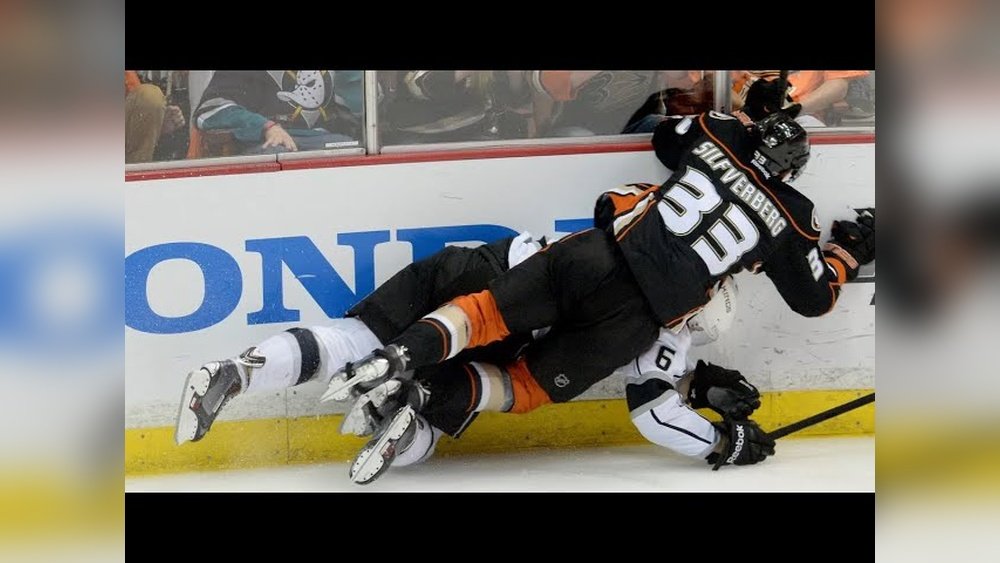
When you watch a fast-paced ice hockey game, the hits can be thrilling—but not all hits are the same. Have you ever wondered what makes a hit cross the line into a penalty called “boarding”?
Boarding happens when a player forcefully pushes or checks an opponent into the boards in a way that’s dangerous and unfair. If you want to understand exactly what boarding means, why it matters, and how it affects the game you love, keep reading.
This guide will break down the rules, penalties, and what you need to watch for every time the puck drops. Your game knowledge is about to level up.
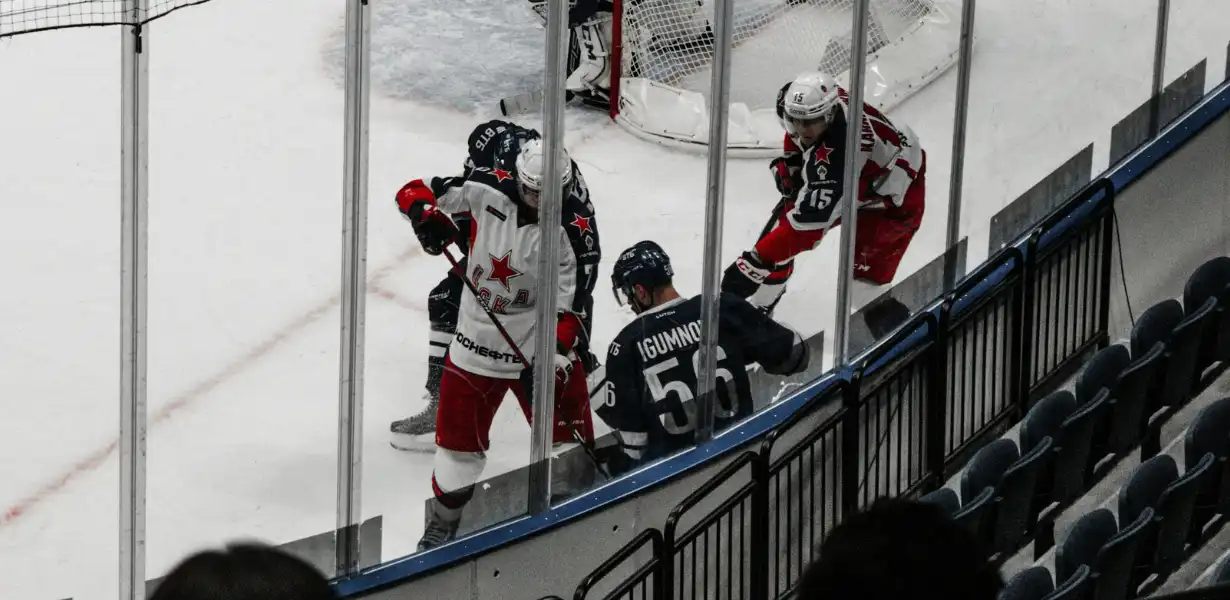
Credit: allblackhockeysticks.com
Boarding Basics
Boarding is a common and important part of ice hockey. It involves physical contact with the boards around the rink. Understanding boarding helps players stay safe and play fairly.
Boarding can cause injuries if done recklessly. Knowing its basics is key for players and fans alike.
Definition And Key Elements
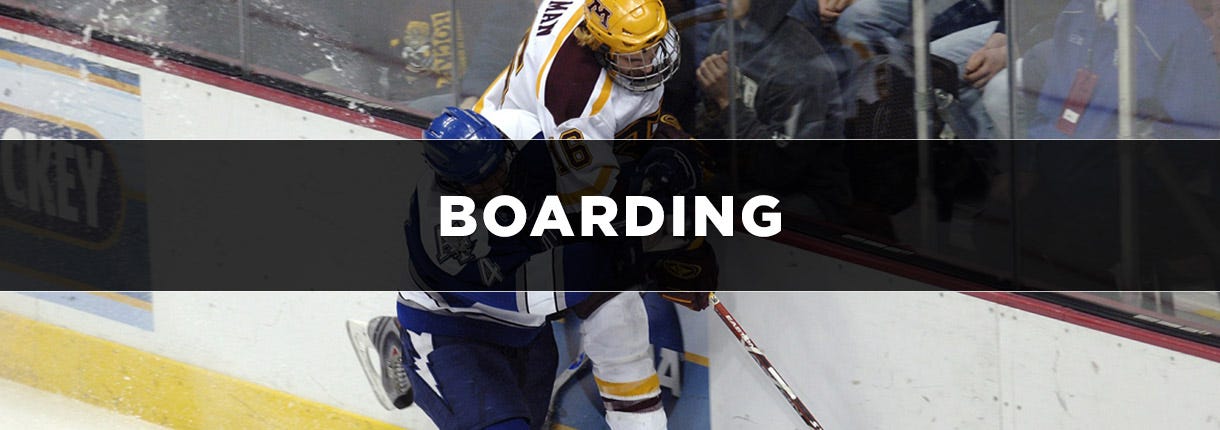
Boarding happens when a player pushes or hits an opponent into the boards. The hit must be forceful and often catches the opponent off guard. A player is vulnerable if they cannot protect themselves or are not looking at the hit. The intent matters: boarding is not about playing the puck but about forcing contact. The severity of the hit and the opponent’s position decide if it is a penalty.
Types Of Boarding Hits
There are several types of boarding hits in hockey. A direct hit uses full body force to push the opponent into the boards. An accelerated hit means the player speeds up before contact, increasing impact. A hit on a vulnerable player happens when the opponent is unprepared or has their back turned. Each type can lead to different penalties depending on the harm caused.
Recognizing Legal Hits
Recognizing legal hits in boarding ice hockey plays a key role in maintaining fairness and player safety. Understanding what makes a hit legal helps players avoid penalties and keeps the game clean. This section breaks down the important factors that define a legal hit during boarding.
Body Positioning
Proper body positioning ensures a hit is fair and safe. Players must face their opponent squarely. Hits delivered from behind or when the opponent is turned away are illegal. A good stance helps absorb impact and protects both players. Staying balanced during contact reduces injury risk. Clear body positioning shows the intent to play the puck, not to harm.
Timing And Intent
Timing is crucial for a legal hit. Players must deliver the hit when the opponent has the puck or is actively playing. Hitting a player who is unaware or not expecting contact is illegal. Intent matters: a hit aimed at the puck is allowed. Hits meant to punish or intimidate are penalized. Quick decisions and control show respect for safety rules.
Contact Within The Rules
Contact must follow the game’s safety rules to be legal. Hits should not push the opponent violently into the boards. The force must be controlled to avoid injury. Contact near the boards is allowed if the opponent is ready and balanced. Excessive force or reckless hits lead to penalties. Respecting contact limits keeps the game fair and fun for all players.
Common Boarding Violations
Boarding violations in ice hockey happen when a player hits or pushes an opponent violently into the boards. These actions are dangerous and often cause injuries. The rules focus on the force of the hit, the opponent’s position, and whether the check was meant to play the puck or to punish. Understanding common boarding violations helps players stay safe and avoid penalties.
Violent Contact Examples
Violent contact includes pushing, tripping, or checking with excessive force. A hit that sends a player crashing hard into the boards counts as boarding. The key is the level of force used. Hits that are too strong or reckless are flagged by referees. Such contact can lead to serious penalties.
Vulnerable Opponent Scenarios
Boarding often happens when the opponent is in a weak position. This includes players who have their back turned or cannot brace for impact. Players who are unaware of the hit or are defenseless are especially at risk. The rules protect these vulnerable players from dangerous checks.
Checks Without Puck Intent
Checks meant to punish or intimidate rather than play the puck are illegal. A player cannot hit an opponent just to cause harm. Boarding penalties apply when the check has no connection to the puck’s location. This rule stops players from using the boards as a weapon.
Credit: www.hockeymonkey.com
Penalties And Consequences
Boarding is a serious offense in ice hockey. It involves pushing or checking a player violently into the boards. The rules set clear penalties to keep players safe. These penalties depend on how severe the boarding is and if any injury occurs. Understanding these penalties helps players and fans know what to expect during a game.
Minor Penalties
Minor penalties apply to less severe boarding incidents. The player must leave the ice for two minutes. Their team plays short-handed during this time. Minor penalties warn players to avoid dangerous hits. They keep the game fair and safe for everyone.
Major And Match Penalties
Major penalties are given for reckless boarding that can cause injury. The player spends five minutes in the penalty box. Often, a game misconduct follows, meaning the player is removed from the game. Match penalties are stricter. They occur if the boarding was intentional and very dangerous. The player is ejected and may face further suspension.
League-specific Rules
Each hockey league has its own boarding rules. In high school hockey, boarding results in an automatic major penalty. This rule aims to protect young players. The NHL reviews boarding incidents closely. They may add fines or suspensions after the game. Knowing league rules helps players adapt and avoid penalties.
Techniques To Master Tough Hits
Tough hits in boarding ice hockey require skill and precision. Learning proper techniques helps players deliver strong, legal checks. It also reduces injury risks for both players. The following methods focus on control, balance, and anticipation. These techniques improve performance and safety during physical play.
Safe Body Checking Methods
Use your shoulder to deliver the hit, not the elbows. Aim for the opponent’s chest or side, avoiding the head. Keep your arms close to your body to prevent penalties. Always check when the opponent has the puck or is near it. Practice timing so the hit is fair and clean. Avoid hits from behind or when the player is defenseless. Follow league rules to reduce penalty risks and injuries.
Maintaining Balance And Control
Keep your knees bent and your center of gravity low. Shift your weight smoothly to absorb impact and stay steady. Use your skates for quick adjustments and to avoid falling. Engage your core muscles to control your body during hits. Stay focused on your footing before and after contact. Controlled hits help maintain possession and avoid penalties. Balance helps you recover quickly and continue play.
Reading Opponent Movements
Watch your opponent’s eyes and stick position for clues. Anticipate their next move by observing their skating pattern. React quickly to changes in speed or direction. Position yourself to meet them at the right angle. Predicting movements allows you to time your hit better. Staying alert reduces chances of being outplayed. Understanding your opponent keeps you one step ahead in the game.

Credit: en.wikipedia.org
Avoiding Penalties While Playing Hard
Playing hard in boarding ice hockey requires skill and control. Avoiding penalties keeps your team strong and your play clean. Balance aggression with fairness. Stay within the rules and keep the game flowing.
Legal Check Timing
Timing is key for a legal check. Hit the opponent only when they have the puck. Avoid late hits after the puck moves away. Make contact at the right moment to prevent penalties. Timing shows respect and control on the ice.
Protecting Vulnerable Players
Watch for players in vulnerable positions. Do not check players who are facing away or off balance. Avoid hitting those who cannot brace for impact. Protecting others reduces dangerous plays and penalties. Play tough but fair, respecting all players’ safety.
Communicating On The Ice
Clear communication helps prevent penalties. Signal teammates before making a check. Alert others about your moves to avoid surprises. Talking on the ice builds teamwork and control. Good communication keeps the game clean and competitive.
Training Drills For Boarding Skills
Training drills for boarding skills are essential for ice hockey players. These drills help improve physical contact, balance, and timing near the boards. Proper training reduces injury risks and enhances game performance.
Focused practice builds confidence to deliver legal and effective checks. Players learn how to protect themselves and opponents during board battles.
Contact Drills
Contact drills train players to hit safely and correctly. Partners practice controlled body checks against the boards. These drills improve timing and positioning for legal boarding.
Players learn to absorb impacts and maintain balance. Coaches emphasize proper technique to avoid penalties. Repetition builds muscle memory for game situations.
Board Awareness Exercises
Board awareness exercises teach players to read the play near the boards. Drills focus on recognizing vulnerable opponents and puck location. This awareness helps avoid dangerous hits.
Players practice quick decisions to protect themselves and teammates. Exercises include tracking the puck and anticipating opponent moves. Awareness reduces reckless boarding and penalties.
Strength And Conditioning Tips
Strong muscles support safe and powerful boarding checks. Focus on leg, core, and upper body strength in training. Conditioning improves stamina for sustained physical play.
Workouts include squats, lunges, and push exercises. Core stability aids balance during contact near the boards. Regular conditioning lowers injury risk and boosts performance.
Safety And Sportsmanship
Boarding in ice hockey is a serious issue that demands attention to safety and sportsmanship. Players must respect their opponents and avoid actions that can cause injury. Following the rules promotes a safer playing environment and encourages fair competition. Understanding how to play with respect and care helps everyone enjoy the sport more.
Respecting Opponents
Respect is the foundation of good sportsmanship in hockey. Players should treat opponents with fairness and avoid dangerous hits. Recognizing when an opponent is vulnerable is important. Avoiding aggressive boarding helps keep the game safe. Showing respect also builds trust and goodwill on the ice.
Minimizing Injury Risks
Injuries from boarding can be severe. Players must focus on safe checking techniques to reduce risks. Wearing proper protective gear is essential. Coaches should teach players how to avoid reckless hits. Referees enforce rules to protect players from harm. Staying alert and aware on the ice lowers injury chances.
Promoting Fair Play
Fair play means following the rules and playing honestly. Boarding penalties exist to discourage harmful behavior. Players must compete with skill, not violence. Encouraging respect and fairness helps keep games exciting and safe. Fans and players alike appreciate a clean and fair match. Upholding sportsmanship creates a positive hockey culture.
Frequently Asked Questions
What Is The Boarding Rule In Hockey?
Boarding in hockey is a penalty for violently pushing or checking an opponent into the boards. It targets vulnerable players not expecting the hit. Penalties vary from minor to match penalties, depending on force and injury risk. Normal, accidental, or gentle contact near boards is not boarding.
What Is The Rarest Penalty In The Nhl?
The rarest penalty in the NHL is the “match penalty” for deliberate intent to injure. It results in ejection and review.
Where Do You Put Your Weakest Player In Hockey?
Place your weakest hockey player in a defensive position or on the fourth line to limit their ice time and impact.
What Is The Gretzky Rule In The Nhl?
The Gretzky Rule prohibits a player from wearing a jersey number retired league-wide in honor of Wayne Gretzky.
Conclusion
Boarding in ice hockey is a serious offense to watch for. It involves pushing or hitting a player violently into the boards. The rule protects players who are vulnerable or not ready for contact. Penalties vary from minor to match penalties, depending on the hit’s severity.
Understanding these rules helps players stay safe and play fair. Keeping the game clean ensures everyone enjoys hockey without unnecessary injuries. Awareness and respect on the ice make the sport better for all.