Are you trying to decide between football cleats and softball cleats but aren’t sure which will give you the edge on the field? Choosing the right cleats can make a big difference in your performance, comfort, and safety.
While football cleats might seem like a good option for softball, they aren’t built the same way and could hold you back in crucial moments. You’ll discover the key differences between football and softball cleats, why those differences matter, and how to pick the best cleats to match your game and league rules.
Keep reading to make sure your feet are set up for success every time you step onto the field.
Types Of Cleats
Choosing the right cleats is important for better performance and comfort. Different sports need different cleats. Football and softball cleats vary in shape, size, and function. Understanding these types helps players pick the best fit for their game.
Football Cleats
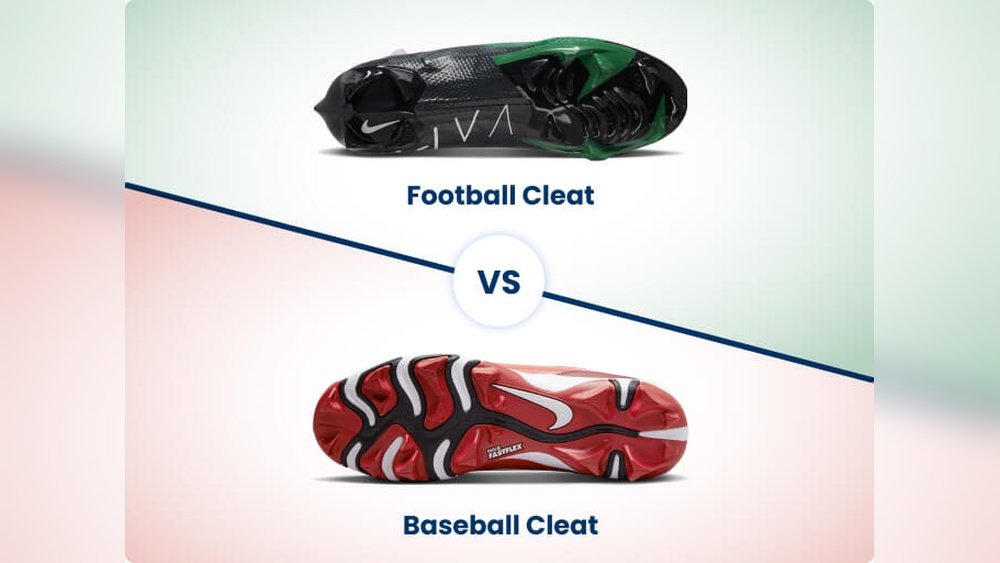
Football cleats have a sturdy build for strong grip on grass and turf. They often feature longer studs to dig into the field. The cleats support quick turns, sprints, and sudden stops. High-top football cleats provide ankle support to prevent injuries. Low-cut versions allow more speed and freedom of movement.
Softball Cleats
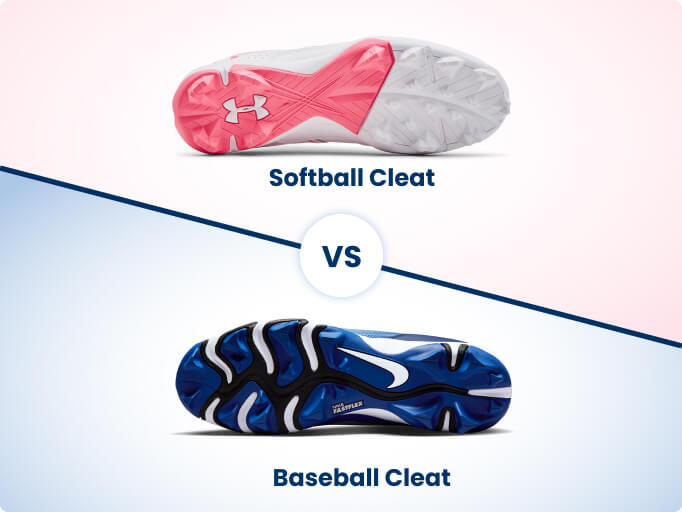
Softball cleats are designed for dirt and grass surfaces. They have shorter, wider studs for better traction on soft ground. A key feature is the small toe cleat, which helps with quick starts and stops. Softball cleats are usually low-cut to allow fast footwork. The sole is flexible to aid running and sliding.
Differences In Design
Football cleats focus on stability and ankle protection. Softball cleats emphasize quick movements and grip on dirt. Football cleats use longer studs, while softball cleats have shorter, wider ones. The toe cleat in softball shoes is unique and not found in football cleats. Both types serve different needs and enhance performance in their sports.
Credit: www.academy.com
Traction And Performance
Traction and performance are crucial for athletes in both football and softball. The right cleats help players move faster, stop quickly, and turn sharply. Choosing the correct cleat affects how well you play on different surfaces. Understanding the differences in traction between football and softball cleats can improve your game.
Cleat Patterns And Surfaces
Football cleats have longer, more spaced-out studs. They work best on grass and artificial turf. This design provides grip for running and sudden moves. Softball cleats have shorter, closer studs. They are made for dirt and grass fields. The pattern gives good traction for quick starts and stops on soft surfaces.
Impact On Movement
Football cleats support fast sprints and strong cuts. They offer stability for forward and sideways moves. Softball cleats focus on agility and quick bursts. The toe cleat helps players push off while running bases. This design allows smooth transitions from running to sliding.
Stopping And Turning
Football cleats help players stop quickly on turf without slipping. Their stud layout prevents sliding during sudden turns. Softball cleats provide better grip on dirt for sharp stops. They allow fast direction changes needed on the field. This traction is key for base running and fielding plays.
Material And Construction
The material and construction of cleats play a key role in their performance and comfort. Football and softball cleats differ in design to meet each sport’s specific demands. Understanding these differences can help players choose the right footwear for better grip and safety.
Molded Plastic Vs Metal Cleats
Football cleats often use molded plastic studs for traction. These are durable and suitable for turf and grass. Softball cleats come in both molded plastic and metal spikes. Metal cleats offer better grip on dirt and grass but are banned in many youth leagues. Molded plastic cleats are safer and allowed in most leagues. The choice depends on playing surface and league rules.
Durability And Safety
Football cleats are built to endure intense impacts and quick direction changes. They feature strong soles and reinforced materials for protection. Softball cleats focus on grip and stability to handle sliding and rapid stops. Metal cleats provide excellent traction but can increase injury risk. Molded cleats reduce this risk and protect the playing field. Durability varies by cleat type and material quality.
Comfort And Fit
Comfort is crucial for peak performance in both sports. Football cleats generally offer more ankle support and a snug fit for lateral movement. Softball cleats often have a lower cut for flexibility and quick toe movements. The toe box in softball cleats is designed to support batting stance. Proper fit reduces blisters and foot fatigue. Trying cleats on before purchase ensures the best fit for your sport.
Rules And Regulations
Rules and regulations guide the choice of cleats in football and softball. These rules protect players and maintain fair play. Each sport has specific guidelines about the type of cleats allowed. Understanding these rules helps players pick the right footwear.
Youth League Restrictions
Youth leagues often have strict rules on cleats. Many forbid metal cleats for safety reasons. Plastic molded cleats are usually required. Some leagues ban football cleats in softball games. Coaches and parents should check local rules before buying cleats.
Field And League Policies
Different fields have unique policies about cleats. Softball fields often ban metal cleats to protect the surface. Football fields may allow both metal and plastic cleats. Some leagues set their own rules beyond field policies. Players must follow both field and league guidelines.
Allowed Cleat Types
Allowed cleat types vary by sport and league. Football cleats come with longer studs for grass traction. Softball cleats have shorter studs for dirt and quick stops. Molded plastic cleats are commonly allowed in both sports. Metal cleats are banned in many youth softball leagues.
Using Football Cleats For Softball
Using football cleats for softball is possible but not perfect. Many players choose football cleats for their durability and traction. Yet, softball has unique demands that football cleats may not fully meet. Understanding the pros and cons helps make a better choice.
Pros And Cons
Football cleats offer strong grip on grass and turf. They are often cheaper and more widely available. Some players feel they provide good ankle support. On the downside, football cleats lack a toe cleat, important for softball batting. Their cleat pattern is not designed for dirt or quick stops. Football cleats can feel bulkier and less flexible for softball moves.
Performance Limitations
Softball requires quick starts and fast stops on dirt and grass. Football cleats do not have the same traction pattern. This can reduce speed and agility during the game. The absence of a toe cleat can affect batting power and safety. Football cleats may not grip well on the infield surface. This can lead to slipping or slower reactions.
Safety Considerations
Many softball leagues ban metal cleats for safety. Molded plastic football cleats are usually allowed but check league rules. Football cleats are designed for forward movement, not the side-to-side agility softball needs. Wearing football cleats may increase the risk of ankle injuries. Proper fit is crucial to avoid blisters and discomfort. Always ensure cleats provide enough support and stability for softball.
Tips For Choosing Cleats
Choosing the right cleats is important for both football and softball players. Proper cleats improve performance and reduce injury risks. The selection depends on several factors such as field type, league rules, and cleat design. Knowing what to consider helps you make the best choice.
Assessing Field Conditions
Check the surface where you will play most often. Grass fields need cleats with longer spikes for better grip. Dirt or turf fields require shorter, molded cleats to prevent slipping. Wet or muddy fields call for cleats with deeper treads. Understanding the field helps pick cleats that offer stability and traction.
Checking League Rules
Each league has specific rules about cleats. Some forbid metal spikes to protect players and fields. Others allow only molded plastic cleats. Using the wrong cleats can lead to penalties or injuries. Always review your league’s cleat regulations before buying. This step saves money and prevents problems on game day.
Selecting The Right Cleat Type
Football cleats differ from softball cleats in shape and spike placement. Football cleats focus on forward movement and quick cuts. Softball cleats have toe spikes to help with batting and sudden stops. Choose cleats designed for your sport to enhance comfort and performance. Proper fit and cleat type reduce fatigue and improve agility.
Common Misconceptions
Many players confuse football cleats and softball cleats. This confusion leads to wrong choices and affects game play. Understanding the common misconceptions helps pick the right cleats for each sport. It also avoids discomfort and poor performance on the field.
Cleats Interchangeability
Football and softball cleats look similar but serve different purposes. Some believe they can be used interchangeably without issues. Football cleats are made for grass and turf. Softball cleats focus on dirt and quick stops. Using football cleats in softball can reduce traction and control. Softball cleats have a special toe cleat for batting and sliding. This feature is missing in football cleats. Always choose cleats designed for the specific sport.
Comfort Expectations
Many expect football cleats to feel the same as softball cleats. The fit and support differ greatly. Football cleats are often bulkier to handle tackles and sprints. Softball cleats offer more flexibility for quick lateral moves. Wearing football cleats in softball can cause discomfort and blisters. Softball cleats provide better comfort for running bases and sliding. Comfort affects focus and performance during games.
Performance Myths
Some players think football cleats improve softball performance. This is a myth. Football cleats do not support the quick stops and turns in softball. Softball cleats have a cleat pattern made for dirt and grass mix. Football cleats perform best on grass or turf fields. Using wrong cleats can increase injury risk. Proper cleats improve speed, traction, and safety. Performance depends on using the right gear for each sport.

Credit: www.reddit.com

Credit: www.renewit.in
Frequently Asked Questions
Can You Use Football Cleats For Softball?
Yes, you can wear football cleats for softball, but only molded plastic ones. They lack softball-specific features and may reduce performance. Always check league rules, as metal cleats and some football cleats are often banned. Football cleats may feel less comfortable and affect quick movements.
Can You Wear Softball Cleats For Soccer?
Softball cleats differ from soccer cleats in design and traction. Wearing softball cleats for soccer may reduce performance and comfort. Soccer cleats offer better grip and flexibility on grass, making them ideal for soccer. Use sport-specific cleats for optimal safety and play.
Are Football Cleats The Same As Baseball Cleats?
Football cleats differ from baseball cleats in design and function. Baseball cleats have a smaller toe cleat for quick stops, while football cleats focus on traction for grass and turf. Using football cleats in baseball may reduce performance and is often restricted in leagues.
What Cleats Can Be Used For Softball?
Softball cleats must have molded plastic spikes for safety and performance. They feature a toe cleat and grip optimized for dirt and quick stops. Metal cleats are often banned. Football cleats with molded soles can be used but may limit agility and comfort on softball fields.
Conclusion
Choosing between football cleats and softball cleats depends on your needs. Softball cleats offer better grip on dirt and quick stops. Football cleats work well on grass but lack softball-specific features. Always check league rules before using any cleats. Molded plastic cleats are safer and often required.
Comfort and performance matter for your game. Pick cleats that fit your sport and field best. This ensures better play and reduces injury risk.