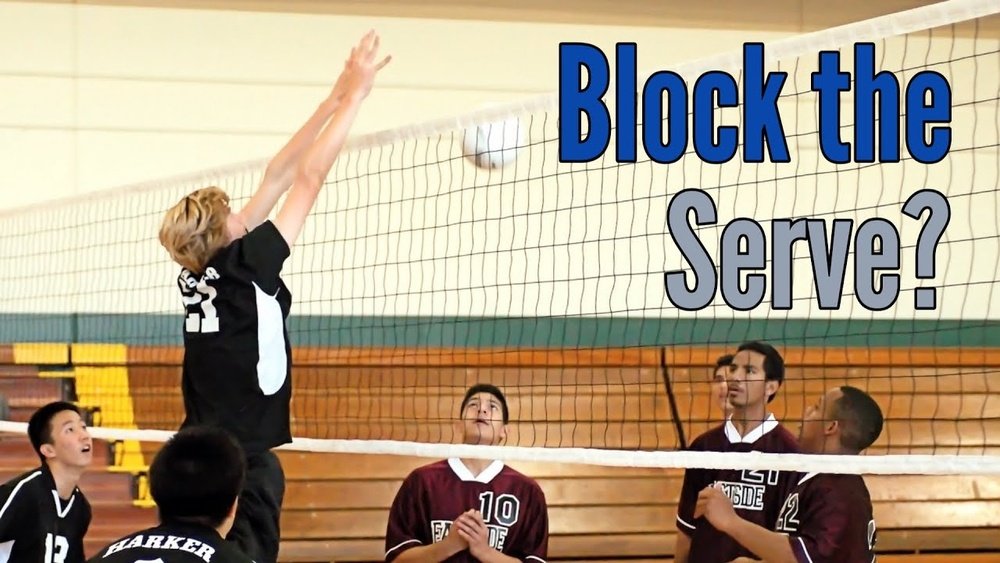
Have you ever wondered if it’s possible to block a serve in volleyball? You might have seen players jumping near the net, ready to stop the ball, and asked yourself, “Can I actually block a serve?” Understanding this rule can change how you play and improve your game strategy.
You’ll discover why blocking a serve isn’t allowed, what the rules say, and how you can better receive and respond to powerful serves. Keep reading to unlock the key to mastering your serve receive and avoid costly mistakes that could cost your team points!
Credit: betteratvolleyball.com
Serve Blocking Rules
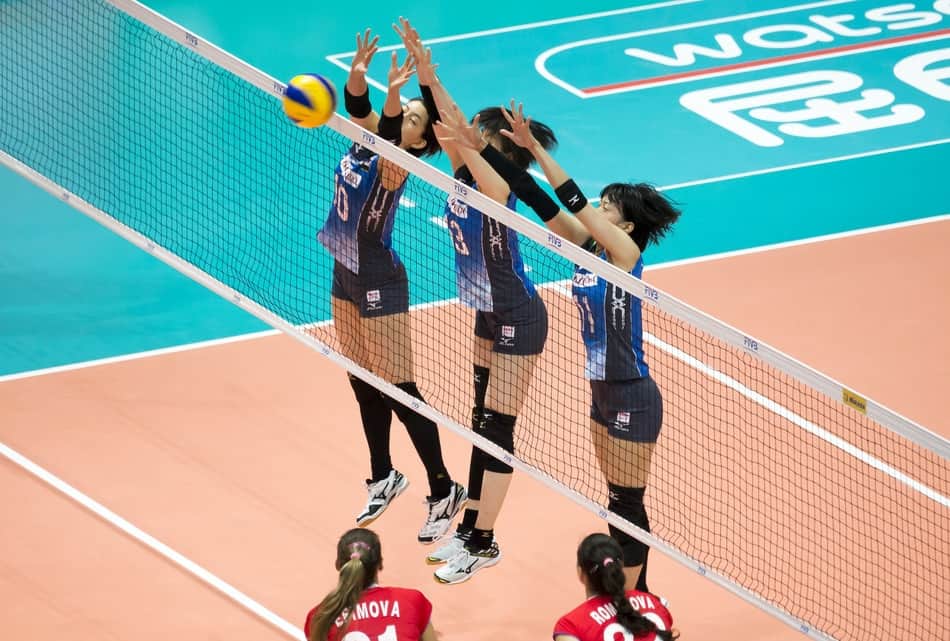
Blocking a serve in volleyball involves specific rules. These rules differ by volleyball type. Understanding serve blocking rules helps players avoid faults. Serve blocking is generally restricted to maintain fair play. Let’s explore how these rules apply in different volleyball forms.
Indoor Volleyball Restrictions
In indoor volleyball, blocking a serve is not allowed. Players must wait for the serve to cross the net. Blocking or attacking the serve leads to a fault. This rule keeps the serve fair and gives receivers a chance. The block is allowed only after the serve crosses the net.
Beach Volleyball Variations
Beach volleyball also forbids blocking the serve. The serve must be free to travel over the net. Players cannot jump to block the ball during the serve. This rule promotes longer rallies and fair play. Blocking is permitted only after the serve passes the net.
Sitting Volleyball Guidelines
Sitting volleyball has similar serve blocking rules. Players cannot block or attack the serve directly. The serve must cross the net before any block attempt. This keeps the game balanced and safe. Blocking applies only after the serve is in play.

Credit: ecosports.com
Why Blocking A Serve Is Illegal
Blocking a serve in volleyball is not allowed. This rule exists to keep the game fair and fun. Serving starts the play and must give the receiving team a chance to respond. Blocking the serve would take away this chance and disrupt the flow of the game. Understanding why blocking a serve is illegal helps players follow the rules better and enjoy the sport.
Official Rulebook Insights
The official volleyball rulebook clearly states that blocking a serve is illegal. The serve is the only hit that cannot be blocked. This rule ensures the serve remains a fair chance for the receiving team to play the ball. Referees enforce this rule strictly to maintain proper gameplay. Players must learn this to avoid penalties during matches.
Impact On Game Fairness
Allowing blocks on serves would give an unfair advantage to the serving team. The receiving team needs time to see and react to the serve. Blocking the serve stops this reaction time. It changes the balance between teams and breaks the game’s fairness. The rule protects both sides and keeps the match competitive.
Common Misconceptions
Some players think blocking a serve is a good strategy. Others confuse blocking the serve with blocking during rallies. Blocking is allowed only after the ball crosses the net from the serve. The serve must travel freely over the net without interference. Knowing these facts clears up confusion and helps players avoid mistakes.
Consequences Of Blocking A Serve
Blocking a serve in volleyball is not allowed and has specific consequences. Players must understand these rules to avoid mistakes. Breaking the rule can affect the flow of the match and the team’s score. The referee watches closely for any illegal blocks during serves. Knowing the consequences helps players stay within the rules and play fair.
Faults And Penalties
Blocking a serve counts as a fault in volleyball. The player who blocks the serve breaks the rules. This fault stops the rally immediately. The team that blocks the serve loses the chance to play that point. Faults during the serve are taken seriously in the game. They show a lack of adherence to the official rules.
Point Awarding To Opponent
The opponent team gets a point after a serve block fault. This point adds to their total score. It benefits the serving team directly. The team that committed the fault cannot score on that play. This rule helps keep the game fair. It rewards teams for following the correct serving rules.
Referee Enforcement
Referees watch the net closely during every serve. They call faults on players who block serves. The referee’s decision is final and must be respected. They signal the fault by blowing the whistle and raising a hand. Referees ensure the game runs smoothly and fairly. Their enforcement keeps the game honest and fun.
Credit: www.youtube.com
Proper Serve Reception Techniques
Proper serve reception techniques are essential for a strong volleyball defense. Receiving the serve well sets the stage for a successful attack. Players must focus on positioning, communication, and correct ball handling. These skills help the team gain control and create scoring chances.
Serve reception involves more than just passing the ball. It requires teamwork and strategy to transition from defense to offense smoothly. Each player has a role in making the first contact and preparing the ball for the setter.
Forearm Pass Basics
The forearm pass, or bump, is the most common way to receive a serve. Keep your arms straight and locked together. Angle your forearms to guide the ball toward the setter. Keep your knees bent and stay low for better control. Eyes should follow the ball from the server’s hand to your arms. This technique helps reduce errors and improves accuracy.
Setting Up The Attack
After the forearm pass, the ball goes to the setter. The setter plans the next play quickly. A clean pass allows the setter to choose the best attacker. Timing and precision are critical here. The better the reception, the easier it is to launch a strong attack. Communication between players helps avoid confusion and keeps the offense fast.
Positioning And Team Strategy
Positioning is key in serve reception. Players spread out to cover the court evenly. Each person watches the server and anticipates the ball’s direction. Teams often use formations like W or U shapes to maximize coverage. Players call out for the ball loudly to avoid collisions. Good positioning and clear roles help the team stay organized and ready for the next play.
Frequently Asked Questions
Have You Ever Been Able To Block A Serve In Volleyball?
No, you cannot block a serve in volleyball. Blocking a serve is illegal and results in a point for the serving team.
What Action Is Not Allowed During A Serve In Volleyball?
Blocking or attacking the ball during a serve is not allowed in volleyball. Servers cannot touch the court line.
What Is Considered An Illegal Serve In Volleyball?
An illegal serve in volleyball occurs if the server steps on or over the line, fails to serve over the net, carries or throws the ball, or touches the net during the serve. Blocking or attacking the serve is also illegal and results in a point for the serving team.
Can You Block A Serve In Sitting Volleyball?
No, you cannot block a serve in sitting volleyball. Blocking a serve is illegal and results in a point for the serving team.
Conclusion
Blocking a serve in volleyball is not allowed by the rules. Players must wait until the ball crosses the net before attempting a block. Trying to block a serve results in a point for the serving team. Understanding this rule helps improve fair play and strategy.
Remember, serving starts the rally, and blocking comes later. Knowing the rules keeps the game fun and fair for everyone. So, focus on receiving the serve well instead of blocking it. This approach helps your team stay competitive during the match.