If you’re diving into baseball stats, you’ve probably come across the term “WHIP” and wondered, what exactly does it mean? Understanding WHIP can change the way you watch a game and evaluate pitchers.
It’s a simple number, but it tells a powerful story about a pitcher’s skill at keeping runners off the bases. Whether you’re a casual fan or just starting to follow the sport more closely, knowing what WHIP means will give you a clearer picture of the game’s strategy and excitement.
Keep reading, and you’ll learn how this key stat works and why it matters to your enjoyment of baseball.
Whip Basics
WHIP is a key pitching statistic in baseball. It shows how many base runners a pitcher allows per inning. WHIP helps fans and coaches understand a pitcher’s effectiveness. A lower WHIP means fewer runners reach base, which is better for the pitcher.
Knowing WHIP basics makes it easier to follow baseball games. It also helps when comparing different pitchers.
What Whip Measures
WHIP measures the number of walks and hits a pitcher gives up per inning. It does not count other ways batters can reach base, like errors or hit by pitch. The goal is to see how well a pitcher controls the game by limiting base runners.
Pitchers with low WHIP values usually prevent scoring chances. It is a simple way to judge their performance beyond just wins and losses.
How Whip Is Calculated
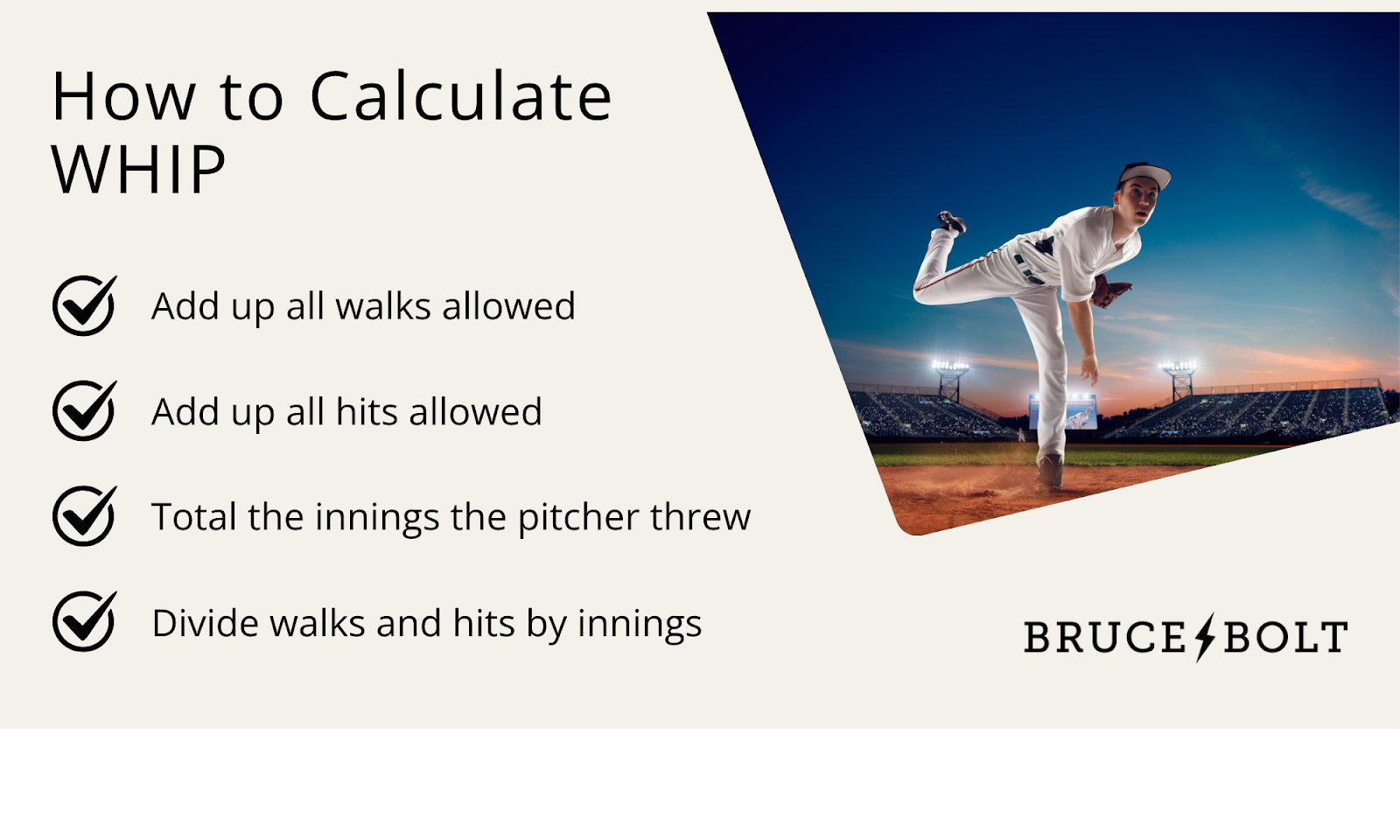
To calculate WHIP, add the total walks and hits allowed by the pitcher. Then, divide that number by the innings pitched. The formula looks like this:
WHIP = (Walks + Hits) / Innings Pitched
This gives the average base runners per inning. For example, a WHIP of 1.20 means the pitcher allows 1.2 runners every inning.
Whip And Pitching Performance
WHIP, which stands for Walks plus Hits per Inning Pitched, is a key stat in baseball. It measures how many base runners a pitcher allows per inning. This figure directly reflects a pitcher’s ability to keep opponents off the bases. Lower WHIP values generally show better control and effectiveness on the mound.
Pitchers with low WHIP numbers often perform better because they limit scoring chances. WHIP gives coaches and fans a clear view of a pitcher’s impact on the game. Understanding WHIP helps evaluate pitching performance beyond traditional stats like wins or strikeouts.
Why Low Whip Matters
A low WHIP means fewer hitters reach base. This reduces the chance for runs to score. Pitchers who walk or allow few hits control the game better. They force batters to work harder for each base. This often leads to quick outs and less pressure on the defense.
Low WHIP also shows a pitcher’s consistency. It means they rarely lose control or give free passes. Consistent pitching builds confidence in the team. It helps manage the game’s pace and momentum.
Impact On Game Outcomes
WHIP affects the final score and who wins the game. Pitchers with low WHIP tend to allow fewer runs. This keeps their team’s chances of winning high. Opponents struggle to mount big innings with fewer base runners.
Teams rely on pitchers with low WHIP during tight games. These pitchers can shut down rallies and maintain leads. Coaches use WHIP to decide pitching strategies and matchups. Overall, WHIP plays a big role in shaping game results.
Whip Ratings Explained
WHIP is a key pitching stat in baseball. It stands for Walks plus Hits per Inning Pitched. This number shows how many base runners a pitcher allows on average every inning. Lower WHIP values mean fewer runners, which is better for the pitcher. Understanding WHIP ratings helps fans see how well a pitcher performs.
Excellent To Poor Scale
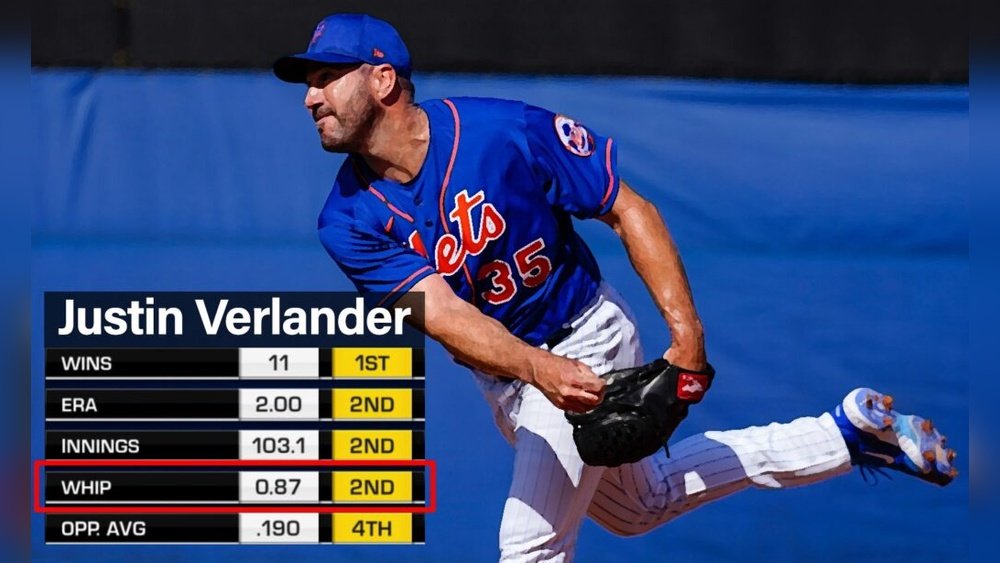
WHIP ratings range from excellent to poor. An excellent WHIP is below 1.00. This means the pitcher allows less than one base runner per inning. A great WHIP falls between 1.00 and 1.10. Above average pitchers have WHIP between 1.10 and 1.25. Average WHIP scores range from 1.25 to 1.35. Below average pitchers have WHIP between 1.35 and 1.50. A poor WHIP is anything above 1.50. This scale helps compare pitchers clearly.
What Counts As Good Whip
A good WHIP usually means the pitcher is effective at stopping runners. A WHIP below 1.20 is often seen as good. It shows the pitcher keeps base runners low. Pitchers with WHIP near 1.00 are usually elite. They allow very few hits and walks. WHIP above 1.30 suggests the pitcher struggles to control runners. Fans and coaches use WHIP to judge pitching quality quickly.
Credit: brucebolt.us
Whip In Different Leagues
WHIP, or Walks plus Hits per Inning Pitched, measures a pitcher’s ability to prevent batters from reaching base. This stat varies across different baseball leagues. Each league has its own standards based on player skill and competition level.
Understanding WHIP in different leagues helps evaluate pitchers better. The numbers that define a good or bad WHIP change from major leagues to youth baseball.
Mlb Whip Standards
In Major League Baseball, a WHIP below 1.00 is considered exceptional. Most top pitchers maintain WHIPs between 1.00 and 1.10. WHIPs around 1.20 are average and show solid performance. A WHIP higher than 1.35 suggests the pitcher allows too many base runners. These standards reflect the high skill and competition in MLB.
Youth And Amateur Levels
At youth and amateur levels, WHIP numbers are usually higher. Young pitchers often struggle with control and consistency. A WHIP around 1.50 can be common. Coaches focus more on development than strict stats. As players improve, their WHIP typically decreases. These levels use WHIP as a guide, not a strict measure.
Improving Whip
Improving WHIP is crucial for any pitcher aiming to perform better. WHIP stands for Walks plus Hits per Inning Pitched. A lower WHIP means fewer batters reach base. Pitchers focus on reducing walks and hits allowed. This directly lowers their WHIP and boosts their effectiveness.
Understanding how to improve WHIP helps pitchers stay competitive. Small changes in pitching style and strategy can make a big difference. Consistent practice and smart adjustments lead to better control and fewer mistakes.
Pitching Mechanics And Whip
Good pitching mechanics reduce walks and hits. Proper body alignment and balance help control the ball. A smooth delivery creates consistent pitches. Consistent release points improve accuracy. This lowers the chance of giving free passes or easy hits.
Pitchers who work on mechanics gain confidence. They throw strikes more often. This keeps WHIP low and opponents off base. Coaches often emphasize mechanics to help pitchers improve WHIP.
Strategies To Reduce Walks And Hits
Controlling the strike zone is key to lowering WHIP. Pitchers must avoid throwing balls outside the zone. Fewer walks mean fewer base runners. Mixing pitch types and speeds keeps hitters guessing. This leads to weak contact or strikeouts.
Field placement and game strategy also matter. Pitchers who study hitters can exploit weaknesses. This reduces hits and keeps runners off base. Good mental focus and preparation help maintain low WHIP.

Credit: www.youtube.com
Whip Compared To Other Stats
WHIP is a key pitching stat in baseball. It shows how many base runners a pitcher allows per inning. Comparing WHIP to other stats helps understand a pitcher’s overall performance. WHIP focuses on walks and hits, giving a clear picture of control and effectiveness. Other stats like ERA and strikeout ratios measure different aspects of pitching. Understanding these differences guides better player evaluation.
Whip Vs Era
ERA stands for Earned Run Average. It measures runs a pitcher allows per nine innings. WHIP counts base runners allowed per inning. WHIP shows how often batters reach base. ERA shows how many runs score from those base runners.
WHIP is less affected by fielding errors than ERA. ERA depends on runs, which can be influenced by defense. WHIP gives a direct look at pitcher control. A low WHIP means fewer batters reach base. A low ERA means fewer runs score overall.
Whip And Strikeout Ratios
Strikeout ratio measures strikeouts per nine innings. It shows how often a pitcher retires batters without contact. WHIP counts base runners allowed through hits and walks. A pitcher can have a low WHIP but a low strikeout ratio. This means they allow few base runners but rely on defense to get outs.
High strikeout ratios often lead to lower WHIP. Strikeouts prevent hits and walks. But some pitchers have strong control, shown by low WHIP, even with moderate strikeout rates. WHIP and strikeout ratios together reveal pitching style and effectiveness.
Common Whip Misconceptions
WHIP is a key baseball stat, but many misunderstand its meaning. It measures walks and hits allowed per inning pitched. Many think WHIP alone shows a pitcher’s quality. This idea can cause confusion. Knowing common misconceptions helps to use WHIP better. Below are some important limits and cases where WHIP can mislead.
Limitations Of Whip
WHIP counts walks and hits but misses other factors. It ignores strikeouts and home runs allowed. A pitcher with low WHIP might still give up many runs. WHIP does not show fielding quality behind the pitcher. It also does not consider the timing of hits. For example, many hits in one inning can cause more damage than spread-out hits.
When Whip Can Be Misleading
WHIP may look good for pitchers who allow few baserunners but give up critical runs. It can favor pitchers in friendly ballparks with large outfields. Pitchers in tough stadiums may have higher WHIP due to more hits allowed. Relief pitchers might have low WHIP but pitch few innings, skewing results. Also, WHIP does not separate intentional walks from unintentional ones.
Using Whip For Player Evaluation
WHIP, or Walks plus Hits per Inning Pitched, plays a vital role in player evaluation. This stat shows how many base runners a pitcher allows per inning. Lower WHIP means fewer runners get on base, which often leads to better performance. Teams and fans use WHIP to quickly assess a pitcher’s effectiveness.
WHIP helps compare pitchers beyond just wins or strikeouts. It reveals how well a pitcher controls the game and limits opponents’ chances. This makes WHIP a key metric in scouting, recruitment, and fantasy baseball.
Scouting And Recruitment
Scouts watch WHIP closely to find reliable pitchers. A low WHIP signals strong control and fewer mistakes. It helps identify pitchers who keep runners off bases. Teams use WHIP alongside other stats to make recruitment decisions. A pitcher with a low WHIP can change the team’s defense strategy. WHIP also helps spot rising talent and avoid risky players.
Fantasy Baseball Insights
Fantasy players value WHIP to draft and trade pitchers. A low WHIP often means fewer runs allowed and more wins. It helps predict future performance and consistency. Fantasy managers track WHIP trends to adjust their lineups. Choosing pitchers with good WHIP can boost fantasy team scores. It provides an edge in competitive leagues by showing true pitching skill.

Credit: www.suzitee.com
Frequently Asked Questions
What’s A Good Whip In Baseball?
A good WHIP in baseball is below 1. 30. Elite pitchers often have a WHIP under 1. 00. Lower WHIP means fewer baserunners allowed.
What Is A Good Whip To Have In Baseball?
A good WHIP in baseball is typically between 1. 00 and 1. 25. Lower WHIP indicates better pitching performance.
Is A Higher Or Lower Whip Better?
A lower WHIP is better. It means fewer batters reach base, showing stronger pitching performance.
Is A 1.20 Whip Good?
A 1. 20 WHIP is considered above average. It shows a pitcher allows just over one baserunner per inning. This indicates decent control and effectiveness. Many solid pitchers maintain a WHIP around this range. Lower WHIP values reflect better performance in preventing hits and walks.
Conclusion
Understanding WHIP helps you grasp pitching performance better. It shows how many base runners a pitcher allows per inning. A lower WHIP means fewer runners and stronger pitching. This simple stat gives fans a clear view of a pitcher’s control.
Knowing WHIP adds depth to watching baseball games. Keep an eye on it to appreciate pitching skills more. It makes baseball stats easier and more fun to follow.