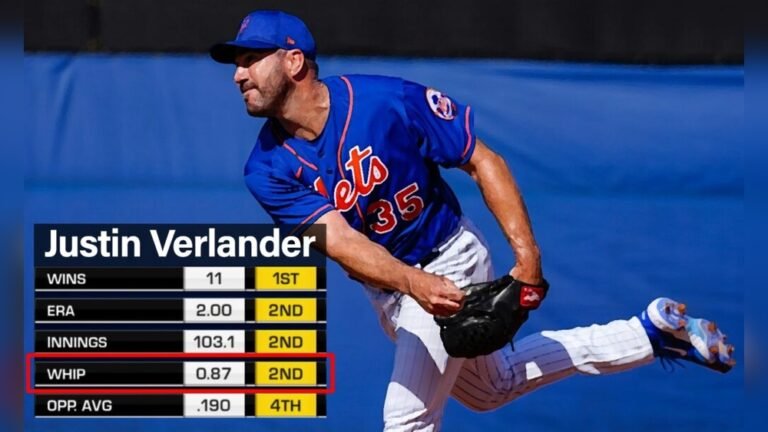
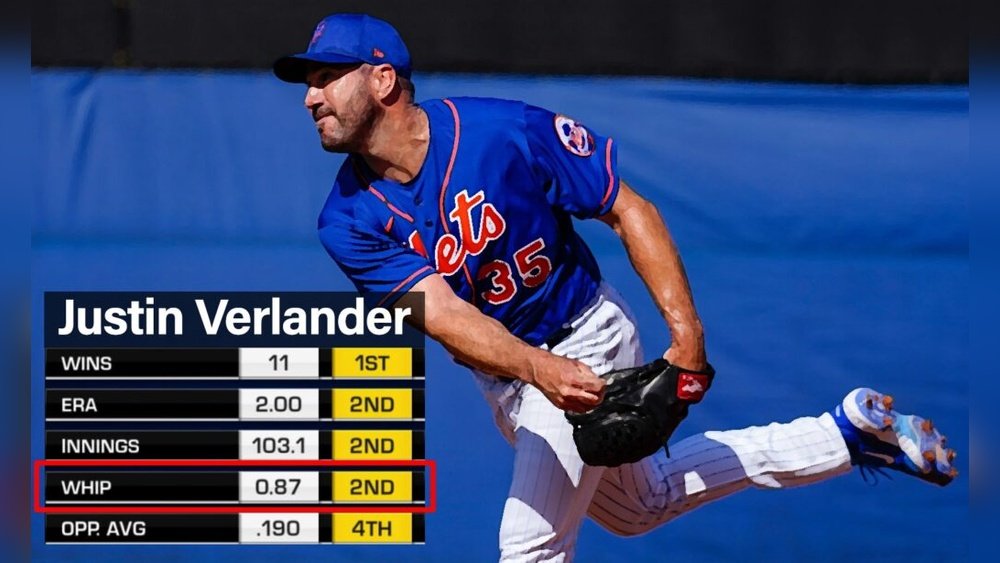
If you’re diving into baseball stats, you’ve probably come across the term WHIP. But what exactly is a good WHIP in baseball, and why should you care about it?
Understanding WHIP can change how you watch the game and evaluate pitchers. It tells you how well a pitcher keeps runners off the bases, which directly impacts their chances of winning. You’ll discover what WHIP means, how it’s calculated, and what numbers separate a great pitcher from an average one.
Ready to get a clearer picture of pitching performance? Keep reading to find out what makes a WHIP truly good.
Credit: baseball360.com
Whip Basics
WHIP is a key pitching stat in baseball. It helps measure how well a pitcher keeps runners off base. Understanding WHIP basics gives better insight into a pitcher’s performance. It shows how many batters reach base per inning. This stat is simple but very telling.
Whip Definition
WHIP stands for Walks plus Hits per Inning Pitched. It counts how many batters reach base by walk or hit. A lower WHIP means fewer runners allowed. Pitchers want to keep this number as low as possible. It reflects control and effectiveness on the mound.
How Whip Is Calculated
To find WHIP, add walks and hits given up. Then divide this total by innings pitched. For example, 20 walks and hits over 10 innings equals a 2.00 WHIP. The formula is simple and easy to use. It provides a clear picture of a pitcher’s ability.
Why Whip Matters
WHIP shows how often a pitcher lets opponents reach base. Fewer base runners mean fewer scoring chances for the opposing team. This stat helps compare pitchers across games and seasons. Coaches and fans use WHIP to judge pitching quality. It often predicts a pitcher’s overall success.
Whip Ratings
WHIP ratings provide a clear view of a pitcher’s effectiveness. WHIP stands for Walks plus Hits per Inning Pitched. It measures how many batters reach base by walk or hit each inning. Lower WHIP means fewer opponents on base and better pitching performance. Teams and fans use WHIP to evaluate pitchers quickly and easily.
Elite Whip Range
An elite WHIP ranges from 1.00 to 1.25. Pitchers in this range allow very few baserunners. They keep hits and walks low, controlling the game well. These pitchers often dominate and help their teams win games consistently.
Good And Average Whip
A good WHIP falls between 1.25 and 1.30. Pitchers here perform solidly and limit baserunners effectively. Average WHIP is slightly above 1.30. These pitchers may allow more hits or walks but remain competitive. They can keep games close and give their teams a chance.
Poor Whip Indicators
A poor WHIP is anything above 1.30. It signals trouble in controlling baserunners. Pitchers with high WHIP allow many hits and walks. This leads to more scoring chances for opponents. Teams often see these pitchers struggle to keep runs off the board.
Whip And Pitcher Performance
WHIP, or Walks plus Hits per Inning Pitched, is a key stat for pitchers. It shows how many base runners a pitcher allows per inning. A lower WHIP means fewer runners on base and better control. WHIP directly affects a pitcher’s overall performance and the team’s chance to win.
Pitchers who keep WHIP low limit scoring opportunities for opponents. This makes WHIP an important measure for coaches and fans to evaluate pitchers beyond just wins and losses.
Whip Vs. Era
ERA, or Earned Run Average, shows how many runs a pitcher allows per nine innings. WHIP measures base runners, while ERA tracks runs scored. A pitcher can have a low ERA but a high WHIP if runners are stranded on base. WHIP gives a clearer picture of how well a pitcher controls the game.
Both stats matter, but WHIP often predicts future ERA. Pitchers with low WHIP tend to keep runs down over time. WHIP helps identify pitchers who consistently limit hits and walks.
Whip Impact On Game Outcomes
Pitchers with low WHIP usually give their team a better chance to win. Fewer runners mean fewer chances for opponents to score. This reduces pressure on the defense and keeps games close.
High WHIP pitchers allow many base runners, increasing the risk of runs. This often leads to losses or extra innings. WHIP is a strong indicator of a pitcher’s control and consistency.
Starters Vs. Relievers Whip
Starting pitchers usually have higher WHIP than relievers. Starters face more batters and pitch more innings. Relievers pitch fewer innings and often face batters only once.
Relievers aim to keep WHIP very low to protect leads late in the game. Starters with low WHIP are valuable for setting the tone early. Both roles require control but differ in usage and strategy.
Whip In Different Leagues
WHIP, or Walks plus Hits per Inning Pitched, measures how many baserunners a pitcher allows per inning. This statistic helps evaluate pitchers’ effectiveness in different leagues. Each league has its own standards for what counts as a good WHIP. Understanding these differences clarifies pitching performance across levels.
Major League Whip Standards
In Major League Baseball, a WHIP below 1.20 is excellent. Elite pitchers often maintain WHIPs near or under 1.00. A WHIP between 1.20 and 1.30 is solid and shows good control. Above 1.30 suggests the pitcher allows too many baserunners. Major leaguers face the toughest batters, so WHIP reflects high competition.
High School Whip Expectations
High school pitchers usually have higher WHIPs than pros. A WHIP under 1.50 is considered very good at this level. Many pitchers aim to keep WHIP below 2.00 to be competitive. Differences in skill and experience make WHIP more variable in high school baseball.
Youth And Amateur League Whip
Youth and amateur leagues see even higher WHIPs. Young players are still developing control and skills. A WHIP around 2.00 or lower is often seen as strong performance. Coaches focus on improvement and learning, so WHIP is one of several tools to track progress.
Improving Whip
Improving WHIP is essential for any pitcher aiming to reduce baserunners. A lower WHIP means fewer hits and walks allowed. This directly helps prevent opponents from scoring. Focusing on strategies and training can lead to better control and precision. Small changes in pitching can greatly improve WHIP over time.
Pitching Strategies
Pitchers should focus on mixing pitch types to confuse batters. Changing speeds and locations makes hitting harder. Aim for the corners of the strike zone. Avoid predictable patterns that batters can guess. Keeping hitters off balance reduces the chance of hits.
Controlling Walks And Hits
Walking fewer batters lowers WHIP significantly. Work on throwing strikes consistently. Avoid pitching too cautiously to prevent free passes. Also, focus on inducing weak contact to limit hits. Controlling the strike zone is key to keeping runners off base.
Training Tips For Better Whip
Practice accuracy drills to improve pitch placement. Use video analysis to spot and fix mistakes. Build arm strength for better pitch control. Mental focus during games helps avoid careless walks. Regular training with coaches sharpens skills and reduces errors.
Whip Limitations
WHIP is a useful baseball stat but has its limits. It shows how many batters reach base per inning. Still, it does not tell the full story about a pitcher’s performance. Understanding its limits helps avoid wrong conclusions.
Situational Factors
WHIP does not consider game situations. A pitcher may allow runners but get key outs. It also ignores the strength of opposing batters. Weather and ballpark size can affect hits and walks. These factors change WHIP but not necessarily skill.
Whip Vs. Other Metrics
WHIP counts hits and walks but skips strikeouts and runs allowed. Metrics like ERA and FIP add more detail. They show how many runs a pitcher gives up. WHIP alone misses defensive support quality. Combining stats gives a clearer view of ability.
When Whip May Mislead
A low WHIP does not always mean dominance. A pitcher might allow weak hits that still score runs. Some pitchers with higher WHIP manage damage well. Relief pitchers often have lower WHIPs due to fewer innings. Knowing context prevents wrong judgments.
Tracking Whip
Tracking WHIP is essential for understanding a pitcher’s effectiveness. WHIP stands for Walks plus Hits per Inning Pitched. It measures how many base runners a pitcher allows each inning. A lower WHIP means fewer runners, which usually leads to fewer runs scored against the pitcher. Coaches, scouts, and fans use WHIP to evaluate pitchers quickly and clearly. This simple stat can reveal strengths and weaknesses in pitching performance over time.
Tools And Resources
Several online tools help track WHIP easily. Websites like MLB.com and Baseball-Reference provide up-to-date WHIP stats for all pitchers. Baseball apps also offer live WHIP tracking during games. Spreadsheet software can help analyze WHIP data over a season. These resources make it simple to monitor a pitcher’s WHIP and compare it against league averages. Data visualization tools can highlight trends and patterns in pitching performance.
Using Whip For Scouting
Scouts use WHIP to identify promising pitchers. A low WHIP indicates good control and fewer hits allowed. Scouts look for pitchers with consistent WHIP below 1.30. This shows the pitcher limits base runners effectively. WHIP helps predict future success by showing how well pitchers handle opponents. Teams may prioritize pitchers with strong WHIP records during drafts and trades.
Analyzing Whip Trends
Tracking WHIP trends reveals changes in pitcher performance. A rising WHIP might signal control problems or declining skills. A falling WHIP often shows improvement in pitching strategy or health. Comparing WHIP over multiple seasons helps spot long-term consistency. Teams use this analysis to make decisions about contracts and playing time. Watching WHIP trends helps fans understand a pitcher’s current form.

Credit: waxpackgods.com
Credit: sleeper.com
Frequently Asked Questions
What Is A Good Whip In Baseball?
A good WHIP in baseball ranges from 1. 00 to 1. 30. Below 1. 25 is considered solid, showing strong pitcher control.
Is A 0.95 Whip Good?
A 0. 95 WHIP is excellent. It shows the pitcher allows fewer than one baserunner per inning, indicating strong performance.
Is A 1.50 Whip Good?
A 1. 50 WHIP is below average and indicates a pitcher allows many baserunners. Aim for under 1. 30 for solid performance.
Is A 1.20 Whip Good?
A 1. 20 WHIP is considered good in baseball. It shows above-average ability to limit baserunners. Lower WHIP means better pitching performance.
Conclusion
A good WHIP in baseball shows a pitcher’s skill at limiting baserunners. Lower WHIP means fewer hits and walks allowed. Pitchers with WHIP around 1. 25 are above average. Elite pitchers keep it under 1. 25. This stat helps understand how well a pitcher controls the game.
Watching WHIP can improve your baseball knowledge. It gives a clear view of a pitcher’s effectiveness. Keeping WHIP low helps teams win more games. Simple, clear, and useful for fans and players alike.