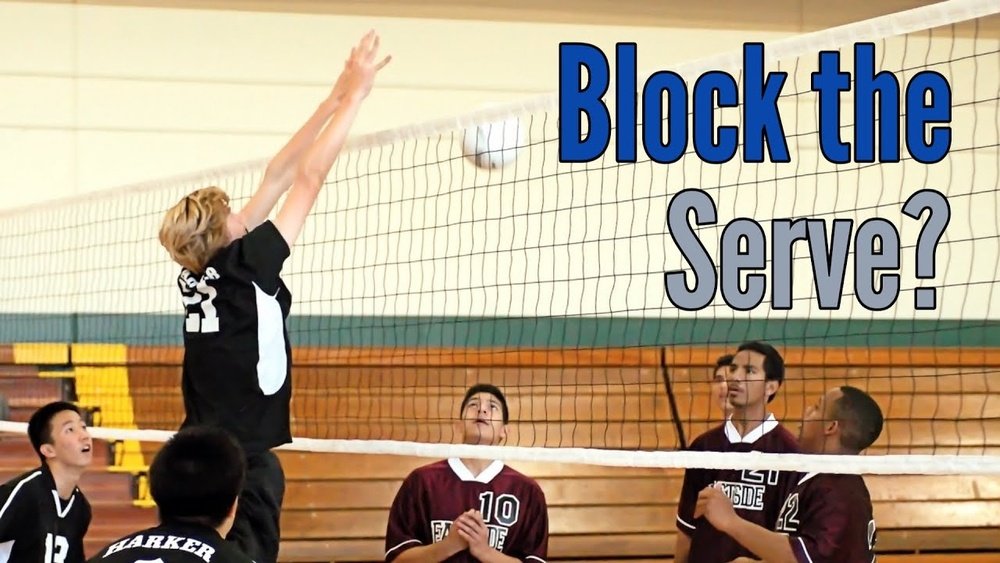
Have you ever wondered if you can block the serve in volleyball? It’s a common question that many players and fans ask, especially when watching intense matches.
Imagine being at the net, ready to stop that powerful serve right in its tracks. Sounds like a game-changer, right? But the truth might surprise you. Understanding whether blocking a serve is allowed can improve your game strategy and help you avoid costly mistakes.
Keep reading to discover the official rules, what counts as a legal block, and how you can sharpen your skills to become a smarter player on the court.

Credit: www.fivb.com
Serve Blocking Basics
Blocking is a key skill in volleyball, mostly used to stop attacks. It helps teams defend and score points by stopping the ball at the net. Serve blocking is a common question, but it follows special rules. Understanding these rules is important for fair play and good strategy.
What Is Blocking In Volleyball?
Blocking means jumping near the net to stop the ball from coming over. Players raise their hands and arms to catch or push the ball back. This usually happens when the opponent tries to hit or spike the ball. Blocking is a strong defense move to stop the ball before it crosses the net.
Why Blocking The Serve Is Not Allowed
Blocking the serve is against volleyball rules. The serve starts the play and must travel over the net without being stopped. If players block the serve, it stops the flow of the game. The rule keeps the serve fair and lets the receiving team try to pass the ball first.
This rule makes the game more open and fun. Players focus on receiving and setting the ball after the serve. Blocking is only allowed after the ball is in play from a serve or attack. This keeps the game balanced and fair for both teams.

Credit: ecosports.com
Rules On Blocking The Serve
Blocking the serve in volleyball is a topic many players and fans wonder about. The rules clearly define what is allowed and what is not during a serve. Understanding these rules helps players avoid faults and play fair. The regulations differ slightly between indoor volleyball and beach volleyball. Knowing the common illegal blocking actions also helps maintain the flow of the game.
Official Indoor Volleyball Regulations
In indoor volleyball, blocking the serve is not allowed. The serve must pass over the net without being touched by the opposing team at the net line. Players cannot jump or reach over the net to block the serve. The ball can only be played after it crosses the net and touches the opponent’s side or is in the air after the serve. This rule keeps the serve as a free shot to start the rally.
Beach Volleyball Variations
Beach volleyball rules also ban blocking the serve. The serve must cross the net without interference. Players must wait for the ball to come over the net before attempting to block or attack. The smaller court and fewer players make the serve a critical part of the game. Blocking the serve would give an unfair advantage and break the flow of beach volleyball.
Common Illegal Blocking Actions
Touching the ball before the opponent’s attack hit counts as an illegal block. A blocker cannot reach over the net to block or touch the serve. Contact with the net or centerline during a block is also illegal. Back-row players are not allowed to block the ball above the net. These rules ensure fair play and prevent interference with the server’s action.
Understanding Illegal Blocks
Blocking in volleyball is a key defensive skill. Not all blocks are allowed by the rules. Understanding illegal blocks helps players avoid faults and penalties. It also improves the flow of the game and safety of players. This section explains common illegal block situations.
Net And Centerline Violations
Touching the net during a block is illegal. The net acts as a barrier, and players must not interfere with it. Even a slight contact with the net while blocking causes a fault. Crossing the centerline under the net is also forbidden. Players must keep their hands and feet on their side. Stepping over the centerline risks injury and breaks the rules.
Back-row Blocking Restrictions
Back-row players have limits on blocking. They cannot jump and block the ball above the net. Blocking is reserved for front-row players only. If a back-row player blocks or touches the ball above the net, it is illegal. This rule keeps the game fair and balanced. It encourages teamwork and proper positioning.
Reaching Over The Net Limits
Reaching over the net to block is allowed with conditions. Players may reach over only after the opponent hits the ball. Blocking the ball before the opponent’s attack hit is illegal. The block must not interfere with the opponent’s play. This rule prevents unfair advantage and protects both teams.
Credit: www.youtube.com
Consequences Of Blocking The Serve
Blocking the serve in volleyball is not allowed. Attempting to do so leads to clear consequences. These rules keep the game fair and flowing smoothly. Understanding what happens after a serve block attempt helps players avoid mistakes.
Penalties And Point Awards
Blocking the serve results in an immediate penalty. The serving team earns a point right away. The referee stops the play and signals the fault. The team that tried to block loses the chance to score. This rule applies in both indoor and beach volleyball. It keeps the serve as a unique and powerful play.
Impact On Game Flow
Blocking the serve disrupts the natural flow of the game. The serve is meant to start the rally without interference. When a block occurs, the play stops abruptly. This breaks the rhythm of both teams. The rule helps maintain a smooth and fair match pace. Players focus on receiving and attacking the serve instead.
Strategic Alternatives To Blocking The Serve
Blocking a serve in volleyball is not allowed by the official rules. Instead, teams use smart strategies to handle the serve effectively. These alternatives focus on receiving the serve well and preparing for the next move. Adopting these tactics helps players control the game and set up strong attacks.
Effective Serve Receive Techniques
Good serve receive starts with a solid platform. Players keep their arms steady and eyes on the ball. Using a controlled bump helps direct the ball to the setter. Practicing different passing angles improves accuracy. Quick footwork allows players to adjust to tough serves. Consistent practice builds confidence and reduces errors.
Positioning To Anticipate Serves
Players position themselves based on the server’s habits. Watching the server’s toss and arm swing gives clues. Staying low and ready aids quick reactions. Shifting slightly left or right covers more court area. Team drills improve anticipation skills. Smart positioning reduces pressure on the receiver and sets up better plays.
Communication During Serve Receive
Clear communication is key during serve receive. Players call out ball locations loudly and clearly. This prevents confusion and collisions on the court. Assigning roles helps each player know their responsibility. Positive talk boosts team morale and focus. Regular communication leads to smoother passes and stronger teamwork.
Expert Tips For Serve Defense
Defending a volleyball serve requires skill, focus, and quick thinking. Players must anticipate the server’s moves and react fast to keep the ball in play. Strong serve defense improves your team’s chance to control the game.
These expert tips help players read the server, sharpen reflexes, and practice effective drills. Each step builds confidence and improves serve reception on the court.
Reading The Server’s Intent
Watch the server’s body language closely. Notice their hand position, toss height, and arm swing. These clues hint at the type of serve coming.
Focus on the server’s eyes and foot placement. They often show the target zone. Predicting the ball’s path helps you move early.
Anticipation beats reaction. The better you read the server, the easier it is to position yourself correctly.
Improving Reflexes And Reaction Time
Quick reflexes are key to stopping powerful serves. Practice fast hand movements and quick footwork daily.
Use reaction drills like catching tennis balls or responding to sudden signals. These exercises sharpen your response speed.
Stay low and balanced. This stance prepares your body to move in any direction instantly.
Drills To Enhance Serve Reception
Practice serve reception with a partner or coach. Start with easy serves and increase difficulty gradually.
Focus on your platform and body position. Keep arms steady and eyes on the ball.
Use repetitive drills like passing multiple serves in a row. This builds muscle memory and confidence.
Frequently Asked Questions
Have You Ever Been Able To Block A Serve In Volleyball?
You cannot block a serve in volleyball. Blocking is only allowed during an opponent’s attack hit, not serves.
What Is An Illegal Block In Volleyball?
An illegal block in volleyball happens when a player touches the net, crosses the centerline, blocks from the back row, or contacts the ball before the opponent’s attack hit. It also includes interfering with an opponent’s play by touching their body or reaching over the net improperly.
Can You Block The View Of The Server In Volleyball?
You cannot block a serve in volleyball. Blocking only applies to attacks after the serve. Attempting to block a serve is against the rules.
Can You Block A Serve In Sitting Volleyball?
No, you cannot block a serve in sitting volleyball. Blocking is only allowed during attacks after the serve.
Conclusion
Blocking a serve in volleyball is not allowed under official rules. Players must wait until the ball crosses the net and the opponent makes an attack hit. Blocking is reserved for front-row players during attacks, not serves. Attempting to block a serve results in a fault and point loss.
Understanding these rules helps players avoid penalties and play fairly. Focus on receiving and returning serves instead. This ensures smooth and enjoyable gameplay for everyone involved.