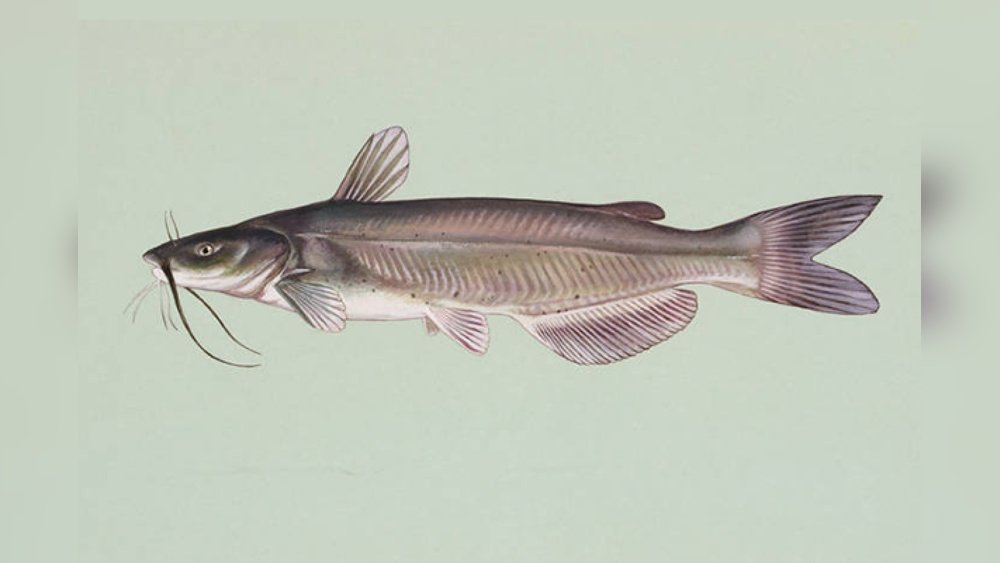
If you’re curious about catfish in North Carolina, you’re in the right place. Whether you’re a seasoned angler or just starting out, understanding the different types of NC catfish can make your fishing trips more exciting and rewarding.
From the feisty channel catfish to the hefty blue catfish, each species offers a unique challenge and flavor. You’ll also discover the best baits, where to find these fish, and tips to improve your catch. Ready to dive into the world of North Carolina catfish?
Keep reading to unlock everything you need to know for a successful and enjoyable fishing adventure.

Credit: www.ncwildlife.gov
Catfish Species In North Carolina
North Carolina hosts a variety of catfish species thriving in its rivers, lakes, and ponds. These fish attract anglers of all skill levels due to their size and fighting ability. Each species has unique traits that make them interesting to catch and study. Understanding their features and habits helps improve fishing success and appreciation for local wildlife.
Blue Catfish Characteristics
Blue catfish are the largest catfish species in North Carolina. They can grow over 50 pounds and have a bluish-gray color. Their bodies are long and slender with a forked tail. Blue catfish prefer large rivers and reservoirs with deep, slow-moving water. They feed on fish, crabs, and other aquatic animals.
Channel Catfish Habits
Channel catfish are common across North Carolina waters. They have a spotted, olive to gray body with a forked tail. These fish like clean, warm waters such as rivers, ponds, and lakes. Channel catfish feed mainly at night on insects, small fish, and plants. They are popular among anglers for their tasty meat.
Flathead Catfish Overview
Flathead catfish are known for their broad, flat heads and yellowish bodies. They can grow very large, often exceeding 40 pounds. Flatheads prefer deep holes in rivers with slow currents. They are ambush predators feeding mostly on live fish. Anglers use live bait to catch these powerful catfish.
Bullhead Catfish Varieties
North Carolina has four bullhead catfish species: yellow, brown, flat, and snail bullheads. These small catfish live in muddy or weedy waters. Bullheads have rounded tails and smaller mouths than other catfish. They eat insects, small fish, and plant material. Bullheads are easy to catch and fun for beginners.

Credit: www.fayobserver.com
Best Fishing Spots In North Carolina
North Carolina offers many great places to catch catfish. The state has lakes, rivers, ponds, and streams full of catfish species. Each spot has its own charm and fishing style. Anglers enjoy peaceful waters and exciting catches here.
Catfish thrive in warm waters and rich habitats. North Carolina provides ideal conditions for channel, blue, and flathead catfish. This makes it a top destination for catfish fishing. Below are some of the best spots to try your luck.
Kerr Lake Highlights
Kerr Lake is one of the largest reservoirs in North Carolina. It stretches across the border with Virginia. This lake is famous for big catfish, especially blue catfish and flatheads.
Many anglers join catfish tournaments on Kerr Lake. The lake has deep channels and many coves. These spots hold large catfish waiting to be caught. Fishing from a boat or kayak is popular here.
Rivers And Reservoirs
The Roanoke and Neuse Rivers hold plenty of catfish. These rivers offer slow-moving water and deep pools. Catfish like to hide in these calm areas.
Reservoirs such as Lake Gaston and Falls Lake are also great. They have clean water and plenty of baitfish. Channel catfish and bullheads swim in these waters. Shore fishing and boat fishing both work well.
Popular Ponds And Streams
Small ponds and streams in North Carolina are perfect for beginner anglers. They often have channel catfish and bullheads. These waters warm quickly in spring, inviting catfish to feed.
Local parks and rural areas offer many quiet ponds. Streams with slow currents and muddy bottoms attract catfish too. These spots are easy to access and great for family fishing trips.
Effective Bait And Tackle
Effective bait and tackle are vital for catching catfish in North Carolina. Using the right gear and bait increases your chances of a successful catch. Catfish have strong senses and prefer specific types of bait. Choosing appropriate tackle helps you handle their size and strength. This section covers the best baits and tackle to use for catfishing in NC waters.
Top Baits For Catfish
Chicken livers are a favorite bait for many catfish anglers. Their strong smell attracts catfish from a distance. Nightcrawlers also work well, offering a natural and lively option. Shrimp can be effective, especially in warmer months. Stink baits provide a pungent scent that lures catfish in muddy waters. Fresh or frozen bait can be used, but fresh often works better.
Choosing The Right Rod And Reel
Use a medium to heavy rod for catfish fishing. These rods handle the weight and fight of larger catfish. A strong reel with a smooth drag system is essential. Spinning reels or baitcasting reels work well depending on your preference. Make sure your line is durable; 15 to 30-pound test line is common. A sturdy rod and reel combo reduces the chance of breakage.
Using Live Vs Prepared Baits
Live bait, such as nightcrawlers or small fish, offers natural movement. This movement attracts catfish and triggers their feeding instincts. Prepared baits, like stink baits or cut bait, rely on scent to draw fish. Prepared baits last longer and are easier to store. Both types work well, but live bait often catches bigger catfish. Experiment with both to find what works best in your fishing spot.

Credit: www.fayobserver.com
Techniques For Quick Trophy Catches
Catching trophy catfish in North Carolina demands smart techniques. Fast catches require focus on specific methods. These methods boost your chances of landing big catfish quickly. Whether fishing from shore, a kayak, or at night, each approach offers unique advantages. Understanding these techniques helps you fish more efficiently and enjoy your time on the water.
Bank Fishing Tips
Choose deep holes near fallen trees or rocks. Use strong, sharp hooks with fresh bait like chicken liver. Cast your line close to structure where catfish hide. Keep your line tight to feel even small bites. Patience pays off; catfish often bite slowly but steadily. Use a sturdy rod and reel to handle heavy fish. Check local regulations for allowed fishing spots and bait.
Kayak Catfishing Strategies
Kayaks let you reach spots boats cannot access. Paddle quietly to avoid scaring catfish away. Anchor near drop-offs or deep channels for better chances. Use rod holders to keep hands free for baiting and reeling. Bring a fish finder to locate catfish quickly. Kayaks allow stealthy fishing, increasing trophy catch odds. Always wear a life jacket for safety on the water.
Night Fishing Approaches
Catfish are more active and feed aggressively at night. Use bright lights to attract baitfish, which draw catfish. Set multiple lines with different baits to cover more area. Use heavy sinkers to keep bait steady in currents. Stay quiet and avoid sudden movements to prevent spooking fish. Night fishing requires good preparation and proper gear. Dress warmly and bring extra batteries for your equipment.
Regulations And Conservation
Protecting North Carolina’s catfish populations is key to healthy waters and strong fishing traditions. Regulations help keep fish numbers stable. Conservation efforts support natural habitats and fish health.
Understanding rules and practices is important for every angler. It keeps fishing fair and sustainable. It also helps prevent harm to the environment and fish species.
State Fishing Rules
North Carolina sets specific rules for catfish fishing. These include size and catch limits. Certain waters require fishing licenses or permits. Rules vary by species and location. These laws help manage fish stocks responsibly.
Catch And Release Practices
Catch and release is common in catfish fishing. It helps maintain fish populations. Anglers use gentle handling to avoid injuring fish. Quick release increases survival chances. Proper tools, like barbless hooks, reduce fish stress.
Invasive Species Impact
Blue catfish, introduced in some areas, can disrupt local ecosystems. They compete with native fish for food and space. This can reduce native fish numbers. Managing invasive catfish protects native species diversity. Awareness and control efforts are vital for balance.
Preparing And Cooking Catfish
Preparing and cooking catfish from North Carolina offers a delicious way to enjoy this popular freshwater fish. Catfish is easy to cook and works well with many flavors. It provides a mild taste and firm texture that appeals to all ages.
Knowing how to clean and handle catfish is important for a great meal. Cooking methods like frying, baking, and grilling bring out the best in catfish. Each method highlights different flavors and textures.
Health Benefits Of Catfish
Catfish is low in calories and fat. It contains good protein that helps build muscles and repair tissues. Catfish also has omega-3 fatty acids, which support heart health. It provides vitamins such as B12 and minerals like selenium. These nutrients boost the immune system and improve brain function.
Popular Recipes
Fried catfish is a classic Southern favorite. It uses cornmeal or flour for a crispy crust. Catfish can also be baked with herbs and lemon for a light dish. Grilled catfish pairs well with spicy marinades or barbecue sauces. Catfish stew and gumbo are hearty meals loved in North Carolina.
Handling And Cleaning Tips
Start by rinsing the catfish under cold water. Use a sharp knife to remove the head and fins. Peel off the slimy skin carefully. Cut the fish into fillets or chunks. Remove any remaining bones with tweezers. Keep the fish cold until cooking to ensure freshness.
Catfish Tournaments And Community
Catfish tournaments in North Carolina bring anglers together from all over. These events build a strong community passionate about catfish fishing. Anglers share stories, tips, and celebrate their catches. The tournaments offer a chance to compete, learn, and enjoy the outdoors.
The catfish community supports beginners and pros alike. Joining clubs and groups can improve skills and create friendships. Local competitions often become social gatherings that boost love for the sport. The community’s energy makes catfishing more fun and rewarding.
Major Local Competitions
Kerr Lake hosts some of the largest catfish tournaments in the state. Anglers compete for prizes by catching the biggest blue or channel catfish. These events attract hundreds of participants and spectators each year. Other lakes and rivers also hold regular contests focused on catfish.
These tournaments follow strict rules to ensure fair play and conservation. They often include weigh-ins, safety checks, and catch-and-release practices. Competitions help promote sustainable fishing and protect North Carolina’s waterways.
Joining Catfish Clubs
Catfish clubs connect anglers who share a love for the sport. Members meet regularly for fishing trips, workshops, and social events. Clubs provide access to exclusive fishing spots and tournament info. They also help newcomers learn about gear and techniques.
Being part of a club builds a sense of belonging and teamwork. It offers chances to volunteer in conservation projects and community events. Clubs keep the catfish tradition alive and thriving in North Carolina.
Tips From Expert Anglers
Experts advise using fresh bait like chicken livers or nightcrawlers for better catches. They recommend fishing near structures such as fallen trees or deep holes. Patience is key; catfish often bite best at dawn or dusk.
Using strong, sturdy rods helps handle large catfish. Checking local regulations ensures responsible fishing. Experts stress respecting the environment to keep catfish populations healthy. These tips increase success and enjoyment on the water.
Frequently Asked Questions
What Kind Of Catfish Are In North Carolina?
North Carolina hosts channel catfish, blue catfish, flathead catfish, and four bullhead species. These thrive in rivers, lakes, and reservoirs statewide.
Is Catfish Good For Heart Patients?
Catfish is low in saturated fat and contains omega-3 fatty acids, which support heart health. Eat it in moderation.
Are Nc Blue Catfish Good To Eat?
NC blue catfish taste mild and firm, making them good to eat. They are popular for frying, grilling, or baking.
What Is The Tastiest Freshwater Fish To Eat?
The tastiest freshwater fish to eat is often considered the catfish. Channel and blue catfish are popular for their mild, sweet flavor and firm texture. They adapt well to various cooking styles, making them a favorite among anglers and food lovers alike.
Conclusion
Nc catfish offer great fishing fun and tasty meals for many. They thrive in North Carolina’s lakes, rivers, and ponds. Blue, channel, and bullhead catfish are common species here. Using simple baits like chicken liver or nightcrawlers improves your catch.
Catfishing can be relaxing or competitive, depending on your style. Always follow local rules to protect fish populations. Enjoy the outdoors and fresh catfish dishes safely and responsibly. Try catfishing next time you visit North Carolina’s waters. It’s a rewarding experience for beginners and experts alike.