Crappie Fishing Ohio
Fishing for crappie in Ohio is more than a hobby, it’s a passion shared by thousands across the state. With its rich network of lakes, reservoirs, and rivers, Ohio offers some of the best crappie fishing in the Midwest. Anglers are drawn to the excitement of chasing these popular panfish and the chance to enjoy beautiful scenery along the way.
Whether you are a seasoned angler or just starting out, Ohio’s crappie fishing scene has something for everyone. This guide will help you discover the best spots, methods, and tips for a successful crappie adventure in Ohio.
Why Crappie Fishing Is Popular In Ohio
Crappie are one of the most sought-after game fish in Ohio. Their widespread presence in public waters, tasty white flesh, and willingness to bite make them a top choice for anglers of all ages. Both black crappie and white crappie live in Ohio’s waters, offering different challenges and rewards.
Ohio’s lakes are managed well for sport fishing. The Ohio Department of Natural Resources (ODNR) stocks and monitors crappie populations. This means you can find healthy numbers of fish in many areas, and some spots produce trophy-sized crappie over 14 inches long.
Families love crappie fishing because it can be simple and affordable. You don’t need expensive gear or a boat to catch fish. Many great spots are accessible from the shore or public fishing piers. Spring is especially popular, as crappie move into the shallows to spawn, making them easier to find.
Best Crappie Fishing Locations In Ohio
Ohio is packed with productive crappie lakes and reservoirs. Here are some of the top locations:
- Mosquito Lake: This northeast Ohio lake near Warren is known for big crappie. The 7,000-acre lake has many coves and stumps where crappie hide, especially in spring.
- Delaware Lake: Located north of Columbus, Delaware Lake is famous for high numbers of crappie, especially during the spring spawn.
- Indian Lake: One of the oldest man-made lakes in Ohio, Indian Lake near Bellefontaine is a crappie hotspot with both black and white crappie.
- Grand Lake St. Marys: The largest inland lake in Ohio, it supports a strong crappie fishery with easy shore access.
- Caesar Creek Lake: Known for big, slab-sized crappie, Caesar Creek offers deep water and standing timber.
- Alum Creek Lake: Near Columbus, Alum Creek is popular for both numbers and size, and has good shoreline access.
- Buckeye Lake: Located east of Columbus, this shallow lake is a spring favorite for bank anglers.
- East Fork Lake: Close to Cincinnati, East Fork’s backwaters provide excellent crappie action, especially in April and May.
- Paint Creek Lake: This southern Ohio reservoir is productive for both species of crappie.
- Lake Logan: A smaller but consistent lake for crappie, located in Hocking County.
- West Branch Reservoir: Near Ravenna, West Branch is known for quality fish and a long fishing season.
These lakes are only a starting point. Many smaller reservoirs and rivers also provide excellent crappie fishing. Always check local regulations before fishing, as some lakes have special size or bag limits.
Crappie Species In Ohio
There are two main types of crappie in Ohio:
- White Crappie: These fish have a pale silvery color with vertical bars on their sides. White crappie prefer warmer, muddy water and are often found in reservoirs and slow-moving rivers.
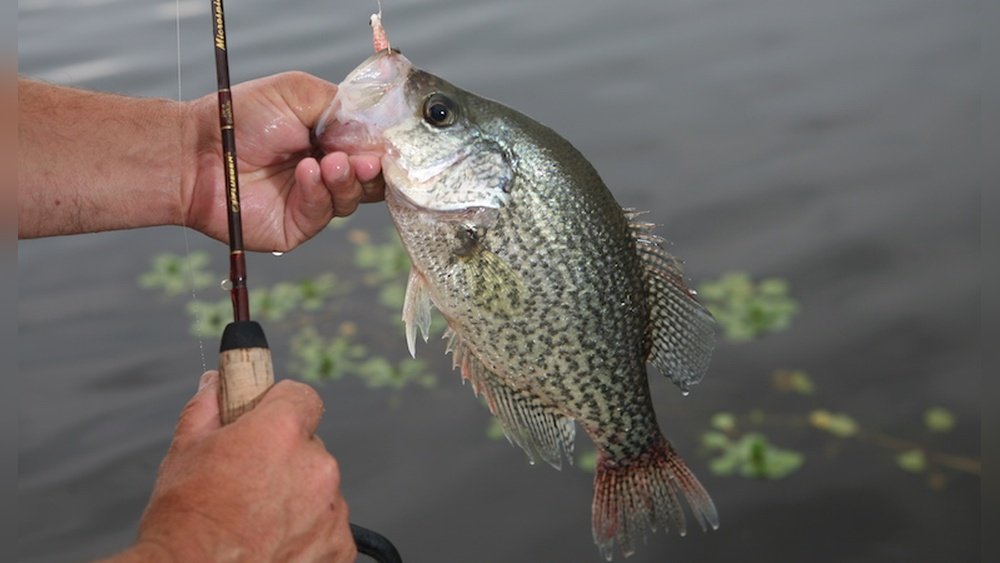
- Black Crappie: More spotted and darker, black crappie like clearer water and are usually found in lakes with more vegetation.
Both species have similar habits but can sometimes be found in different habitats. Knowing the difference helps you target the right spots.
| Feature | White Crappie | Black Crappie |
|---|---|---|
| Body Color | Light silver, vertical bars | Darker, scattered spots |
| Dorsal Spines | 6 | 7-8 |
| Preferred Water | Stained, slow, open | Clear, vegetated |
Best Times For Crappie Fishing
Timing is everything in crappie fishing. In Ohio, crappie can be caught year-round, but spring is king. As water warms to about 55-65°F (13-18°C), crappie move into shallow water to spawn. This usually happens from late March to early May, depending on location and weather.
During spawning, fish are aggressive and close to shore, making them easy targets for bank anglers. After spawning, crappie move back to deeper water and suspend around structure.
Summer and fall can also be good, especially early and late in the day. Winter fishing is possible through the ice, but crappie are less active and found deeper.
Gear And Tackle For Ohio Crappie
Crappie are not tackle-busters, so you don’t need heavy gear. Simple setups work best:
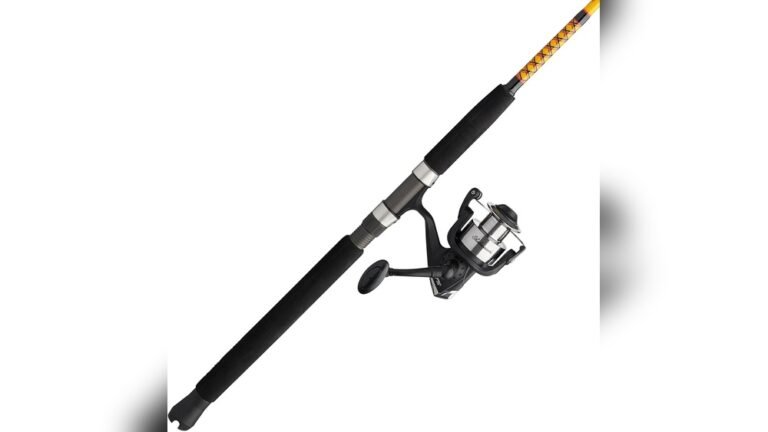
- Rod and Reel: A 6-7 foot light or ultralight spinning rod gives good sensitivity. Pair it with a small spinning reel.
- Line: 4-8 lb test monofilament is perfect. Lighter line means better lure action and more bites.
- Hooks: Use size 4-8 Aberdeen or wire hooks. Thin wire makes it easy to pull free from snags.
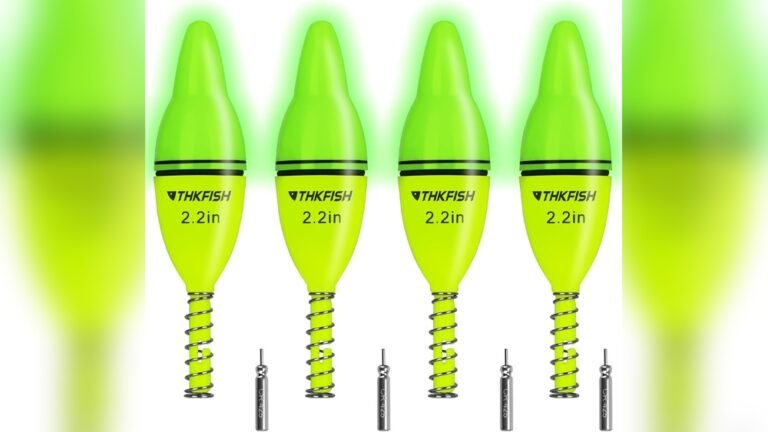
- Floats/Bobbers: Slip floats help present baits at the right depth.
Some anglers use longer rods (10-12 feet) for a technique called “spider rigging,” but for most, standard spinning gear is fine.
Baits And Lures For Success
Crappie eat a wide range of baits. Both live bait and artificial lures work well:
- Minnows: The top live bait for crappie. Hook a small minnow through the lips or back and fish it under a bobber.
- Jigs: Soft plastic grubs, tubes, or curly-tails on 1/32 to 1/8 oz jigheads are crappie favorites. Try white, chartreuse, or pink colors.
- Spinnerbaits: Tiny spinners or beetle spins attract crappie, especially in stained water.
- Crappie Nibbles: These scented pellets can be added to your jig for extra attraction.
Changing lure color or size can make a big difference. If crappie are not biting, try a different color or slow down your retrieve. Sometimes the smallest detail triggers a bite.
| Bait/Lure | Best Season | Presentation |
|---|---|---|
| Minnows | Spring/Fall | Under float, near structure |
| Jigs | Year-round | Cast/retrieve, vertical jig |
| Spinnerbaits | Summer | Slow roll near weeds |

Credit: www.farmanddairy.com
Key Techniques For Ohio Crappie
Several techniques are effective for crappie in Ohio:
- Bobber Fishing: Cast a minnow or jig under a slip bobber close to brush or docks. Adjust the depth so your bait is just above the fish.
- Vertical Jigging: Drop a jig straight down next to standing timber, bridge pilings, or brushpiles. Lift and drop the rod tip to make the lure dance.
- Casting: Cast small jigs or spinners to the edges of weed beds or submerged timber. Slow, steady retrieves work best.
- Trolling: In bigger lakes, slowly pull jigs or small crankbaits behind a boat. This helps cover water and find active fish.
A non-obvious tip: Crappie often suspend at a certain depth rather than hugging the bottom. Use a fish finder or count down your lure to find the right zone. Also, don’t be afraid to fish higher in the water column, especially in clear water or around submerged brush.
Understanding Structure And Habitat
Crappie are structure-oriented fish. In Ohio, they are often found near:
- Brushpiles: Submerged trees or man-made brush attract crappie year-round.
- Docks: Both public and private docks are excellent spots, especially if they have shade.
- Standing Timber: Flooded trees in reservoirs are crappie magnets.
- Weed Edges: In natural lakes, look for the edge of lily pads or submerged weeds.
- Drop-offs: Underwater ledges where shallow water drops into deeper areas.
If you’re new to a lake, look for areas with visible cover or use a lake map. The Ohio DNR provides maps of public lakes that show fish attractors and likely crappie spots.
| Structure Type | When to Target | Why It’s Good |
|---|---|---|
| Brushpile | All year | Protection, baitfish attractor |
| Dock | Spring/Summer | Shade, easy access |
| Weed edge | Late spring | Ambush point |
Regulations And Conservation
Ohio has specific rules to protect crappie populations. Most lakes have a daily bag limit (often 30 fish per angler) and a minimum size limit (usually 9 inches). Some lakes have special regulations, so always check the latest ODNR guide before fishing.
Practicing catch-and-release for larger crappie helps keep fisheries healthy. Take home only what you need. Handle fish gently, and release them quickly if you don’t plan to keep them.
Local Tips And Insights
- Early morning and late evening are peak feeding times, especially in clear water.
- Weather changes can move crappie. If a cold front comes through, fish deeper or slower.
- During summer, don’t overlook deeper brushpiles or creek channels. Crappie often suspend in mid-water.
- In pressured lakes, downsize your bait and use lighter line to get more bites.
- Some lakes offer special crappie tournaments—these can be a fun way to learn and meet other anglers.
A mistake beginners often make is staying in one spot too long. Crappie are school fish—if you don’t get bites quickly, move to a new location.
Family Fishing And Accessibility
Many Ohio lakes have public fishing piers, boat rentals, and shoreline parks, making crappie fishing accessible for everyone. Some, like Indian Lake and Grand Lake St. Marys, have special piers designed for wheelchair access.
Taking kids fishing for crappie is a great way to introduce them to the sport. The action can be fast during spawning season, and the fish are easy to handle. Always make sure kids wear life jackets near the water.
Cleaning And Cooking Crappie
Crappie are famous for their sweet, white meat. After catching your limit, it’s important to clean the fish quickly. Use a sharp fillet knife to cut along the backbone and remove the fillet.
Popular ways to cook crappie include:
- Frying: Classic method. Dredge fillets in cornmeal or flour and fry in oil.
- Baking: Place fillets in a baking dish, add lemon and herbs, and bake at 375°F for 15-20 minutes.
- Grilling: Wrap fillets in foil with butter and spices, then grill for a smoky flavor.
Crappie are best fresh but can also be frozen for later meals.

Credit: www.daily-jeff.com
Resources For Ohio Anglers
The Ohio Department of Natural Resources website is a key resource. It provides up-to-date fishing reports, lake maps, and regulations. For more details, visit the Ohio DNR Wildlife page.
You can also find local fishing forums, clubs, and guides who specialize in crappie fishing. Joining a group or talking with local bait shops can provide the latest hot spots and tips.
Frequently Asked Questions
What Is The Best Month To Fish For Crappie In Ohio?
April is often the top month, as crappie move shallow to spawn and are easy to catch near shore. Late March and early May can also be good, depending on the weather.
Do I Need A Boat To Catch Crappie In Ohio?
No, many top crappie lakes have public shoreline access, fishing piers, and docks. During spring, bank fishing can be just as productive as fishing from a boat.
What Is The Daily Limit For Crappie In Ohio?
Most lakes have a daily limit of 30 crappie per angler, with a minimum size of 9 inches. Always check local regulations as some lakes may differ.
Are There Crappie Tournaments In Ohio?
Yes, several lakes host crappie tournaments each year. These events are open to all skill levels and are a great way to learn new techniques.
What’s A Common Mistake Beginners Make When Crappie Fishing?
Staying in one spot too long without catching fish is common. Crappie move in schools—if you’re not getting bites, change locations or try different depths.
Crappie fishing in Ohio is a rewarding experience that combines action, relaxation, and time in nature. With the right gear, a few local tips, and respect for the resource, you can enjoy successful trips all year long. Remember, every lake is a bit different—explore, experiment, and enjoy the adventure that Ohio crappie fishing brings.

Credit: www.daily-jeff.com