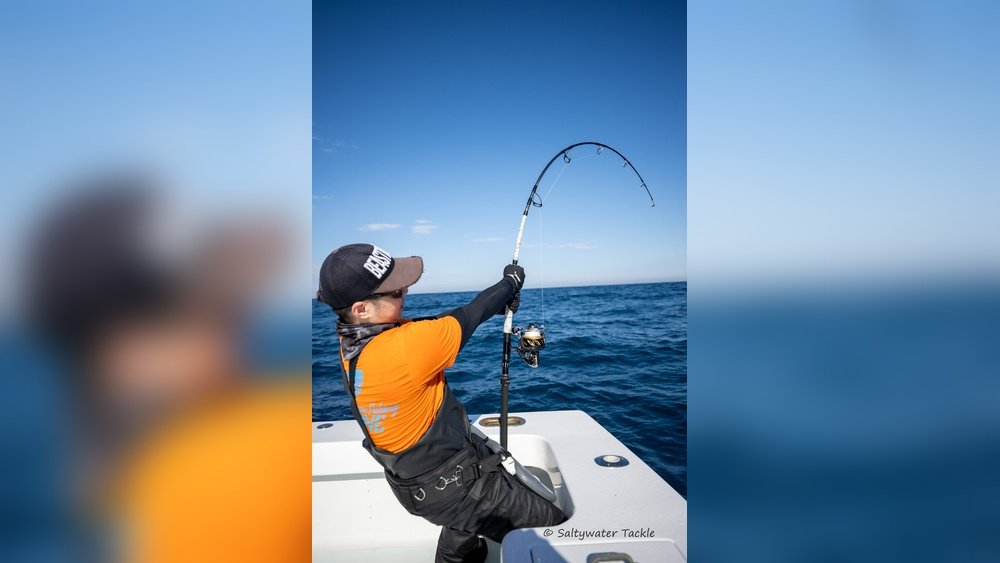
Tuna fishing is a thrilling adventure for many anglers. Few experiences compare to the power and speed of a hooked tuna. But landing one of these ocean giants requires more than just luck and patience—it demands the right tackle. Whether you’re a beginner or aiming to improve your success rate, understanding what tackle you need for tuna fishing is key.
This guide will break down every essential detail, from rods and reels to lines, lures, and practical tips. Let’s get you ready for your next big catch.
Understanding Tuna Fishing Tackle
Tuna are strong, fast, and relentless. They can weigh from 20 pounds to over 1,000 pounds, and their fighting style tests even the most experienced anglers. Because of this, tackle for tuna fishing must be tough, reliable, and suited to the size of tuna you are targeting. Using the wrong gear doesn’t just make fishing harder—it can mean lost fish, broken equipment, and wasted time.
Tackle is not just about rods and reels. It includes everything between your hands and the tuna: lines, leaders, hooks, lures, and even the knots you use. Each piece should work together, forming a system built for power and endurance.
Choosing The Right Rod
The rod is your direct link to the fish. For tuna, you need a rod with strength, flexibility, and the right length.
Key Factors When Selecting A Tuna Rod
- Rod Strength (Power): Look for rods labeled heavy or extra heavy. Tuna put massive pressure on the rod, especially larger species like bluefin or yellowfin.
- Rod Length: Most tuna rods are between 5.5 to 7 feet. Shorter rods (5.5–6.5 feet) give more control for big fish, while longer rods (6.5–7 feet) help with casting and fighting smaller tuna.
- Action: Fast action rods bend mostly at the tip and provide quick hook sets. Moderate action rods bend more in the middle, which helps absorb sudden runs.
- Material: Modern rods use graphite (light, sensitive) or fiberglass (strong, durable). Many tuna rods combine both for balanced performance.
Example Rods For Different Tuna Sizes
| Tuna Size | Rod Length | Power | Recommended Use |
|---|---|---|---|
| 20–50 lbs | 6.5–7 ft | Medium-Heavy | Light tackle, casting lures |
| 50–150 lbs | 6–6.5 ft | Heavy | Chunking, trolling, jigging |
| 150+ lbs | 5.5–6 ft | Extra Heavy | Stand-up or chair fishing |
A common mistake beginners make is using rods that are too light, which can break under pressure or tire you out quickly. Always match your rod to the target tuna species.

Credit: fishingbooker.com
Selecting The Best Reel
A strong rod is useless without a matching reel. Tuna reels must have high line capacity, a smooth and powerful drag system, and tough construction.
What To Look For In A Tuna Reel
- Type: Most anglers use either conventional (lever drag) or spinning reels. Conventional reels are popular for big tuna due to their power and control.
- Line Capacity: Tuna can make long, fast runs. Choose a reel that can hold at least 300–600 yards of line, depending on the tuna species.
- Drag Strength: Look for a maximum drag of at least 20–40 pounds for bigger tuna. The drag should be smooth and adjustable under heavy load.
- Gear Ratio: Lower gear ratios (4:1 or less) give more power for fighting big fish. Higher ratios (5:1 or more) help retrieve line faster when needed.
- Build Quality: Reels should use corrosion-resistant materials (aluminum, stainless steel) to survive saltwater.
Reel Comparison For Popular Tuna Targets
| Reel Model | Type | Max Drag (lbs) | Line Capacity (50 lb braid) |
|---|---|---|---|
| Penn International 30VISX | Conventional | 40 | 900 yds |
| Shimano Stella SW 18000 | Spinning | 55 | 500 yds |
| Avet HXW 5/2 Raptor | Conventional | 38 | 840 yds |
Many beginners don’t realize that a weak drag or a reel with too little line can lead to lost tuna, especially when the fish makes sudden, powerful runs.
The Right Line For Tuna
Your line is the only thing connecting you to the tuna. Choosing the right type, strength, and length is critical.
Line Types
- Monofilament: Stretches under pressure, which can help absorb shocks. Easier to tie knots. Most common for trolling.
- Braided Line: Very strong for its diameter, less stretch, more sensitive. Ideal for jigging and situations where sensitivity matters.
- Fluorocarbon: Used mainly as a leader due to its low visibility and abrasion resistance.
What Pound Test Should You Use?
- Schoolie Tuna (20–50 lbs): 30–50 lb test mono or braid
- Medium Tuna (50–150 lbs): 50–80 lb test
- Giant Tuna (150+ lbs): 80–130 lb test mono; 80–200 lb braid for main line
A common mistake is using line that’s too thin for big tuna. Tuna will exploit any weakness, so always match line strength to your quarry.
Main Line Vs. Leader
Many anglers use a braided main line for strength and a long fluorocarbon leader (10–30 feet) for stealth. The leader absorbs shock and is less visible to tuna.
Lures, Baits, And Terminal Tackle
Tuna are aggressive, but they can also be picky. The right lures and baits can mean the difference between a full cooler and an empty one.
Top Lures For Tuna
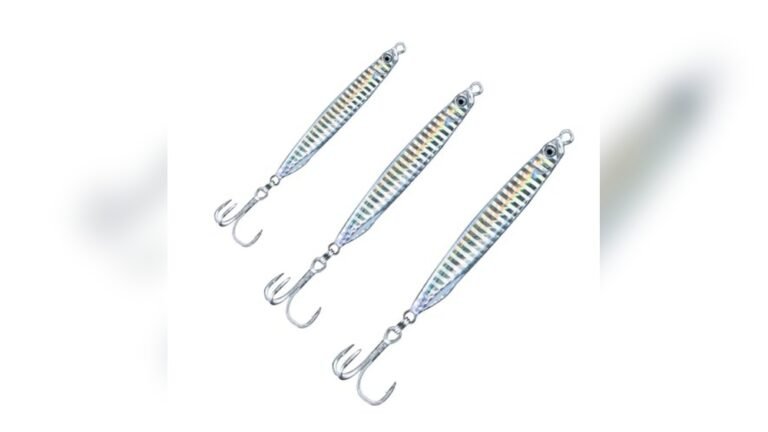
- Jigs: Heavy metal jigs (200–400g) work well for deep vertical jigging.
- Poppers: Large surface poppers attract tuna by mimicking fleeing baitfish.
- Stickbaits: Long, slender lures that swim like real fish.
- Trolling Lures: Skirted lures, cedar plugs, and diving plugs are favorites for trolling at high speed.
- Soft Plastics: Large shad-style plastics rigged on heavy jig heads can be deadly.
Natural Baits
- Live Bait: Mackerel, sardines, and squid are top choices. Keep them lively and use circle hooks.
- Chunking: Pieces of bait fish (usually mackerel or herring) are cut and dropped into the water to attract tuna.
Terminal Tackle Essentials
- Hooks: Use strong, sharp hooks, usually size 6/0–10/0, depending on bait and tuna size.
- Swivels: Heavy-duty ball-bearing swivels prevent line twist.
- Crimps and Sleeves: Used for secure connections when using heavy leaders.
Many beginners overlook the importance of strong terminal tackle. Weak or rusty hooks, light swivels, or poor knots often lead to heartbreak when a big tuna bites.
Essential Accessories And Safety Gear
Tuna fishing is demanding. Having the right accessories can make things safer and more efficient.
- Fighting Belt and Harness: Helps distribute pressure and reduces fatigue during long battles.
- Gaff or Net: For landing big tuna safely and quickly.
- Gloves: Protects your hands from cuts and blisters.
- Pliers/Cutters: For cutting heavy line and removing hooks.
- Safety Gear: Life jackets, first aid kit, and emergency signaling devices are vital for offshore trips.
Tuna Tackle Setup Examples
It’s easier to understand tackle choices with real setups. Here are two sample setups for different situations.
Light Tackle Setup (school Tuna)
- Rod: 7 ft, medium-heavy spinning rod
- Reel: 8000–10000 size spinning reel, 30 lb max drag
- Line: 50 lb braid main line, 40 lb fluorocarbon leader
- Lure: 150 g stickbait or popper
Heavy Tackle Setup (giant Tuna)
- Rod: 5.5 ft, extra-heavy stand-up rod
- Reel: 50–80 class lever drag conventional reel, 40–60 lb max drag
- Line: 130 lb mono main line, 200 lb fluorocarbon leader
- Bait: Live mackerel or large chunk bait, 10/0 circle hook
Comparing Tuna Tackle At A Glance
Here’s a quick overview to help you match your gear to your fishing style and target size:
| Technique | Rod & Reel | Main Line | Leader | Lure/Bait |
|---|---|---|---|---|
| Trolling | 6 ft heavy rod + lever drag | 80 lb mono | 130 lb fluoro | Skirted, diving plug |
| Jigging | 6.5 ft heavy spinning + high-cap reel | 80 lb braid | 100 lb fluoro | 300 g metal jig |
| Chunking | 5.5 ft extra-heavy + lever drag | 130 lb mono | 200 lb fluoro | Live/chunk bait |
| Casting | 7 ft med-heavy spinning + fast reel | 50 lb braid | 50 lb fluoro | Poppers, stickbaits |
Two Non-obvious Insights For Tuna Tackle Success
- Balance Matters More Than Strength Alone: Many beginners focus only on the strength of each piece of tackle. However, if your rod, reel, and line are not balanced (for example, a heavy rod with a light reel), you’ll get tired faster and lose sensitivity, making it harder to detect bites or control the fight.
- Stealth and Presentation: Giant tuna often shy away from visible lines or unnatural presentations. A long fluorocarbon leader and the right size hooks can make a big difference, even when fishing in deep or dirty water.
Practical Tips For Tuna Fishing Tackle
- Always rinse your tackle with fresh water after every trip to prevent corrosion.
- Check your drag settings before every drop or cast, not just once at the start.
- Replace old line and check knots often, especially after catching a tuna or snagging on the bottom.
- Carry backups of key tackle items—lines, leaders, hooks, and lures—in case of break-offs.

Credit: www.meltontackle.com
Frequently Asked Questions
What Is The Best Rod Length For Tuna Fishing?
For most tuna fishing, a rod between 5.5 and 7 feet works best. Shorter rods offer better leverage for big tuna, while longer rods are helpful for casting and fighting smaller fish.
Can I Use A Spinning Reel For Large Tuna?
Yes, but choose a large, high-capacity spinning reel with a strong drag system (at least 30–50 lbs of drag). Conventional reels are still preferred for the biggest tuna due to their extra power.
Do I Need A Wire Leader For Tuna?
Usually, fluorocarbon leaders are enough. Tuna have sharp vision but not sharp teeth like sharks. Use wire only if sharks are a problem in your area.
What Pound Test Line Should I Use For Yellowfin Tuna?
For yellowfin tuna (average 40–150 lbs), use a 50–80 lb test line (braid or mono) and a 60–100 lb fluorocarbon leader for best results.
How Do I Know If My Tackle Is Tuna-ready?
Check that your rod, reel, line, and drag are rated for the size of tuna you want to catch. Make sure all parts are in good condition, with no rust, frays, or weak knots. When in doubt, ask an experienced angler or visit a trusted tackle shop.
Choosing the right tackle for tuna fishing is a mix of knowledge, preparation, and practice. With the right gear and smart choices, you’ll be ready for that unforgettable fight with a powerful tuna. For more in-depth tackle reviews and techniques, visit the Salt Water Sportsman website. Now, gear up—and get ready to chase the fish of a lifetime.

Credit: www.meltontackle.com