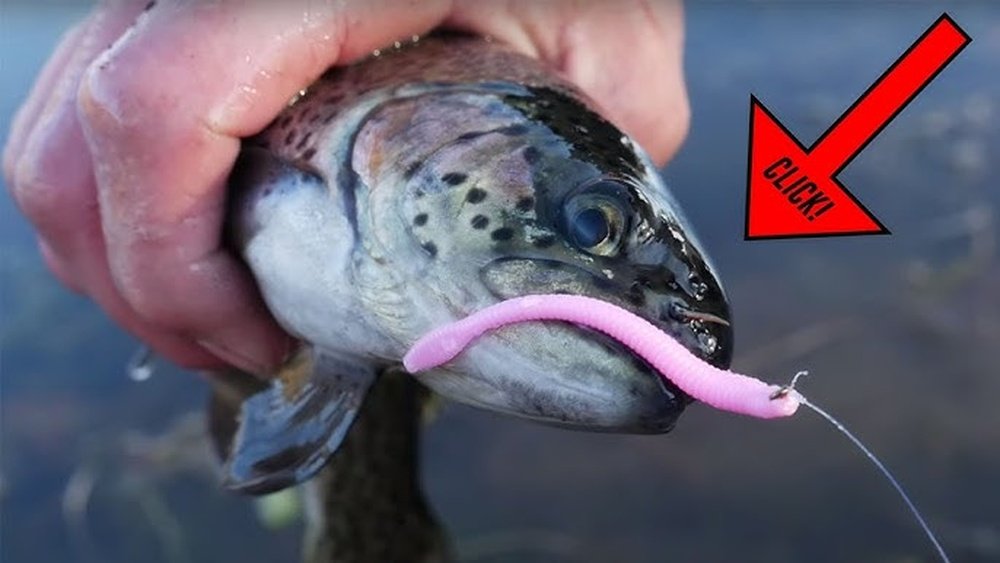
Are Maggots Effective Bait For Trout Fishing
For many anglers, choosing the right bait is the key to a successful day on the water. Trout are known for being picky, and their preferences can change with the season, water conditions, and even the time of day. While artificial lures and worms are classic choices, one natural bait often sparks debate: maggots. In this article, you’ll discover whether maggots are truly effective for trout fishing, how to use them correctly, and what practical details every angler should know before trying them.
What Makes Maggots Appealing To Trout?
Maggots are the larval stage of flies, typically the common bluebottle or housefly. Their natural movement and scent in the water can attract fish, especially in freshwater environments. Trout are opportunistic feeders. In the wild, they eat insects, larvae, and small invertebrates drifting in the current. Because maggots closely resemble these natural foods, they often trigger a trout’s instinct to bite.
Scent is another key factor. Maggots release subtle odors that trout detect even in murky water or low visibility. This natural appeal makes them stand out compared to some artificial lures that only rely on movement or color.
Comparing Maggots To Other Baits
Choosing maggots over other bait options depends on several factors: water temperature, trout species, and even local fishing regulations. Here’s a side-by-side look at how maggots stack up against other common baits:
| Bait Type | Effectiveness | Best Conditions | Cost |
|---|---|---|---|
| Maggots | High | Cooler water, spring/fall | Low |
| Nightcrawlers | High | All seasons | Medium |
| PowerBait (artificial) | Medium | Stocked lakes, still waters | Medium-High |
| Corn | Low-Medium | Clear, slow-moving water | Low |
Maggots are most effective during the cooler months and in moving water. They offer a strong scent and natural movement, making them a favorite in both rivers and streams. Nightcrawlers are more versatile but can be less durable. Artificial baits like PowerBait are convenient but sometimes lack the scent and feel of real food.
How To Rig And Use Maggots For Trout
If you’re new to fishing with maggots, rigging them properly is essential. A poorly presented bait can turn trout away, even if they’re interested.
Step-by-step Guide
1. Choose The Right Hook
Select a small, sharp hook (size 14–18) for maggots. The hook should be fine enough to keep the maggot alive and active.
2. Baiting The Hook
Thread one or two maggots onto the hook by piercing the thick end. This keeps them lively, which attracts more trout.
3. Leader And Line
Use a light leader (2–4 lb test) for clear water. Trout are line-shy and a heavy line can reduce bites.
4. Add Weight (if Needed)
If fishing in fast-moving water, add a small split shot about 12 inches above the hook. This keeps your bait near the bottom where trout feed.
5. Cast And Retrieve
Cast upstream and let the maggot drift naturally with the current. Keep the line tight and be ready to set the hook at the first sign of a bite.
Simple Rig Example
| Component | Recommended Option | Purpose |
|---|---|---|
| Hook | Size 16 barbless | Minimal harm, better presentation |
| Leader | 2 lb fluorocarbon | Invisible, sensitive |
| Weight | Small split shot | Holds bait near bottom |
When Are Maggots Most Effective?
Certain situations make maggots especially deadly for trout. Here are a few:
1. Early Spring And Late Fall
Water is cooler, and insects are limited. Trout are hungry and less selective, so maggots work well.
2. Stained Or Murky Water
The scent of maggots helps trout locate the bait when visibility is low.
3. After Rain
Flooded banks wash insects into the stream. Trout expect to find drifting larvae and respond aggressively to maggots.
4. Stocked Ponds And Streams
Stocked trout are used to eating pellets and unfamiliar with natural foods. Maggots mimic the right size and movement to trigger bites.
5. Slow Days
When trout ignore other baits, switching to maggots can make a difference, especially in pressured waters.
Credit: www.youtube.com
Advantages And Disadvantages Of Using Maggots
Like any bait, maggots have pros and cons. Understanding both helps you decide when to use them.
Advantages
- High Attraction: The scent and wriggling motion attract even cautious trout.
- Versatile: Effective in both rivers and still waters.
- Affordable: A small container lasts a long time.
- Easy to Store: Maggots can be kept alive in the fridge for weeks.
- Low Mess: Compared to worms, maggots are less slimy and easier to handle.
Disadvantages
- Short-Lived: Maggots can fall off the hook if not rigged carefully.
- Bait Theft: Small fish or chubs may steal maggots before trout bite.
- Regulations: Some areas ban live bait, including maggots.
- Limited Size: Larger trout may prefer bigger prey.
Tips For Keeping Maggots Fresh And Lively
Fresh maggots catch more trout. Here’s how to keep them in top condition:
- Store in Sawdust: Keeps them dry and prevents clumping.
- Refrigerate: Cool temperatures slow their development and keep them alive longer.
- Change Medium Regularly: Replace sawdust or bran every few days to avoid mold.
- Use Small Containers: Only take what you need for the day, so the rest stay fresh at home.
A common mistake is letting maggots get wet and overheat. Moisture makes them clump and die quickly. Always handle with dry hands and keep containers out of direct sunlight.
Credit: www.berkley-fishing.com
Are Maggots Safe And Sustainable For Fishing?
Maggots are generally safe, but there are a few things to keep in mind:
- Hygiene: Wash hands after handling. Maggots can carry bacteria from decomposing organic matter.
- Environmental Impact: Unlike invasive baitfish, maggots don’t disrupt ecosystems if lost in the water.
- Regulatory Compliance: Check local regulations before using maggots. Some protected waters do not allow live bait to prevent disease spread.
Using barbless hooks and releasing trout gently helps maintain healthy populations, especially when using live bait.
Common Mistakes Anglers Make With Maggots
Many beginners overlook small details that lower their catch rates with maggots:
- Overcrowding the Hook: Too many maggots can hide the hook point and reduce hook-ups.
- Letting Bait Sit Too Long: Maggots become inactive if left in the water for extended periods.
- Ignoring Water Temperature: Maggots work best in cool water. In warm, slow water, trout may ignore them.
- Not Adjusting Depth: Sometimes trout feed mid-water, not just on the bottom. Adjust your rig as needed.
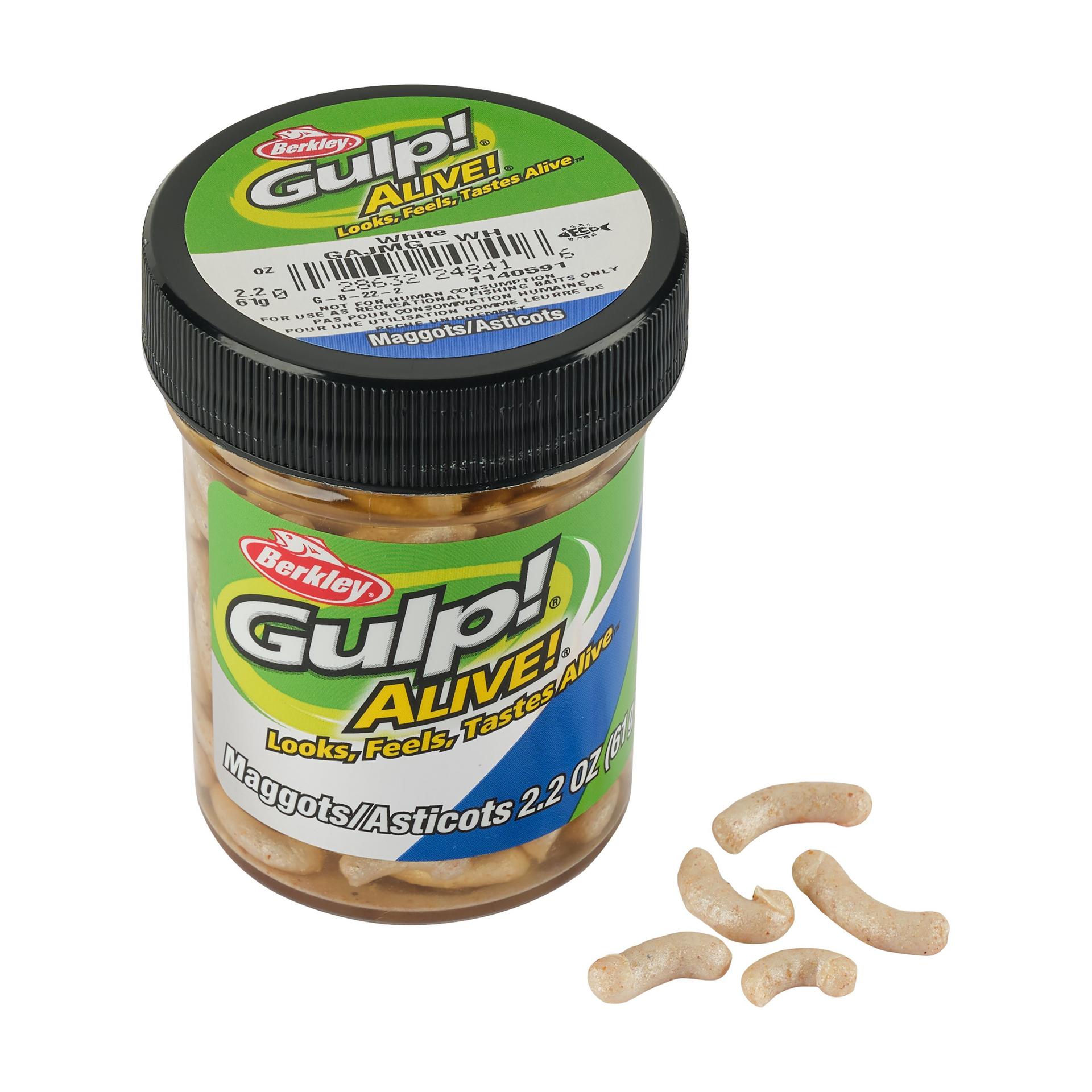
A non-obvious tip: Experiment with colored maggots. Dyes are available that turn maggots red, orange, or even green. Sometimes these colors outfish plain white, especially in murky water.
Credit: addicted.fishing
How Do Maggots Compare For Wild Vs. Stocked Trout?
Wild trout and stocked trout have different feeding patterns, which affects bait choice. Stocked trout are often raised on pellets and may bite out of curiosity, while wild trout are more cautious and selective.
| Trout Type | Response to Maggots | Best Approach |
|---|---|---|
| Wild Trout | Good (especially in spring/fall) | Natural drift, light tackle |
| Stocked Trout | Excellent (often less wary) | Slow retrieve, multiple maggots |
Wild trout may require a more subtle presentation and lighter line, while stocked trout can be less cautious and strike more aggressively at maggots.
Regulations And Ethical Considerations
Before fishing with maggots, always check the local rules. Some states or fisheries have specific bans on live bait to protect native species or limit disease transmission. For example, many catch-and-release streams in the US prohibit maggots and other live baits.
Ethically, using barbless hooks and practicing quick catch-and-release helps keep trout populations healthy. If you plan to eat your catch, maggots are a clean bait that doesn’t taint the flavor of trout flesh.
For the latest rules, consult your state’s fish and wildlife website, such as the US Fish & Wildlife Service.
Practical Insights Most Anglers Miss
- Maggot Sacks: Some anglers use small mesh sacks filled with maggots. These create a slow-release scent cloud that draws trout from a distance. It’s especially useful in deep pools or slow rivers.
- Mixing Baits: Pairing a maggot with a small piece of worm or artificial lure can increase bites, especially when trout are wary.
- Micro-Jigging: Threading a maggot onto a tiny jig head and bouncing it along the bottom can trigger strikes from larger, cautious trout.
Final Thoughts
Are maggots effective bait for trout fishing? The answer is a strong yes. Maggots are natural, versatile, affordable, and deadly in the right conditions. They shine during cool weather, in moving water, and when trout are feeding on small insects.
While there are some drawbacks—such as bait theft by small fish and regulatory limits—their advantages often outweigh the cons.
Learning to rig and present maggots properly, adapting to water conditions, and keeping them fresh are the secrets to consistent success. Whether you’re a beginner or a seasoned trout angler, maggots deserve a spot in your bait box.
Frequently Asked Questions
Are Maggots Legal Bait For Trout Everywhere?
No, maggots are not legal everywhere. Many states and fisheries have restrictions on live bait, especially in wild trout streams or catch-and-release waters. Always check the current regulations before fishing with maggots.
How Long Can I Keep Maggots Alive For Fishing?
If kept in a cool, dry place—ideally in the refrigerator—maggots can stay alive for up to three weeks. Change the bedding (sawdust or bran) every few days to prevent mold.
Do Colored Maggots Work Better Than White Ones?
Sometimes, yes. Colored maggots (red, orange, green) can attract more attention in stained water or on days when trout are less active. It’s worth experimenting to see what works best in your location.
Are Maggots Better For Wild Or Stocked Trout?
Maggots are effective for both, but stocked trout often respond more aggressively since they’re less experienced with natural food. Wild trout may require a lighter presentation and more careful rigging.
Can I Catch Big Trout With Maggots, Or Only Small Ones?
Big trout will eat maggots, especially when natural insects are present. However, larger trout sometimes prefer bigger baits. Try using multiple maggots or pairing with a small worm to target trophy fish.