Waverly Lake Albany Oregon Fishing
If you’re searching for a relaxing spot to fish in Oregon’s Willamette Valley, Waverly Lake in Albany is a quiet gem. Many local anglers know this 20-acre lake for its easy access and peaceful setting. Whether you’re new to fishing or a seasoned pro, Waverly Lake offers a variety of fish, simple shore access, and a family-friendly environment. But fishing success here isn’t just about casting your line—it helps to know what’s in the water, when to go, and how to fish the lake properly. This guide covers everything you need to enjoy a productive day at Waverly Lake, from what you’ll catch to the best techniques, rules, and practical tips.
About Waverly Lake
Waverly Lake sits on the east side of Albany, Oregon, just off Interstate 5. The lake is actually a former gravel pit, now managed by the city as a public park. Its location makes it a popular stop for both locals and visitors.
The lake is oval-shaped, with a paved walking path circling the water and grassy park areas nearby.
The water is mostly still, with little current, which makes it perfect for beginners. The lake is shallow around the edges but gets deeper in the center, reaching about 10-12 feet at its deepest point. There’s a large fountain in the middle, which helps keep the water oxygenated.
Waverly Lake is best known for being regularly stocked with rainbow trout by the Oregon Department of Fish and Wildlife (ODFW). But it’s not just trout—other warmwater fish live here too, offering variety for anglers all year.
Fish Species In Waverly Lake
Waverly Lake holds several different fish species, giving you options no matter the season. Here’s what you can expect to catch:
| Fish Species | Best Season | Common Size |
|---|---|---|
| Rainbow Trout | Spring, Fall | 10-14 inches |
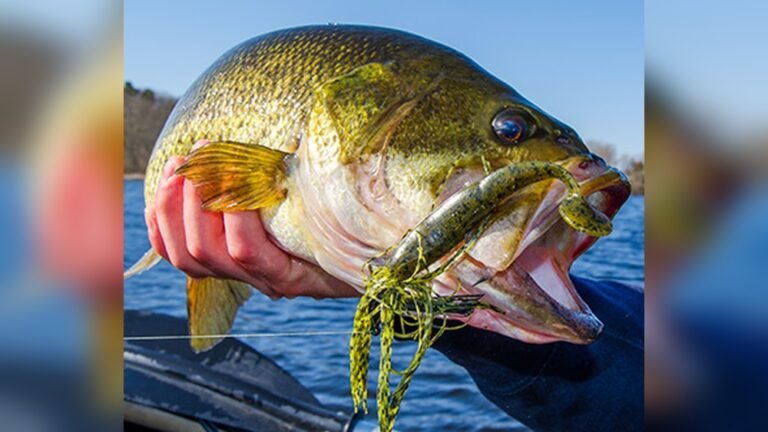
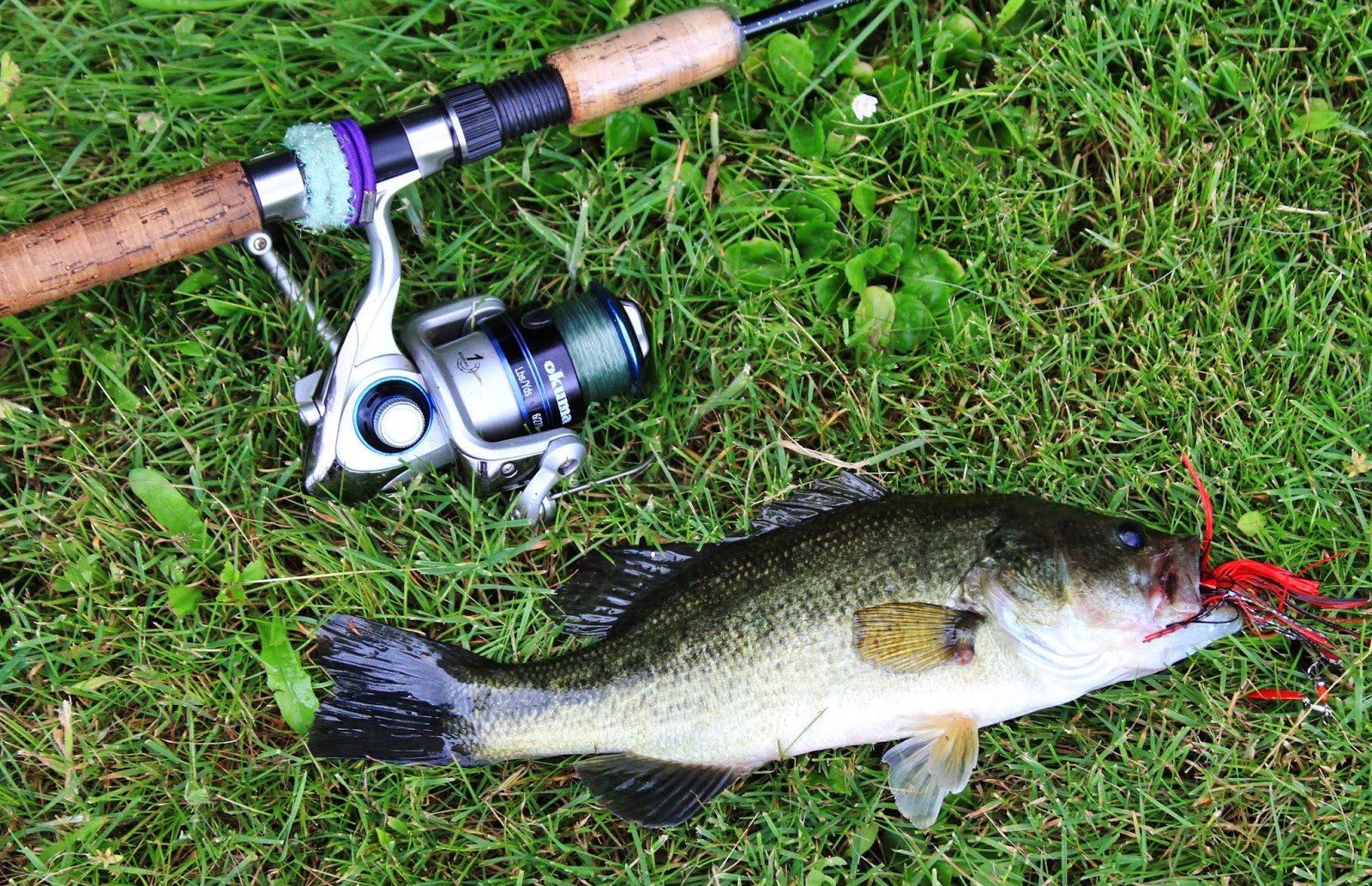
| Largemouth Bass | Late Spring – Summer | 12-16 inches |
| Bluegill | Summer | 6-8 inches |
| Channel Catfish | Summer | 12-18 inches |
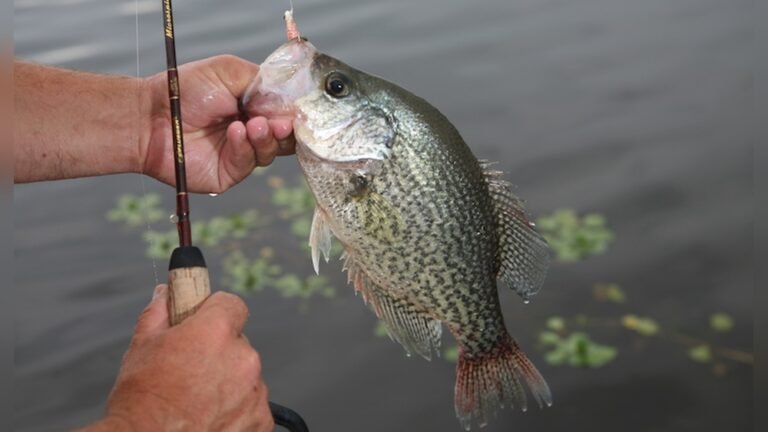
| Crappie | Spring, Summer | 8-12 inches |
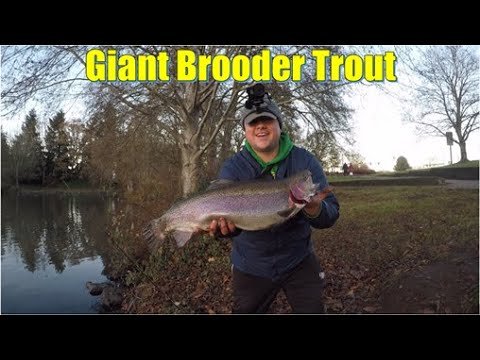
Rainbow trout are the main attraction and are heavily stocked. In 2023, ODFW stocked over 8,000 trout here, with most fish released in spring and fall. The other species, such as largemouth bass, bluegill, catfish, and crappie, are self-sustaining populations that offer good action, especially in warmer months.
Many beginners overlook the warmwater fish, focusing only on trout. But in summer, when trout slow down, targeting bass or bluegill can give you steady bites and a fun experience.
Best Times To Fish Waverly Lake
Timing is key at Waverly Lake. Knowing when to fish can make the difference between a slow day and a full stringer. Here are the best times:
- Spring and Fall: These are peak seasons for rainbow trout. Stocking happens several times from March to May and again in September or October. Fish are active and close to shore just after stocking.
- Early Summer: Bass, bluegill, and catfish become active as water temperatures rise. Early mornings and late evenings are best.
- Midday in Summer: Fishing can slow down due to heat, but panfish like bluegill and crappie will still bite, especially under shade or near vegetation.
- After Rain Events: Trout can become more active when the water is cooler and there’s more oxygen. Try fishing the day after a rainstorm.
- Avoid Hot, Windy Afternoons: The lake gets crowded and fish are less active.
Most anglers miss the importance of checking the ODFW stocking schedule. If you plan your trip a day or two after a trout release, your chances of catching fish go way up. The stocking schedule is posted on the ODFW website and updated regularly.
Fishing Techniques And Tackle
How you fish Waverly Lake depends on what you want to catch. Here’s a breakdown of effective methods for each species:
Rainbow Trout
- Bait: PowerBait, nightcrawlers, and salmon eggs under a small bobber or on the bottom
- Lures: Small spinners (like Rooster Tails), spoons, or trout magnets
- Tackle: Light spinning rod, 4-6 lb line
Trout are often near shore after stocking. Cast parallel to the bank or into open water near the fountain. A sliding sinker rig works well for bottom fishing, while a bobber keeps bait above any weeds.
Largemouth Bass
- Bait: Live worms, soft plastic worms, or crayfish imitations
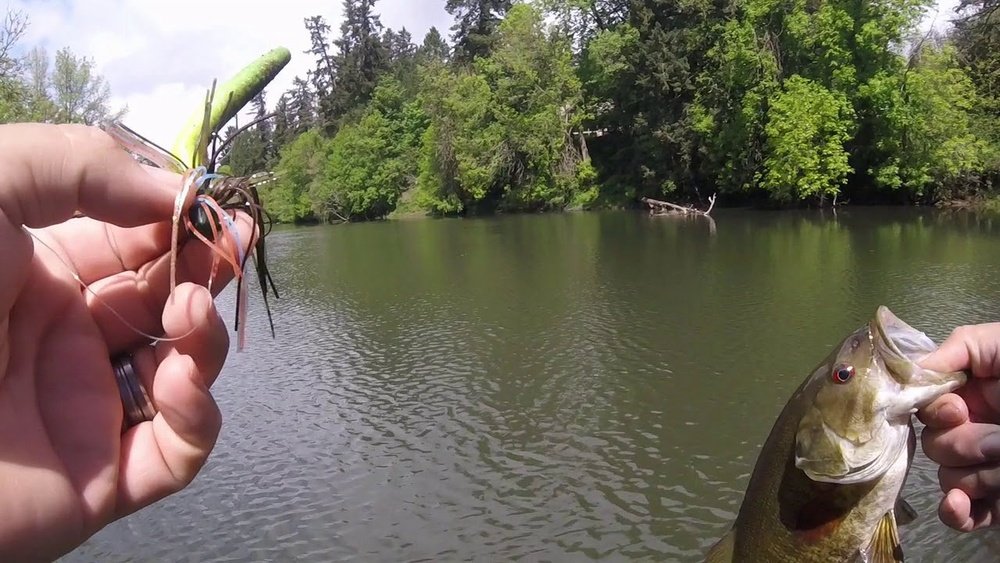
- Lures: Small crankbaits, spinnerbaits, or topwater frogs
- Tackle: Medium spinning or baitcasting rod, 8-12 lb line
Focus on fishing near docks, submerged logs, or the cattail edges. Early morning and late evening are best for bass.
Bluegill And Crappie
- Bait: Small pieces of worm or mealworm
- Lures: Tiny jigs or small spinners
- Tackle: Ultra-light rod, 2-4 lb line
Fish close to the bank, especially near overhanging trees or the shallow north end. Bluegill love sun-warmed water and will bite all day.
Channel Catfish
- Bait: Chicken liver, nightcrawlers, or commercial catfish bait
- Tackle: Medium rod, 10 lb line
Catfish like deeper water near the center or around dusk. Cast out and let your bait sit on the bottom.
Practical Tips
- Use a small sliding sinker for trout so they don’t feel resistance.
- Bring extra hooks and leaders; there’s some brush and snags.
- For kids, bobber fishing with worms for bluegill is almost foolproof in summer.
Where To Fish Around The Lake
Waverly Lake has several good spots for anglers. The entire shoreline is open, but some areas stand out:
- East Shore: Closest to the parking lot, easy access, good for trout and panfish.
- North End: Shallow and weedy, best for bluegill and crappie in summer.
- West Side: Shaded by trees, less crowded, good for bass and catfish.
- By the Fountain: Fish gather near the oxygenated water, especially after stocking.
Many people set up near the parking lot, but the west and north sides often see less pressure and can produce more fish, especially for bass and panfish.
Facilities And Accessibility
Waverly Lake is designed for convenience. Here’s what you’ll find:
- Parking: Large, free lot right by the lake
- Restrooms: Portable toilets (seasonal)
- Picnic Tables: Scattered around the walking path
- Playground: Small play area for children
- Walking Path: 0.7-mile paved loop, wheelchair accessible
- Boat Ramp: For small, non-motorized craft (kayaks, canoes, float tubes)
The lake is bank fishing only for most visitors, but you can launch a small boat if it doesn’t use a gas engine. This makes it easy for families, seniors, and those with limited mobility to enjoy a day by the water.
Credit: www.youtube.com
Fishing Regulations And Licenses
Oregon fishing rules apply at Waverly Lake. Here’s what you need to know:
- Fishing License: All anglers 12 and older must have a valid Oregon fishing license. One-day, multi-day, and annual licenses are available.
- Daily Trout Limit: 5 trout per person
- Bass, Panfish, Catfish: No size limit, but check ODFW regulations for current limits
- Gear Restrictions: Only one rod per person unless you buy a two-rod validation
- Bait: All common baits and artificial lures allowed
ODFW officers do check licenses, especially during trout season, so make sure you’re legal. You can buy licenses online or at local sporting goods stores.
Stocking And Conservation
The Oregon Department of Fish and Wildlife stocks Waverly Lake multiple times each year. Most trout are released from late February through May, then again in the fall. The fish are usually 10-12 inches, with some larger “trophy” trout in the mix.
Stocking keeps fishing good, but conservation matters too. Please:
- Only keep what you’ll eat
- Use barbless hooks if you plan to release fish
- Pick up trash and fishing line
Waverly Lake is also home to ducks, geese, and turtles. Respect wildlife and keep the area clean for everyone.
Common Mistakes And How To Avoid Them
Even experienced anglers sometimes struggle at Waverly Lake. Here are a few mistakes to avoid:
- Fishing Too Deep for Trout: After stocking, trout stay near the surface and close to shore. Fish shallow early in the season.
- Ignoring Other Species: Many people target only trout, but bass and bluegill offer steady action, especially in summer.
- Using Heavy Line: Light line catches more fish, especially trout. Thick line can scare fish away.
- Not Checking the Stocking Schedule: If you fish just after a stocking event, your catch rate will be much higher.
- Leaving Trash: Littering is a big problem. Bring a bag for your garbage.
A smart tip: If trout fishing is slow, switch to a small worm under a bobber for bluegill. You’ll often find steady bites and keep the day fun.
Comparing Waverly Lake To Other Local Lakes
Waverly Lake is one of several urban lakes in the Willamette Valley. Here’s how it stacks up against two other popular spots:
| Lake | Stocked Trout | Warmwater Species | Facilities | Accessibility |
|---|---|---|---|---|
| Waverly Lake | Yes (8,000+/year) | Bass, bluegill, catfish, crappie | Good (restrooms, playground) | Excellent (paved path, easy parking) |
| Timber-Linn Lake | Yes (3,000+/year) | Bass, bluegill, crappie | Basic (restrooms, picnic) | Good (close parking) |
| Freeway Lakes | Rare | Bass, bluegill, catfish | Minimal | Fair (dirt paths) |
Waverly Lake stands out for its frequent trout stocking, family-friendly park, and easy bank access. It’s especially good for beginners, seniors, and those who want a quick trip without a long hike.
Credit: ronborst.blogspot.com
Tips For A Great Fishing Trip
To make the most of your day at Waverly Lake, keep these practical tips in mind:
- Arrive Early: Beat the crowds, especially after trout stocking.
- Bring a Chair or Bucket: The shore is mostly grass and gravel.
- Watch the Weather: Overcast days can mean better fishing.
- Try Different Baits: If one isn’t working, switch it up.
- Bring Kids: Bluegill and trout are perfect for young anglers.
One detail many miss: The lake can get busy with walkers and paddleboats on weekends. If you want peace and quiet, visit on a weekday morning.
Frequently Asked Questions
How Do I Know When Waverly Lake Will Be Stocked With Trout?
Check the Oregon Department of Fish and Wildlife’s stocking schedule online. They update it weekly and often post signs at the lake. Timing your visit right after a stocking will increase your chances of catching trout.
Is Fishing At Waverly Lake Good For Beginners?
Yes, Waverly Lake is ideal for beginners. The shore is easy to access, the fish are often close to shore after stocking, and the park has all the basic facilities. Bluegill and trout are especially good targets for kids and new anglers.
What Bait Works Best For Waverly Lake?
For trout, PowerBait and nightcrawlers are very effective. For bass, try soft plastics or live worms. Bluegill love small pieces of worm under a bobber. Catfish prefer chicken liver or stink bait. Switching baits if you’re not getting bites is a smart move.
Do I Need A Fishing License To Fish At Waverly Lake?
Anyone age 12 or older needs a valid Oregon fishing license. Licenses are available online or at local stores. Special regulations or youth fishing events may sometimes allow kids to fish without a license—check ODFW for details.
Can I Use A Boat At Waverly Lake?
Only non-motorized boats like kayaks, canoes, and float tubes are allowed. Gas engines are not permitted. The boat ramp is small and meant for easy launching of light craft.
If you want more information on Oregon fishing regulations or stocking, visit the Oregon Department of Fish and Wildlife website.
Fishing at Waverly Lake in Albany, Oregon, is a relaxing and rewarding experience for all ages. With a little preparation and these tips, you’ll be ready to catch fish and enjoy your time on the water. Remember to respect the lake and share it with others so everyone can enjoy this local treasure for years to come.

Credit: www.statesmanjournal.com