Trout fishing is a favorite pastime for many people. It is fun and relaxing. But beginners often ask, “Do I need a weight for trout fishing?”
This question is important. The answer depends on how and where you fish. Let’s explore what a weight is and when you might need it.
What Is a Weight in Fishing?
A weight is a small heavy object. It is attached to the fishing line. Its main job is to help the bait or lure sink faster in the water.
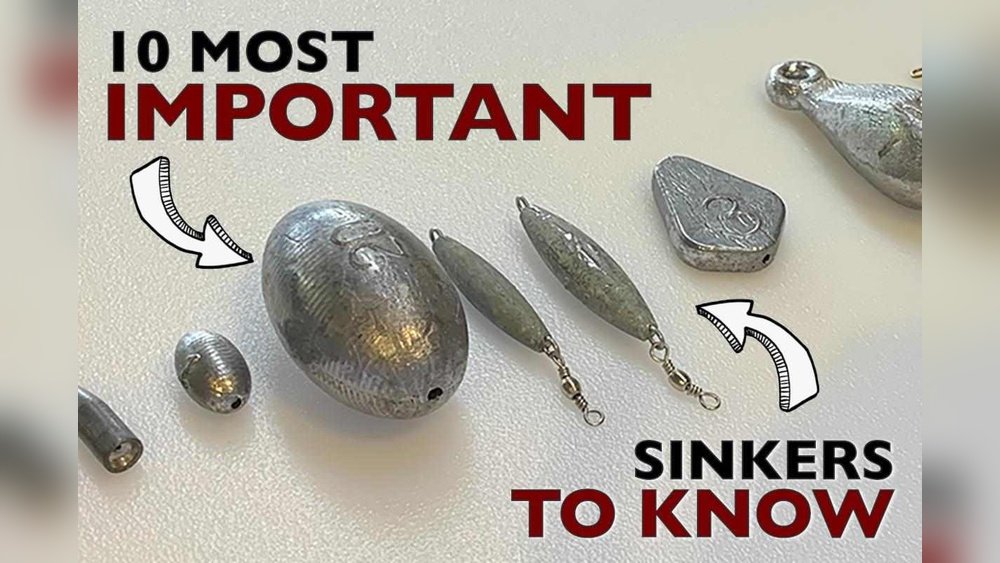
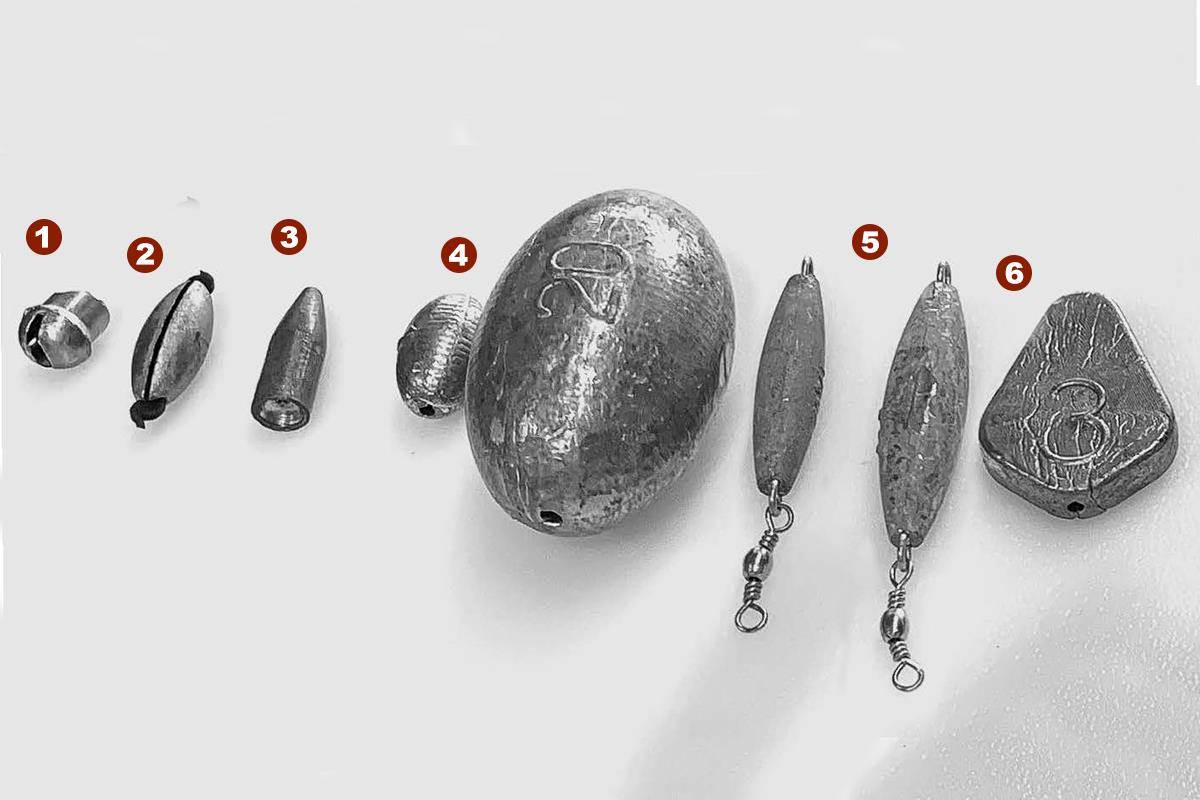
Weights come in different shapes and sizes. Some common types are:
- Split-shot: Small round weights that clip onto the line.
- Egg sinker: Oval-shaped weights that slide on the line.
- Bullet sinker: Pointed weights used for casting far.
Using a weight can help control where your bait goes. This can make catching trout easier.
Why Use a Weight for Trout Fishing?
Trout live in many types of water. They like rivers, streams, and lakes. Often, they stay in places where water moves fast.
In fast water, your bait can float away quickly. A weight helps keep the bait near the bottom or at the right depth.
Using a weight can also help in these ways:
- Cast farther: A heavier line is easier to throw far.
- Stay in place: Keeps bait from drifting with the current.
- Reach trout: Trout often stay deeper in lakes.
When Do You Need a Weight?
Not every trout fishing trip needs a weight. It depends on your gear and where you fish.
Here are some cases when weights help:
| Situation | Why Use Weight? |
|---|---|
| Fishing in fast rivers or streams | Weight keeps bait from floating away |
| Fishing with live bait or worms | Helps bait sink to trout’s level |
| Fishing in deep lakes | Reaches trout that stay deep underwater |
| Wanting to cast long distances | Weight helps throw line farther |
Credit: www.floridasportsman.com
When Not to Use a Weight
Sometimes weights are not needed. For example:
- If you use heavy lures like spoons or spinners.
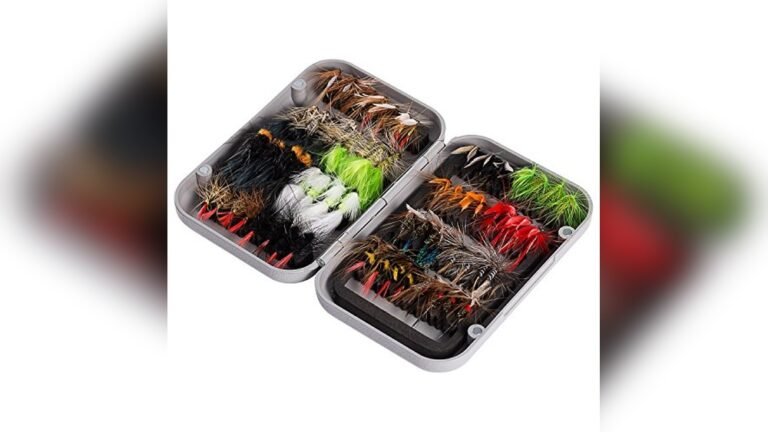
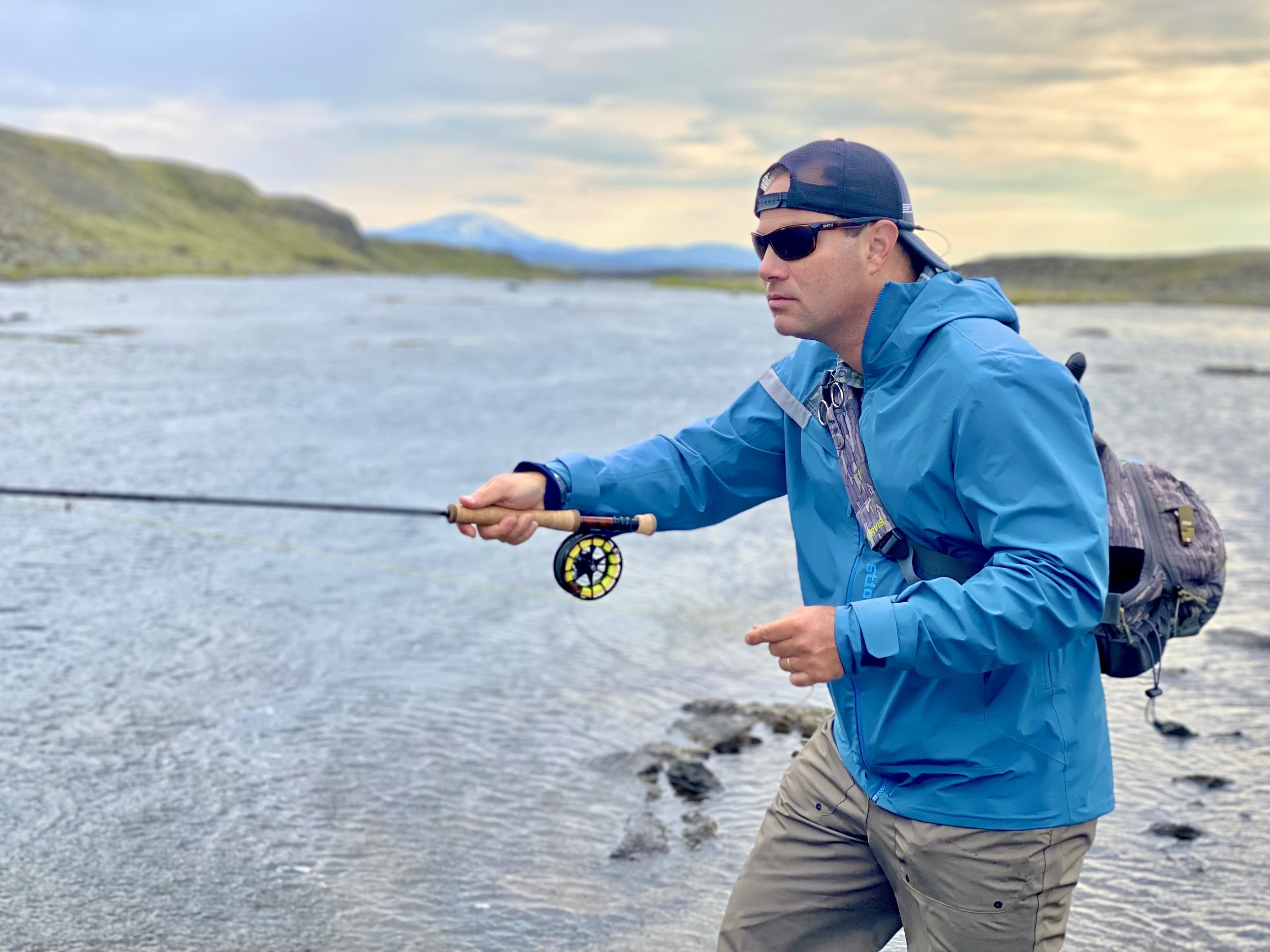
- If you fly fish with weighted flies or floating lines.
- If you fish in very shallow or calm water.
In these cases, the bait or lure sinks well on its own.
How Much Weight Should You Use?
Too much weight can scare trout away. It can also make your bait sit too still.
Too little weight means the bait will float too much. It may not reach the right depth.
Here are some tips for choosing weight size:
- Use small split-shot weights for light currents.
- Use sliding egg sinkers for bottom fishing.
- Start with light weights and add more if needed.
- Keep bait movement natural and easy for trout to bite.
Credit: www.troutandfeather.com
How to Attach a Weight?
Attaching a weight is simple. Here are two common ways:
- Fixed weight: Clip a split-shot about 6-12 inches above the bait. This keeps bait suspended.
- Sliding weight: Thread an egg sinker on the line before a small bead and the hook. This lets the fish take the bait without feeling the weight.
Try both ways and see what works best for you.
Other Tips for Better Trout Fishing
Besides using a weight, here are some tips to catch more trout:
- Use light fishing line. Trout can be shy and notice heavy lines.
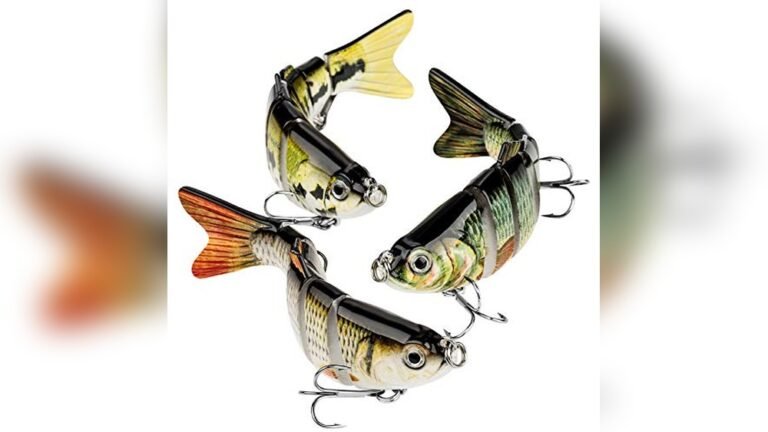
- Choose bait that trout like, such as worms, minnows, or artificial baits.
- Fish early morning or late evening when trout are more active.
- Watch for trout spots near rocks, logs, or shaded areas.
- Keep your casts quiet to avoid scaring trout.
Conclusion
So, do you need a weight for trout fishing? The answer is usually yes if you use bait or spinning gear. A weight helps your bait sink and stay where trout swim.
But if you use heavy lures or fly fish, you may not need extra weight. It depends on your fishing style and water conditions.
Start with a small weight and adjust as you learn. Watch how trout react and change your setup if needed.
With patience and practice, you will enjoy trout fishing more. And using the right weight will help you catch more fish.