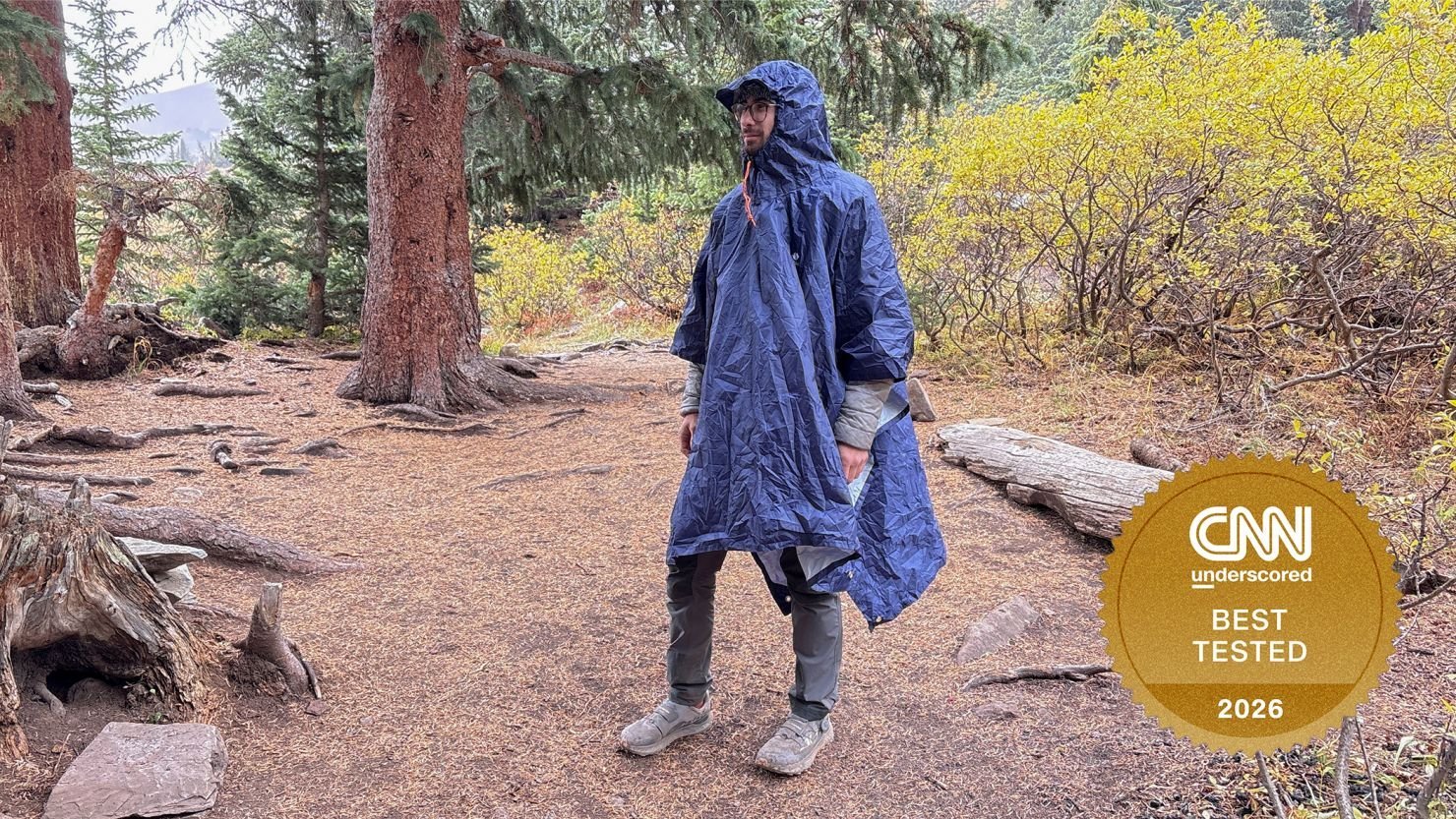
Finding the best rain poncho for hiking isn’t about picking the one with the most features, but matching your specific trail habits to the right build. Some hikers prioritize keeping a heavy pack dry, while others want a lightweight layer that packs into a pocket for emergencies. You should consider if you need extra room for gear, high-durability fabrics for rough brush, or simple breathability for warm, wet days. The choice usually splits between the ultralight, breathable options like the Ultra-lite2 Waterproof Poncho and the heavy-duty, multi-use designs like the Ripstop Nylon Poncho.
As an Amazon Associate, we earn from qualifying purchases. This post contains affiliate links – if you buy through them, we may earn a commission at no extra cost to you.
1. Ultra-lite2 Waterproof Rain Poncho

Best for: Hikers needing a lightweight, breathable emergency layer for warm climates.
This poncho uses a 100% polypropylene material that focuses on breathability. If you hike in humid areas, you know that keeping rain out is only half the battle; stopping sweat buildup is just as important. The inner layer is designed to feel soft against your skin, making it more comfortable than basic plastic covers during long walks.
It features a deep hood with adjustable cord locks and side snaps to keep the fabric in place when the wind picks up. Because it’s non-woven and PFAS-free, it’s built for repeated use rather than one-time trips.
Good if:
- You prioritize breathability in humid weather.
- You need something that packs away into a small stuff sack.
- You prefer a soft feel against your skin.
Skip it if:
- You carry a large backpack that needs full coverage.
- You need heavy-duty fabric for pushing through thick, thorny brush.
2. Heavy Duty Backpacking Poncho

Best for: Someone who wants a versatile piece that doubles as a shelter.
This poncho is made from PVC-coated polyester, which creates a tough barrier against heavy rain and strong winds. It’s designed for those who want a long-term solution that resists tearing. The hood includes a drawstring adjuster to keep water from sneaking in around your face during a downpour.
Beyond wearing it, you can use this piece as a flat camping blanket or prop it up as a sun shade. It weighs 11 oz and packs into a compact bag. It isn’t for someone who prioritizes extreme lightweight gear, as the PVC coating adds a bit more weight than thinner, non-coated alternatives.
Good if:
- You want a multi-use item for camp.
- You need a tear-resistant material for rough use.
- You want a simple, universal fit for different body types.
Skip it if:
- You’re counting every gram for a long-distance trek.
- You prefer a highly breathable fabric over a waterproof-heavy coating.
3. Zipper Raincoat Poncho

Best for: Hikers who want easy access to gear via integrated pockets.
This poncho stands out by including a zipper and pockets, which adds convenience when you’re on the trail. The fabric is OEKO-TEX certified polyester, ensuring it meets safety standards for sustainability. It uses heat-sealed seams to keep water out, providing coverage from your head down to your knees.
The design is intentionally roomy, making it easy to layer over a backpack or other clothing. It packs down into a color-matched pouch for storage.
Good if:
- You like having pockets for small trail essentials.
- You want a zipper for easier on-and-off access.
- You need a roomy fit for layering over gear.
Skip it if:
- You want the absolute simplest design possible.
- You prefer a heavier material for extreme bushwhacking.
4. Globotrekker Backpack Poncho

Best for: Hikers carrying a large pack who need full coverage.
The main feature here is an adjustable back extension that unfolds to cover your backpack. When you aren’t carrying your pack, you can button the extension up for a cleaner look. It’s built from 210T Terylene fabric, which is ultra-waterproof and weighs just 12.32 ounces.
It includes a drawstring hood and a zipped neck to keep the elements out. It’s meant for someone who wants to keep both their body and their gear dry without needing a separate rain cover.
Good if:
- You need to cover a backpack while hiking.
- You want a versatile, adjustable fit.
- You prefer a lightweight, compact design.
Skip it if:
- You aren’t carrying a backpack.
- You want a thick, heavy-duty material for extreme environments.
5. Ripstop Nylon Poncho

Best for: Someone who wants a rugged shelter and a reliable raincoat.
Constructed from 210T Ripstop Nylon with two layers of polyurethane coating, this is built for durability. The steel grommets in each corner allow you to tie it down, transforming it into a lean-to shelter or a ground cloth. It’s extra long, offering coverage past the knees for someone 6ft tall.
The hood is large enough to accommodate a baseball cap or a thick beanie underneath. It weighs 11 oz and folds into its own stuff sack.
Good if:
- You want a poncho that acts as a shelter.
- You need extra length for better leg coverage.
- You want a durable, rip-resistant fabric.
Skip it if:
- You want a lightweight, breathable poncho for daily use.
- You don’t need the extra bulk of a shelter-capable design.
Where These Overlap
Most of these ponchos prioritize being lightweight and packable, using synthetic materials like polyester, nylon, or polypropylene to keep the weight near the 11-12 oz mark. The Ultra-lite2 Waterproof Poncho and the Zipper Raincoat Poncho both emphasize breathability for active hikers. Meanwhile, the Heavy Duty Backpacking Poncho and the Ripstop Nylon Poncho focus more on rugged, multi-use capabilities. The choice often comes down to whether you want pockets and zippers, or a simpler, more robust shelter-style design.
Still Not Sure?
Do I really need a poncho for my specific hike?
If your hike is short and the weather forecast is clear, you might skip it. However, if you’re heading into the mountains where weather changes fast, you need reliable protection. The Ultra-lite2 Waterproof Poncho provides a lightweight, breathable safety net for any sudden showers.
Will my backpack stay dry under this?
Standard ponchos often leave packs exposed. If you carry a large pack, you need the extra fabric found in the Globotrekker Backpack Poncho. It features an adjustable back extension that unfolds specifically to keep your gear dry while you keep moving on the trail.
Should I prioritize durability or low weight?
This depends on your terrain. If you’re hiking through dense forests with thorns, you need the tear-resistant Ripstop Nylon Poncho. If you’re sticking to open, well-maintained paths, you can choose a lighter option like the Heavy Duty Backpacking Poncho to save weight in your pack.
Related guides
- 10 Best Sun Gloves for Hiking: Our Top Picks for Every Trail this year
- 10 Best Snow Pants for Hiking: Our Top Picks for Winter Trails this year
- 10 Best Hiking Pants for Tall Women: Our Expert Picks this year
Frequently Asked Questions
How do I maintain the waterproof coating on my gear?
Most manufacturers recommend hand washing with mild soap and air drying to preserve the DWR or polyurethane coating. The United States Environmental Protection Agency provides information on material safety and chemical coatings used in outdoor gear.
Can I wear a backpack under a standard poncho?
Only if the poncho is designed with extra room or a back extension. The Zipper Raincoat Poncho has an intentionally roomy fit that accommodates layers, while the Globotrekker Backpack Poncho includes a specific back flap for this purpose.
What is the advantage of ripstop fabric?
Ripstop fabric is woven with a special technique that reinforces the material to prevent small tears from spreading. If you snag your gear on a branch, the Ripstop Nylon Poncho is much less likely to develop a large hole than standard, non-reinforced materials.
How do I choose the right size?
Most hiking ponchos are one-size-fits-all, but you should check the width and length. The Ripstop Nylon Poncho offers a wide 54-inch span and is extra long, which is better for taller hikers or those needing more coverage, while the Globotrekker Backpack Poncho provides a specific circumference for a secure fit.
Conclusion
Ultimately, your comfort on the trail depends on how well your gear handles a sudden downpour. Don’t wait for the clouds to gather before you decide what works best for your needs. Take a look at your local weather forecast, grab the right layer, and you’ll be ready for your next adventure.