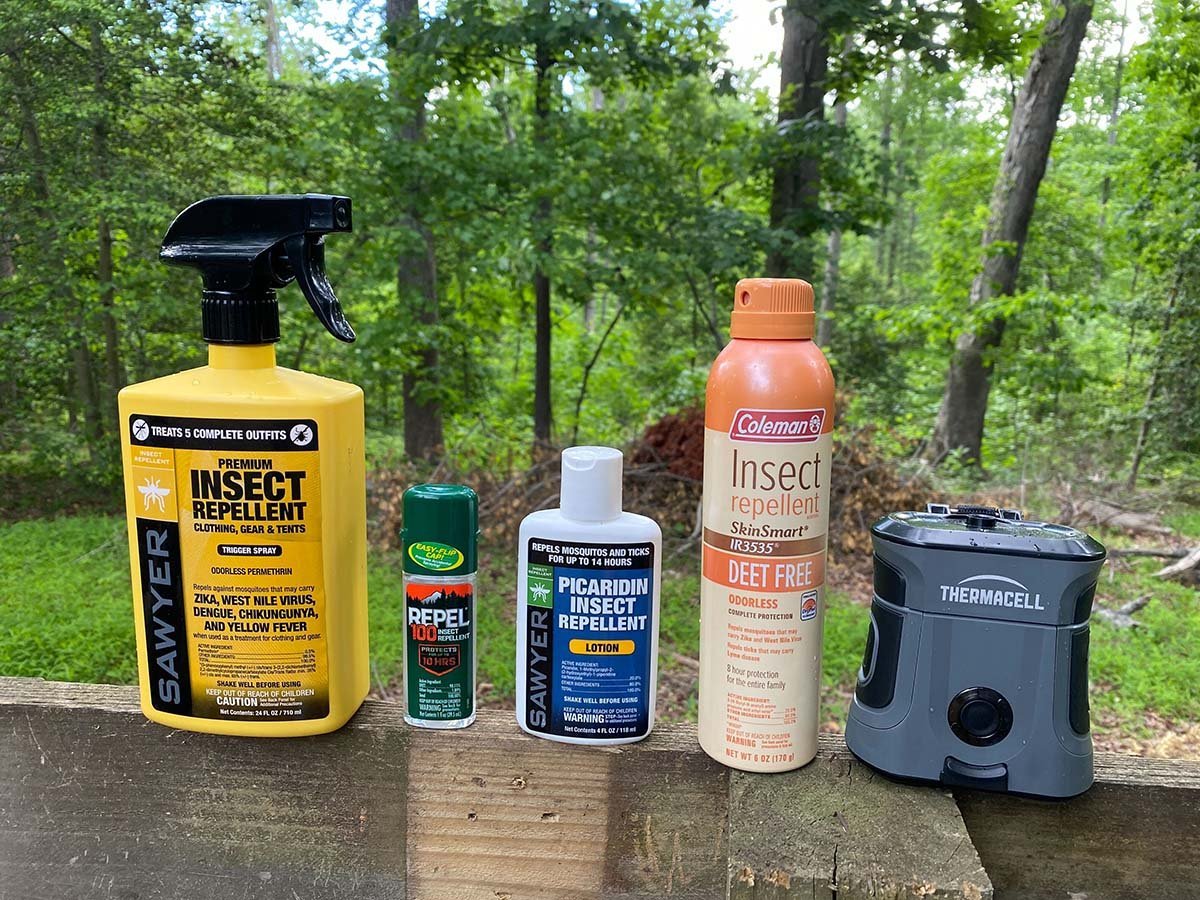
Choosing the best mosquito repellent for hiking depends on where you’re going, what gear you’re wearing, and how long you plan to be outside. If you need heavy-duty protection for deep woods, look at Repel 100; if you want something comfortable for daily wear, Sawyer Products Picaridin Lotion is a top choice.
As an Amazon Associate, we earn from qualifying purchases. This post contains affiliate links – if you buy through them, we may earn a commission at no extra cost to you.
1. Repel 100 Mosquito & Insect Repellent 4 Oz

Best for: Hikers facing severe insect conditions in deep or humid wilderness.
This product is formulated for those who need maximum strength protection. With 98.11% DEET, it provides a very high concentration of active ingredient designed to repel mosquitoes, ticks, gnats, and biting flies. It’s built for long-lasting use, offering up to 10 hours of protection so you can focus on your trail rather than the bugs.
The pump spray design makes it easy to carry in your pack. Because of the high DEET content, it’s best for people who prioritize function over comfort. It isn’t for those who prefer low-odor sprays or who worry about how strong chemicals might affect sensitive skin.
Good if:
- You’re heading into areas known for heavy insect infestations.
- You need protection that lasts for a full day of hiking.
- You want a compact bottle that fits easily in a daypack.
Skip it if:
- You have sensitive skin that reacts to high-concentration DEET.
- You prefer a product with a neutral or pleasant scent.
2. Sawyer Products SP564 Premium Insect Repellent with 20% Picaridin

Best for: Someone who wants long-lasting protection without a greasy feel.
This lotion offers a different experience than traditional sprays. It uses 20% Picaridin, which is fragrance-free and dries quickly on the skin. It’s designed to be comfortable to wear for long periods, whether you’re backpacking or just spending time in the park.
The formula is safe for use on many synthetic materials, meaning you don’t have to worry as much about it damaging your watch or sunglasses. It provides up to 12 hours of protection against mosquitoes and ticks. It isn’t the right choice for someone who strictly wants a plant-based or natural ingredient list.
Good if:
- You dislike the oily residue left by many other repellents.
- You need a formula that won’t damage your outdoor gear or clothing.
- You want a fragrance-free option that doesn’t smell like chemicals.
Skip it if:
- You specifically want a traditional DEET-based product.
- You prefer a spray bottle over a lotion application.
3. Sawyer Products SP657 Premium Permethrin Insect Repellent

Best for: Protecting your clothing, boots, and gear from ticks and insects.
This spray is unique because you apply it to your fabric, not your skin. It bonds to fibers for up to 6 weeks or 6 washings, adding a powerful layer of defense to your shirts, pants, and tents. It’s effective against more than 55 types of insects, including ticks that carry Lyme disease.
Because it’s meant for gear, it’s designed to be scent-free and won’t stain your fabrics. It’s an excellent partner to a skin-based repellent. This product isn’t for you if you only want a single product to apply to your body before you walk out the door.
Good if:
- You’re trekking through tall grass or brush where ticks hide.
- You want to reduce the likelihood of bites by treating your shoes and socks.
- You want a protective layer that lasts through multiple days of use.
Skip it if:
- You’re looking for a repellent to apply directly to your skin.
- You don’t want to spend time treating your clothes before your hike.
4. Cutter Lemon Eucalyptus Mosquito & Insect Repellent Spray

Best for: Hikers who prefer a plant-based active ingredient.
If you’re looking for a DEET-free option, this spray uses oil of lemon eucalyptus. It creates a barrier against mosquitoes, including those that may carry West Nile virus. It provides up to 6 hours of protection, which is ideal for shorter hikes or afternoon outings.
The spray has a fresh, clean scent rather than the chemical smell of high-DEET products. It’s designed to never feel oily or greasy on your skin. This may not be the best choice for a multi-day expedition where you need the longest possible protection window.
Good if:
- You prefer ingredients derived from plant sources.
- You want a fresh scent while you’re out on the trail.
- You need a lightweight option for shorter daily adventures.
Skip it if:
- You need protection that lasts for more than 6 hours.
- You’re traveling to a region with very high disease risks.
5. Ben’s Tick & Insect Repellent Wipes

Best for: Hikers who want a portable, mess-free way to reapply protection.
These wipes are ideal for someone who wants to travel light. Each wipe is soaked in a 30% DEET formula, providing up to 7 hours of protection against mosquitoes and ticks. The packaging is TSA-approved and fits perfectly in a small daypack pocket.
The water-based formula is free from alcohol and additives, keeping things simple. Since they’re wipes, you have precise control over where you apply the repellent, which helps avoid getting it in your eyes or on your gear. These aren’t for someone who covers a large surface area of skin and prefers the quick coverage of a large spray bottle.
Good if:
- You want to avoid the bulk and weight of a spray bottle.
- You want to reapply repellent easily while on the move.
- You need a reliable, rugged solution tested in harsh mountain environments.
Skip it if:
- You need to cover your entire body and prefer a wide-reach spray.
- You’re looking for an alternative to DEET.
Where These Overlap
Most of these products aim to stop the same common pests, including mosquitoes and ticks. The main overlap is in their goal to prevent insect-borne illnesses like West Nile or Lyme disease. If you’re choosing between a DEET-based spray and a Picaridin lotion, you’re mostly deciding between personal comfort and the strength of the formula. These are fundamentally different in how they feel on your skin, even if they both perform the job of keeping insects away.
Still Not Sure?
How often will I really use it?
If you hike every weekend in thick brush, treat your clothes with Sawyer Products Permethrin Spray to stop ticks before they reach you. If you only go out occasionally, a simple spray like Cutter Lemon Eucalyptus Spray is likely enough for your shorter trips.
What do I already own that this has to work with?
Check your gear. If you wear sunglasses or carry delicate synthetic gear, Sawyer Products Picaridin Lotion is your safest bet. It won’t damage plastics or coatings. If you don’t mind the chemicals, Repel 100 is highly effective for heavy infestations.
What am I most likely to regret choosing?
You might regret buying a large bottle if you only hike for a few hours. Ben’s Tick Repellent Wipes are better for small packs. If you hate sticky skin, avoid high-DEET sprays and stick to the non-greasy feel of Sawyer Products Picaridin Lotion.
Related guides
- Best Time Of Year For Hiking In San Francisco
- 10 Best Hiking Pants for Tall Women: Our Expert Picks this year
- 10 Best Clothes for Hiking Women: Our Expert Gear Picks this year
Frequently Asked Questions
Which repellent is best for avoiding Lyme disease?
To reduce the risk of tick bites, the Environmental Protection Agency recommends using products with DEET or Picaridin on your skin and treating your clothing with Permethrin. Sawyer Products Permethrin Spray is specifically designed to bond to fabric and keep ticks away from your gear.
Can I use these repellents on my children?
Always check the product label for age restrictions. Generally, Picaridin or lower-concentration DEET products are often preferred by families, but you must read the instructions on the specific bottle, such as Sawyer Products Picaridin Lotion, to ensure it’s suitable for your child’s age.
Does the repellent expire or lose effectiveness?
Most insect repellents remain effective if stored in a cool, dry place away from direct sunlight. The listing doesn’t mention storage requirements. Always check the packaging for a manufacture date or an expiration date provided by the brand.
Should I apply repellent over or under my sunscreen?
You should apply sunscreen first, let it dry, and then apply your insect repellent. This ensures the repellent stays on the surface of your skin.
Conclusion
If you’re heading into deep woods, pick Repel 100 for its long-lasting power; if you want a comfortable, non-greasy experience for regular hiking, choose Sawyer Products Picaridin Lotion. Check your local trail conditions, pack your gear, and stay safe.