
Many golfers over the age of 50 find themselves asking a simple but important question: What is the best golf ball for seniors? The right ball can make the game more enjoyable and help you play your best, no matter your skill level. As we get older, our swing speed often decreases, and our priorities shift toward comfort, feel, and maximizing distance. Choosing a golf ball is not only about brand or price—it’s about finding a ball that matches your style and needs.
Golf balls are not all the same. The best golf ball for seniors should offer a balance of distance, soft feel, and forgiveness. Many players don’t realize how much the golf ball affects their performance, especially as they age. In this guide, you’ll learn how to select the right ball, what features matter most, and get recommendations backed by data and real-world results.
Why Seniors Need Specific Golf Balls
Golf balls made for younger or advanced players often focus on spin and control. Seniors, however, usually benefit more from balls designed for distance and softness. As swing speeds decrease, the ball’s construction becomes more important.
Changes In Swing Speed
Research shows that the average swing speed for golfers over 60 is about 70–85 mph. Compare this to younger players, who often swing at 90–110 mph or more. Lower swing speeds mean less energy transferred to the ball. Senior-friendly balls are designed to help compensate, delivering more distance and higher launch.
Comfort And Feel
Many seniors have arthritis or joint issues. A soft golf ball can reduce harsh vibrations, making the game more comfortable. Softer covers and cores help the ball compress more easily, which is important for slower swings.
Forgiveness And Consistency
Golf balls with low compression and a two-piece design are more forgiving. They help reduce side spin and minimize the effects of off-center hits. This means straighter shots and less frustration.
Key Features To Look For
Not all golf balls marketed to seniors are truly senior-friendly. Here’s what actually matters:
1. Compression Rating
Look for a compression rating between 40 and 70. Lower compression balls are easier to compress at slower speeds, resulting in better distance.
2. Soft Cover Material
A surlyn or ionomer cover is durable and offers a soft feel. Some premium balls use urethane for extra spin, but seniors often benefit more from surlyn.
3. Two-piece Construction
Two-piece balls are ideal for seniors. They have a large core for distance and a simple cover for durability.
4. Visibility
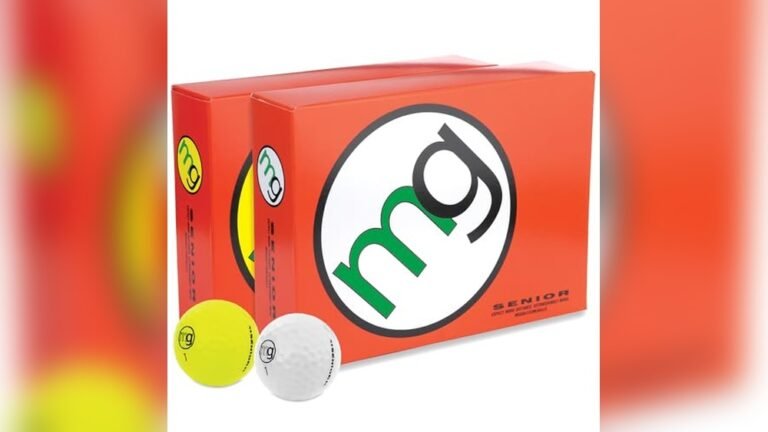
Bright colors (yellow, orange) help seniors see the ball easily on the course.
5. Price And Value
Seniors often play more frequently. Choosing a ball that is affordable and durable is important.
Comparison: Senior Golf Ball Vs. Standard Golf Ball
The following table shows how senior-specific balls differ from standard balls.
| Feature | Senior Ball | Standard Ball |
|---|---|---|
| Compression | Low (40–70) | Medium/High (70–100) |
| Construction | Two-piece | Three-piece or more |
| Cover Material | Surlyn/Ionomer | Urethane |
| Launch | Higher | Medium |
| Spin | Low | Medium/High |
| Durability | High | Medium |
| Price | Lower | Higher |
Top Recommended Golf Balls For Seniors
Golf balls are not “one size fits all. ” Here are five of the most popular and effective golf balls for seniors, each with its own strengths.
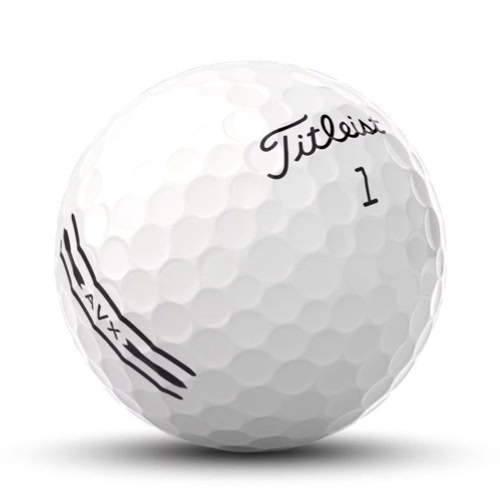
1. Titleist Dt Trusoft
This ball is known for its soft feel and low compression. It offers excellent distance and is forgiving for off-center hits. Its surlyn cover is durable and helps minimize spin, keeping shots straighter.
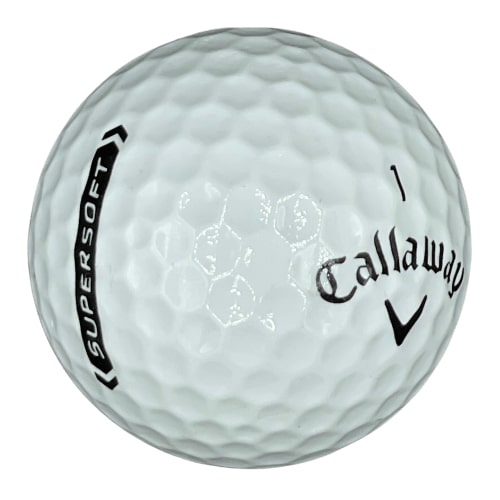
2. Callaway Supersoft
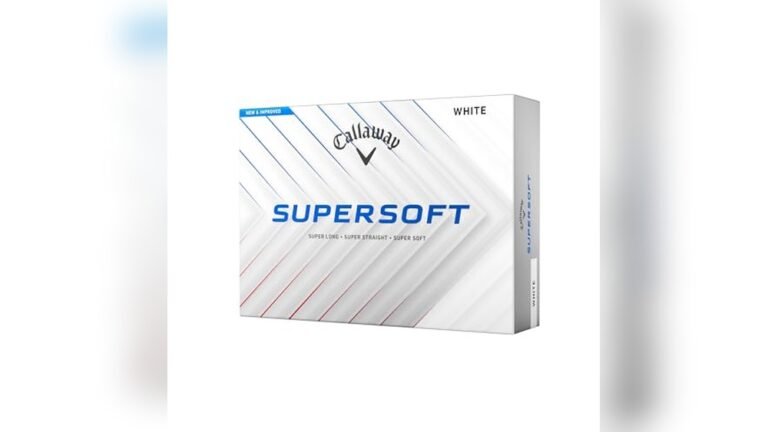
The Callaway Supersoft is a favorite among seniors for its low compression and ultra-soft core. It’s designed for maximum distance with slower swings. Available in bright colors for easy visibility.
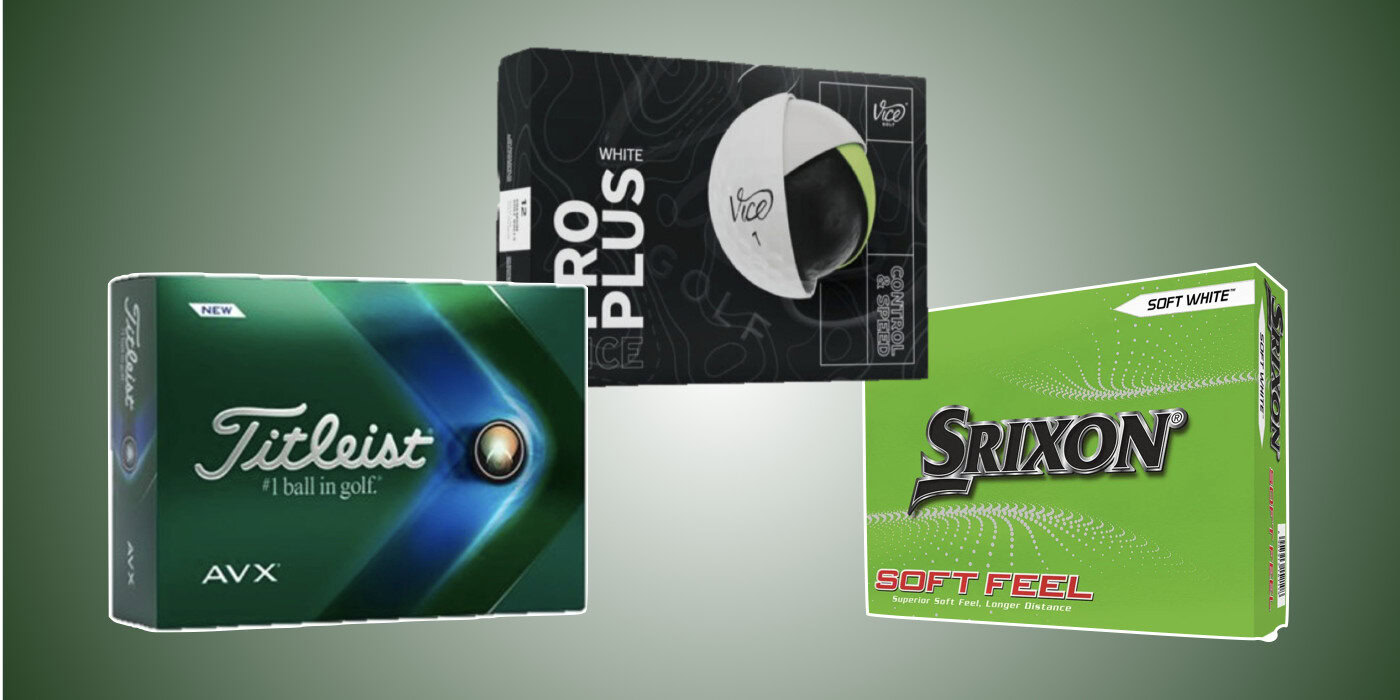
3. Srixon Soft Feel
Srixon Soft Feel has a compression rating of 60. It’s ideal for golfers who want both distance and a gentle touch around the greens. Its two-piece construction keeps it affordable and long-lasting.
4. Bridgestone E6
Bridgestone’s e6 ball is engineered for straight shots. Its low compression and anti-side spin technology reduce hooks and slices. Seniors who struggle with accuracy find it very helpful.
5. Wilson Staff Duo Soft+
Wilson Duo Soft+ is one of the lowest compression balls on the market (around 35). It’s extremely soft, making it comfortable for anyone with joint pain. It also delivers surprising distance for slower swings.
Credit: www.golfballplanet.com
Data: Senior Golf Ball Performance
A recent study tested golf balls with swing speeds under 85 mph. The results showed clear differences between senior-friendly balls and standard balls:
| Golf Ball | Average Distance (yards) | Compression | Spin Rate (rpm) |
|---|---|---|---|
| Titleist DT TruSoft | 195 | 60 | 3200 |
| Callaway Supersoft | 198 | 40 | 3100 |
| Srixon Soft Feel | 193 | 60 | 3300 |
| Bridgestone e6 | 190 | 50 | 3050 |
| Wilson Duo Soft+ | 199 | 35 | 3000 |
As you can see, Wilson Duo Soft+ and Callaway Supersoft deliver the most distance. All options have lower spin rates, which means straighter flight and less deviation.
How To Choose The Right Ball For You
It’s tempting to buy the most popular or expensive golf ball, but seniors should focus on their own needs and preferences. Here are some tips to help you decide:
Know Your Swing Speed
If you’re unsure about your swing speed, many pro shops can measure it for you. Most seniors fall below 85 mph. Balls with low compression work best for these speeds.
Test Different Balls
Try buying a sleeve (3 balls) of different brands. Play a round with each and note which feels best. Pay attention to:
- Distance
- Comfort on impact
- Accuracy
- Visibility
Don’t Chase Pro Tour Balls
Many seniors make the mistake of choosing balls played by professionals. These balls are designed for high swing speeds and advanced skills. They often lead to lost distance and less enjoyment.
Ask Other Seniors
Golf courses are full of experienced players. Ask what they use and why. You’ll get honest feedback and possibly discover hidden gems.
Credit: golfinsideruk.com
Advanced Insights: What Beginners Often Miss
Many new senior golfers overlook ball compression and cover material. They may not realize that a low compression ball compresses more easily, even with a slow swing. This leads to better energy transfer and more distance.
Another insight is that weather affects ball choice. In cold temperatures, even a soft ball can feel hard. Seniors may benefit from switching to an even lower compression ball during winter months.
Finally, visibility is more important than most people think. Losing sight of your ball can add strokes and frustration. Bright colors can make a big difference.
Common Mistakes When Buying Golf Balls
- Ignoring Compression: Picking a ball with too high a compression will reduce your distance and make the game less fun.
- Choosing “Tour” Balls: These are made for high-speed swings and offer more spin than most seniors need.
- Not Trying Before Buying: Buying a dozen balls without testing is risky. Always try smaller packs first.
- Overlooking Price: Seniors often play more golf. Durable and affordable balls are smarter choices.
- Skipping Visibility: Traditional white may be hard to see. Opt for yellow or orange, especially if your eyesight is less sharp.
Credit: golfinsideruk.com
Table: Price Comparison Of Senior Golf Balls
Here’s a look at average prices for popular senior golf balls (per dozen):
| Golf Ball | Average Price (USD) | Durability |
|---|---|---|
| Titleist DT TruSoft | $25 | High |
| Callaway Supersoft | $23 | High |
| Srixon Soft Feel | $22 | High |
| Bridgestone e6 | $26 | High |
| Wilson Duo Soft+ | $20 | Medium |
Practical Tips For Seniors
- Always check for low compression balls.
- Use bright-colored balls for better visibility.
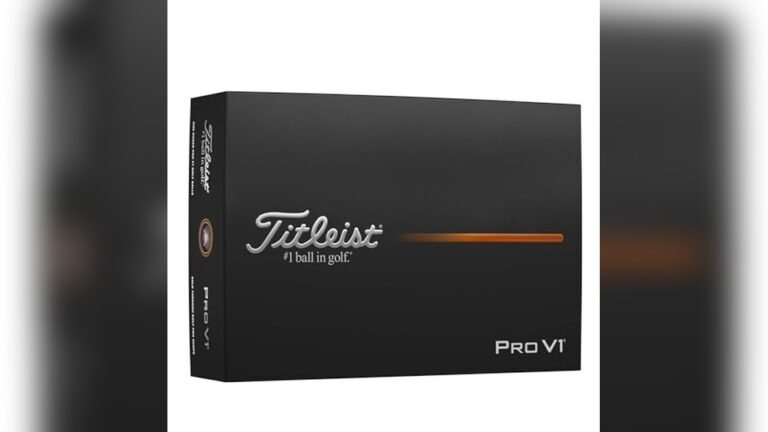
- Avoid balls with “Tour” or “Pro” in the name unless you know your swing speed matches.
- If you have arthritis, try the softest ball available.
- Buy in bulk when you find a ball you like—prices are usually better.
Frequently Asked Questions
What Compression Golf Ball Should Seniors Use?
Seniors should choose a ball with a compression rating between 40 and 70. This range fits most slower swing speeds and helps maximize distance.
Are Soft Golf Balls Better For Seniors?
Yes, soft golf balls compress more easily, offer better feel, and reduce harsh impact. This is ideal for seniors with joint issues or slower swings.
Do Colored Golf Balls Perform Differently?
Performance is the same, but colored golf balls like yellow or orange are easier to see. Visibility can make a big difference for seniors.
How Often Should Seniors Change Golf Balls?
Change balls when you notice cuts, scuffs, or loss of distance. Most senior balls are durable and can last several rounds unless damaged.
Can Seniors Use Premium Golf Balls?
Seniors can use premium golf balls, but most are designed for high-speed swings and advanced control. Senior-friendly balls often deliver better results and are more affordable.
Finding the right golf ball is a small change that can bring big improvements. If you focus on compression, feel, and visibility, you’ll play more confidently and enjoy the game longer. For more technical details, visit Wikipedia.
Golf is about enjoying yourself and making the most of every shot. With the right ball, seniors can keep playing their best and loving the game for years to come.