Golf is a game of skill, patience, and numbers. When you play, your score is more than just a number—it’s a reflection of your abilities, experience, and sometimes your nerves. Many new golfers ask, “What is a good golf score?
” The answer is not as simple as picking a number. It depends on your skill level, the course difficulty, and even the weather. Understanding what counts as a good golf score will help you set goals, track improvement, and enjoy the game more.
Let’s break it down in clear, practical terms.
Understanding Golf Scores
Golf scoring is based on how many shots it takes to finish a round, usually 18 holes. The fewer shots, the better. Par is the expected number of strokes set for each hole and for the entire course. Most courses have a par of 72 for 18 holes. If you finish in 72 shots, you’ve played “even par”—the standard benchmark.
But most golfers don’t play at par, especially beginners. Your score is simply the total number of strokes. Golfers aim to score below par (called “under par”) or at least close to it. If you shoot higher than par, you’re “over par.” Each level of golfer has a different idea of what is a good golf score.
What Is A Good Golf Score For Different Levels?
Golfers come in all skill levels. What’s considered good depends on your experience and ability. Here’s a clear breakdown:
Beginners
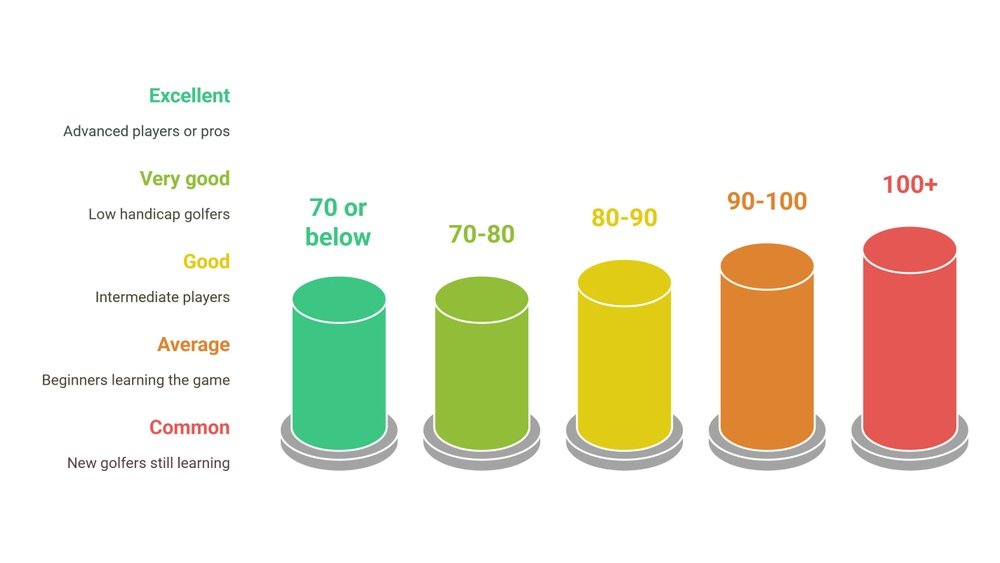
Most beginners struggle with consistency. They might score anywhere from 100 to 120 strokes on a par-72 course. For someone just starting, breaking 100 is often seen as a big achievement. If you score below 100, you’re doing well for a beginner.
Intermediate Players
Intermediate golfers have some experience and know the basics. They usually score between 90 and 100. For many, getting into the 80s (80–89) is the next big step. Consistently scoring in the 80s means you have developed solid skills.
Advanced Golfers
Advanced players, including club-level amateurs, often score in the 70s or low 80s. Shooting par (72) or below is the mark of a strong golfer. Many advanced amateurs aim to break par or at least stay close to it.
Professionals
Professional golfers usually score in the 60s and low 70s. In tournaments, scores like 67 or 68 are common. Anything above 72 is often seen as a poor round for a pro.
Here’s a simple comparison:
| Skill Level | Typical Score (Par 72) | What’s Good? |
|---|---|---|
| Beginner | 100–120 | Below 100 |
| Intermediate | 90–100 | 80s |
| Advanced | 70–80 | Par or below |
| Professional | 60–72 | Under par |
Factors That Affect What Is A Good Golf Score
A good golf score depends on more than your skills. Several factors change what counts as good:
Course Difficulty
Some courses are much harder than others. A championship course has longer holes, more hazards, and tricky greens. A local public course is often easier. A score of 85 on a tough course may be more impressive than a 78 on an easy course.
Weather Conditions
Wind, rain, and temperature affect your game. Strong winds can add strokes, while perfect weather helps lower scores. Professionals and serious amateurs often adjust their expectations based on conditions.
Equipment
Modern clubs and balls can help players hit farther and straighter. Using fitted equipment can make your score better. Beginners sometimes use borrowed or old clubs, which makes scoring lower more difficult.
Mental Game
Golf is about focus and confidence. Nerves or distractions can lead to mistakes. Staying calm helps you score better. Many players improve their scores by working on their mental approach, not just their swing.
Average Golf Scores Worldwide
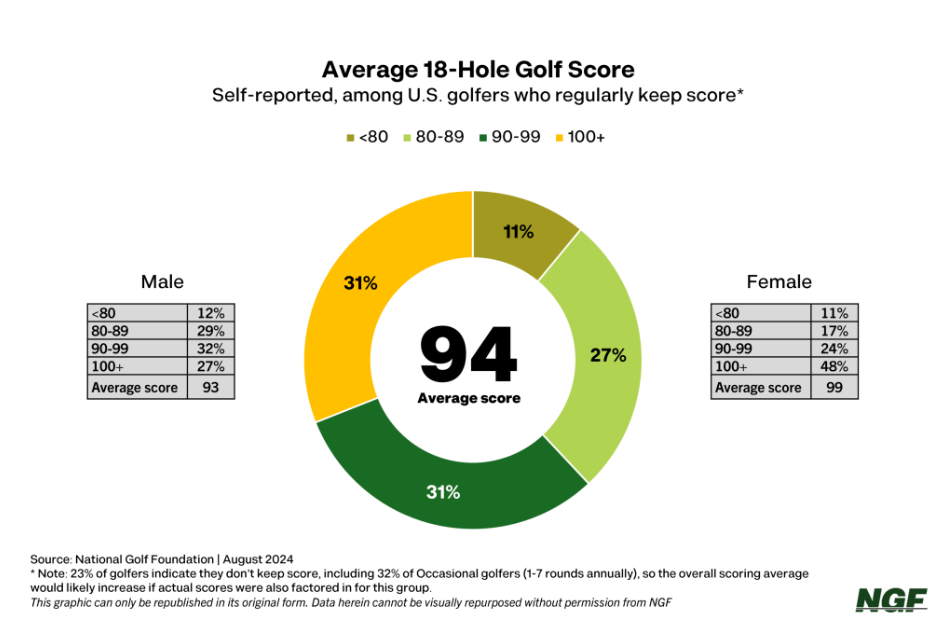
It’s useful to look at real data to see what most people score. According to the National Golf Foundation, the average score for amateur golfers in the US is about 100. This means most golfers are over par, and breaking 100 is a big milestone. Here’s a comparison of average scores:
| Group | Average Score |
|---|---|
| Amateur Men | 96–100 |
| Amateur Women | 106–110 |
| Professional Men (PGA) | 70–72 |
| Professional Women (LPGA) | 72–74 |
Looking at these numbers, you can see why breaking 100 is a common goal for amateurs. For women, breaking 110 is often a good target. Professionals are much closer to par, and their scores reflect years of practice and training.
How To Improve Your Golf Score
If you want to achieve a good golf score, improvement comes from several areas. Here’s how to make real progress:
- Practice Short Game: Most strokes happen around the green. Spend time on chipping and putting. Improving your short game can quickly lower your score.
- Work on Consistency: Try to hit the fairway and avoid hazards. Don’t always aim for distance; focus on accuracy.
- Track Your Progress: Keep a scorecard and note where you lose strokes. Are you missing putts or hitting into water? Knowing your weaknesses helps you fix them.
- Take Lessons: A coach can spot errors you don’t see. Even one lesson can make a big difference.
- Play Different Courses: Each course teaches you something new. Playing new layouts builds your skills and confidence.
- Use Technology: Apps and GPS devices help track shots and distances. Some apps analyze your swing and suggest improvements.
- Stay Positive: Golf is mental. Stay relaxed and confident, even after bad shots. Positive thinking leads to better scores.
A key insight: Most beginners focus only on driving distance, but lowering your score usually comes from improving your short game and mental focus.
What Is A Good Golf Score For 9 Holes?
Not everyone plays 18 holes. Many courses offer 9-hole rounds. The par for 9 holes is usually 36. A good score for beginners is under 50. For intermediates, breaking 45 is solid. Advanced players aim for 40 or below. Professionals often score in the mid to high 30s.
Here’s a quick comparison:
| Skill Level | Typical 9-Hole Score | Good Score |
|---|---|---|
| Beginner | 50–60 | Under 50 |
| Intermediate | 45–50 | Low 40s |
| Advanced | 35–40 | Under 40 |
| Professional | 32–36 | Under 36 |
Why Handicap Matters
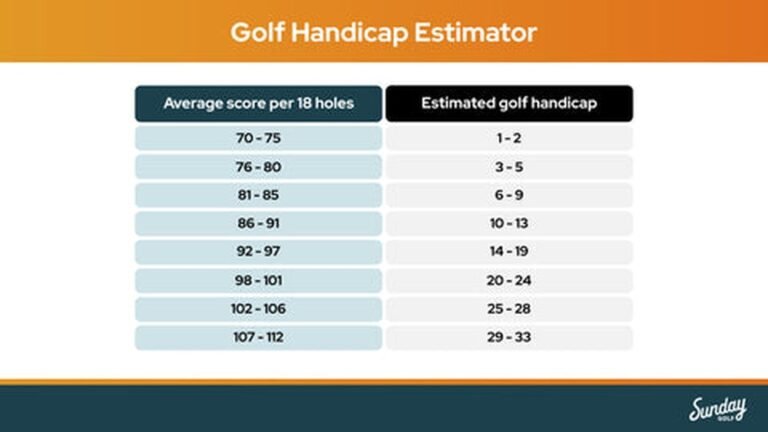
Golf uses a handicap system to measure your potential. Your handicap is a number that shows how many strokes above par you usually score. It lets players of different skill levels compete fairly. For example, if your handicap is 20, you usually shoot about 92 on a par-72 course. The lower your handicap, the better you are.
A good golf score for you is often your handicap plus par. If you beat your handicap, you’re improving. Many clubs use handicaps in competitions, so everyone has a fair chance to win.
Setting Personal Golf Score Goals
Instead of chasing a magic number, set goals based on your current ability. Here’s how:
- Track your scores for several rounds.
- Set a goal to lower your average by 2–5 strokes over the next month.
- Aim to break 100, 90, or 80 depending on your level.
- Celebrate small wins—like fewer three-putts or more fairways hit.
A non-obvious insight: Improvement is not always linear. Some days you may score worse, but over time, steady practice leads to lower scores.
Credit: www.deolax.com
Common Mistakes When Judging Golf Scores
Many golfers misunderstand what a good score means. Here are mistakes to avoid:
- Comparing yourself only to professionals. Remember, pros have years of training.
- Ignoring course difficulty. A score of 90 on a hard course may be better than 85 on an easy course.
- Focusing only on total score. Sometimes your improvement shows up in smaller areas, like fewer penalty strokes or better putting.
- Not tracking scores over time. One bad round doesn’t mean you aren’t improving.
How Scores Are Recorded In Golf
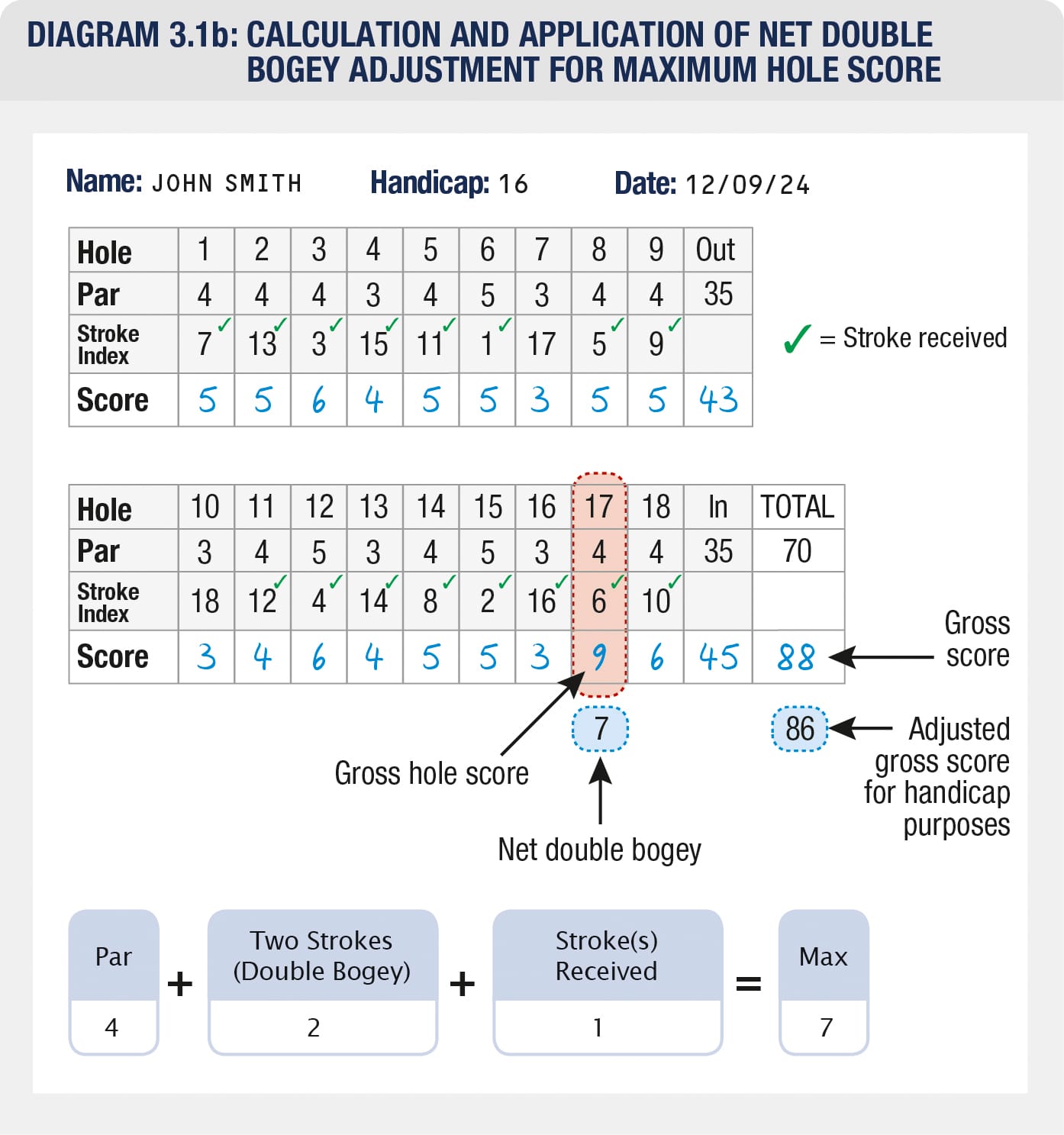
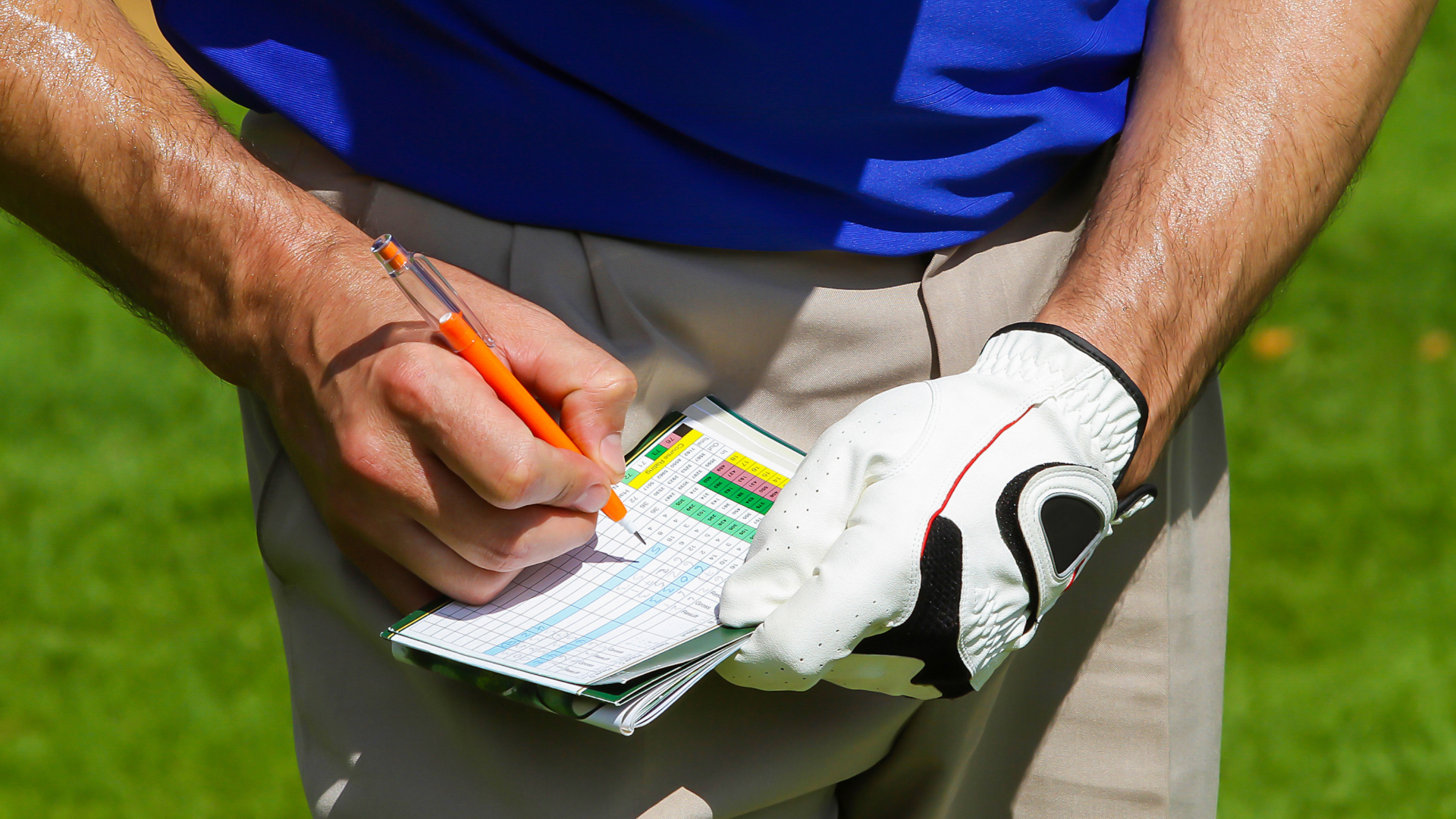
Scores are recorded after each hole. Most golfers use a scorecard. You write the number of strokes for each hole. At the end, you add up the numbers. In tournaments, scores are checked by others to prevent mistakes. Some clubs use digital apps to record scores.
Golf also uses special terms for scores on each hole:
- Birdie: One stroke under par
- Eagle: Two strokes under par
- Bogey: One stroke over par
- Double bogey: Two strokes over par
Knowing these terms helps you understand your progress and talk about your game with others.
Credit: teachme.to
The Role Of Golf Etiquette In Scoring
Golf is not just about numbers. Etiquette matters. Following proper behavior helps keep the game fun and fair. Here’s how etiquette connects to scoring:
- Don’t rush or distract others during their shots.
- Play at a steady pace to avoid slow play.
- Mark your ball and respect others’ lines on the green.
- Be honest with your score—integrity is key.
Etiquette ensures everyone enjoys the game and scores are trustworthy.
Frequently Asked Questions
What Is Considered A Good Golf Score For A Beginner?
A good score for a beginner is under 100 for 18 holes on a par-72 course. Many new golfers aim to break 100 as their first big goal.
How Does Course Difficulty Affect My Score?
Tougher courses have longer holes and more hazards. A score of 85 on a difficult course may be better than 80 on an easier one. Always consider course rating and slope.
What Is A Golf Handicap, And How Does It Relate To Scores?
A handicap shows your average number of strokes over par. It helps golfers compete fairly. Beating your handicap means you are improving.
Is Breaking 80 A Big Milestone In Golf?
Yes, breaking 80 is a sign of an advanced golfer. It means you are scoring well below the average and have strong skills.
Where Can I Find Official Golf Scoring Guidelines?
You can read the official rules and scoring guidelines on the USGA website, which sets standards for golf in the United States.
Golf scores tell your story on the course. Whether you’re aiming to break 100 or dreaming of par, knowing what counts as a good golf score helps you set realistic goals, measure improvement, and enjoy every round. Remember, every golfer’s journey is different.
Focus on your progress, play with integrity, and celebrate each step forward.
Credit: www.performancegolf.com