Have you ever looked at a golf scorecard and wondered what the “slope” number really means? If you’re trying to improve your game or understand your handicap better, knowing what slope means in golf is key.
It’s not just a random number—it tells you how challenging a golf course will be for you compared to a pro. Imagine having an insider’s tip that helps you prepare for each round, choose the right strategy, and play smarter.
Keep reading, and you’ll discover exactly how slope affects your game and why it matters every time you tee off.
Golf Slope Rating Basics
Slope rating shows how much harder a golf course is for an average “bogey” golfer compared to a “scratch” golfer. A bogey golfer usually scores about 20 over par, while a scratch golfer plays at par level.
The rating measures the course’s difficulty by looking at hazards, rough, and length. A higher slope means these elements make the course much tougher for less skilled players.
| Slope Rating Scale | Course Difficulty |
|---|---|
| 55 | Very Easy |
| 113 (Standard) | Average Difficulty |
| 130+ | Very Hard |
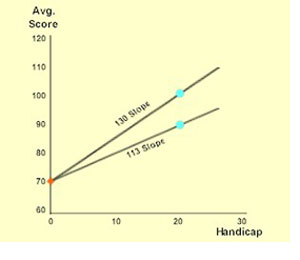
Credit: www.myscorecard.com
Course Rating Vs Slope Rating
Course Rating measures the difficulty for an expert golfer, known as a “scratch” player. It shows the expected score on a course for a scratch golfer under normal conditions.
Slope Rating shows how much harder the course plays for a “bogey” golfer compared to a scratch golfer. The higher the slope, the more challenging the course is for average players.
| Rating Type | What It Measures | Effect on Handicap | Example Value |
|---|---|---|---|
| Course Rating | Expected score for scratch golfer | Used to calculate handicap index | 72.5 |
| Slope Rating | Relative difficulty for bogey golfer | Adjusts handicap for course difficulty | 130 |
Calculating Slope Rating
The Slope Rating measures how much harder a golf course is for an average player than an expert. It considers many factors to find this number.
Hazards like bunkers, water, and trees make a course tougher. The more hazards, the higher the slope. The rough (long grass around the fairway) also adds difficulty.
Course length matters too. Longer courses are harder for most players, raising the slope rating. Shorter courses tend to have a lower slope.
| Factor | Effect on Slope Rating |
|---|---|
| Hazards (bunkers, water, trees) | Increase difficulty, raise slope |
| Rough (long grass) | Makes shots harder, raises slope |
| Course length | Longer course = higher slope |
Why Slope Matters For Handicaps
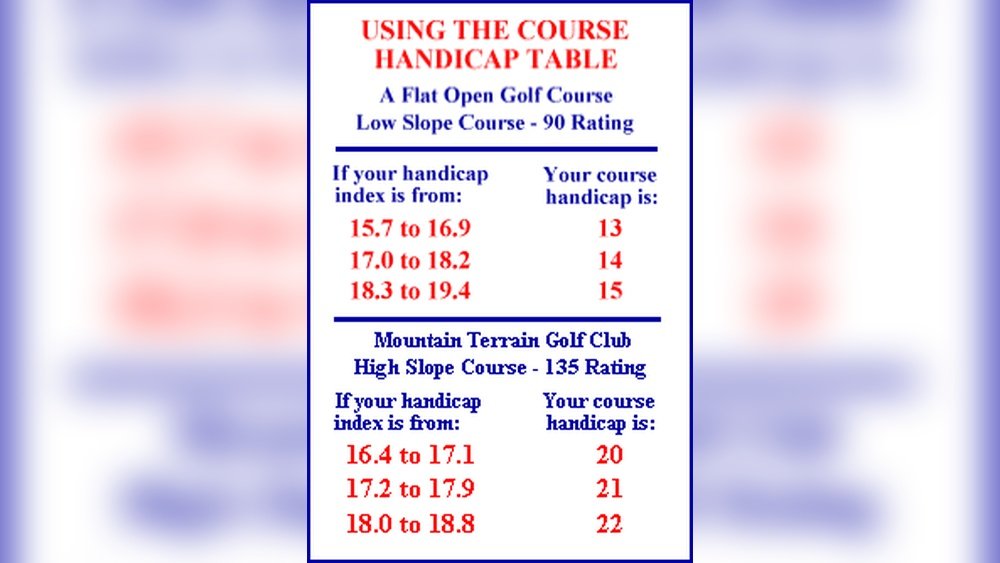
Slope rating shows how hard a golf course is for average players compared to experts. It helps adjust your handicap based on course difficulty. A higher slope means the course is tougher for most players, with more hazards, rough, and length to challenge you.
This rating allows golfers to compare scores from different courses fairly. Without slope, a score on an easy course might look better than one on a harder course, even if the effort was greater on the tough course.
Using slope, your handicap number changes to match the course’s challenge. This creates a true handicap that reflects your skill no matter where you play.
Practical Tips For Golfers
Choosing courses with lower slope ratings can help beginners enjoy the game more. These courses are easier and have fewer hazards. Playing on a course with a high slope means more challenges like rough areas and tough hazards. Skilled players handle these better, but average players may struggle.
On high slope courses, strategy matters more. Aim carefully and avoid risky shots near hazards. Plan each hole by considering the slope difficulty. Take more practice shots and think about your club choice. Patience helps reduce mistakes on tough courses.
Tracking progress with slope adjustments helps golfers see real improvement. Use your handicap index adjusted by the course slope. This gives a fair score comparison between different courses. Keep notes on how slope affects your scores to improve your play.

Credit: 18birdies.com
Common Misconceptions About Slope
Slope in golf does not measure how good a player is. It shows how hard a course is for an average player compared to an expert. A higher slope number means the course is tougher for less skilled players.
Many think slope tells about player skill. It does not. It only compares course difficulty. A beginner’s score will be affected more on a high slope course.
The slope number is different from how tough the course looks. A course may seem easy but have a high slope due to hazards and rough. This means average players will find it challenging.
Understanding slope helps players know how a course will affect their score. The number ranges from 55 to 155. Around 113 is average slope.

Credit: blog.thesocialgolfer.com
Frequently Asked Questions
Is A 140 Slope Rating Hard?
A 140 slope rating indicates a very challenging golf course for average players. It demands accuracy and skill.
What Does 120 Slope Mean In Golf?
A 120 slope in golf means the course is moderately challenging for an average bogey golfer compared to a scratch player. It indicates how much harder the course plays for less skilled golfers due to hazards and terrain. A higher slope means increased difficulty for average players.
Is A Slope Rating Of 125 Hard?
A slope rating of 125 indicates moderate difficulty for an average golfer. It is slightly tougher than the standard slope of 113. This rating means hazards and course challenges affect bogey golfers more than scratch players. It is not considered very hard but above average in difficulty.
Is Golf Good For Parkinson’s?
Golf can help Parkinson’s by improving balance, coordination, and mental focus. It encourages gentle exercise and social interaction.
Conclusion
Understanding slope in golf helps you gauge course difficulty better. It shows how much harder a course plays for average players. Higher slope means more challenges like hazards and rough areas. This rating affects your handicap and strategy on the course.
Knowing slope helps you prepare and enjoy the game more. Keep practicing and use slope to choose courses that fit your skill. Golf becomes clearer and more fun with this simple knowledge.