Many golfers, both beginners and experienced players, often wonder about the right hand to wear a golf glove on. This question may sound simple, but getting it right can improve your grip, comfort, and performance on the course. Knowing which hand to wear the glove on can help you avoid mistakes and enjoy your game more.
Let’s explore this topic in detail, including the reasons behind the tradition, practical advice, common exceptions, and some useful comparisons. By the end, you’ll know exactly what to do and why it matters.
Why Golfers Wear A Glove
Golf gloves are not just a fashion statement. They serve important functions for both pro golfers and casual players. Wearing a glove helps you get a better grip on the club, especially when your hands are sweaty or the weather is humid. Without a glove, the club can slip during your swing, leading to poor shots or even injuries.
Another key reason is protection. Repeated swings can cause blisters and calluses. A glove offers a layer of padding, keeping your hand safe. Many golfers also find that a glove gives them more confidence, knowing their grip is secure.
Which Hand Do You Wear A Golf Glove On?
This is the most common question for new golfers. The answer depends on whether you are right-handed or left-handed.
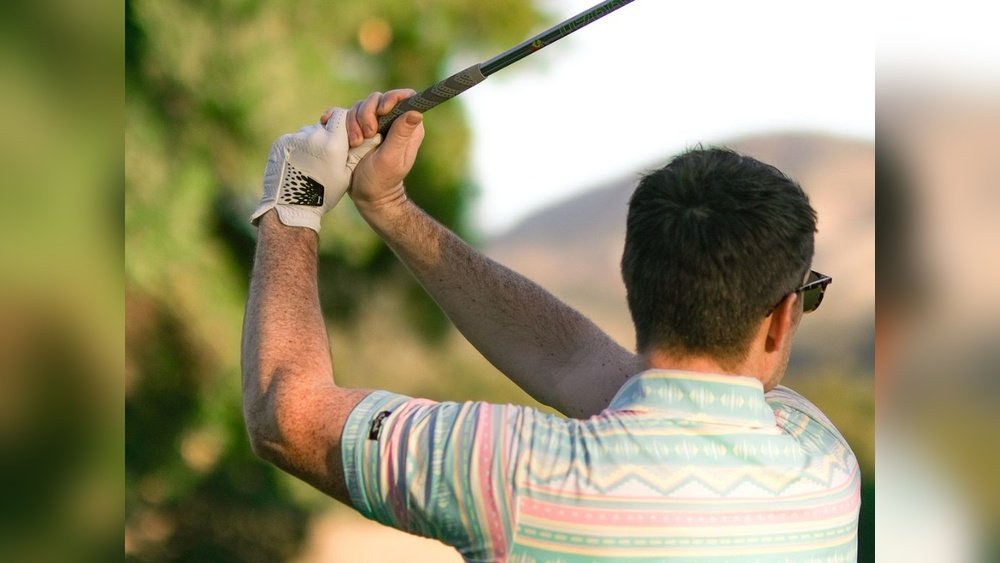
- If you are right-handed, you wear the glove on your left hand.
- If you are left-handed, you wear the glove on your right hand.
Why? In golf, your lead hand (the hand closest to the target) controls most of the grip and movement. For a right-handed golfer, the left hand is the lead hand. It guides the swing and needs extra support and friction.
The trailing hand (right hand for right-handed golfers) helps with power but does not control the club as much.
Here’s a quick comparison:
| Handedness | Gloved Hand | Reason |
|---|---|---|
| Right-handed | Left hand | Lead hand guides and controls the club |
| Left-handed | Right hand | Lead hand guides and controls the club |
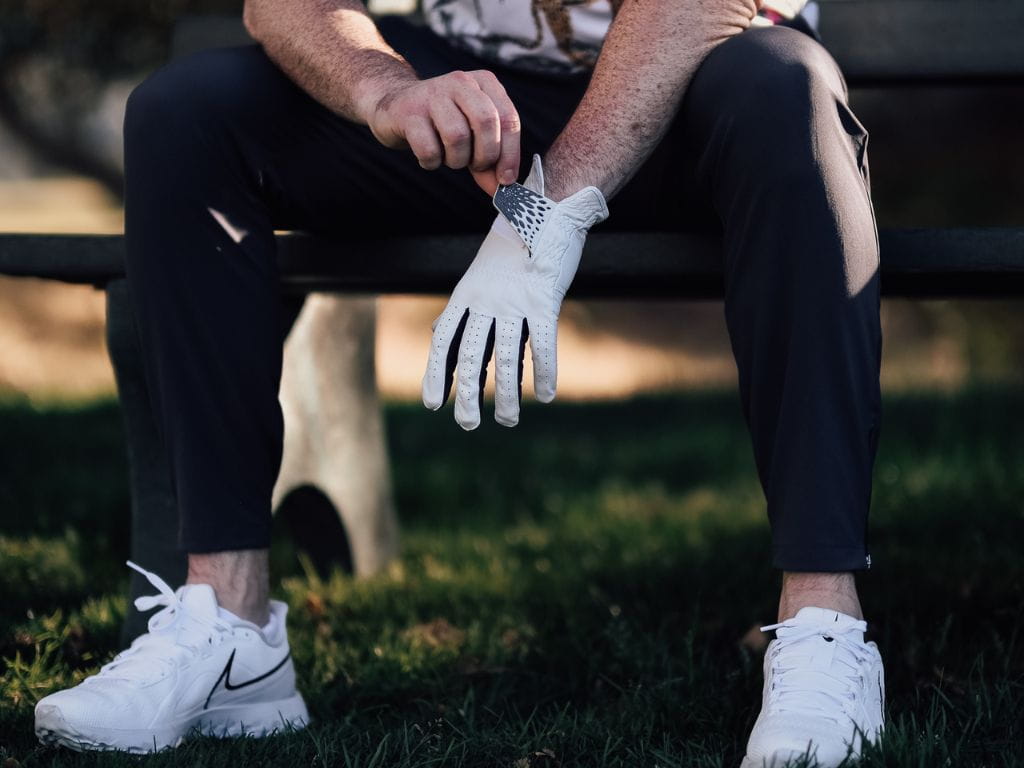
This tradition is followed by nearly all professional players. Look at any golf tournament, and you’ll see most golfers wearing one glove on their lead hand.
Credit: invictusgloves.com
How To Choose The Right Golf Glove
Picking the correct glove is not just about the hand. You need to consider fit, material, and weather conditions.
Fit
A golf glove should fit snugly, like a second skin. If the glove is too loose, it will bunch up and slip. If it’s too tight, it can cut off circulation and feel uncomfortable. Try several sizes and brands to find the best fit.
Material
Most gloves are made from leather or synthetic materials. Leather gloves are soft and offer excellent grip, but they wear out faster. Synthetic gloves last longer and handle moisture well. Some gloves combine both materials for balance.
Weather Conditions
If you play in hot or rainy weather, consider gloves designed for those conditions. Rain gloves have extra grip when wet. Winter gloves keep your hands warm but may be thicker.
Here’s a comparison between leather and synthetic gloves:
| Type | Grip Quality | Durability | Price |
|---|---|---|---|
| Leather | Excellent | Medium | Higher |
| Synthetic | Good | High | Lower |
Wearing Two Gloves: Pros And Cons
Some golfers try wearing gloves on both hands. This is rare, but there are reasons why you might see it.
Pros:
- Extra protection from blisters
- More warmth in cold weather
- May help beginners feel more comfortable
Cons:
- Reduced feel and touch of the club
- Less control during fine shots
- Looks unusual and is not common among pros
Professional golfers usually wear only one glove. They want maximum feel and control, especially for shots around the green. Wearing two gloves can make it harder to judge the clubface and swing.

Credit: mygolfspy.com
When Should You Remove Your Golf Glove?
Golfers often remove their glove for certain shots. Most players take the glove off for putting and sometimes for chipping. These shots need more touch and feel, and the glove can reduce sensitivity.
A study of PGA Tour players found that over 90% remove their glove before putting. The reason is simple: skin contact with the club gives better feedback and control. If you notice your glove feeling slippery or sweaty, it’s a good time to take it off and let your hand breathe.
Common Mistakes Beginners Make
Many new golfers make mistakes with gloves. Here are some to avoid:
- Wearing the glove on the wrong hand (trailing hand)
- Picking the wrong size (too tight or too loose)
- Wearing the glove for every shot, including putting
- Not changing gloves when they wear out
Another mistake is never cleaning the glove. Sweat and dirt can build up and reduce grip. Wash your glove gently with soap and water, and let it air dry. Avoid putting it in a dryer or leaving it in your golf bag when wet.
Practical Tips For Golf Glove Use
- Buy several gloves and rotate them during a round.
- Store gloves flat and dry to keep them in good shape.
- Try different brands; glove sizing varies.
- Replace your glove when it shows holes or loses grip.
- In humid weather, use a towel to dry your hands before putting on the glove.
Many golfers ignore these small tips, but they can make a big difference. For example, rotating gloves between holes keeps them dry and extends their life.
Why Grip Matters So Much In Golf
The grip is the foundation of every golf swing. If your grip slips, your shot can go in the wrong direction. Wearing a glove on the lead hand ensures a secure hold, especially during powerful swings. Data shows that most amateur golfers lose up to 10% of swing speed due to poor grip.
A glove helps keep your hand steady on the club, even when you sweat or play in the rain. This is why you rarely see top golfers without a glove on their lead hand. The combination of confidence and control is critical for consistent performance.
How Professionals Use Golf Gloves
Watching professional golf can teach you a lot. Almost all pros wear a glove on their lead hand. For example, Tiger Woods and Rory McIlroy are both right-handed and wear a glove on their left hand.
They remove the glove for short game shots, like putting, to get more feel. Pros also use new gloves often, replacing them as soon as they lose grip. Some carry multiple gloves in their bag, especially during tournaments with changing weather.
Here’s a simple breakdown:
| Player | Handedness | Gloved Hand | Glove Use |
|---|---|---|---|
| Tiger Woods | Right-handed | Left hand | Removes for putting |
| Phil Mickelson | Left-handed | Right hand | Removes for putting |
| Rory McIlroy | Right-handed | Left hand | Removes for putting |
How To Make Your Glove Last Longer
Golf gloves are not cheap. To save money and get the most out of your glove, follow these tips:
- Clean your glove regularly
- Let it dry after each round
- Store it flat, not crumpled
- Avoid wearing it for every shot
- Rotate between two or three gloves
If you play often, you may need to replace your glove every few weeks. Casual golfers can use one glove for several months if they take care of it.

Credit: riverlanding.com
Special Cases: Kids, Women, And Seniors
Choosing a golf glove is different for kids, women, and seniors. These groups often have smaller hands or need extra comfort.
- Kids: Look for gloves with flexible material and smaller sizes.
- Women: Women’s gloves are designed for smaller fingers and palms.
- Seniors: Some gloves offer extra padding for sensitive skin or arthritis.
In all cases, the rule about wearing the glove on the lead hand stays the same. Only the sizing and comfort features change.
Golf Glove Myths And Misconceptions
Some myths make golfers confused:
- “You must wear gloves on both hands.” Not true for most players.
- “Only beginners wear gloves.” Pros use gloves for grip and protection.
- “Gloves don’t help in the rain.” Special rain gloves are made for wet conditions.
Non-obvious insight: The choice of glove can affect your swing tempo. A poorly fitted glove may cause you to grip too tightly, leading to tension and slower swings.
Another insight: Some golfers with allergies or sensitive skin prefer synthetic gloves, as leather can cause irritation after long rounds.
Frequently Asked Questions
Which Hand Should A Left-handed Golfer Wear A Glove On?
A left-handed golfer should wear the glove on their right hand. This is the lead hand for a left-handed swing and controls the club.
Why Do Most Golfers Only Wear One Glove?
Golfers wear a glove on the lead hand for grip and control. The trailing hand needs more touch and feel, so it’s usually left bare.
Can I Wear A Golf Glove On Both Hands?
Yes, but it’s uncommon. Wearing gloves on both hands may reduce sensitivity and control. Most pros and amateurs wear only one glove.
How Often Should I Replace My Golf Glove?
Replace your glove when it shows holes, loses grip, or feels uncomfortable. Frequent players may need a new glove every month. Casual players can use a glove for several months if cared for properly.
Are There Special Gloves For Rainy Or Cold Weather?
Yes. Rain gloves offer extra grip in wet conditions, and winter gloves keep your hands warm. Choose gloves based on your local weather and playing style.
Golf is about small details. Wearing your golf glove on the correct hand is one of those details that can make your game smoother and more enjoyable. Remember, right-handed players use the left hand, left-handed players use the right hand. Choose the right glove for your needs, take care of it, and you’ll see the benefits in your performance. For more information about golf gear and tips, visit Wikipedia. The right glove is a simple tool that helps you play your best.