When you step onto a golf course scorecard, you might notice numbers labeled “CR” and “Slope” and wonder what they mean. Understanding the “CR Slope” on a golf course isn’t just for pros—it can actually help you play smarter and enjoy your game more.
These ratings reveal how tough a course really is, not just for expert players but for you too, no matter your skill level. If you want to know how challenging your next round might be or how your handicap adjusts depending on the course, learning about Course Rating and Slope Rating is key.
Keep reading, and you’ll soon see how this simple info can give you a real edge on the fairway.
Course Rating Basics
Course Rating measures the difficulty of a golf course for a scratch golfer. It shows the expected score for a player who can play at par level. The rating is given in strokes and usually ranges near the course’s par.
The Course Rating is determined by experts who analyze many factors. These include length, obstacles, green speed, rough height, and bunkers. Each hole is evaluated to create an overall rating for the course.
This rating helps adjust a player’s handicap. A higher rating means the course is harder, which can raise a player’s handicap. This system ensures fair competition among golfers of different skill levels.
Credit: www.golflink.com
Slope Rating Explained
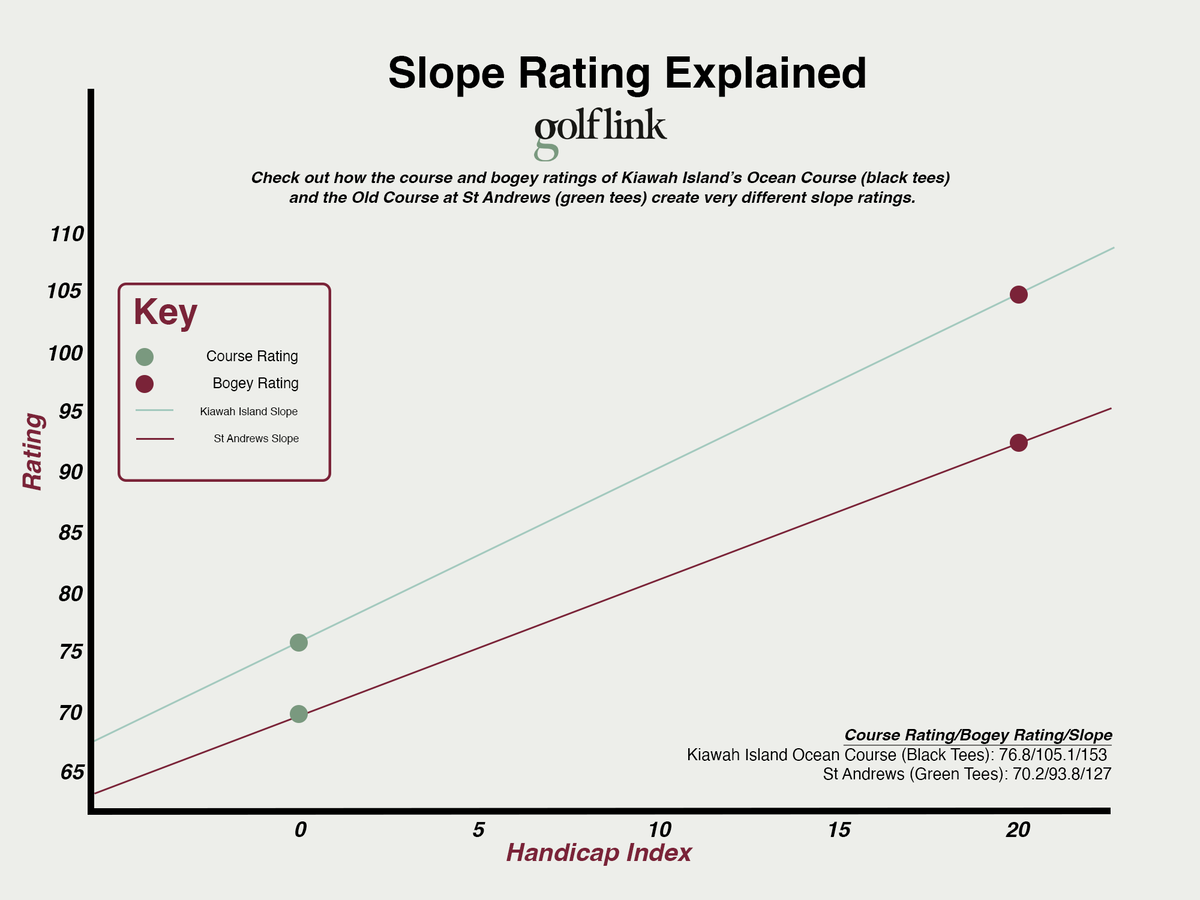
Slope Rating measures how much harder a golf course is for a bogey golfer compared to a scratch golfer. It shows the relative difficulty based on the course’s challenges like length, hazards, and terrain.
Course Rating tells how tough the course is for a scratch golfer, who plays at par level. The rating is a number close to the course’s par. It reflects the expected score for a very skilled player.
The difference lies in who the rating is for: Course Rating is for expert players. Slope Rating is for average players. A higher slope means the course is harder for average golfers.
Slope Rating helps adjust your handicap to match the course’s difficulty. It ranges from 55 to 155, with 113 as the average slope. The bigger the number, the tougher the course feels to most players.
Calculating Course And Slope Ratings
The Course Rating measures how hard a golf course plays for a scratch golfer. This golfer plays at par or better. The Slope Rating shows how much harder the course is for a bogey golfer, who is less skilled.
Several factors influence these ratings. These include the length of the course, obstacles, green speed, and rough thickness. The ratings try to give a fair idea of difficulty for different skill levels.
The role of scratch and bogey golfers is key. The Course Rating is based on the scratch golfer’s expected score. The Bogey Rating estimates the score for a bogey golfer.
| Rating Type | Description |
|---|---|
| Course Rating | Expected score for scratch golfer on the course |
| Bogey Rating | Expected score for bogey golfer on the course |
| Slope Rating | Difference between Bogey and Course Ratings, multiplied by 5.381 |
The Slope Rating comes from a simple math formula. It uses the difference between the Bogey and Course Ratings. This difference is multiplied by a constant number (5.381) to get the slope.
Why Ratings Matter For Golfers
Adjusting handicaps using course slope helps golfers play fairly. The slope rating shows how difficult a course is for average players compared to experts. A higher slope means more challenge and a bigger handicap adjustment.
Choosing tee boxes depends on your skill and the course ratings. Beginners might pick tees with lower slope ratings for easier play. More experienced players often choose tees with higher ratings to match their skills.
Golfers can improve strategy by knowing course rating details. This information helps plan shots and manage risks. Understanding slope and rating guides better club selection and shot choices on different holes.
Course Rating And Slope In Practice
Course Rating measures how hard a golf course is for a very good player. The Slope Rating shows how much harder the course gets for an average player. Both numbers help players know what to expect before playing.
In Austin, Texas, courses like Barton Creek and Lions Municipal have different ratings. Barton Creek has a higher slope, meaning it is tougher for average players. Lions Municipal has a lower slope, so it plays easier.
Tournament scores are adjusted using these ratings. This makes the competition fair when players face courses of different difficulties.
Many think slope means the hilliness of the course. Actually, it is a number that compares the difficulty for average and expert golfers. Course rating is often confused with slope rating, but they are different.

Credit: mygolfspy.com
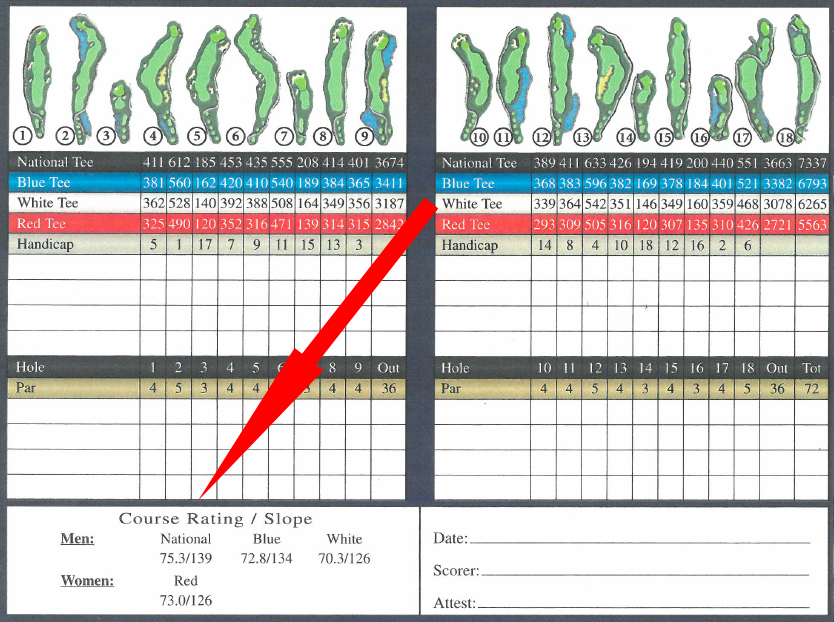
Credit: ohiogolfjournal.com
Frequently Asked Questions
What Does Cr Mean In Golf?
CR in golf stands for Course Rating. It measures the difficulty for a scratch golfer under normal conditions. The rating helps players understand how challenging a course plays. It guides handicapping and compares different golf courses accurately.
What Country Loves Golf The Most?
The United States loves golf the most, with millions of players and thousands of courses nationwide. Golf culture thrives there.
Is A 140 Slope Rating Hard?
A 140 slope rating indicates a very challenging course for bogey golfers. It demands advanced skills and accuracy.
Is 130 A Difficult Slope Rating?
A slope rating of 130 indicates a moderately challenging golf course for average players. It is above the standard difficulty of 113.
Conclusion
Understanding CR slope helps golfers choose the right course. It shows how challenging a golf course can be for different skill levels. Knowing this helps players prepare and enjoy their game more. Next time you play, check the slope to match your ability.
It makes golf more fun and fair for everyone.