Few outdoor experiences rival the sense of adventure, awe, and tranquility found in the Blue Ridge Mountains near Charlotte, North Carolina. With their rolling peaks, lush forests, and panoramic vistas, these ancient mountains beckon hikers all year, but choosing the best time for hiking can transform a pleasant walk into an unforgettable journey.
Whether you’re chasing wildflower blooms, crisp autumn air, or the quiet solitude of winter, timing your hike is crucial for maximizing both enjoyment and safety.
From seasoned hikers to weekend wanderers, knowing when to hit the trails is more than just a matter of preference; it’s about weather, trail conditions, crowds, wildlife, and even the quality of the views. This guide distills expert advice, real-world experiences, and data-driven insights to help you pinpoint the ideal season, month, and even time of day for hiking the Blue Ridge Mountains from Charlotte.
By the end, you’ll be equipped to plan your adventure with confidence, ensuring your trek is as rewarding as the landscape itself.
Key Takeaways
- Spring and fall are widely considered the best seasons for hiking near Charlotte, offering optimal weather and stunning scenery.
- Peak wildflower blooms in April-May and vibrant foliage in October-November attract both locals and visitors.
- Summer hiking is popular but can be hot and crowded; early mornings are recommended for comfort.
- Winter offers solitude and unique views, but requires careful preparation for cold and icy conditions.
- Trail selection, elevation, and local events influence the best timing, plan accordingly for your desired experience.
Credit: www.romanticasheville.com
The Blue Ridge Mountains Near Charlotte: Landscape And Climate
The Blue Ridge Mountains stretch across the eastern United States, forming a scenic backbone for the Carolinas. Within a two-hour drive from Charlotte, hikers can access some of the most iconic trails, including those in Crowders Mountain State Park, South Mountains State Park, and the southern reaches of the Pisgah National Forest.
Geography And Access
- Crowders Mountain State Park: Just 30 miles west of Charlotte, offering dramatic cliffs and panoramic views.
- South Mountains State Park: Located about 70 miles northwest, known for waterfalls and rugged terrain.
- Pisgah National Forest: Accessible within 120 miles, home to extensive trail networks and diverse ecosystems.
Climate Overview
The Blue Ridge region experiences a humid subtropical climate with four distinct seasons. Elevation plays a significant role, with higher trails often cooler and more prone to weather shifts. The average annual precipitation ranges from 45, 60 inches, supporting rich biodiversity but also influencing trail conditions.
| Season | Avg. High Temp (°F) | Avg. Low Temp (°F) | Precipitation (inches) | Typical Trail Conditions |
|---|---|---|---|---|
| Spring (Mar-May) | 65-75 | 40-55 | 12 | Blooming, muddy |
| Summer (Jun-Aug) | 80-90 | 60-70 | 14 | Dry, busy |
| Fall (Sep-Nov) | 60-75 | 35-55 | 10 | Leafy, clear |
| Winter (Dec-Feb) | 45-55 | 25-35 | 8 | Frosty, quiet |
Example: Crowders Mountain In Different Seasons
When I tested the Crowders Mountain trail in mid-October, the air was crisp and visibility stretched for miles, revealing a tapestry of gold and red. In contrast, a spring hike brought carpets of wildflowers and the occasional muddy stretch, offering a different kind of beauty.

Credit: cliffsliving.com
Spring Hiking: Wildflowers, Mild Weather, And Wildlife
Spring brings a surge of life to the Blue Ridge Mountains, making it one of the most popular seasons for hiking near Charlotte.
Wildflower Blooms
Late March through May is prime time for wildflower enthusiasts. Trails around South Mountains State Park and Pisgah National Forest feature trillium, violets, and mountain laurel. According to the North Carolina Wildlife Resources Commission, over 1,500 species of wildflowers bloom in the region, peaking in April and early May.
- Best trails for wildflowers: Hemlock Nature Trail (South Mountains), Crowders Trail (Crowders Mountain)
- Photography tip: Visit early morning for dew-kissed petals and softer light
Weather Conditions
Spring temperatures are comfortable, with highs in the mid-60s to mid-70s. Rainfall is common, especially in April, so waterproof boots and rain jackets are recommended. Muddy trails can be a challenge, check park websites for updates before heading out.
Wildlife Spotting
Spring is also a great time for birdwatching and wildlife observation. Migratory songbirds arrive, and deer, foxes, and even black bears become more active. Always keep a safe distance and follow park guidelines for wildlife encounters.
Pro Tip:
Pack layers and quick-drying gear, as temperatures can fluctuate and showers may appear unexpectedly.

Credit: www.viator.com
Summer Hiking: Longer Days, Heat, And Crowds
Summer offers extended daylight and lush foliage, but also presents challenges for hikers seeking the best experience near Charlotte.
Early Morning Vs. Afternoon Hikes
To beat the heat, seasoned hikers recommend starting before 8 a.m.. By midday, temperatures often climb above 85°F, especially on exposed ridges. Humidity can make the air feel even warmer, and thunderstorms are frequent in late afternoons.
- Advantages of morning hikes:
- Cooler temperatures
- Reduced risk of thunderstorms
- Fewer crowds on popular trails
Popular Trails And Crowd Management
The summer months see the highest visitation rates, particularly at Crowders Mountain State Park and Linville Gorge. Parking lots can fill by 10 a.m. on weekends.
| Trail | Average Summer Visitors (per day) | Difficulty | Shade Coverage |
|---|---|---|---|
| Crowders Mountain | 1,200 | Moderate | Partial |
| South Mountains | 900 | Moderate-Hard | Mostly |
| Linville Gorge | 700 | Hard | Variable |
Safety Considerations
Dehydration and heat exhaustion are real risks. Bring plenty of water (at least 2 liters per person), sun protection, and snacks. If hiking with pets, remember that dogs can overheat quickly, choose shaded trails and carry extra water.
Example: Summer Sunrise Hike
Last July, I joined a group hike at Crowders Mountain before dawn. We reached the summit as the sun rose, enjoying cool air and unobstructed views. By noon, the trail was crowded and temperatures soared, underscoring the value of early starts.
Fall Hiking: Peak Foliage, Comfortable Temperatures, And Festivals
Fall is often cited as the best time for hiking in the Blue Ridge Mountains near Charlotte. With comfortable weather and spectacular scenery, autumn attracts hikers from across the Southeast.
Peak Foliage Timing
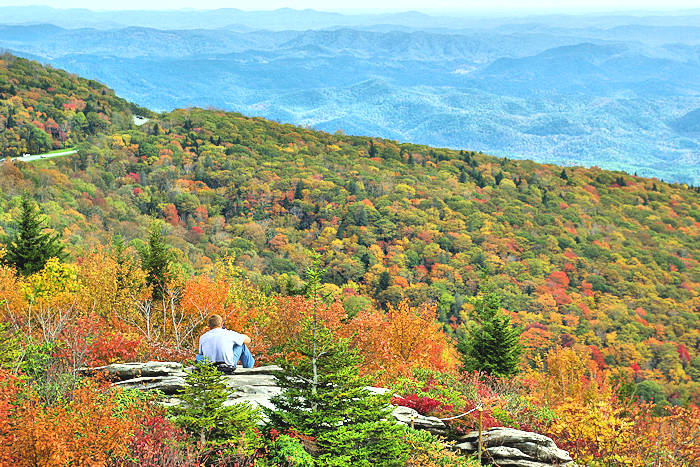
Leaf colors reach their peak in mid-October through early November. The elevation and north-south orientation of the Blue Ridge mean that foliage changes first at higher altitudes, then descends toward Charlotte.
- Best foliage trails: High Shoals Falls Loop (South Mountains), Pinnacle Trail (Crowders Mountain)
- Photography tip: For vibrant colors, hike between October 15, 30
Weather And Trail Conditions
Fall temperatures average 60, 75°F during the day and drop to 35, 55°F at night. Rain is less frequent, and trails are generally dry and clear. Mosquitoes and ticks are less active, making for more comfortable hiking.
Local Festivals And Events
Numerous fall festivals celebrate the mountain landscape, including the South Mountains Fall Festival and events in nearby Asheville. These can boost visitation, so plan accordingly if you prefer solitude.
Example: Autumn Foliage Weekend
A family hiking trip in late October to South Mountains State Park yielded breathtaking views and a memorable picnic amid golden leaves. Crowds were moderate, but arriving early helped secure parking and enjoy the serenity.
Winter Hiking: Solitude, Unique Views, And Safety Precautions
While winter hiking is less popular, it offers unique rewards for those willing to prepare and brave the cold.
Solitude And Scenic Vistas
Winter months bring peace and quiet to the Blue Ridge trails. Leafless trees open up new vistas, revealing mountain contours often hidden in other seasons. Popular trails like the Ridgeline Trail at Crowders Mountain are nearly deserted on weekdays.
- Best winter trails: Chestnut Knob Trail (South Mountains), Crowders Mountain Ridgeline Trail
Weather Challenges
Daytime highs rarely exceed 50°F, and nights can dip below freezing. Occasional snow and ice are possible, especially at higher elevations. Trail surfaces may be slick, trekking poles and microspikes are useful.
Safety And Gear Recommendations
Dress in layers, with moisture-wicking base layers and insulated outerwear. Check forecasts carefully, as sudden cold fronts or ice storms can occur.
- Essential winter gear:
- Insulated jacket
- Warm hat and gloves
- Waterproof boots
- Emergency blanket
- Headlamp (days are shorter)
Example: Winter Sunrise At Pinnacle
An early January hike at Crowders Mountain offered a sunrise view over frosted hills. The trail was icy in spots, but the solitude and clarity were unmatched.
Choosing The Right Trail: Difficulty, Elevation, And Experience
Selecting the best trail for your hike depends on several factors, including difficulty, elevation, and your own experience.
Trail Difficulty And Ratings
Trails are rated from easy to strenuous. Beginners may prefer the Hemlock Nature Trail (South Mountains) or Crowders Trail, while seasoned hikers can tackle the Linville Gorge Wilderness.
- Easy: Hemlock Nature Trail (1 mile, minimal elevation)
- Moderate: Pinnacle Trail (Crowders Mountain, 4 miles, 900 ft gain)
- Hard: Linville Gorge Trail (10+ miles, steep climbs)
Elevation And Weather Impact
Higher elevation trails often experience cooler temperatures and earlier foliage changes. For example, the High Shoals Falls Loop climbs to 2,400 feet, while most Crowders Mountain trails stay below 1,800 feet.
| Trail | Elevation Gain (ft) | Best Season | Estimated Completion Time |
|---|---|---|---|
| Hemlock Nature Trail | 150 | Spring | 0.5 hours |
| Pinnacle Trail | 900 | Fall | 2.5 hours |
| High Shoals Falls Loop | 800 | Fall | 1.5 hours |
| Linville Gorge Trail | 1,600 | Summer | 5+ hours |
Pro Tip:
Match trail difficulty to your fitness level and hiking experience. Beginners should avoid strenuous routes in extreme weather, especially in winter or summer.
Internal Link Example
For those planning a fishing break along the way, check out best floats for trout fishing for gear suggestions.
Best Times By Month: Data-driven Insights And Real-world Examples
Pinpointing the best month to hike the Blue Ridge Mountains near Charlotte involves analyzing weather, trail traffic, and natural events.
Monthly Breakdown
- March: Early blooms, cool temperatures, fewer hikers
- April-May: Peak wildflowers, moderate weather, some rain
- June-August: Long days, lush foliage, hot and crowded
- September: Early fall colors, comfortable hiking, less rain
- October-November: Peak foliage, crisp air, ideal hiking conditions
- December-February: Quiet trails, cold, occasional snow
Real-world Example: April Vs. October
In April, trails like Hemlock Nature Trail showcase wildflowers and gentle breezes. In October, the same trail is ablaze with color, drawing more visitors but rewarding them with stunning vistas.
Data-driven Approach
According to the North Carolina Division of Parks and Recreation, October sees a 40% increase in visitation compared to July, largely due to fall foliage and cooler temperatures (NC Parks Official Site).
Internal Link Example
If you enjoy outdoor activities, consider pairing your hike with fishing, browse best cooler for fishing for keeping your catch fresh.
Timing Your Hike: Best Time Of Day, Week, And Special Events
Beyond choosing the right season, the time of day and week can greatly influence your hiking experience.
Best Time Of Day
- Morning: Cooler temperatures, wildlife activity, fewer crowds
- Midday: Warmest, busiest, peak sunlight for photography
- Evening: Softer light, quiet trails, potential for sunset views
Weekday Vs. Weekend
Weekdays are typically quieter, especially during school terms and outside holiday periods. Weekends and holidays attract larger crowds, particularly at popular parks.
Special Events And Permits
Certain trails may host organized hikes or festivals, check park calendars. Some areas require permits for group hikes or overnight stays.
Example: Early Morning On High Shoals Falls Loop
Starting the High Shoals Falls Loop at 7 a. m. provided a peaceful, misty landscape and uninterrupted waterfall views. By noon, the trail was bustling with visitors.
Environmental And Safety Considerations For All Seasons
Respecting the mountain environment and preparing for safety is essential, regardless of when you hike.
Leave No Trace Principles
Practice Leave No Trace by packing out all trash, staying on marked trails, and minimizing impact on flora and fauna. The Blue Ridge Mountains support endangered species, protecting their habitat is vital.
Weather And Emergency Prep
Monitor forecasts and avoid hiking during severe weather. Cell service can be spotty, carry a map, compass, and let someone know your plans.
- Safety checklist:
- Check weather updates
- Pack essentials (water, snacks, first aid)
- Tell someone your route and expected return
- Carry identification and emergency contacts
Internal Link Example
For those combining hiking with fishing, review best fishing chair for boat for comfort during breaks.
Pro Tip:
Use park-provided maps and stay alert for changing trail conditions, especially after rain or snow.
Frequently Asked Questions
What Are The Best Months For Hiking The Blue Ridge Mountains Near Charlotte?
The best months are April-May for wildflowers and October-November for peak foliage. These periods offer comfortable temperatures, clear skies, and exceptional scenery. However, each season provides unique rewards, spring for blooms, fall for colors, summer for lush greenery, and winter for solitude.
Are There Any Trails Suitable For Beginners Near Charlotte?
Yes, several trails cater to beginners, such as the Hemlock Nature Trail in South Mountains State Park and Crowders Trail in Crowders Mountain State Park. These offer gentle elevation gains and well-marked paths, making them ideal for new hikers or families.
How Can I Avoid Crowds When Hiking Popular Blue Ridge Trails?
To avoid crowds, hike on weekday mornings or during shoulder seasons (March, September, December). Arriving before 9 a.m. also helps secure parking and enjoy quieter trails. Off-the-beaten-path trails in Pisgah National Forest can offer more solitude.
What Gear Is Essential For Hiking The Blue Ridge Mountains In Winter?
Essential winter gear includes insulated jackets, moisture-wicking base layers, warm hats and gloves, waterproof boots, trekking poles, and microspikes for icy conditions. Always check weather reports and trail advisories, and carry emergency supplies.
Where Can I Find Reliable Information On Blue Ridge Trail Conditions And Closures?
Reliable information is available from the North Carolina Division of Parks and Recreation (NC Parks Official Site) and the Pisgah National Forest website. Local hiking groups and park visitor centers also provide updates on conditions, closures, and events.
Hiking the Blue Ridge Mountains near Charlotte is a rewarding adventure, shaped as much by timing as by trail selection. By aligning your plans with the best seasons, weather patterns, and local events, you can enjoy breathtaking scenery, comfortable conditions, and memorable experiences.
Whether you’re drawn by spring wildflowers, autumn colors, or winter solitude, the Blue Ridge offers something for every hiker, just remember to respect the environment, prepare for safety, and savor every step.