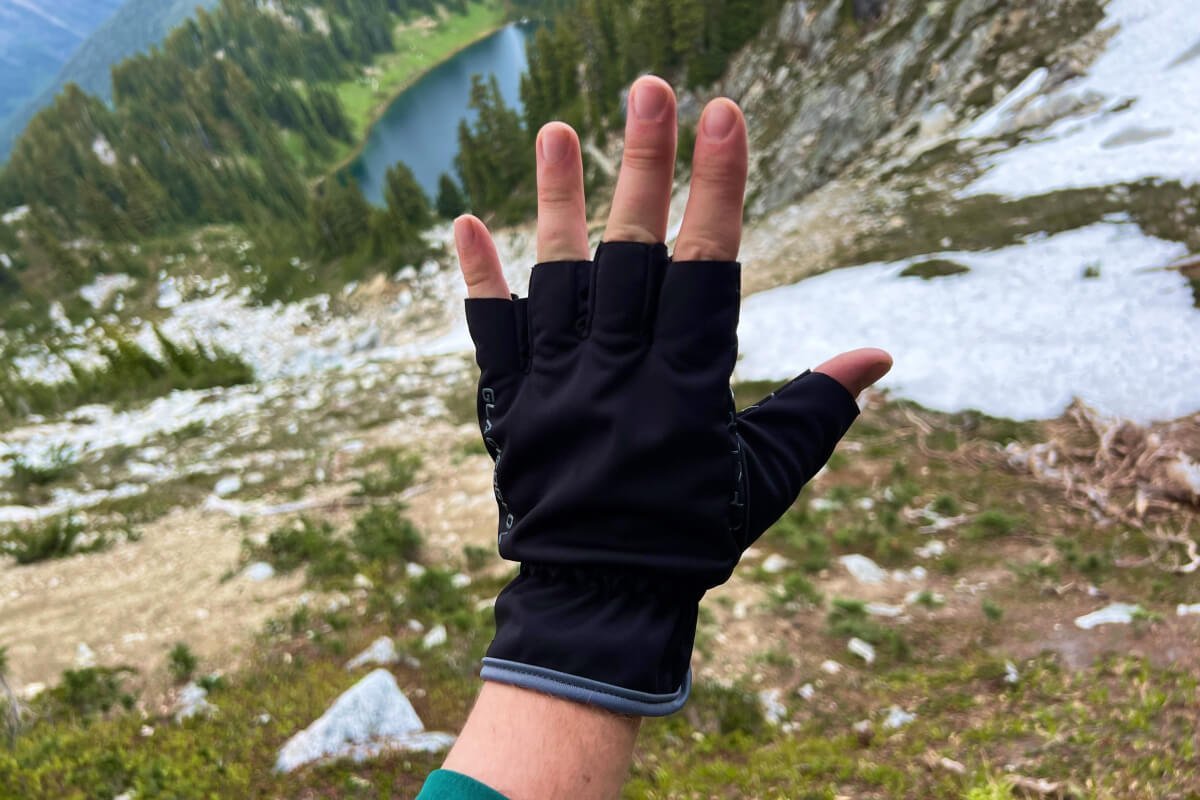
Finding the best hiking gloves depends on your climate and activity level, with top choices including The North Face Etip for versatility and Waterproof Merino Wool Gloves for wet conditions. These products vary by insulation, material, and features like screen-responsive fingertips.
1. The North Face Etip

Best for: Someone who wants a reliable glove for everyday hiking and cold-weather errands.
These gloves focus on a blend of warmth and dexterity, using a four-way stretch fleece that keeps your hands flexible. The Radiametric Articulation helps your hands stay in a natural position, which is useful when you’re holding trekking poles for long stretches. The silicone grippers on the palm provide a secure hold on essentials, making them practical for a variety of tasks.
The touchscreen compatibility is integrated into the fabric, allowing you to capture photos without exposing your skin to the cold.
Good if:
- You want a consistent, snug fit.
- You hike with trekking poles and need a secure grip.
- You frequently use a touchscreen device during your walks.
Skip it if:
- You need a glove that’s fully waterproof.
- You’re heading out into extreme, freezing weather.
2. Mountain Hardwear Stimulus

Best for: Hikers who need maximum dexterity for handling small gear or adjusting clips.
Built with Polartec Power Stretch fabric, these gloves provide a close fit that mimics your natural hand movement. The material is chosen for its ability to stretch and recover, ensuring the gloves don’t feel bulky when you’re trying to manipulate zippers or buckles.
The index finger and thumb feature Stimulus technology for touchscreen use. Because these are thinner, they offer less insulation than heavier, multi-layered options, making them better suited for high-output activities where you generate your own warmth.
Good if:
- You need high tactile sensitivity for gear adjustments.
- You prefer a thin, lightweight glove that fits under a shell.
- You want a glove that breathes well during intense movement.
Skip it if:
- You need heavy thermal insulation for stationary activities.
- You’re looking for a thick, protective winter glove.
3. Waterproof Merino Wool Gloves

Best for: Hikers facing unpredictable, wet weather who need to keep hands dry.
The 3-layer design is the standout feature here, as it combines waterproofing with windproofing to shield your hands from rain and cold gusts. The high-density insulation is designed to prevent heat loss while remaining light enough to allow for movement.
These gloves are also touchscreen compatible, meaning you don’t have to compromise on weather protection to check your GPS. While effective in wet conditions, the thicker construction means they’re less flexible than thinner liner-style gloves. If your activity requires fine motor skills, such as tying complex knots or handling small gear, the bulk of these layers may hinder your performance.
Wash these gloves in water under 40°C or 104 ℉ to maintain the integrity of the waterproof membrane. Exceeding this temperature risks damaging the specialized layers that keep moisture out. You can choose between machine or hand washing, but always verify the water temperature first to ensure the materials remain effective.
Good if: * You hike in rain, snow, or damp, windy climates. * You need a dedicated thermal barrier against the elements. * You want a glove that’s easy to maintain with machine washing.
Skip it if: * You prioritize extreme dexterity over moisture protection. * You prefer a very thin, minimalist glove design.
4. Merino Wool Touchscreen Gloves

Best for: First-time hikers looking for a soft, comfortable liner for layering.
These gloves use a merino wool blend that naturally traps heat while wicking away moisture. The brushed interior feels smooth against the skin, which helps reduce friction during long days on the trail. If you feel dampness, the moisture-wicking fibers are working; if your hands stay dry, the wool is balancing the temperature.
The Graph-Link technology uses conductive graphene for touchscreen control, which is intended to remain responsive even after repeated use. Unlike metallic threads that wear down, this integration maintains precision for multi-finger gestures on phones, tablets, or car displays.
These are best used as a standalone pair in cool weather or as an extra layer beneath a heavier glove in colder, harsher conditions. If you’re heading into sub-zero temperatures, use them only as a base layer.
Good if:
- You want the natural moisture-wicking benefits of merino wool.
- You need a soft, flexible glove for active, cool-weather hiking.
- You want a reliable, responsive touchscreen experience.
Skip it if:
- You require a standalone glove for severe, freezing temperatures.
- You need a glove with heavy-duty waterproofing.
5. Winter Gloves Men Women Made with 3M Thinsulate

Best for: Hikers who need serious warmth in sub-freezing temperatures.
Featuring 3M C40 insulation, these gloves are built specifically to retain heat when the mercury drops. The dual-layer design includes a fleece lining to lock in warmth, while the PU outer layer provides water resistance to keep your hands dry during light precipitation.
The silicone stripes on the palms and fingers help you keep a firm grip on gear. These gloves are versatile enough for various outdoor sports, though their thicker insulation makes them slightly bulkier than a basic liner glove.
Good if:
- You need guaranteed warmth in temperatures near or below freezing.
- You want a secure, non-slip grip on your hiking poles.
- You need a reflective logo for visibility during early morning hikes.
Skip it if:
- You prefer a very slim profile for manual tasks.
- You’re looking for a lightweight summer hiking glove.
6. Full Finger UV Gloves

Best for: Summer hikers who need protection from the sun and light scrapes.
These gloves are made from a thin, breathable polyester that’s ideal for hot weather. The primary goal here is to protect your hands from sunburn while offering a bit of cushion for your palms during long hikes or gym sessions.
The silicone anti-slip points enhance your grip, which is helpful when handling water bottles or trekking poles in sweaty conditions. Because they’re designed for heat, they offer almost no thermal insulation. Use these for lightweight gym workouts or cycling, but avoid them for heavy lifting where you need significant padding. If you find your hands slipping on equipment, the silicone prints fill the gap to provide the necessary friction.
Good if:
- You hike in hot, sunny environments and want sun protection.
- You have a tendency for sweaty hands and need breathable material.
- You want a thin layer to improve your grip on equipment.
- You need to use a touchscreen or fitness watch without removing your gear.
Skip it if:
- You need protection from cold or freezing temperatures.
- You’re looking for a waterproof option for wet weather.
- You require heavy-duty padding for intense, high-impact weightlifting.
7. Outdoor Research Storm Liner

Best for: Hikers who want a versatile liner to pair with other gear.
These gloves use UA Storm technology, which repels water while still allowing the fabric to breathe. The exterior is smooth, making it easy to slide these under a larger, heavier pair of mittens or gloves when the weather turns bad.
The inclusion of an extra soft “Speedwipe” fleece on the back of the thumb is a thoughtful detail for managing sweat or wiping away moisture. They’re very thin, so they’re best suited for layering rather than as a heavy-duty winter glove.
Good if:
- You want a thin, fitted liner for layering.
- You appreciate the added convenience of a sweat-wiping panel.
- You need a glove that’s water-resistant.
Skip it if:
- You need a thick, insulated glove for winter use.
- You’re looking for a standalone glove for extreme cold.
8. Running Watch Window Gloves

Best for: Hikers who rely heavily on a sports watch for navigation.
The unique watch window allows you to check your stats without pulling back your sleeve or exposing your wrist to the cold. The polar fleece construction provides a good balance of warmth and breathability, keeping your hands comfortable during active movement.
The touchscreen tips are extended to make them more responsive, which is helpful when you’re on the move. These are a specialized choice, focused on maintaining your pace and rhythm during a hike.
Good if:
- You frequently check a watch or GPS device while hiking.
- You want a glove that effectively wicks moisture during high-intensity hikes.
- You prefer a full-palm grip for holding gear.
Skip it if:
- You don’t wear a watch that requires frequent checking.
- You need a heavy-duty waterproof glove for deep snow or rain.
9. Midweight Screentap Gloves

Best for: Hikers who want a durable brand-name option for varied conditions.
These gloves are designed as a midweight fleece liner that works well for hiking and commuting. Because they’re part of the Black Diamond range, they benefit from a lifetime warranty against manufacturer defects.
They’re relatively simple in construction, focusing on providing a comfortable fit that can be used on its own or as part of a layering system. The main trade-off is that they’re a basic fleece design without specialized waterproofing or extra features.
Good if:
- You value the long-term reliability provided by a lifetime warranty.
- You want a versatile, midweight fleece glove for everyday use.
- You prefer a minimalist design without unnecessary bulk.
Skip it if:
- You need specialized features like a watch window or full waterproofing.
- You require a heavy-duty insulated glove for extreme winter adventures.
10. Harling All Weather Glove

Best for: Hikers who need a high-performance, all-weather glove that stays dry.
These gloves use an AQUASEALZ waterproof membrane, making them a robust choice for long, unpredictable days in the outdoors. The blend of 52% polyester, 27% nylon, and 18% polyurethane creates a durable outer shell that stands up well to friction and wear.
They’re designed for endurance, meaning they offer more protection than simple liners. As with many waterproof gloves, the trade-off is a slightly stiffer feel compared to non-waterproof, stretch-only options. If you prioritize tactile feedback for technical tasks, expect a learning curve with these thicker materials.
To maintain the membrane, wash them at 30ºC/85ºF and always drip dry. Never iron, bleach, or dry clean these gloves, as these processes will permanently compromise the waterproof integrity of the AQUASEALZ layer.
Good if:
- You need a truly waterproof glove for varied weather conditions.
- You want a durable pair that can handle frequent, rugged use.
- You prefer a glove that’s easy to wash and maintain.
Skip it if:
- You prioritize maximum flexibility and thinness over waterproofing.
- You’re strictly looking for a lightweight summer glove.
How to choose the best gloves for hiking
Many of the gloves listed here share similar core features, particularly touchscreen compatibility and moisture-wicking fabrics. For instance, the Black Diamond Midweight Screentap Gloves are quite close in function to the Outdoor Research Storm Liner, as both serve as excellent midweight layers. If you’re choosing between these, the decision often comes down to personal brand preference or the specific fit, as both are designed for active use rather than extreme cold.
Similarly, the 3M Thinsulate Thermal Gloves and the Waterproof Merino Wool Gloves both aim to keep your hands warm in harsh conditions, though they use different technologies—insulation versus a 3-layer waterproof construction. If your primary concern is heat, the 3M insulation is rated for temperatures as low as 23°F and may feel more effective. If your primary concern is keeping hands dry in a downpour or snow, the 3-layer waterproof option is the logical choice.
When selecting, check if you need a standalone layer or a liner. Lightweight options like the Heat equation Merino gloves aren’t meant for severe cold on their own; they function best as a base layer under heavier equipment. If you require full palm protection for gym work, look for silicone-grip models, but avoid using thin, breathable exercise gloves for winter insulation, as they lack the thermal density required for freezing weather.
Still Not Sure?
How often will I really use these?
If you’re a casual hiker who only heads out on sunny, temperate days, you don’t need heavy-duty winter gear. You would likely be better served by the Full Finger UV Gloves, which offer protection without unnecessary heat. If you find yourself hiking in all seasons, a versatile pair like The North Face Etip is a safer bet, as it handles a wide range of temperatures without being too specialized for any one purpose.
What do I already own that this must work with?
Think about your current jacket and trekking poles. If you already have a heavy winter coat with tight cuffs, a bulky glove might be difficult to tuck in, making a slim liner like the Outdoor Research Storm Liner a better choice. If you rely on a GPS watch, the Running Watch Window Gloves will save you the frustration of constantly moving your sleeve, whereas those who use trekking poles will appreciate the enhanced grip found on the 3M Thinsulate Thermal Gloves.
What am I most likely to regret choosing?
The most common regret is choosing a glove that isn’t suited for the weather. Buying a thin, breathable glove for a winter trip will leave your hands freezing, while buying a heavy, waterproof glove for a summer hike will lead to overheating and sweat. Always consider the climate of your most frequent hiking spots first. The listing doesn’t mention the product’s performance in most conditions.
As an Amazon Associate, we earn from qualifying purchases. This post contains affiliate links – if you buy through them, we may earn a commission at no extra cost to you.
Related guides
- Best Time Of Year For Hiking In San Francisco
- Best Time To Go To Dolomites For Hiking
- 5 Best Day Hiking Backpack for Petite Female
Frequently Asked Questions
Do I need waterproof gloves for all hiking?
Waterproof gloves are essential for rain, wet snow, or damp brush. They keep your hands dry in these conditions, whereas breathable, non-waterproof gloves are more comfortable for dry, fair-weather hiking.
How do I make sure the touchscreen fingertips work?
Most modern hiking gloves, such as the Mountain Hardwear Stimulus or those from Heat equation, use conductive fibers integrated into the fabric. For the best performance, ensure the glove fits your fingers snugly so the conductive material makes direct contact with your skin.
Should I choose a liner or a standalone glove?
A liner glove is designed to be worn under a shell, while a standalone glove provides sufficient protection on its own. Standalone pairs work for mild weather, but you should use liners under waterproof mittens for extreme cold.
How do I determine the right size for hiking gloves?
Measure the circumference of your dominant hand below the knuckles and compare it to the manufacturer’s size chart. A proper fit should be snug enough for dexterity while using trekking poles, but not so tight that it restricts circulation.
Conclusion
Selecting the right pair doesn’t have to be complicated, but it’s worth taking a moment to consider your next trail’s forecast. Once you’ve picked a style that fits your hands well, you’ll be ready for any adventure. Don’t wait until you’re shivering; grab a pair today and get back outside.