If you’re planning a fishing trip to Ohop Lake, knowing which fish species call this beautiful spot home can make all the difference. Whether you’re a seasoned angler or just starting out, understanding the types of fish you might catch will help you prepare the right gear and increase your chances of success.
From largemouth bass to rainbow trout, Ohop Lake offers a variety of fish that can keep your fishing adventure exciting. Keep reading to discover everything you need to know about the fish species in Ohop Lake and how to make the most of your time on the water.
Fish Species In Ohop Lake
Ohop Lake hosts a diverse range of fish species that attract anglers of all levels. This lake supports both warmwater and coldwater fish, making it a dynamic fishing spot. Each species offers a unique challenge and experience on the water.
Understanding the common fish in Ohop Lake helps anglers prepare for their fishing trips. Below is a guide to the main fish species found in the lake.
Largemouth Bass
Largemouth bass are the most popular fish in Ohop Lake. They prefer shallow waters near vegetation. These bass are known for their fighting spirit and size. Anglers enjoy fishing for them year-round.
Rainbow Trout
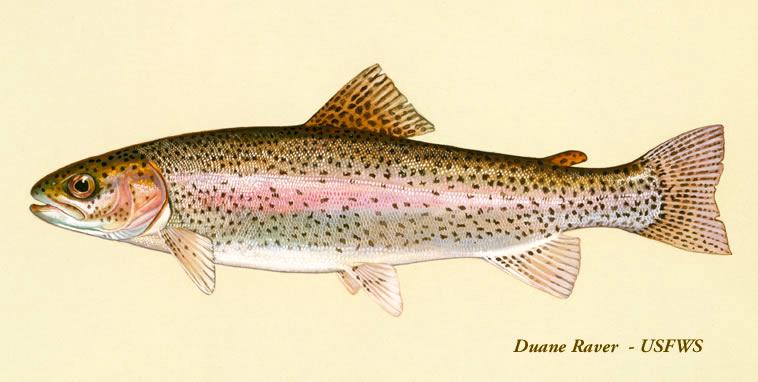
Rainbow trout thrive in the cooler parts of the lake. They are stocked regularly to maintain their population. These trout offer exciting sport fishing with their quick runs and jumps. They prefer clear, oxygen-rich water.
Cutthroat Trout
Cutthroat trout are native to the area and found in Ohop Lake. They are smaller than rainbow trout but just as spirited. These fish prefer deeper, cooler water zones. They are a prized catch for trout enthusiasts.
Black Crappie
Black crappie live in Ohop Lake’s calm, weedy areas. They are smaller panfish with a tasty flavor. Crappie fishing is best in spring and early summer. They often gather in large schools.
Bluegill
Bluegill are abundant and easy to catch in Ohop Lake. These small sunfish stay near shorelines and structures. Bluegill provide fun fishing for beginners and kids. Their quick bites keep anglers busy.
Yellow Perch
Yellow perch prefer the cooler, deeper parts of the lake. They have a distinct yellow color with dark stripes. Perch are good to eat and popular among local fishermen. They often school near submerged vegetation.
Brown Bullhead
Brown bullhead catfish inhabit the bottom of Ohop Lake. They tolerate murky water and feed on small fish and insects. These catfish are active at night and provide a unique fishing experience. They grow to moderate sizes.
Pumpkinseed
Pumpkinseed sunfish are colorful and common in Ohop Lake. They prefer weedy shallows and rocky bottoms. These fish are small but aggressive, offering fun catches. They add diversity to the lake’s panfish population.
Identifying Features
Identifying fish in Ohop Lake starts with knowing their key features. Each species has unique traits. These traits help anglers and nature lovers tell fish apart. Understanding these details improves fishing success and appreciation of the lake’s diversity.
Color Patterns
Fish in Ohop Lake show various colors and marks. Largemouth bass often have dark green backs with lighter sides. Black crappie display spots and blotches on silver bodies. Bluegill feature bright orange or yellow bellies with dark vertical bars. Rainbow trout stand out with pink stripes along their sides. These colors help spot each fish quickly.
Size And Shape
Size and shape vary widely among fish species. Largemouth bass grow large with wide mouths and elongated bodies. Crappie tend to be smaller with deep, flat bodies. Bluegill have round, compact shapes with small mouths. Rainbow trout appear slender and streamlined, built for fast swimming. Noting shape differences aids in identifying fish species.
Habitat Preferences
Fish choose different parts of Ohop Lake to live in. Largemouth bass prefer shallow waters near plants and logs. Crappie often gather around submerged structures and deeper waters. Bluegill stay near shorelines with plenty of cover. Rainbow trout favor cooler, clearer areas with good oxygen. Knowing where fish live helps find them more easily.
Best Fishing Spots
Ohop Lake offers excellent fishing spots for anglers of all skill levels. The lake’s diverse environment supports a range of fish species. Knowing the best fishing spots helps catch more fish and enjoy your time on the water.
Shallow Areas
Shallow areas near the shoreline are ideal for species like bluegill and pumpkinseed. These spots warm up quickly and attract small baitfish. Early morning and late afternoon are prime times to fish here. Cast near fallen trees and rocky edges for better results.
Deep Water Zones
Deep water zones attract largemouth bass and cutthroat trout. These fish seek cooler temperatures during warm days. Use heavier weights and slow retrieves when fishing in deep water. Look for drop-offs and underwater ledges where fish often hide.
Vegetation-rich Regions
Vegetation-rich regions provide shelter and food for many fish species. Black crappie and yellow perch thrive in these areas. Cast lures or live bait close to lily pads and submerged plants. These spots offer great chances for a good catch.
Fishing Techniques
Fishing at Ohop Lake offers diverse techniques suited for its many fish species. Each method targets specific types of fish to improve catch rates. Adjusting your approach to the species and conditions brings better results.
Bait And Lures
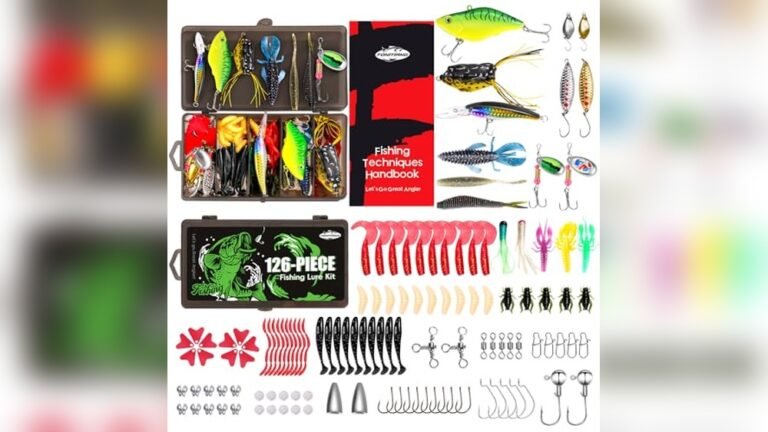
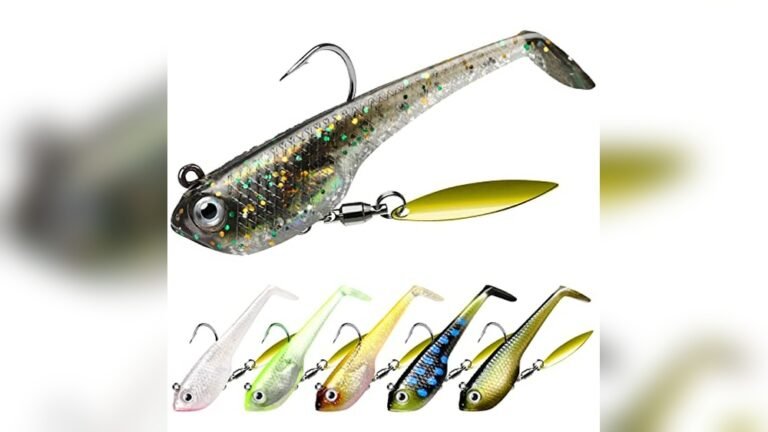
Live bait works well for species like bluegill and perch. Worms and crickets attract these fish effectively. Artificial lures mimic the movement of small prey. Soft plastics, spinnerbaits, and crankbaits appeal to largemouth bass. Bright colors help in murky water. Match the lure size to the fish targeted for best success.
Seasonal Strategies
Spring is prime for trout fishing near the lake’s inlets. Fish move shallow to spawn, making them easier to catch. Summer calls for deeper water fishing as fish seek cooler temperatures. Early morning or late evening is best during hot months. Fall offers active feeding times for bass and crappie. Winter requires patience as fish slow down but can still be caught near warm spots.
Equipment Recommendations
Use medium-action rods for versatility with many fish species. A 6 to 7-foot rod balances strength and control. Spinning reels are beginner-friendly and work well here. Choose 6-10 lb test line for most fishing at Ohop Lake. For trout, lighter lines improve bite detection. Bring a tackle box stocked with various lures and hooks. A landing net helps safely bring in larger fish.
Fishing Regulations
Fishing regulations protect Ohop Lake’s fish populations and ensure a fair catch for all anglers. Following these rules keeps the lake healthy and fish numbers stable. Knowing the rules helps avoid fines and preserves the lake for future visits.
Catch Limits
Catch limits control how many fish you can keep each day. For Ohop Lake, limits vary by species. For example, you may keep up to five largemouth bass per day. Other species like rainbow trout have different daily limits. Always check the latest limits before fishing.
Fishing Seasons
Fishing seasons set the times when certain fish can be caught. Ohop Lake is open year-round for many species. Some fish, like cutthroat trout, have specific seasons to protect spawning. Following seasons helps fish populations grow and stay healthy.
Permits And Licenses
A valid fishing permit is required to fish at Ohop Lake. Licenses can be bought online or at local stores. Different permits exist for residents and visitors. Children under 15 often fish for free, but rules may vary. Carry your license while fishing to avoid penalties.
Credit: wdfw.wa.gov
Ohop Lake Environment
Ohop Lake offers a unique environment that supports a variety of fish species. Its natural setting provides ideal conditions for fishing enthusiasts. Understanding the lake’s environment helps anglers prepare for a successful fishing trip.
From water quality to the surrounding wildlife, each factor plays a role in shaping the lake’s ecosystem. This section explains key features of the Ohop Lake environment.
Water Quality
Ohop Lake maintains clean and clear water throughout the year. The water quality supports healthy fish populations. Low pollution levels keep the lake safe for fish and other wildlife. Good oxygen levels help fish stay active and feed well. Clear water also makes it easier to spot fish near the surface.
Depth And Terrain
The lake reaches depths of about 60 feet in some areas. It has a varied underwater terrain with sandy and muddy bottoms. This mix creates habitats for different fish species. Shallow areas attract panfish like bluegill and crappie. Deeper spots provide shelter for largemouth bass and trout. Underwater plants grow near the shore, offering cover and food for fish.
Wildlife Around The Lake
The area around Ohop Lake hosts a variety of wildlife. Birds like herons and kingfishers are common near the water. Deer and small mammals often visit the lake’s edge. This wildlife indicates a healthy ecosystem. Their presence adds to the natural beauty of the lake. Watching animals can be a relaxing part of the fishing experience.
Tips For Anglers
Fishing at Ohop Lake offers a rewarding experience for anglers of all skill levels. Knowing a few tips can improve your catch and ensure a safe day on the water. This guide covers essential advice to help you enjoy fishing here.
Focus on safety, timing, and using local knowledge to boost your success. Here are some key points every angler should keep in mind.
Safety Measures
Always wear a life jacket near or on the lake. Weather can change fast, so check forecasts before fishing. Keep a first aid kit handy for minor injuries. Use sunscreen and wear a hat to protect from sunburn. Stay hydrated by drinking plenty of water. Avoid fishing alone; bring a buddy or let someone know your plans. Handle hooks and knives carefully to prevent accidents.
Best Times To Fish
Early mornings and late afternoons are prime fishing hours. Fish tend to be more active during these cooler times. Spring and fall usually offer better catches due to water temperature. Overcast days can improve fish activity as well. Avoid fishing during the hottest part of the day. Check local fishing reports to see current conditions and trends.
Local Resources And Guides
Visit the Washington Department of Fish and Wildlife website for regulations and updates. Local bait shops often provide advice and tackle suited for Ohop Lake species. Hiring a local fishing guide can help beginners learn the best spots and techniques. Join fishing forums or groups focused on Ohop Lake for shared tips and reports. These resources offer valuable support to enhance your fishing experience.

Credit: www.caringrealestate.com
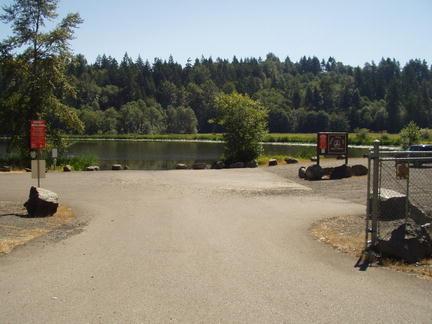
Credit: wdfw.wa.gov
Frequently Asked Questions
How Deep Is Lake Ohop?
Lake Ohop reaches a maximum depth of about 65 feet. This depth supports diverse fish species and recreational activities.
What Is The Water Quality Of Ohop Lake?
Ohop Lake has good water quality supporting diverse fish like largemouth bass, black crappie, yellow perch, and trout. The lake remains healthy year-round.
What Is The Current Fishing Report For Ohop Lake?
Ohop Lake currently offers good fishing for largemouth bass, rainbow trout, black crappie, bluegill, and yellow perch. Anglers report steady catches year-round. Fish actively bite near submerged structures and weed beds. Early mornings and late afternoons provide the best success.
What Is The Best Fishing Lake In Washington?
Ohop Lake in Washington offers excellent fishing year-round. It has largemouth bass, rainbow trout, black crappie, and bluegill. Anglers enjoy its diverse fish species and scenic setting.
Conclusion
Ohop Lake offers a rich variety of fish species for anglers to enjoy. From largemouth bass to rainbow trout, the lake supports many popular catches. Knowing the fish types helps plan a successful fishing trip. The lake’s natural environment keeps fish populations healthy and active.
Whether you fish for fun or sport, Ohop Lake provides great opportunities. Remember to respect local fishing rules and preserve the lake’s beauty. Happy fishing and enjoy the peaceful waters of Ohop Lake!