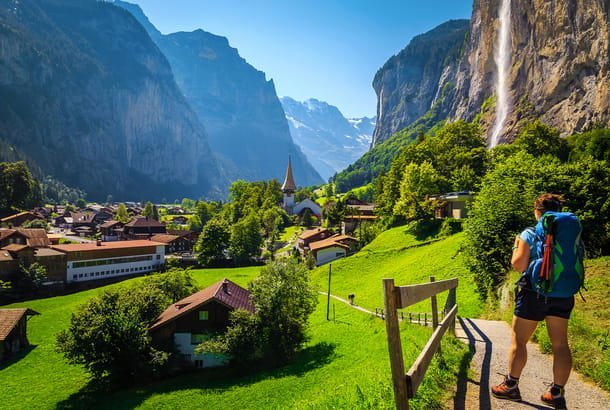
The best time to visit Switzerland for hiking is late June to early October. That’s when most alpine trails are snow-free, mountain huts are open, and cable cars run their summer schedules. For lower valleys and lake paths, you can start in May; above 2,000 m, expect lingering snow until mid-June.
The best time of year for hiking in Switzerland
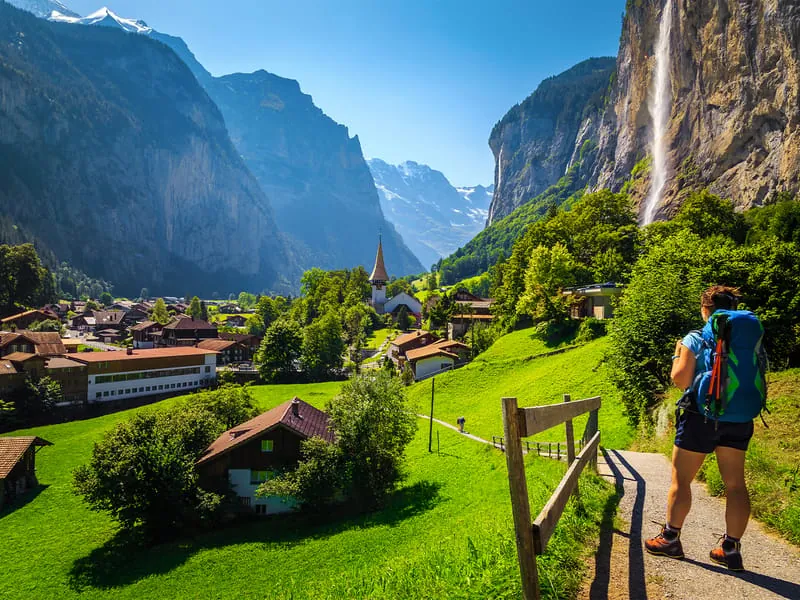
- Mid-June to mid-October is the safe window for high alpine trails, when paths above 2,000 m are usually snow-free.
- May to June works for valley and lakeside routes, but higher trails can still hold snow and mud.
- July and August bring the warmest weather and all huts open — also the biggest crowds and afternoon thunderstorms.
- September has clearer air, thinner crowds and stable trails, though hut and cable car seasons start winding down.
- October is fine for low routes until first snowfall; check a route’s altitude before you commit.
- Winter hiking exists on groomed paths, but it’s a different activity — no high trails are open.
Why altitude decides the dates
Swiss trails don’t open on a calendar — they open when the snow melts, and melt depends on altitude. A path at 1,200 m can be dry in April, while one at 2,500 m stays buried until late June. That’s why the same canton can offer spring wildflower walks and winter mountaineering in the same week.
Snowpack also isn’t the only gate. Many alpine trails cross steep snowfields that stay hard and slippery in the morning, and some passes don’t become safe until the snow has fully cleared, not just thinned. The Swiss Alpine Club (SAC) publishes conditions for its hut network, and most huts run staffed from roughly late June to late September — outside those dates, you lose your overnight and rescue options in the high country.
Weather adds a second filter. Summer afternoons in the Alps regularly build thunderstorms, so hikers plan to be off exposed ridges by early afternoon. You can check current conditions and forecasts for any altitude on MeteoSwiss weather forecasts, the national weather service — it shows readings by elevation, which is what actually matters here. If the forecast shows storms after 2 p.m., start at sunrise and be below the ridge line by lunch.
When the simple answer changes
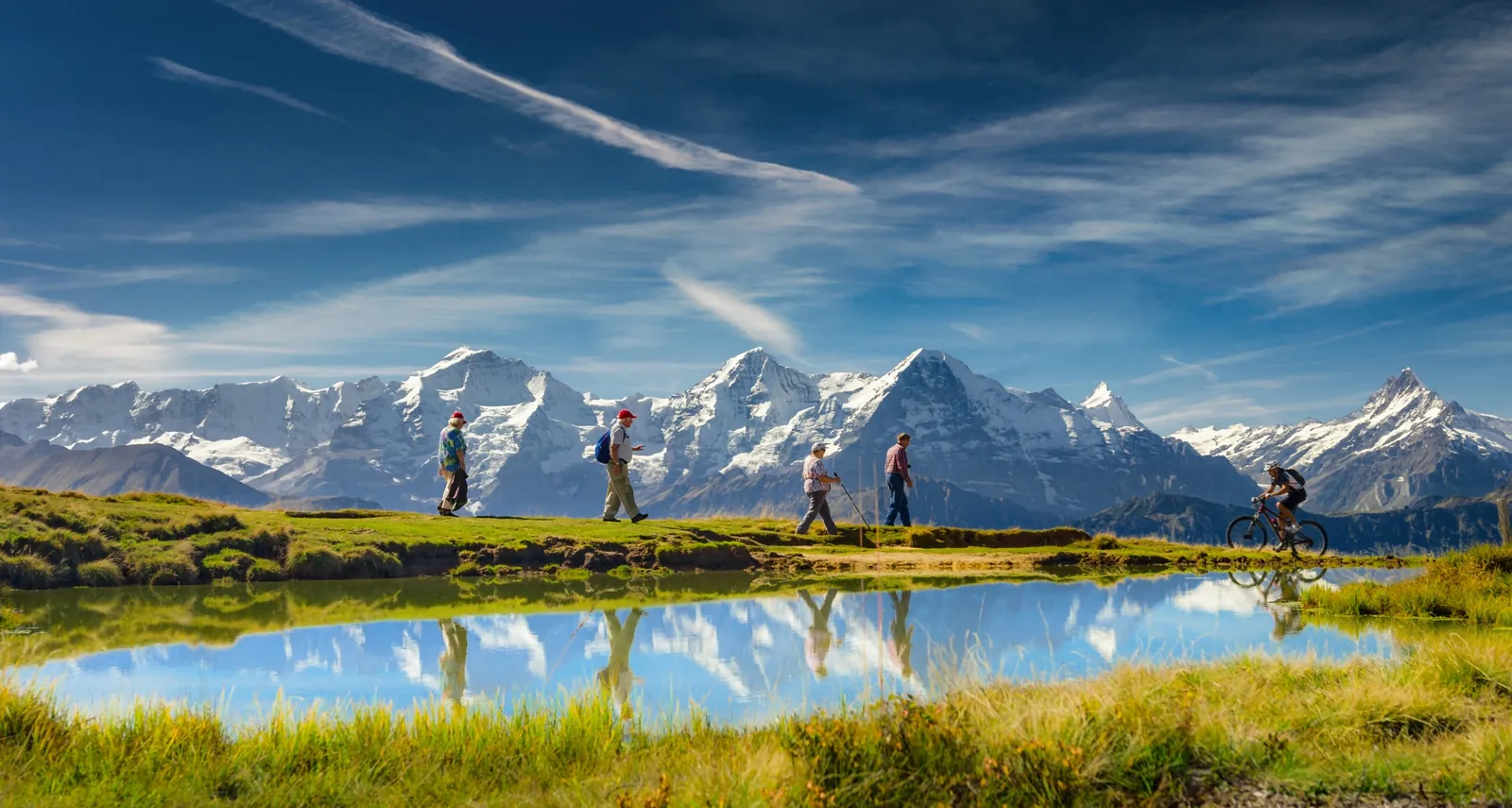
Late June to early October covers most people, but several situations flip it. Here’s what changes the answer:
| Situation | What changes | What to do instead |
|---|---|---|
| You want to avoid crowds | July and August are busiest | Go in September; trails are dry, air is clear |
| You only hike valley or lake routes | These melt out by April–May | Visit in May or early June, before peak season |
| You want open mountain huts | Huts staff late June to late September | Plan overnights inside that window only |
| You hike at dawn only | Mornings are calm even in summer | Any summer month works; carry a layer anyway |
| You want snow-free passes over 2,500 m | Some clear only in August | Check the pass’s status before you go |
| You’re combining with skiing | High trails stay snowy | Visit December to April, skip the hiking |
How to plan your hiking trip
A good Swiss hiking trip is mostly a timing exercise. Work through these steps in order and the season picks itself:
- Pick your routes first, not your dates. Note the highest point of each trail you want — a route topping out at 1,600 m frees you months earlier than one crossing a 2,800 m pass.
- Match routes to a month. As a rule of thumb: under 1,500 m is walkable from May, 1,500–2,000 m from June, and above 2,000 m from late June to October.
- Book huts before you book flights if you’re staying overnight. Popular SAC huts fill up weeks ahead in July and August; reserve on the hut’s own page or by email.
- Check trail status a week before you travel. Local tourism offices and cable car companies publish which routes are open — a pass can be listed as closed well into July after a snowy winter.
- Plan each day around the afternoon. Start by 8 a.m. so you’re off ridges and exposed ground before typical afternoon storms build in July and August.
- Pack for both seasons in one day. Even in August, a 2,500 m summit can sit near freezing with wind; carry a warm layer, rain shell, and 1.5–2 liters of water per person.
- Confirm cable car and lift schedules. Summer timetables differ from winter ones, and many small lifts stop running by mid-October — your descent plan depends on them.
If you’re flexible on dates and fixed on routes, let the route decide. If you’re fixed on dates, let the altitude decide which routes you’ll actually get.
Mistakes that ruin a hiking trip
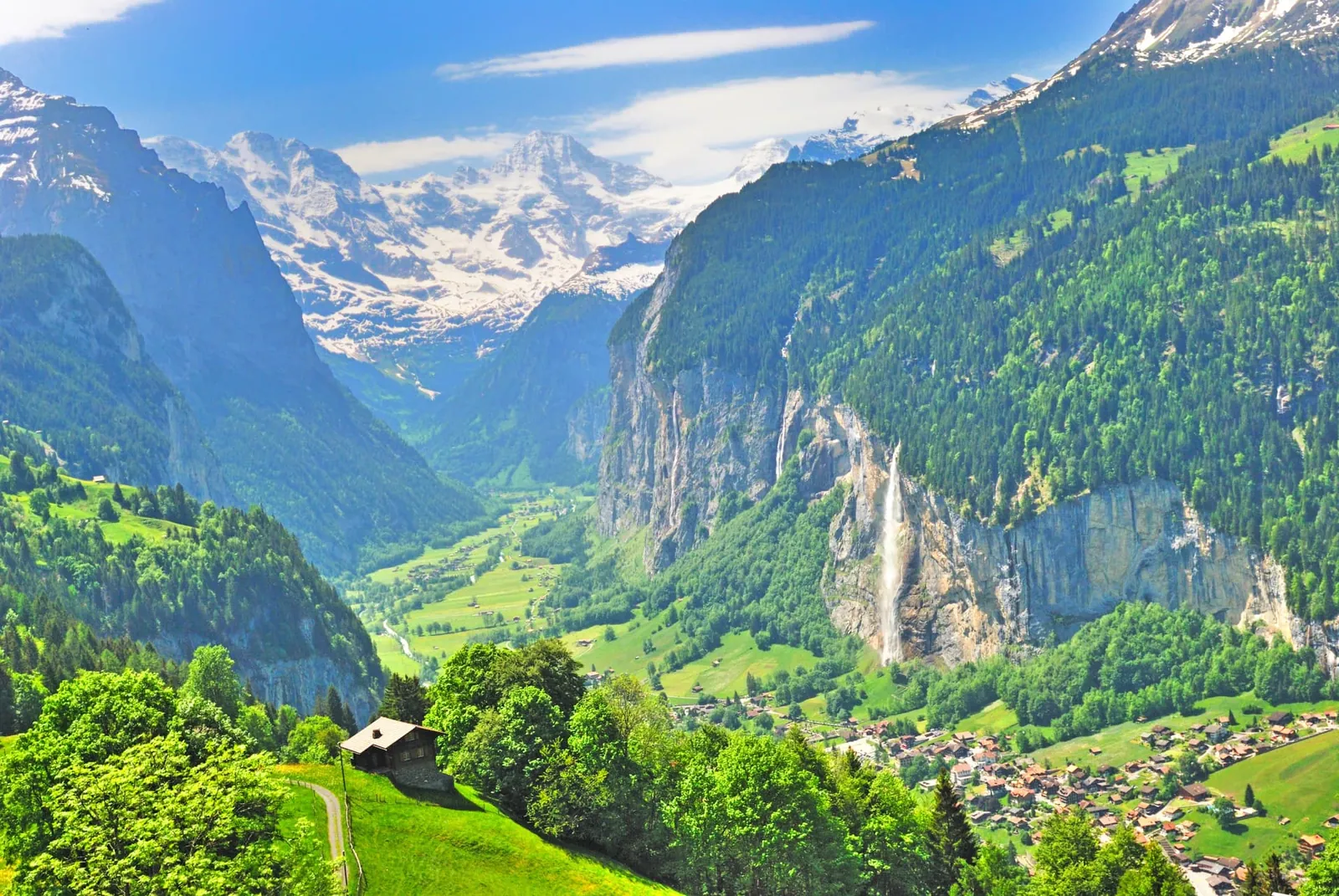
- Booking July flights before checking route altitudes. People arrive to find their dream high pass still snowed in after a late-melting winter, and the whole itinerary collapses into valley walks.
- Starting hikes at 10 a.m. in summer. Thunderstorms build in the afternoon, and you end up caught on an exposed ridge or descending in hail instead of sitting in a hut.
- Trusting a trail name on a map as proof it’s open. Maps show every path year-round; only the local status pages and hut reports tell you whether snow or damage has closed it.
- Underestimating September nights. Days are glorious, but hut nights drop toward freezing — hikers who pack for August daytime temperatures shiver through dinner.
- Skipping a reservation at popular huts. In peak season, walkers without bookings get turned away at dusk, and the next hut can be two hours further down the mountain.
Frequently asked questions
Can you hike in Switzerland in May?
Yes, but only at lower altitudes. Valley paths, lakeside routes and vineyard trails around Lake Geneva, Lucerne and the Ticino are in good shape by May. Trails above roughly 1,800 m usually still hold snow, so save the high alpine routes for late June onward. Check each route’s status before setting out.
How long is hiking season in the Swiss Alps?
Roughly four months for high routes: mid-June to mid-October. Add six weeks on each side if you stay below 1,500 m, where trails open from late April or May. The exact start moves with each winter’s snowfall — a heavy snow year can push high trails into July.
Is September a good time for hiking in Switzerland?
Yes — many hikers consider it the best month. Trails are fully open early in the month, the air is clear, temperatures are mild, and crowds drop sharply after the summer holidays. The trade-off is shorter days and huts closing from late September, so plan overnights earlier in the month.
What happens if I hike a trail with snow on it?
You risk slips on hard morning snowfields, losing the path entirely, and getting caught without an escape route on steep ground. Snow-covered trails also hide erosion damage. If you can’t see the path under the snow, turn back — Swiss rescue is excellent but not free, and most incidents start exactly here.
Does it matter which region I pick?
Yes, by several weeks. Lower southern valleys such as the Valais floor and Ticino clear earliest in spring, while high valleys like the Engadin and shaded northern slopes hold snow longer. Ticino runs warm and Mediterranean, so its lower routes work from April. Pick the region after you’ve picked the altitude your routes need.
Is it safe to hike alone in Switzerland?
Yes, on marked trails in season — Switzerland’s waymarking is excellent and trails are busy enough that you’re rarely truly alone. Solo safety changes above the snow line or off marked routes, where a slip has real consequences. Always tell someone your route, and check the weather forecast before you leave.
Why do huts close in late September?
Staffing and supply, mostly. Many huts have no road access, so everything — food, gas, bedding — arrives by helicopter at the start of the season, and staff commit to a fixed summer contract. Once demand drops after September, running a hut above 2,500 m stops making sense until the following June.
Conclusion
Switzerland rewards hikers who plan around altitude rather than the calendar. Pick your routes, read their highest points, and let the snow line tell you when to go — you’ll get better trails and fewer surprises than any fixed date can promise.